12 Things We Always Check Before Booking Family Accommodation in Latin America
Before booking family accommodation in Latin America, there are a few things we always check first. These simple checks have saved us from noisy locations, unsafe neighbourhoods, and places that just don’t work with kids.
We’ve booked badly before. We’ve learned the hard way. Photos lie. Reviews can mislead. And a seemingly good deal can cost you far more than the price difference between a cheap apartment and a reliable one.
In the first 3 months of our family travel to Latin America, we made nearly every mistake in this checklist. We booked a charming colonial apartment in Cuenca that turned out to be on the noisiest street in the old city. We rented what looked like a spacious two-bedroom in Quito that had a shower that broke within days. We found ourselves paying for emergency laundry services and eating out constantly because the kitchen setup made cooking feel impossible.
These weren’t catastrophes. They were small daily stressors that added up, drained our budget, and made what should have been a relaxing month feel unnecessarily complicated. The difference between a bad booking and a good one often isn’t the price, it’s whether you’ll actually be able to live there with your kids without constant friction.
This checklist isn’t a system we invented. It’s a filter we built over dozens of apartment bookings across Ecuador, Peru, Panama, Costa Rica and Colombia Each item exists because we learned why it matters. Some of these things seem small until you’re living them for a month. Some seem fine until they’re not.
We’re sharing this not because we think good booking is complicated, but because the right questions make it simple. And asking them upfront saves thousands in hidden costs and prevents the kind of friction that makes families want to leave a month early.
1. The Exact Neighborhood (Not Just The City)
Saying the apartment is in Quito is like saying somewhere in a city of 1.5 million people. Quito is a vertical city in a mountain valley. Safety, noise, walkability, and daily life vary wildly by neighborhood.
We learned this the hard way when we booked an apartment listed as close to the historic center in Quito. The photos were beautiful, colonial streets, quiet courtyards. What the listing didn’t show: it was on Calle García Moreno, one of the main thoroughfares, with buses, delivery trucks, and commercial traffic starting at 5:30 a.m. Not on the quiet residential street we’d imagined. Our kid didn’t sleep well. We paid extra to move.
Before we book anywhere now, we do three things:
- Get the street name and cross-reference it on Google Street View. Walk the route from the apartment to the nearest grocery store, pharmacy, and park. Look at both day and night views if available.
- Search the address on Reddit and local expat Facebook groups. People will tell you whether a neighborhood is genuinely safe and what the actual daily experience is like.
- Ask the host directly: Is this on a main street or a quiet residential street? What’s the foot traffic like at night? Are there bars or restaurants nearby? Vague answers are red flags.
- Also always double check the map, as hosts will say its in a main area or the opoular neibourhood but you check and its a 20 minute walk out from it.
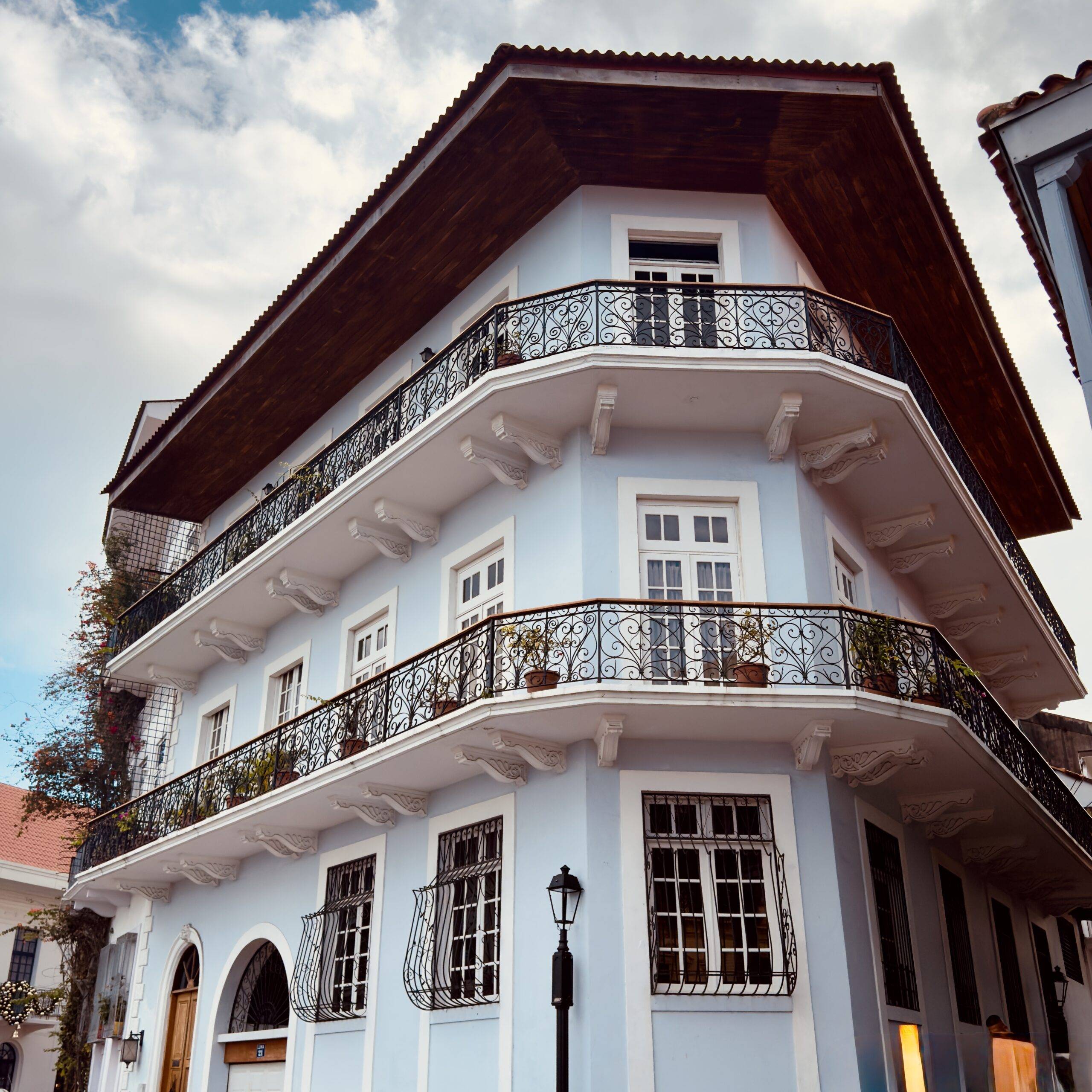
In Panama City, we booked an apartment in Casco Viejo. It looked perfect, the historic waterfront neighbourhood, great reviews, good price. What we didn’t account for: it was on the edge of El Chorillo, Panama Citys dangerous neighbourhood, Weekend noise until 2 or 3 a.m. We weren’t there during a party weekend, but the host mentioned it casually in a message. We would have moved if we’d known.
2. WiFi Speed (And How We Verify It)
If you’re working remotely, even just responding to emails and uploading photos, WiFi isn’t a nice-to-have. It’s foundational.
Every listing says good WiFi. We’ve stayed in places where good WiFi meant 3 Mbps download speed, where video calls would freeze every 30 seconds, and where uploading a file took 20 minutes. This isn’t good WiFi. This is barely functional WiFi.
For remote work with kids, we look for 25+ Mbps download. Anything less feels like working through sand.
Here’s how we verify it now:
- We ask the host to run a speed test (speedtest.net) and send us a screenshot. Not before they book, before they confirm the booking. Most good hosts will do this without question.
- We ask what the internet provider is. In Latin America, some providers are visibly more reliable than others. Fiber (fibra optica) is better than copper. Check whether they have redundancy, two providers, or a backup mobile hotspot.
- We ask about patterns: Is the connection consistent throughout the day? or Does it slow down at night? Asymmetrical patterns tell you about network congestion in the area.
- We have a backup plan. Even in good buildings, internet can fail. We always know where the nearest café with reliable WiFi is. For critical work (like a deadline call), we’re willing to move to a public space temporarily.
In Cusco, an apartment listing showed a perfectly nice place. The reviews mentioned WiFi as good. When we asked for a speed test, the host sent us 8 Mbps. They were being honest, which we appreciated, but it wasn’t sufficient for our needs. We booked elsewhere. That decision saved us from a month of frustration.
3. Washing Machine (Non-Negotiable With Kids)
Before we travelled with kids, laundry seemed like a non-issue. You hire someone to do it, or you use a laundromat. No big deal.
After two months of hand-washing clothes in a sink, we learned otherwise.
With young kids, you generate laundry constantly. An accident. A spilled meal. Regular clothes that need washing every few days. Without a washing machine, you’re either paying for laundry service (which adds up fast), spending hours at a laundromat, or living out of smaller suitcases and doing hand laundry constantly. None of these are relaxing ways to travel.
We now make has a washing machine a requirement for any stay longer than one week. Yes we can have a few days in a hostal, cabin in middle of no where and get by handwashing but longer stays it makes life easier.
The math is simple: A typical laundry service in Quito or Lima costs $8–$15 for a load. A professional laundromat is $4–$6 per load. Hand laundry takes 2–3 hours of your time per load. Over a month, even if you only do laundry twice a week, you’re looking at $32–$60 in service costs, or 8–12 hours of manual work. A washing machine pays for itself in convenience and money within the first two weeks of a long stay.
We also ask whether the machine is automatic (you add soap and press a button) or semi-automatic (you transfer clothes manually between wash and spin cycles). Automatic is worth a small price premium.
In a two-month stay in San José, Costa Rica, we booked an apartment without a washing machine because the rent was lower. We spent $180 on laundry services before the first month was over. The next booking, we paid an extra $300/month for a place with a machine. We recovered that cost in laundry savings in two months.
Also don’t expect the host to provide the washing machine soap, this is usually not listed as an essential.
4. Noise (Street, Dogs, Bars, Churches)
Sleep quality is not optional for family travel. A place that’s noisy at night is a place you’ll want to leave.
Noise sources in Latin American cities are specific and often predictable:
- Roosters. If you’re anywhere near a rural area or a neighborhood with small farms, expect roosters starting at 4:30 a.m. This sounds quaint. It’s not. It’s loud.
- Traffic. A main street in a Latin American city generates constant background noise, buses, trucks, motorbikes. This rarely quiets down before midnight. San Jose for example has the nosisiest train ever.
- Bars and restaurants. If the apartment is above, next to, or within two blocks of a bar or nightlife area, you’ll hear it on weekends. This is almost inescapable in central neighbourhoods.
- Churches. Sunday services, weddings, and, especially in smaller towns, loudspeaker announcements are loud and frequent.
- Construction. Markets don’t have zoning laws like you’re used to. Construction can happen any time. Jackhammering at 7 a.m. is normal.
Assume most places you’ll stay have those thing single glazed windows that let every outside noise in.
We ask about each of these specifically. Are there bars nearby? Will we hear roosters? What’s the traffic situation? If a host downplays noise or gives vague answers, we move on.
In Cuenca, we booked an apartment in a 1970s apartment building three blocks from a main plaza. The listing photos made it look peaceful. But the building’s windows faced the plaza, and every weekend there’s a market with vendors shouting, music, and crowds. Combined with vehicles constantly circulating to reach other parts of the city, it was noisy from 7 a.m. to 9 p.m. A good place otherwise, but sleep wasn’t peaceful. The reviews we read afterward mentioned this, but we missed them. Now we specifically search reviews for keywords like noise, loud, roosters, and traffic.
5. Reviews That Mention Safety
Online reviews aren’t perfect, but they’re a window into what guests have actually experienced. We read reviews not for a rating, but for patterns.
We specifically look for comments about:
- Feeling unsafe. If someone mentions that they felt uncomfortable walking around at night, we take that seriously. “Lively area” in a review might mean busy nightlife. It might also mean you shouldn’t walk alone at night.
- Petty crime. Packages stolen, items taken from common areas, cars broken into. These paint a picture of the immediate neighborhood.
- Host responsiveness to issues. If something went wrong (break-in, damage, safety concern), how did the host respond? Fast, helpful response = good sign. Defensive or slow response = red flag.
We’re also cautious about reviewing sites that show heavily curated or suspiciously glowing reviews. Real reviews include complaints. If every single review says perfect, something’s off.
We don’t use safety as a reason to avoid a place, but we use it as a reason to go in with eyes open. Knowing that a neighbourhood requires caution at night is different from not knowing and having your sense of safety shaken.

6. Kitchen Setup (Beyond "Has a Kitchen")
Cooking at home is how you reduce food costs and control what your family eats. Over a month, families that cook eat 40–60% cheaper than families that eat out regularly.
But a kitchen that exists is not the same as a kitchen that works for family cooking.
We look at:
- Knife quality. Trying to chop vegetables with a dull knife is exhausting. We ask whether they have at least one sharp chef’s knife. If they don’t mention it, it usually means they don’t have one. (This is not a deal breaker though)
- Stove type. A gas stove is better than electric for cooking stability. We ask about the stove’s condition and whether all burners work.
- Fridge size. In tropical climates, you need adequate refrigerator space. A tiny hotel-style fridge limits what you can cook and forces more frequent shopping trips.
- Cookware basics. Do they have pots, pans, and basic utensils? Or will you be improvising with mismatched, broken equipment?
- Counter space. Prep work for a family requires room to work. A kitchen with six inches of counter space is frustrating.
We ask hosts to send photos of the kitchen including open drawers and the stove, not just the finished product. And we ask directly: Are you comfortable cooking a multi-person meal here regularly? If they hesitate, we trust that hesitation.
In Lima, we stayed in a “luxury” apartment with a beautiful show kitchen, granite counters, stainless steel, but a refrigerator the size of a dorm mini-fridge and utensils we’d describe generously as decorative. We ended up eating out more than we’d planned because cooking felt like a process. The next booking, we deliberately chose a smaller, less aesthetic place with a full-sized fridge and real cooking equipment. We cooked more, spent less, and ate better.
7. Monthly Discount Percentage
If you’re booking for 4+ weeks, the monthly discount is where real money is saved or wasted.
Something to note though, not every country offers discount, we rarely found deals in Panama and Costa Rica
On Airbnb, a monthly discount might be 20%, 30%, or even 40% off the nightly rate. The difference between these is significant.
For example: A listing at $40/night with a 20% monthly discount costs $960 for 30 nights. The same listing with a 40% discount costs $720. That’s $240 difference for one month. For a family looking at 6-month or year-long travel, the difference compounds to thousands of dollars.
We prioritise looking at the monthly rate, not the nightly rate. And we’re willing to negotiate with hosts. On VRBO, rates are often negotiable. On Airbnb, you can message hosts before booking and ask whether they’d offer a better monthly rate. Many will, especially if you’re flexible about dates.
Though we have noticed on a few people will also be put off with monthly listings as they can make more weekly, usually during peak season.
We also prefer slightly older listings or hosts who’ve been on the platform longer but don’t have superhigh rating streaks. Competition for “perfect 5-star new listings” is fierce and prices inflate. An apartment with 100 reviews and a 4.85 rating is often a better value than a new listing with 5 perfect reviews.
Budget matters. A 20% discount might mean paying $400 more per month than a 40% discount. That’s $4,800 more per year. That money is real.
8. Host Responsiveness
If something breaks, you have a question, or you need help during your stay, the host’s response time matters. A lot.
Before we book, we send a short message asking a specific question. Not “Is this a nice place?” something concrete. “What’s the WiFi provider?” or “Does the apartment get hot in the afternoon?” This tells us two things: whether they respond at all, and whether they give thoughtful answers.
If they take 24+ hours to respond, or if they give vague answers like “WiFi is good,” we’re cautious. They might be a hands-off host. During a month-long stay, you don’t want that.
Good hosts reply within a few hours and give specific information. They anticipate questions. They ask you about your needs and offer suggestions. A responsive host is not just nice to have, it’s a sign that your stay will be smoother.
We also look at reviews that mention the host’s response time. If multiple reviews say “host was slow to respond” or “couldn’t reach them,” that’s a pattern, not an anomaly.
9. Layout & Bedroom Separation
This is a family-specific consideration that many budget travelers overlook. It matters enormously.
If you’re a family of three and you book a one-bedroom apartment, where do you work during the day? If one parent has a video call, where does everyone else go? If your kid wants to go to bed at 7:30 p.m. and you want to stay awake working, how do you manage that?
Studios and one-bedroom apartments work for couples or for families where kids sleep at the same time you do. For families that need to work during the day, have kids on different sleep schedules, or just need physical space, bedroom separation is essential.
We look for: a bedroom with a door that closes, a separate living space, and ideally, a workspace that isn’t in the bedroom. A studio with a sleeping alcove doesn’t cut it.
In a family with two young kids, a two-bedroom apartment or a one-bedroom with a true living room allows the kids to sleep while one parent works. In a studio, everyone’s packed into one room. That changes the entire rhythm of your daily life.
We do stays in hotel or one room appartments but no longer than a week and yes it does change family dynamic and yes it will get to you.

10. Air Conditioning & Climate Reality
Climate varies dramatically across Latin America, and “works fine” for an expat who’s lived there five years might be unbearable for a visiting family not accustomed to it.
In Central America and lowland Peru, humidity is significant. Sweat and heat exhaustion are real concerns, especially for young kids. We look for apartments with air conditioning or at minimum, good cross-ventilation and ceiling fans. Fans are often listed optimistically “great breeze,” “naturally cool.” They’re not air conditioning.
For us Panama City, coastal Costa Rica and Carrabean side Colombia were the most hottest.
In mountain cities like Cuenca, Quito, or Cusco, it’s different. The temperature is cool by day, cold at night. We look for apartments with heating or at least adequate blankets and layers. “Cold water shower” isn’t a complaint to downplay, it’s a real discomfort in a 50-degree bedroom.
We ask hosts directly: “How warm/cool does the apartment stay?” and “In July/January (the respective cold/hot months), is AC/heating necessary?” Honest answers help us pack right and set expectations.
Heat in a tropical apartment with four people and no AC becomes the dominant reality of your stay. A small investment in confirming climate comfort now saves you from months of discomfort later.

11. Walkability & Daily Life Access
An apartment is not just a place to sleep. It’s a home base for everything you do. Walkability to groceries, pharmacies, restaurants, and parks directly impacts your daily expenses and stress.
If everything requires a 20-minute taxi ride, you’ll take more taxis. If there’s a grocery store five minutes away, you’ll cook more. If there’s a park within walking distance, your kids will play outside regularly. These small differences compound over a month.
We map out:
- Nearest grocery store (not fancy markets, regular supermarkets where you can buy basics)
- Nearest pharmacy
- Public transport access (and whether it’s safe/functional for families)
- Parks or green spaces for kids
- Restaurants (for the nights you don’t cook)
- Cafe’s for solo parent time chill or work.
An apartment that’s cheap but isolated will drain your budget through constant transportation and eating out. Walkability is a feature with real financial value.
12. Exit Plan
Before you book, know what happens if the apartment doesn’t work.
Check the cancellation policy. Is it flexible? How many days refund? Can you cancel if it’s genuinely not what you expected?
We also recommend this: Book a month-long stay in two bookings. First week or two on its own. Then a second booking for the rest. This costs slightly more in terms of potential discounts, but it gives you an exit point. If the first week is awful, you only lose one or two weeks, not a month. It’s a small price for peace of mind.
We’ve used this exit plan twice. Once in Quito where the noise was unbearable. Once in a Costa Rican beach town where the building had structural issues and water shut off unexpectedly. In both cases, we’d paid more for the flexibility upfront. It was worth it.
No amount of due diligence guarantees a perfect booking. Knowing you can leave if something’s truly wrong is insurance you can’t put a price on.
Once we’ve checked all of this, then, and only then, we look at availability and pricing.
If a place passes the 12 checks above, we search it here:
See family-friendly stays for your dates
We filter for apartments, check cancellation terms carefully, and avoid anything with repeated noise complaints.
The Booking Mistake That Cost Us The Most
We booked an apartment in Panama City, because the rent was 30% cheaper than comparable places in the neighborhood (remember that Panama is pricey) The photos were decent. Reviews were solid (4.6 stars, 40+ reviews). It seemed like a good deal.
What we didn’t ask about: the neighborhood changed at night. After dark, the tourist-friendly daytime vibe shifted. The location was right next to El Chorillo, Panama City’s most dangerous area. We felt uncomfortable walking around after 8 p.m. We also didn’t confirm the WiFi speed beforehand, it turned out to be 6 Mbps, which made any kind of video call impossible. We wanted to move after a 2 days, what made it worse was the sink fell almost on my son when brushing his teeth..
The cancellation policy was strict. We couldn’t get out. So we paid for the week (saving money was the goal, and we didn’t want to throw away that savings) but we paid more in security costs (taxis instead of walking, ate out more because the WiFi made working from home frustrating, and felt tense the whole time.
The cost: $500 in rent, but $100 in extra expenses and $200 we got charge for the sink. We also left 2 days early and moved into a much better apartment and area.
We learned: Cheap can become very expensive. The questions we skipped cost us more than the money we saved. Now, we’d rather pay 15–20% more upfront and sleep well, than save 30% and spend the whole time worrying.
Why Families Can't Book Like Backpackers
A backpacker’s priorities are different from a family’s. A backpacker might book a windowless studio with a hotplate and consider it an adventure. A family needs something different.
This is where most blogs dont fully tell the truth.
Studio vs. two-bedroom: Backpackers can share a small space. Families with kids need physical separation and dedicated work/sleep areas. Otherwise tension builds up quick, I’m not going to pretend we’re living this Instagram fake life, parents need seperate space.
Safety vs. nightlife: A backpacker might want to be in the center of Casco Viejo. A family wants a place where you can walk to dinner without feeling vigilant the whole time.
Cooking vs. street food: A backpacker eats every meal out for $3–$5. A family cooking at home saves hundreds. And kids are often pickier, having a full kitchen means your family isn’t frustrated by restaurant options every single meal and tou’re paying x4 every meal.
Sleep quality: Backpackers might tolerate constant noise. Families with young kids cannot. Sleep is not optional when you’re parenting. Kids get grumpy, parents get grumpy.
Families book for stability, not novelty. You’re building a home for a a week, month or more, not collecting experiences in a revolving-door series of places. The criteria are different because the needs are different.
Before You Book
This checklist exists because good accommodation protects the whole trip. A peaceful, functional place to sleep and work makes everything else, travel, learning, family connection, easier. A stressful place makes everything harder.
We don’t claim to have a perfect system. We’ve still booked badly sometimes. But these 12 questions have saved us far more money, stress, and sanity than they’ve cost us in time to ask them. They’re the difference between a month where we felt like we were living somewhere and a month where we felt like we were surviving somewhere.
When you’re comparing listings, comparing prices, or wondering whether a place is too good to be true, these questions are your filter. Use them. They exist because real families learned why they matter.