Dreaming Spanish Review: 150 Hours In – Everything You Need to Know About Using Dreaming Spanish
📍 Month 2 Progress Report
🧠 Level: 3
⏱ Total CI Time: 150 hours
🗣️ Speaking Practice: ~40 hours (from 7 years ago)
Update: Using Dreaming Spanish While Traveling Latin America
Since originally starting Dreaming Spanish, a lot has changed.
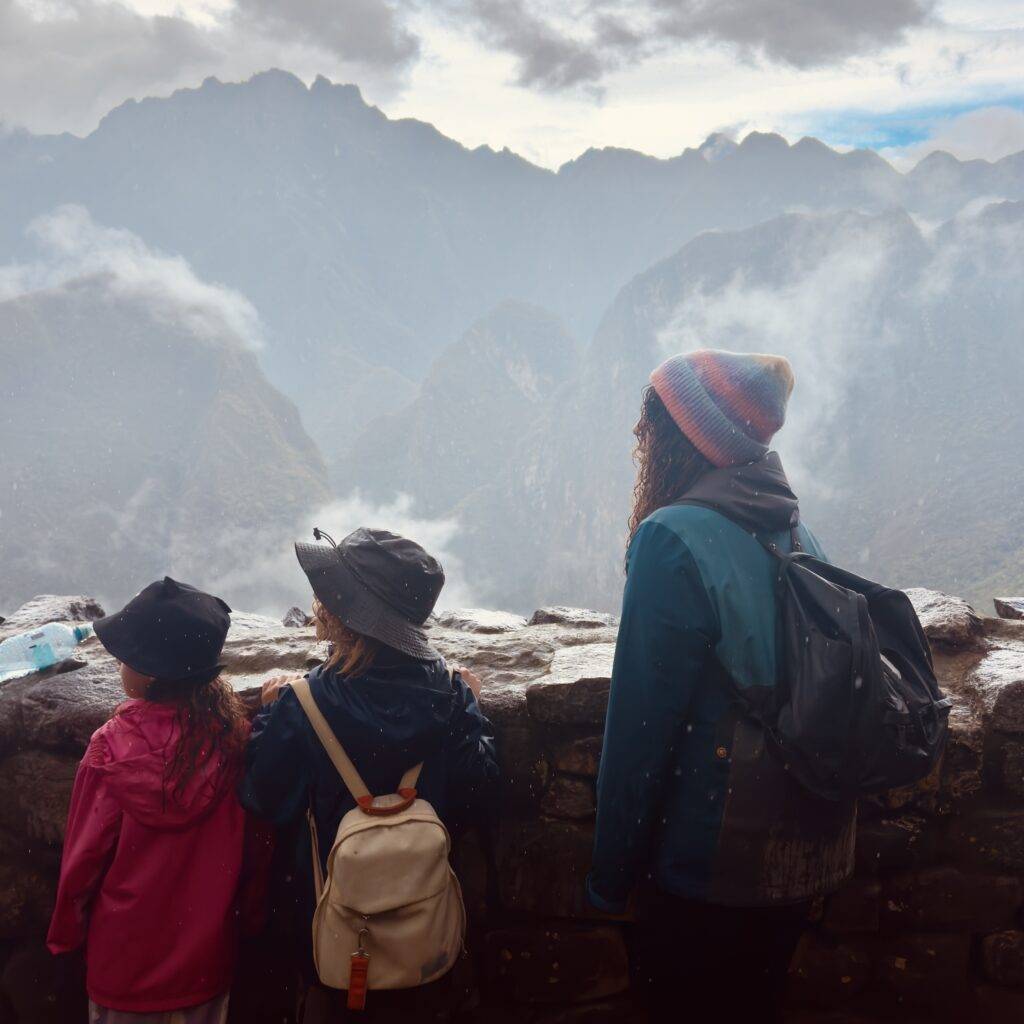
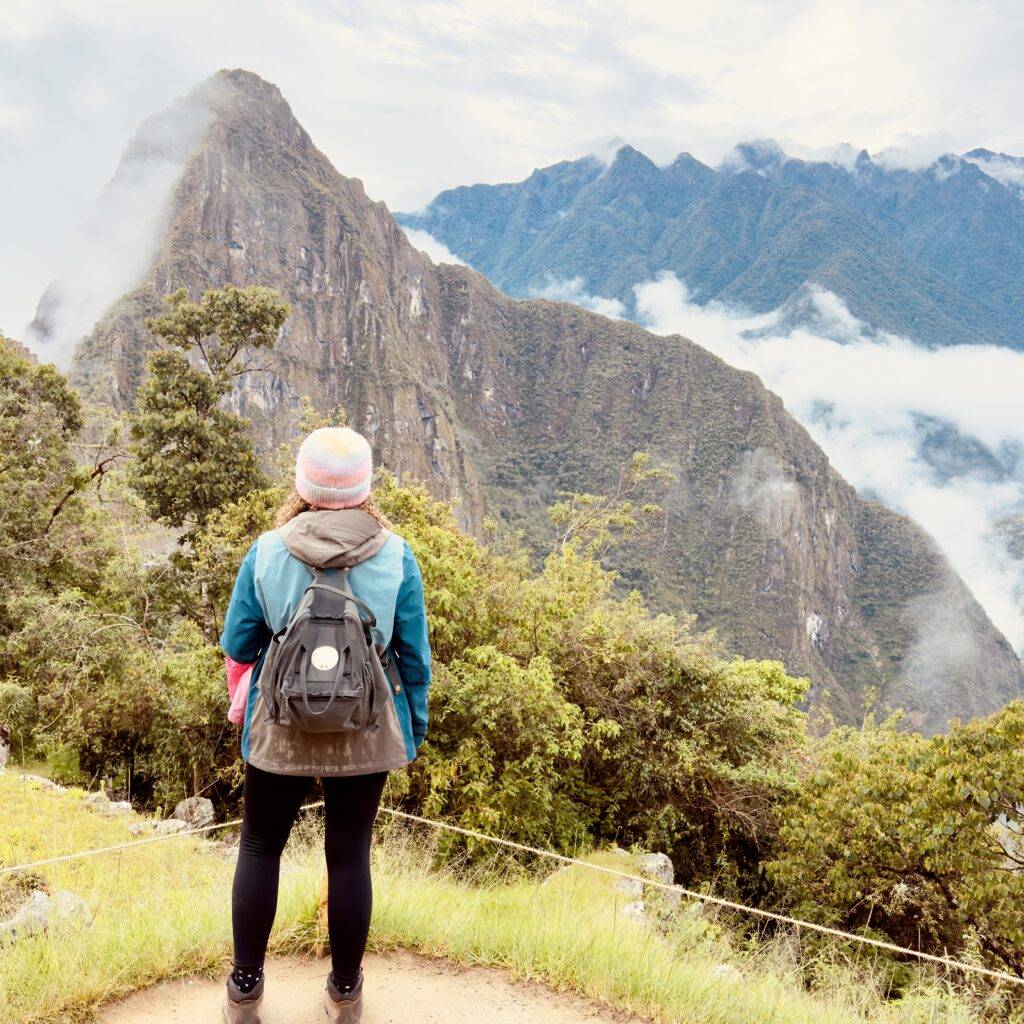
We’re now two months into travelling through Latin America as a family, moving slowly across Spanish-speaking countries, and this has been the real test of whether all those hours of comprehensible input actually translate into real-world understanding.
The short version? They do, just not in the way I expected.
Before we left, I focused heavily on using Dreaming Spanish to build listening comprehension and get my brain comfortable with the sounds of Spanish. At the same time, I knew I also needed structured speaking practice, so in the months leading up to departure I paired this with Baselang, doing daily one-to-one lessons to actively learn Spanish and start speaking again.
That combination mattered.
Dreaming Spanish gave me the foundation, the ability to understand conversations, follow context, and not panic when a native speaker talked at full speed. Baselang gave me the confidence to actually open my mouth and respond. Together, they made the transition from “studying Spanish” to living in Spanish far smoother than if I’d relied on either one alone.
If you’re curious about the speaking side of that setup, I’ve written a full breakdown of my experience with Baselang here:
👉 Read my Baselang review and how I used it before travel
Now that we’re on the road, Dreaming Spanish has become even more valuable. After long travel days, early mornings, or kid-heavy schedules, it’s still the easiest way to keep Spanish present without forcing study sessions. I’m still watching the videos sometimes actively, sometimes passively, and those hours continue to stack up quietly in the background.
This update matters because it changes the context of this Dreaming Spanish review. This isn’t just about learning at home anymore. It’s about whether this method holds up when Spanish stops being a project and starts being part of daily life.
Progress & Wins This Month
This month I officially hit Level 3 in Dreaming Spanish and passed 150 hours of comprehensible input. It’s honestly wild how much more I can understand now, especially when I think about where I started just two months ago.
I’m still nowhere near fluent (not even close), but my brain is starting to expect Spanish now. I find myself catching phrases, anticipating words, and even thinking in Spanish here and there. Something’s shifting, and it feels good.
Dreaming Spanish is built entirely around comprehible input, a method that focuses on understanding meaning before worrying about speaking or conjugation. Instead of textbooks or drills, you learn Spanish by watching videos designed for your current level, allowing your brain to acquire Spanish naturally over time.
My biggest win? I randomly clicked on an advanced Shel video and to my surprise… I understood a good chunk of it.
That moment made it clear that spending time watching Dreaming Spanish videos, even at the intermediate and advanced level, genuinely improves listening comprehension in a way traditional language learning never did for me.
We believe family travel content should be honest and accessible. If you do too, you can support it here.
We believe family travel content should be honest and accessible. If you do too, you can support it here.

What I’m Watching on Dreaming Spanish (Beginner to Intermediate Videos)
I started watching Dreaming Spanish content chronologically this month, mostly because I didn’t want to miss any foundational stuff.
But let’s be real: those early beginner videos aren’t the easiest to watch when your brain’s still warming up, especially at 5am before coffee, after a night of broken sleep and a full to-do list waiting. So now I mix in newer, more engaging videos to keep the energy up.
Mixing beginner videos, super beginner videos, and newer intermediate videos helps me stay consistent while still matching my current level
What I’d Love to See More Of
If the Dreaming Spanish team is taking requests, here’s what I’d love to see more of in the future:
Mindfulness and meditation
Personal growth + reading habits
How to learn better as an adult
Spirituality (non-religious, reflective topics)
The educational stuff is amazing, but now that I’ve logged 150 hours, I’m definitely starting to hit my limit on the clothes try-ons, weddings, jewellery-making, and Andrea’s singing sessions. Would love to see more depth to balance out the light.
What’s Actually Working With Dreaming Spanish and Listening Comprehension
Outside of Dreaming Spanish, I’ve also been getting into the Spanish Booster Podcast.
I started with the Minecraft series (relaxing, oddly meditative), but recently discovered he’s got episodes on personal growth and mindset. That’s totally my thing, so those are getting added to the rotation this month.
While Dreaming Spanish is the core of my routine, combining it with podcasts and native content reinforces pronunciation, vocab, and comprehension without breaking the comprehensible input approach.
Outside Resources Supporting Dreaming Spanish
Here’s what my routine has looked like this month:
Morning CI + coffee (low-pressure, high-repetition content)
Chores and solo drives with Dreaming Spanish audio
Spanish Booster podcast during walks or post-workout cooldowns
CI as background audio during low-intensity workouts
A huge mindset shift this month: I got stuck in traffic recently for an hour, and my first thought was, “Nice, extra CI time.” That told me everything I needed to know about how far I’ve come.
This mix keeps Spanish content present throughout the day and helps ensure I’m getting enough input without forcing study sessions.
“CI” means Comprehensible Input
Goal Update: Hours Watching Dreaming Spanish
My app goal is still set to 60 minutes a day, mainly for the dopamine hit of seeing the celebration animation but I’m realistically averaging 2 to 3 hours most days. Between Dreaming Spanish and passive listening, it’s just part of my day now. I’m not forcing it—it’s just there.
At this pace, hitting milestones like 300 hours, 600 hours, and eventually 1500 hours of input feels realistic instead of overwhelming.
Why I’m Learning Spanish (Using Dreaming Spanish Before Travel)
In 4 months, we’re leaving the UK to travel long-term through South and Central America with our two kids.
Between work, raising kids, planning the trip, and running a travel blog, it’s full-on but learning Spanish is non-negotiable for me. I want to be able to show up in each place respectfully. I want to have real conversations, not just point at menus and hope.
Dreaming Spanish has made Spanish feel less like a new language and more like something my brain is slowly understanding, even before I start speaking regularly.
Before all this, I had around 40–50 hours of speaking practice back in my twenties. It’s been years, but that base is still floating around somewhere. I’ll be jumping back into speaking lessons a month or two before we leave to get those muscles working again.
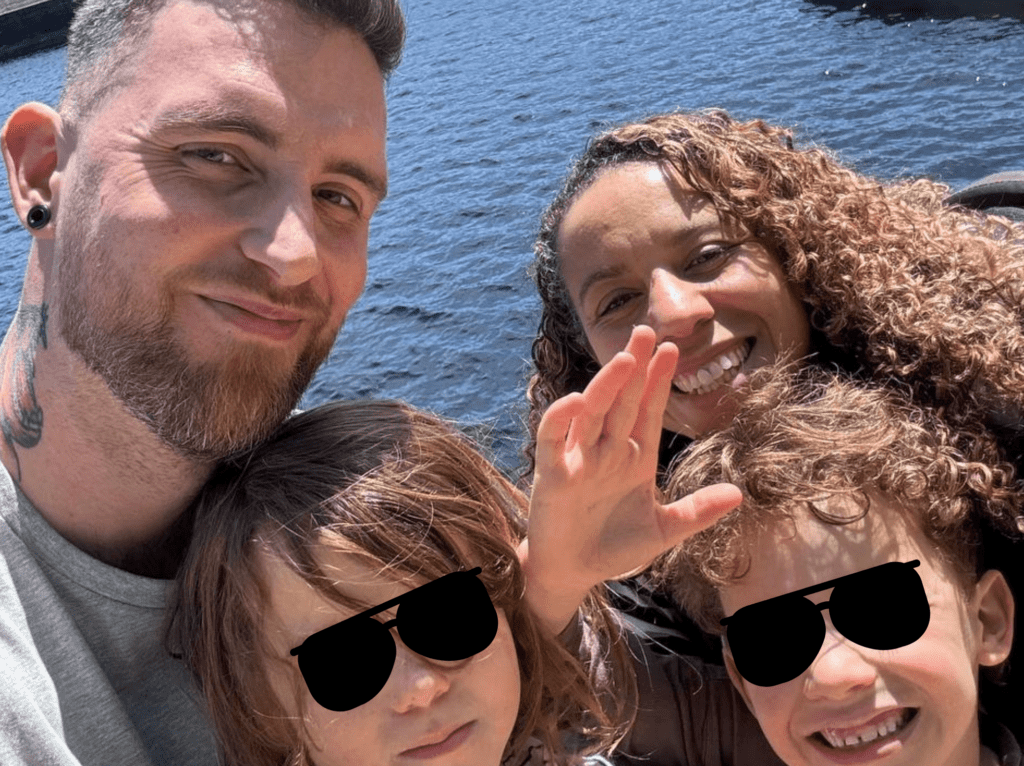
Learning as a Family While Using Dreaming Spanish
One big shift this month is that we’ve started learning together as a family using TalkBox.Mom. It’s more focused on speaking practice and has been a game-changer.
Instead of flashcards or textbooks, we’re replacing everyday phrases we normally use at home with the Spanish versions. It’s messy, funny, and surprisingly effective. The kids are actually correcting me now. Love that.
Even though Dreaming Spanish is primarily listening-based, it’s laid the foundation for speaking together as a family without pressure.
What’s Next With Dreaming Spanish
Just staying consistent, exploring more intermediate content, and easing into active speaking again as we get closer to departure.
Still early in the journey but this month felt like a turning point for learning Spanish.
Using Dreaming Spanish daily, even just an hour a day, feels like the most sustainable way I’ve found to make real progress toward fluency.
¡Vamos!
Read More