Best Places in Peru for Families (Ranked)
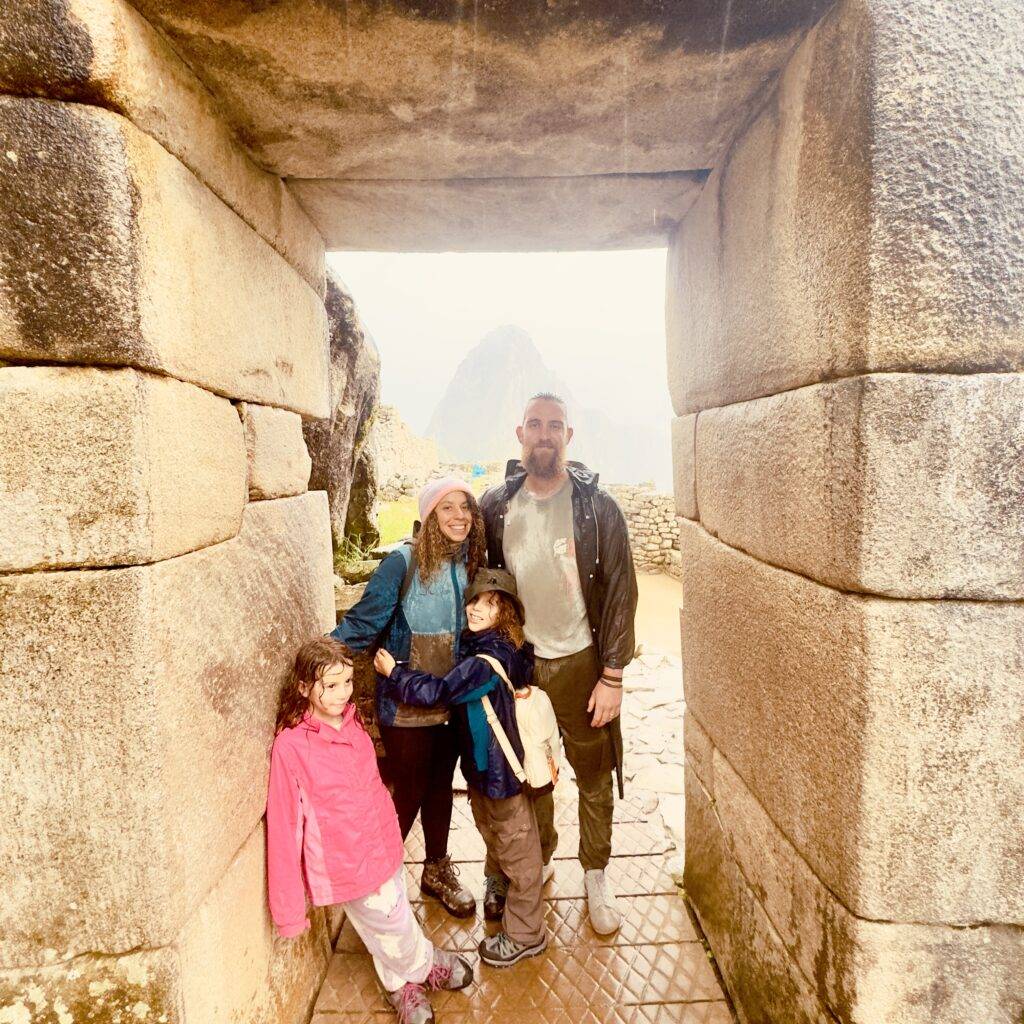
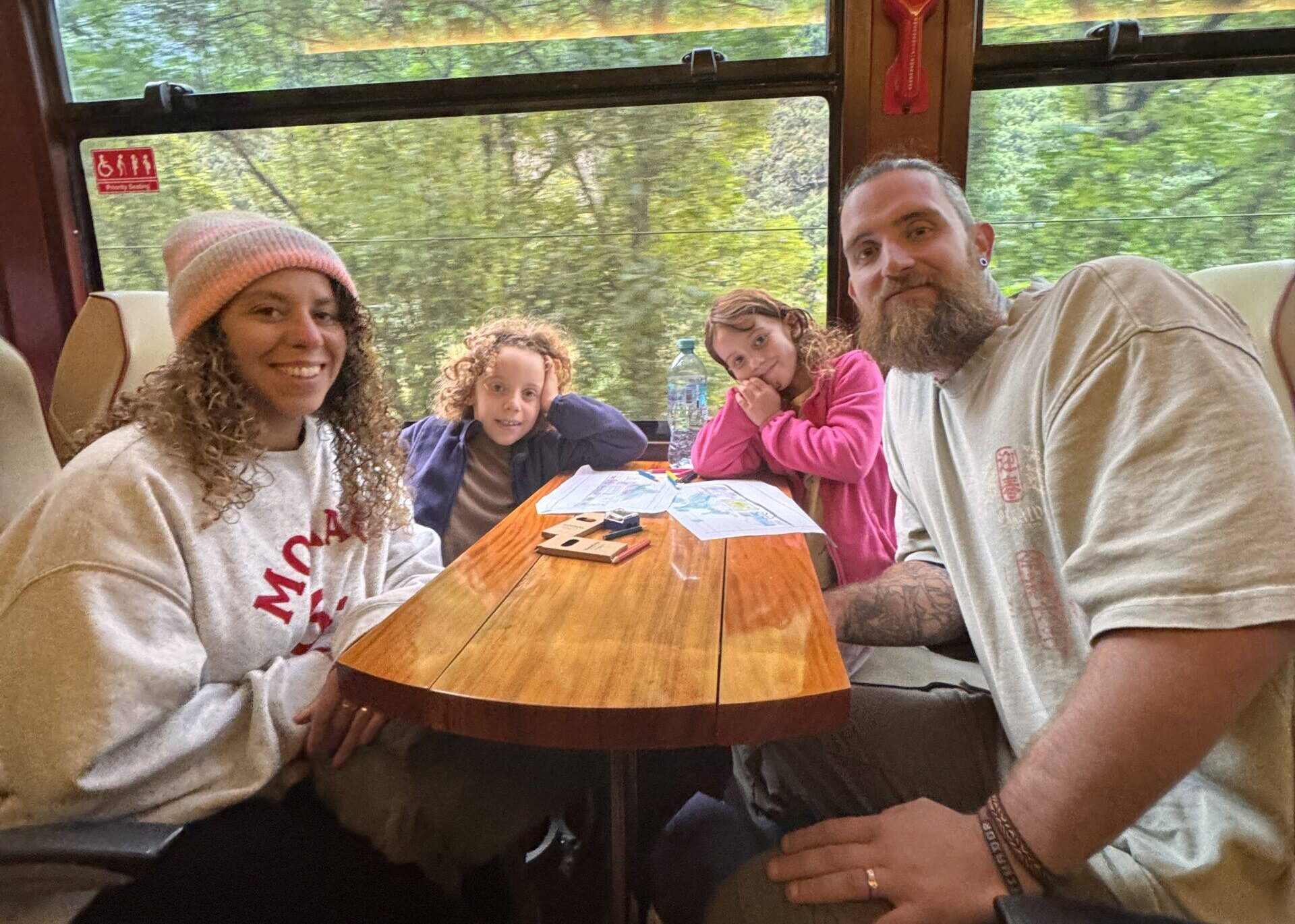
We spent three months traveling through Peru as a family of four, Sean, Tania, Atticus (8), and Aurelia (6) moving slowly through nearly every region and revisiting places we loved. We weren’t rushing to tick boxes. We stayed longer when things worked and moved on when they didn’t. This is what we learned about which places genuinely deliver for family travel, and which ones sound better than they actually are.
Why We're Ranking Peru This Way
Before we get to the rankings, it helps to know how we landed on this list.
We ranked Peru’s family destinations based on what actually mattered to us over those three months: safety and comfort, walkability and ease of daily logistics, realistic pacing (can you stay there without everyone losing their mind?), altitude impact on young kids, what the kids genuinely enjoyed versus what they tolerated, and whether the reward justified the effort.
This isn’t a list of Peru’s most famous places. It’s a list of places where our kids felt good, where we could move at a pace that suited young travelers, where the logistics didn’t exhaust us before the adventure even started, and where a week or two (or six) actually felt restorative rather than relentless. Exploring the stunning incan heritage sites in Peru added a rich cultural layer to our travel experience. The majesty of Machu Picchu and the intricate architecture of Cusco captured our children’s imaginations. Each site offered a unique glimpse into history, making our journey both educational and memorable.
We also looked hard at the trade-offs. Some places are incredible but punishing with kids. Some sound transformative but become a grind by day three. And some, the ones you’ll find near the top of this list — just quietly work.
How We Ranked the Best Places in Peru for Families
Safety perception and comfort: We prioritize feeling genuinely safe, not just technically safe. This includes trustworthy transport, reliable accommodation, and places where you can move around without constant vigilance.
Walkability and transport: With kids, the easier a place is to navigate on foot or with simple public transit, the better. We don’t want to spend half the day figuring out how to get somewhere.
Cost and realistic value: Peru is affordable, but some places are much better value than others. We looked at what you actually get for your money, not just the headline cost, but whether a week there is worth the effort.
Altitude and physical impact: Altitude isn’t a dealbreaker, but it matters hugely with young kids. We factored in how quickly children acclimatize, whether the terrain involves serious trekking, and how much planning is required before a high-altitude visit works.
What kids actually enjoyed: This is non-negotiable. We listened to what Atticus and Aurelia gravitated toward, beach time, interactive museums, hands-on ruins, animals, simple adventures, not what Instagram said they should enjoy.
Stress versus reward: Every destination involves logistics, waiting, and some level of fatigue. We ranked places based on whether the reward justified that cost. Some destinations are worth the effort. Others feel harder than they need to be.
#1: Máncora & the North Coast (Huanchaco, Lobitos)
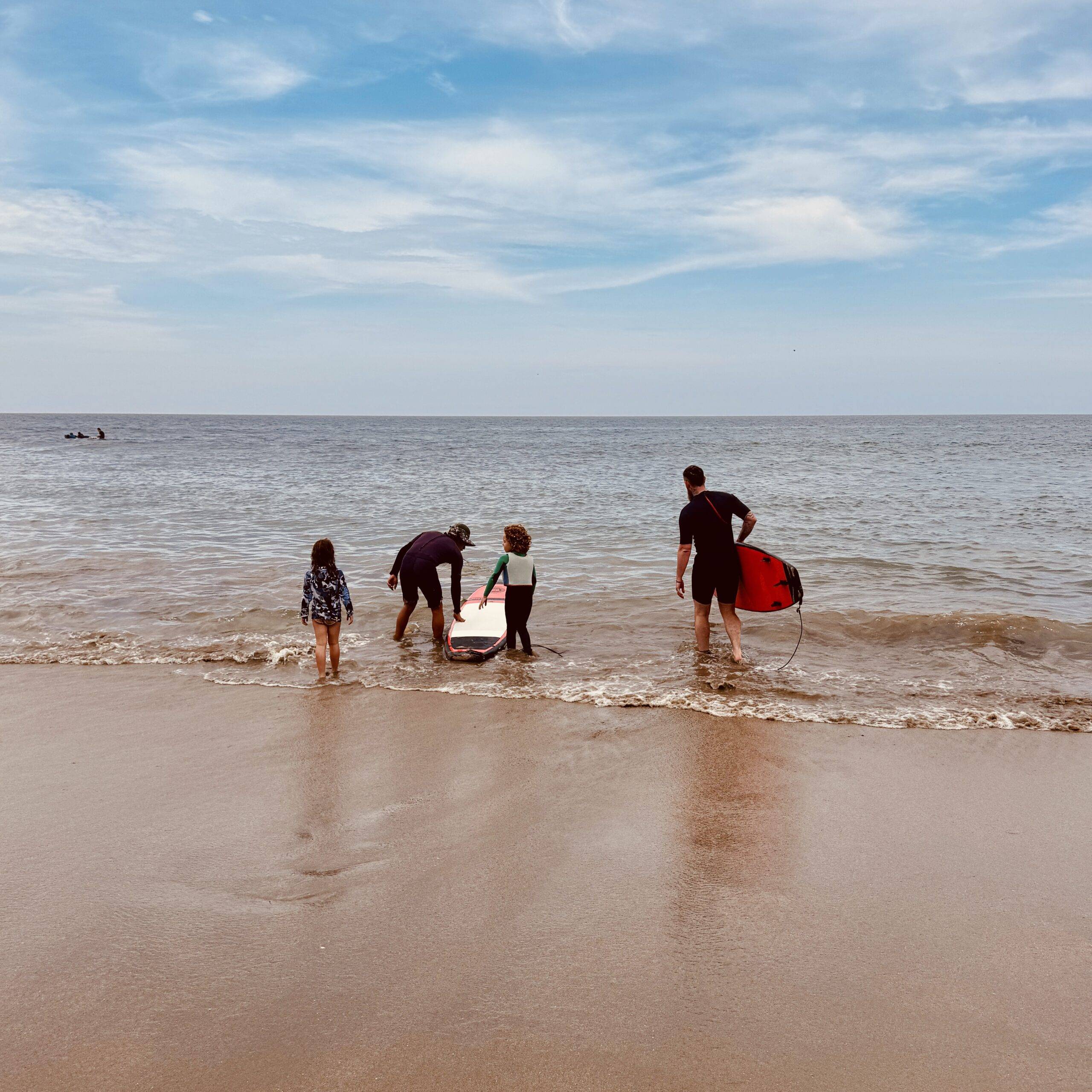
Why it’s #1: Two weeks here gave us something we needed more than Instagram moments, a soft reset. Máncora worked because it required almost nothing from us while delivering everything the kids wanted.
We arrived in Máncora after crossing from Ecuador, and it became our acclimatization landing strip. Warm water, no altitude, sand, simple rhythm. We stayed two weeks and could have easily stayed longer. The kids played on the beach every afternoon. There were no mountains to climb, no early starts, no “we’re climbing 1,000 steps today” negotiations. Just water, sand, seafood, and time to breathe.
Huanchaco and Lobitos, the smaller surf towns just south, held the same logic. Both are genuinely mellow. The beach is right there. The pace is slow. You can base yourself in a simple rental, walk to a restaurant, watch the sunset, and call it a day. For kids coming off a long journey or needing a break between intense activities, this is perfect.
What daily life felt like with kids: Mornings were slow. We’d grab breakfast, hit the beach, the kids would build sandcastles or splash in the shallows while we read or worked. Afternoons were identical, beach time again, sometimes exploring the small town, maybe a simple meal. Evenings were walks along the shore and early nights. There was zero pressure to “do” anything.
In Huanchaco, Lobitos, and Máncora, the infrastructure is basic but it works. There’s no need for apps or complex navigation. You walk to things. You can see the ocean from almost anywhere. That simplicity is huge with young kids who are still adjusting to constant travel.
What kids enjoyed: The beach, obviously. But also the animals — we saw pelicans, crabs, various birds. Atticus wanted to learn to surf (we didn’t commit to lessons, but we watched surfers for hours). Aurelia was happy building in sand and hunting for shells. No child was bored. More importantly, neither child was overstimulated.
Safety and comfort level: Very safe. These are established tourist towns but not chaotic. We used Uber and regular taxis. We felt comfortable walking around during the day. The main risk is the sun — you need good shade breaks and serious sunscreen.
Costs: Budget-friendly. We spent roughly $60–$80/day for a family of four, including a simple beachside rental, meals at local spots, and occasional activities. Seafood is cheap and fresh.
How long is actually enough: Two weeks is ideal. It’s long enough to feel settled and short enough that you’re not looking for the exit. One week works if you’re passing through. Three weeks might feel repetitive unless you’re genuinely in need of a long reset.
Who this place suits best: Families recovering from long journeys, kids who need to move at a slower pace, families who prioritize beach time and simplicity over bucket-list activities, anyone wanting to acclimatize gently before going high-altitude.
What we’d do the same: Everything. This was right.
#2: Cusco (Plus the Sacred Valley as a Day-Trip Extension)
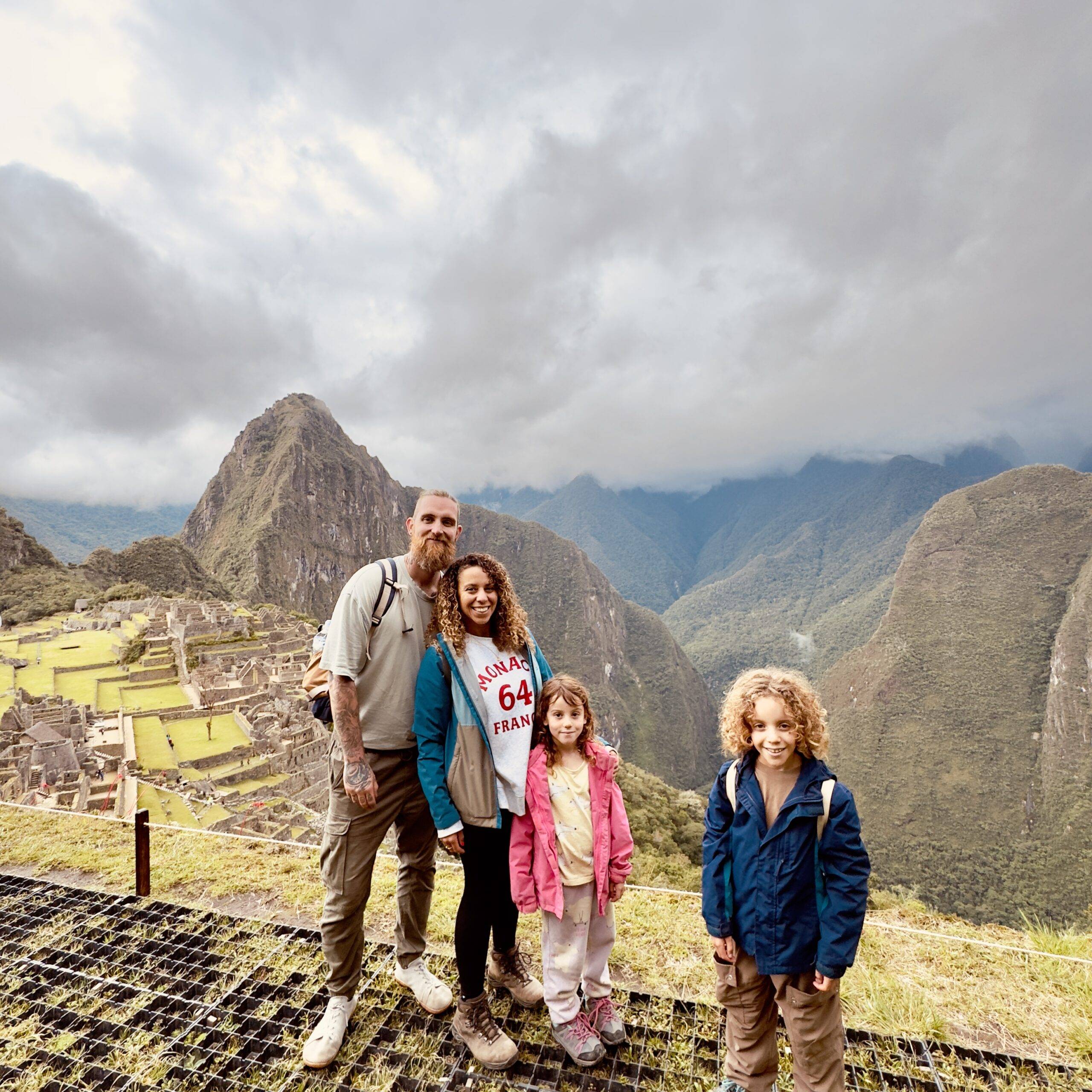
Why it’s #2: Cusco became our home base in Peru, and we kept returning to it. We spent six weeks here across multiple visits — staying a couple of weeks, leaving to explore elsewhere (Machu Picchu, Sacred Valley day trips, further south), then coming back.
Cusco works as a family destination because it offers something for everyone without overwhelming you. It’s a real city with cobbled streets, good museums, chocolate workshops, and a genuinely relaxed vibe once you acclimate. It’s also the perfect base for accessing the Sacred Valley, Machu Picchu, and the surrounding Inca sites.
What makes Cusco rank above other mountain cities is that once you’re over the altitude, it’s genuinely pleasant. The city itself isn’t aggressive or chaotic. It’s walkable. The people are friendly. And there’s enough variety that you can easily spend a month there without running out of things to do that suit your energy level on any given day.
What daily life felt like with kids: Cusco requires patience for the first 48–72 hours. Altitude hits. Everyone moves slowly. Headaches, mild breathlessness, and cranky moods are normal. We booked hotels for the first two days (instead of committing to a week-long rental we might hate), stayed near the Plaza de Armas, and did very little. We’d have a slow breakfast, walk 10 minutes, sit down, rest. Late afternoon walks to a park. Early dinner. Early bed.
By day four, you feel significantly better. By day ten, you feel fit. Once that passes, daily life is genuinely easy. We’d wake up, have breakfast at a café, walk around the old town (which is compact and beautiful), maybe visit a museum or workshop, lunch at a set menu restaurant (menus del día are everywhere and cost a few dollars), rest time, another walk, dinner. Nothing stressed us out.
The Sacred Valley, towns like Ollantaytambo, Urubamba, and smaller villages, is easy to access from Cusco. Rather than basing there, we did day trips or overnight trips. This worked better for us than staying in the Valley itself, which involved more logistics for kids. The Valley is stunning, but it felt less essential once we realized we could get there quickly for a hike or market visit and sleep in Cusco’s relative comfort.
What kids enjoyed: The interactive stuff. We did a chocolate-making workshop (Atticus and Aurelia loved it). We walked around the ruins and plazas. We sat in parks and watched people. We climbed some lower-altitude ruins with views. Atticus got into the history once a guide started explaining it. Aurelia was happy being outside and spotting animals (lots of stray dogs and cats, which she befriended constantly). Neither kid found the museums boring because we didn’t spend hours in them — quick visits, then out to move around.
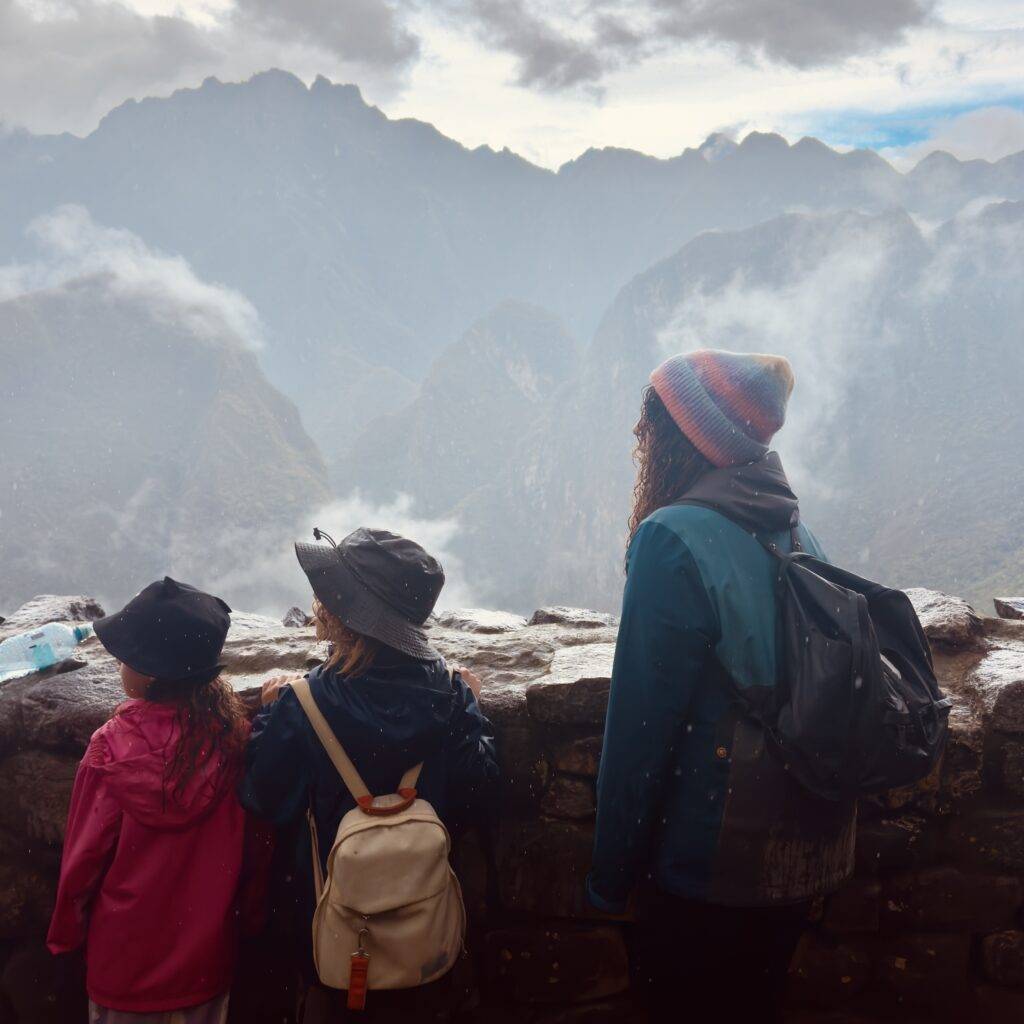
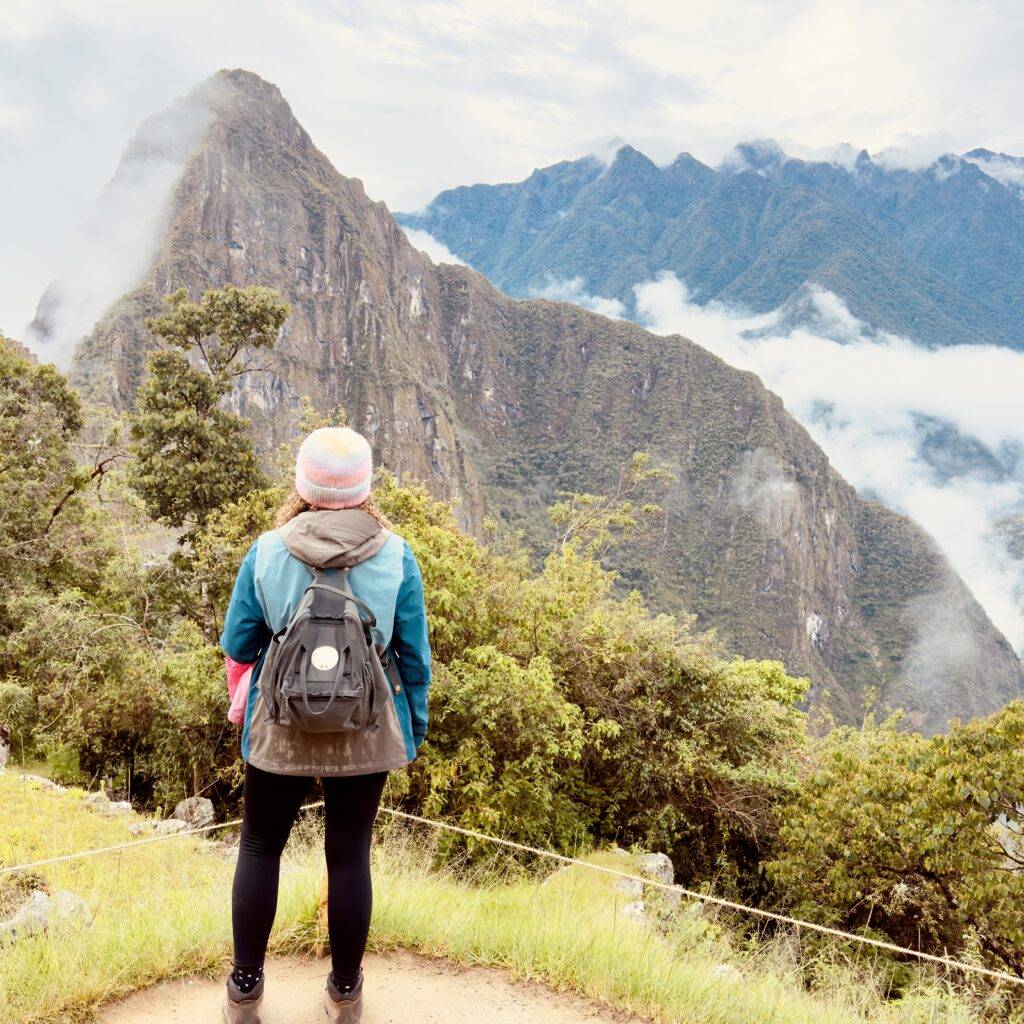
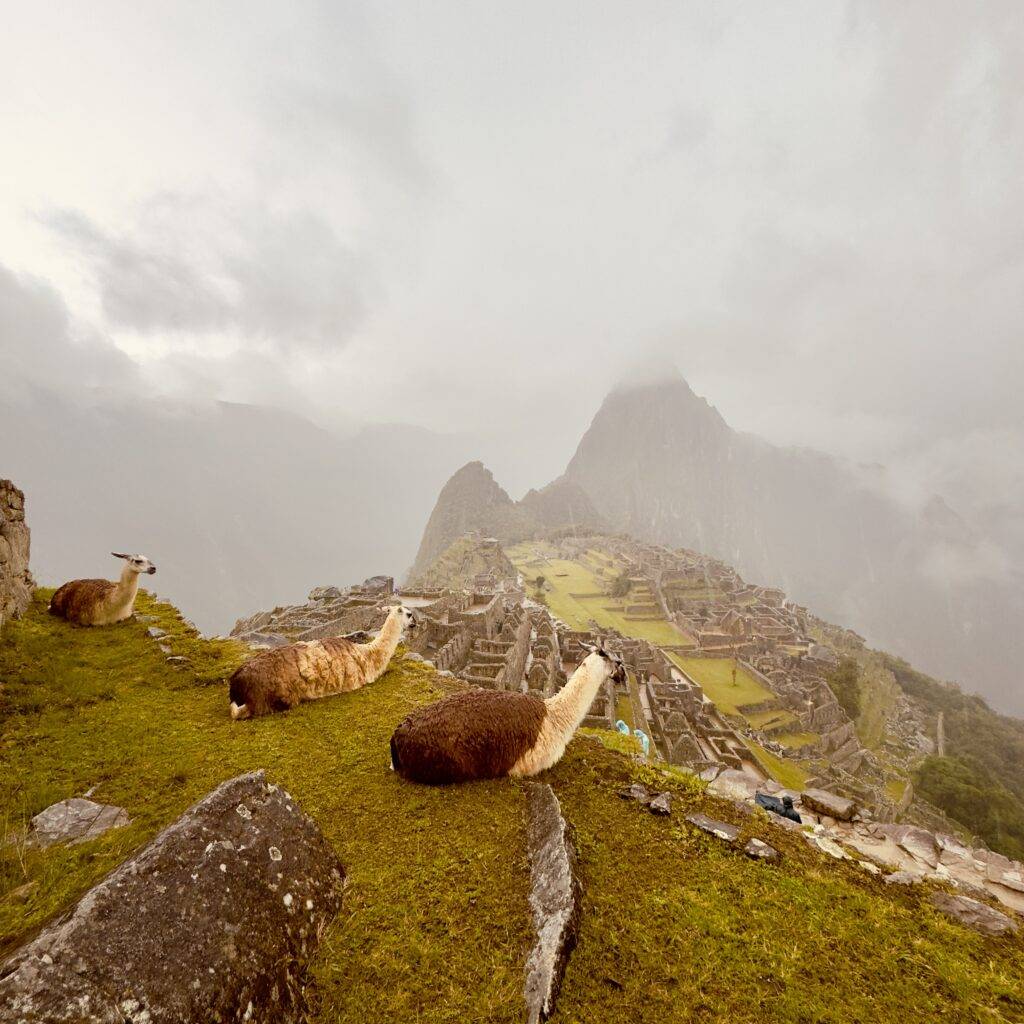
Machu Picchu itself (which we accessed from Cusco) was a full day, but it was doable because we’d acclimatized.
Safety and comfort level: Safe and comfortable. The Plaza de Armas area is touristy but not threatening. We used apps like Uber and InDrive for transport. During the day, walking around is fine. The only real caution is the altitude — but once you’re acclimatized, that’s not a safety issue, just an adjustment.
Costs: Moderate to budget-friendly. We spent $60–$90/day, including a rental apartment, food, activities, and getting around. Machu Picchu and its transport are additional costs, but they’re one-time expenses, not daily.
How long is actually enough: Three to four weeks is ideal if you want to do Machu Picchu, Sacred Valley hikes, and just live in the city without rushing. Two weeks works if you’re just doing the city and one day trip. We did six weeks across multiple visits because we kept leaving and coming back — it was worth it.
Who this place suits best: Families who’ve acclimatized enough to handle 3,400m, kids ages 6+, anyone interested in Inca history and culture, families wanting a real city experience (not just resorts), anyone planning to visit multiple mountain sites.
What we’d do differently: We did Arequipa and Colca Canyon (3-day trek) before coming to Cusco, and Arequipa’s altitude hit us hard. If we could redo it, we’d start in Cusco first, acclimatize fully, then do high-altitude trekking. Coming to Cusco after doing a 3-day trek at high altitude was exhausting. On the flip side, it meant we adapted fast.
#3: Lima

Why it’s #3: Lima is the easiest city in Peru to navigate with kids, and it’s essential if only for the food and museums. We spent a week there and it was exactly the right amount of time.
Lima doesn’t get as much family attention as Cusco or Machu Picchu, but it should. It’s a real, cosmopolitan city with excellent museums that are genuinely interesting (not boring), great food that kids enjoy, safe neighborhoods with parks, and reliable transport via apps. Compared to mountain cities, there’s zero altitude stress.
The trade-off is that Lima is Peru’s biggest city, it’s busier, noisier, more chaotic than Cusco or the coast. But “more chaotic” is relative. It’s still way easier to navigate than most major cities, and the tourist-friendly areas (Miraflores, San Isidro, Barranco) are clean, organized, and pleasant.
What daily life felt like with kids: We based ourselves in Miraflores (the safest, most family-friendly neighborhood). Daily rhythm was simple: breakfast at a café with a view, walk along the coastal cliffs (the malecón is stunning and safe), maybe hit a museum for an hour or two (but only if everyone was interested), lunch, rest time, another walk or exploration, dinner. Everything was walkable or a quick Uber away.
The city felt manageable in a way many capital cities don’t. Yes, there’s traffic and noise, but you’re not constantly stressed about safety or logistics.
What kids enjoyed: The museums. Lima’s museums are genuinely well-designed and not tedious. The Museum of Peruvian Art (MALI) has interactive sections. The Inca Museum is engaging if you’re interested in history. The Larco Museum has artifacts that were legitimately fascinating (even the museum’s sense of humor appealed to kids). More than the museums, though, the kids loved the malecón, the cliffside walk with parks, ocean views, and places to run around. We also found simple restaurants where staff were patient with kids, and the food was good enough that we genuinely looked forward to meals (not something we could say everywhere).
Safety and comfort level: Very safe in the right neighborhoods. Miraflores, San Isidro, and Barranco are all family-friendly and well-maintained. We used Uber exclusively and never felt uncomfortable. The usual big-city caution applies, watch belongings in crowds, don’t flash valuables, but it’s not paranoia-level stress.
Costs: Moderate. Lima is Peru’s most expensive city, but it’s still affordable. We spent $70–$100/day, which included better restaurants than we’d typically budget for elsewhere. Once you’re on the coast and in safe neighborhoods, prices are relatively transparent.
How long is actually enough: Five to seven days is perfect. It’s enough time to see the main museums, enjoy the food scene, relax on the malecón, and leave satisfied. A week doesn’t feel rushed. Two weeks would start to feel like you’re looking for things to do.
Who this place suits best: Families wanting a city experience without mountain stress, kids ages 5+, anyone interested in museums and culture, families wanting excellent food and reliable logistics, anyone with limited time who wants density of activities.
What we’d do the same: Everything. Lima was exactly what we needed.
#4: Ica & Huacachina
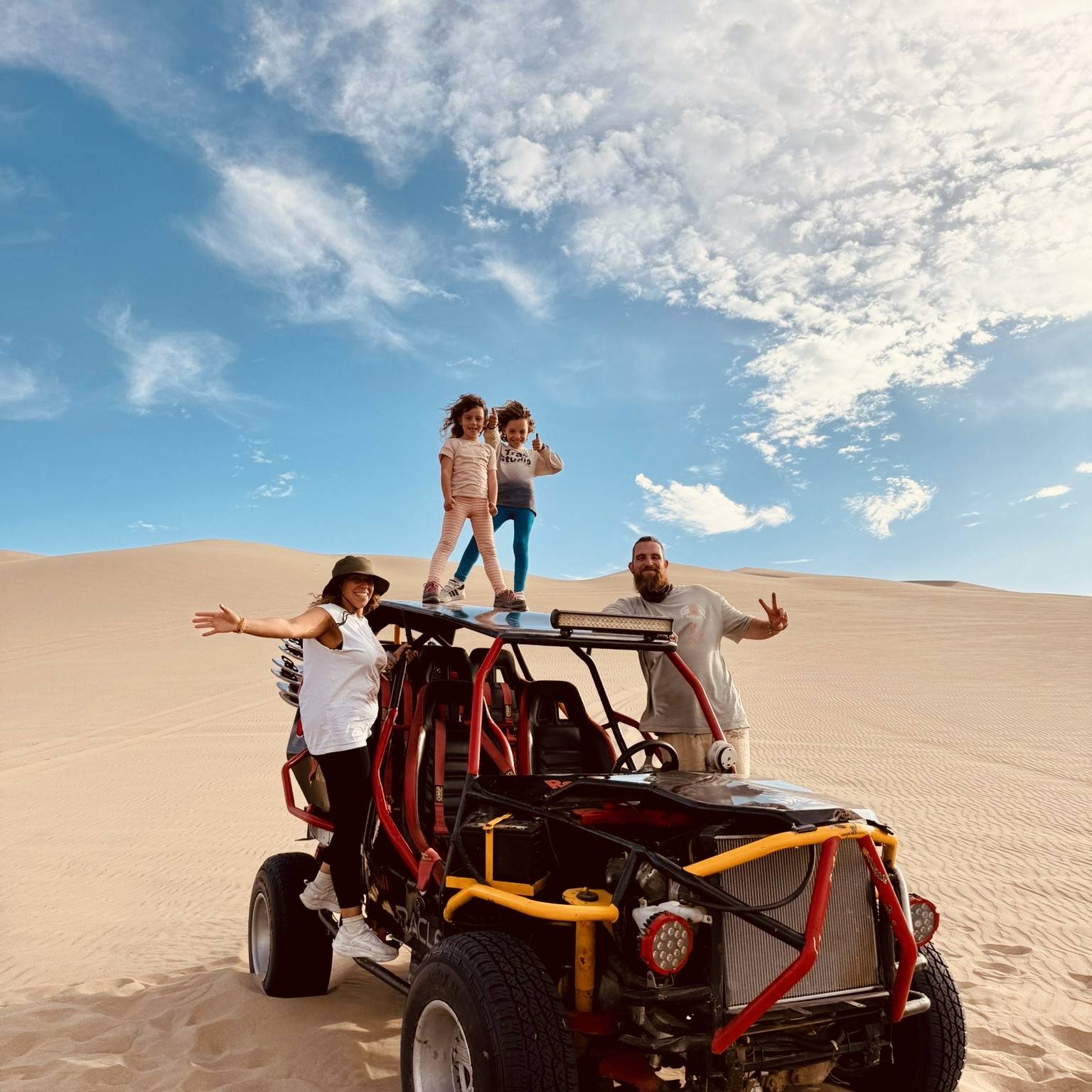
Why it’s #4 (strong contender, but not top tier): Sandboarding in Huacachina’s desert dunes was one of our kids’ absolute favorite experiences in Peru. We’ll never forget Atticus turning 8 with a sandboard under his feet and the desert turning gold at sunset. But here’s the thing: you don’t stay in Huacachina itself (it’s a tiny desert oasis). You base in Ica, a real town, and make day trips to the dunes.
So Ica & Huacachina work together as a package. Ica is a functional, unremarkable city with decent markets, normal restaurants, and quiet evenings. Huacachina is a wild, surreal day-trip destination. Together, they give you a good rhythm: quiet days in town, one or two big adventure days in the desert.
What daily life felt like with kids: Ica is utilitarian. We stayed in a simple Airbnb, ate menus del día (a full lunch for 30–40 soles), wandered the market, rested in the afternoons. There’s no pressure to do anything in Ica itself ,it’s there to provide a base. The real magic happens when you book a sandboarding tour (we booked through our Airbnb host, which was easy and trustworthy).
For the sandboarding day, we hired a private tour, 220 soles for our family of four for roughly 2–3 hours. You get picked up, driven to the dunes, given a sandboard or the option to bodysurf down the sand, ride in a buggy, and generally have a wild time. We timed it for late afternoon so we’d finish at sunset, which was genuinely stunning.
What kids enjoyed: The sandboarding itself was massive for both kids. Aurelia was nervous at first but got confident quickly. Atticus was immediately comfortable and wanted to do bigger dunes. Both found it thrilling in a way that felt real and achievable — not extreme, but genuinely fun. The buggies were exciting. The sunset was the cherry on top.
Safety and comfort level: Very safe. Ica is a normal Peruvian city, no safety concerns beyond the usual big-city awareness. The sandboarding tours are well-established and designed for families.
Costs: Budget-friendly. We spent roughly $50–$70/day in Ica, including the tour. The sandboarding tour at 220 soles was a significant activity cost but worth it for what we got.
How long is actually enough: Five to seven days. You need one or two days to rest and adjust, one or two for the desert activities, and a few calm days around town. A week is perfect. Any longer and Ica itself becomes a bit thin.
Who this place suits best: Families wanting an adventure experience that’s accessible for young kids, anyone interested in desert landscapes, kids who want something active but not extreme, families willing to base in a non-touristy town for the sake of one incredible day.
What we’d do differently: We’re happy with what we did here. The only thing would be to maybe add Paracas (a coastal reserve about 2.5 hours away) if you’re doing a longer stay in this region, but that’s an addition, not a change.
#5: Arequipa & Colca Canyon
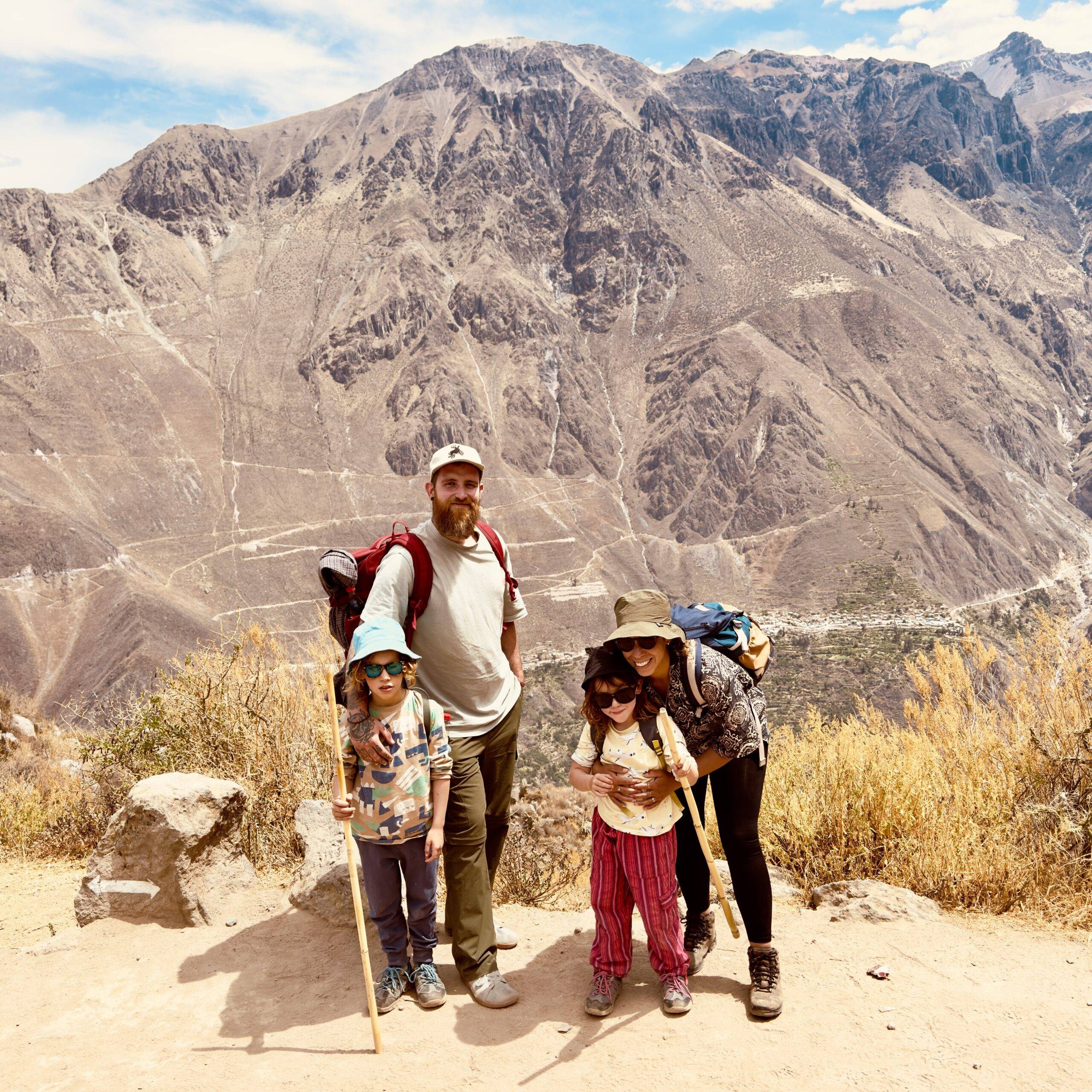
Why it’s #5 (strong but challenging): Arequipa is genuinely family-friendly and beautiful, a white-stone city with good museums, markets, and a lovely central plaza. The people are warm. The food is excellent. We spent two weeks there and enjoyed almost every day.
The challenge is that Arequipa is at 2,335m altitude, and if you add Colca Canyon to your visit (which many families do), you’re looking at a 3-day trek at even higher altitude (Colca sits around 3,000–4,000m depending on the specific hike). We did the full 3-day trek with Atticus (8) and Aurelia (6), and while it was doable, it was genuinely challenging for a 6-year-old.
We ranked it #5 because Arequipa itself is excellent, but Colca adds complexity that may not suit all families. If you’re skipping Colca, Arequipa would rank higher. If you’re committed to the Colca trek, prepare differently than we did.
What daily life felt like with kids: Arequipa was relaxed. The Plaza de Armas is beautiful and manageable. We’d have breakfast at a café, walk around, visit a museum or market, lunch, rest time, an evening walk. Nothing felt rushed. The city has a better rhythm than Cusco because it’s smaller and less intense.
Where it got demanding was Colca. We did a 3-day, 2-night trek. Day one was a long drive into the canyon, then a hike down (steep, uneven, demanding for little legs). We stayed in a basic lodge. Day two involved hiking up and down within the canyon (to see condors, viewpoints, etc.). Day three was the brutal slog out, a steep climb out of the canyon at altitude. Aurelia struggled. She didn’t complain much, but I could see she was working hard. Atticus managed better but was also exhausted.
The trek itself is beautiful and the condor-spotting experience is remarkable. But it’s a real trek, not a casual walk. If your 6-year-old is a strong hiker and loves nature activities, it could be fine. If they’re an average hiker or prefer gentler activities, it’ll be hard on them.
What kids enjoyed: Arequipa’s plazas and the market. The simple exploration. Aurelia particularly loved a museum that had interactive exhibits. The Colca trek itself offered amazing views and the condor experience was genuinely cool for both kids — seeing these massive birds soar overhead in their natural habitat is legitimately awe-inspiring. But enjoying the experience and finding it physically manageable are two different things.
Safety and comfort level: Safe. Arequipa feels secure, the trek has established guides and infrastructure, and the physical risk is low (you’re not rock climbing, just hiking steep terrain). The main risks are altitude and physical fatigue.
Costs: Budget-friendly. Arequipa itself is affordable ($60–$80/day). The Colca trek costs around 400–600 soles per person for the guide and basic accommodation, so we paid roughly 2,000 soles ($50–$60) for our family for three days.
How long is actually enough: Two weeks in Arequipa is good, that gives you several days to explore the city, time for the Colca trek, and recovery days. If you’re skipping Colca, one week is enough for the city itself.
Who this place suits best: Families wanting a real, non-touristy Peruvian city experience, kids ages 7+, families interested in trekking and nature (if doing Colca), anyone wanting excellent food and lower altitude than Cusco, families who’ve already acclimatized elsewhere.
What we’d do differently: We’d do Arequipa after acclimatizing in Cusco, not before. Coming here first, with no altitude adjustment, hit us harder than expected. Also, I’d be more honest with a 6-year-old about what Colca involves before starting — not to discourage them, but so they understand it’ll be challenging. We learned that Atticus thrives on knowing a challenge is coming. Aurelia would’ve benefited from knowing it was hard but doable.
Places That Sound Great But Are Hard With Kids
The Inca Trail
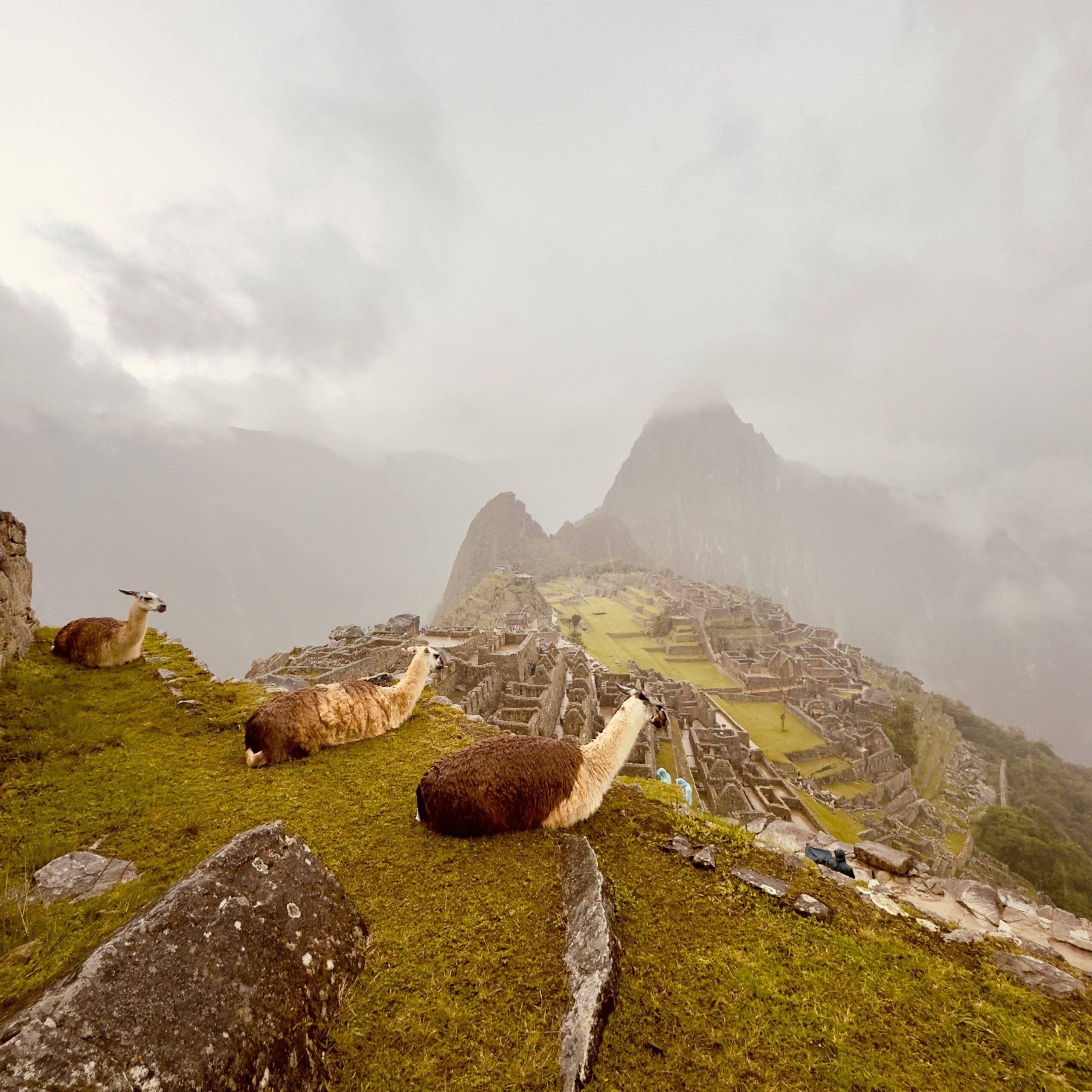
The honest take: Don’t do this with kids under 10. We skipped it, and we made the right call. The full 4-day Inca Trail is recommended for ages 12+, and that’s not conservative, it’s accurate. It’s a multi-day high-altitude trek with early mornings, lots of elevation gain, and nowhere to escape if your kid is having a hard day.
There’s a 1-day Inca Trail option that’s less intense and doable for older kids or adventurous 10-year-olds. But the classic 4-day trek? It’s genuinely difficult, and bringing a struggling 6 or 8-year-old through it would be miserable for everyone.
As an fyi we did the train there and back to Matchu pichu.
We also did Colca Canyon, and while that was hard, it was 3 days, not sure how the kids did it to be honest but they were always in front of us.
Lake Titicaca
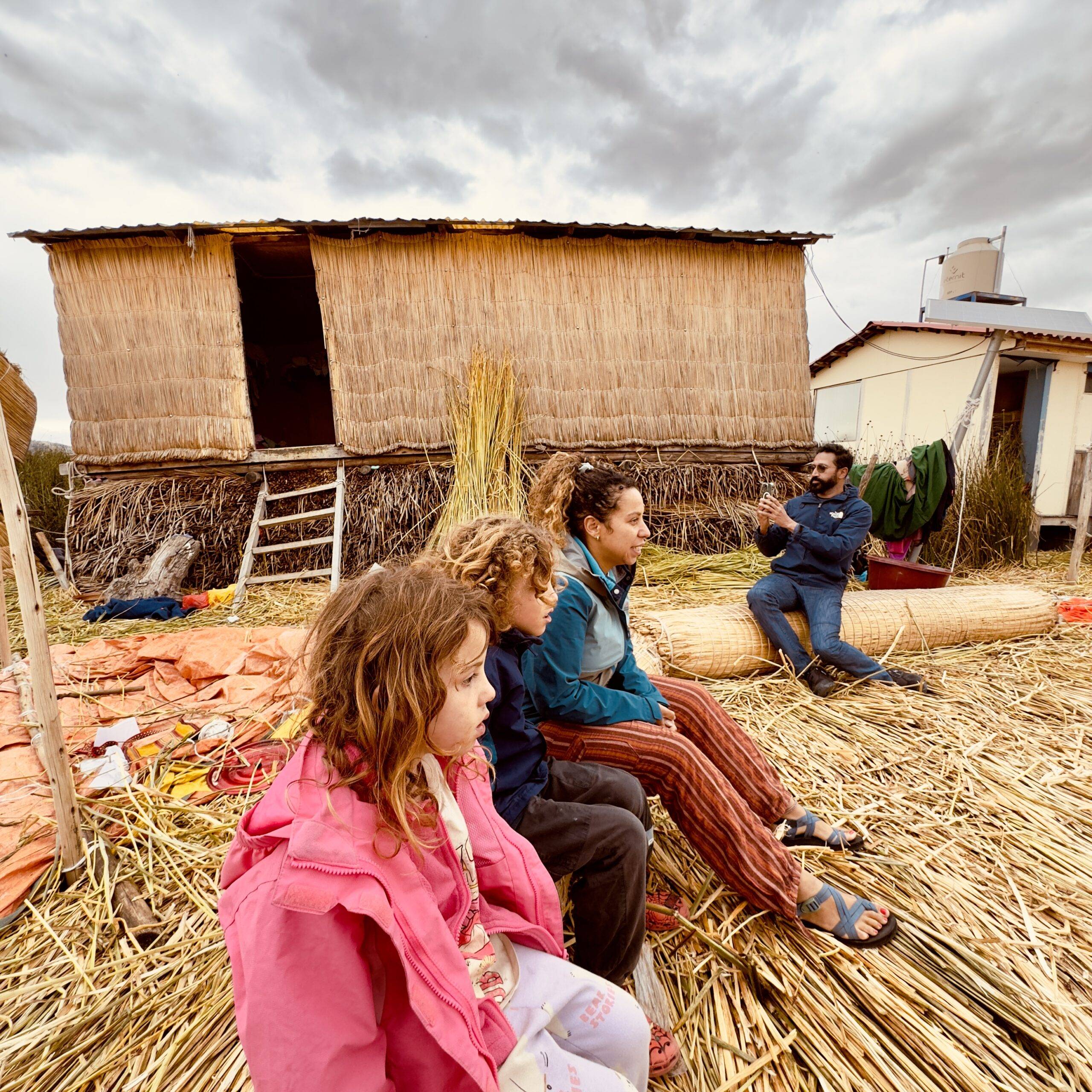
The honest take: It’s the world’s highest navigable lake, and it’s genuinely interesting. But getting there is a slog, and the actual experience can feel anticlimactic with kids.
Lake Titicaca is remote. Whether you’re coming from Cusco or Arequipa, you’re looking at a 7–10 hour journey for most families. Once you get there, the main activities are boat tours (to floating islands or archaeological sites) and staying in family-run accommodations on small islands. These are nice, but they’re quiet experiences that suit contemplative travelers more than kids who want action.
We did it still as it was part of the plan, but if we had the choice i dont think we would add it.
Amazon Tours
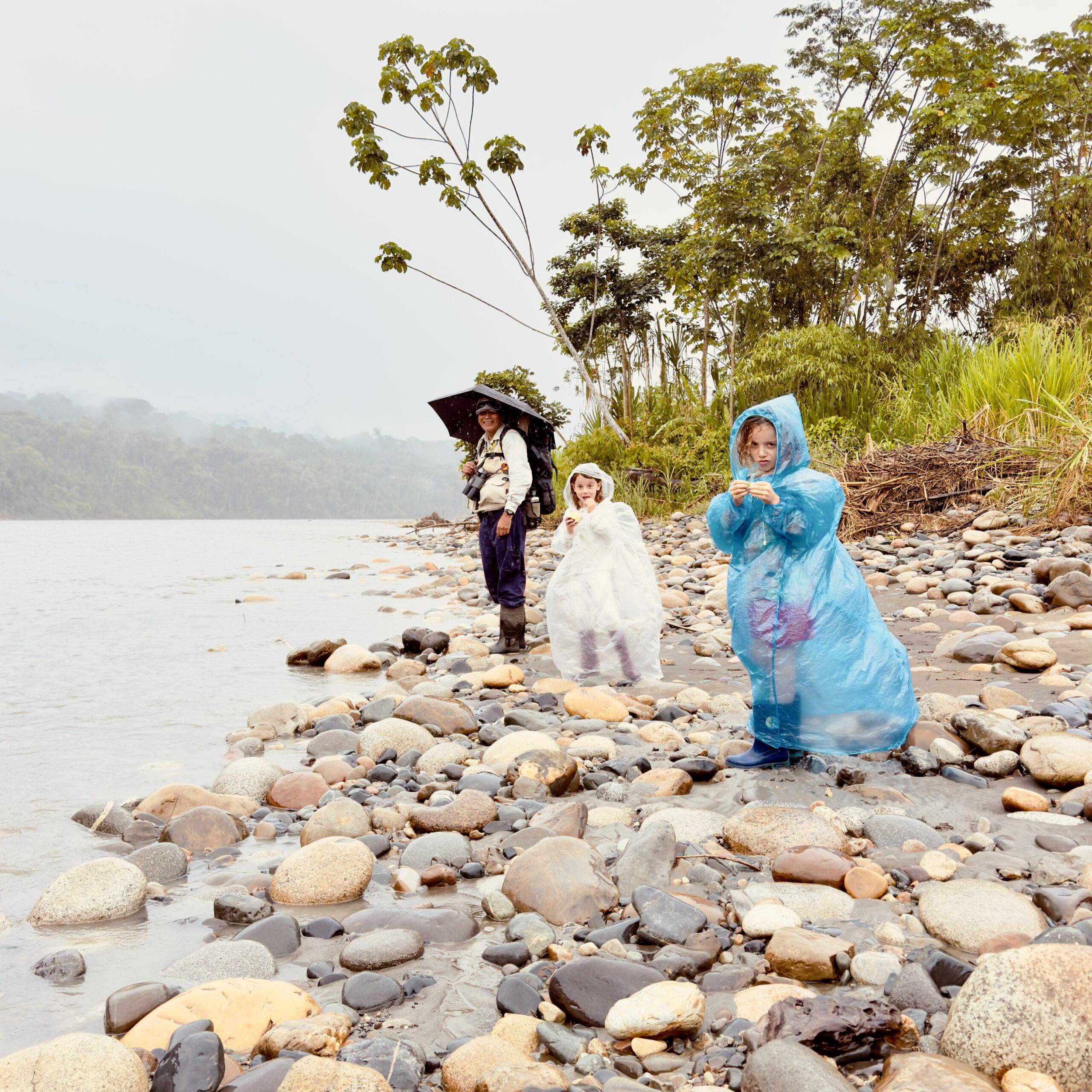
The honest take: We did this and it was hard. Amazon rainforest tours with young kids require serious logistics, significant expense, and a high tolerance for discomfort. The experience is genuinely unique, but it’s not automatically magical for kids.
Our 4-night jungle lodge stay involved: a long flight to a small airport, boat rides into the jungle, staying in a basic lodge (decent, but basic), guided walks through dense forest (slow, hot, sometimes boring if you’re not spotting animals constantly), nights listening to jungle sounds (romantic for adults, sometimes scary for kids), and limited activities that suit young travelers.
Atticus and Aurelia got something out of it, seeing monkeys and birds was cool. But a lot of the experience was just walking through forest where you can’t see much, and sitting still waiting for wildlife. For kids who thrive on beaches, ruins, and obvious landmarks, the Amazon can feel like a lot of effort for subtle payoff.
We’d say: if your family includes kids ages 7+, you’re fine with heat and humidity, and you’re genuinely interested in wildlife and nature, go. But if you’re going because “you should,” skip it as its not cheap.
Sacred Valley as a Base
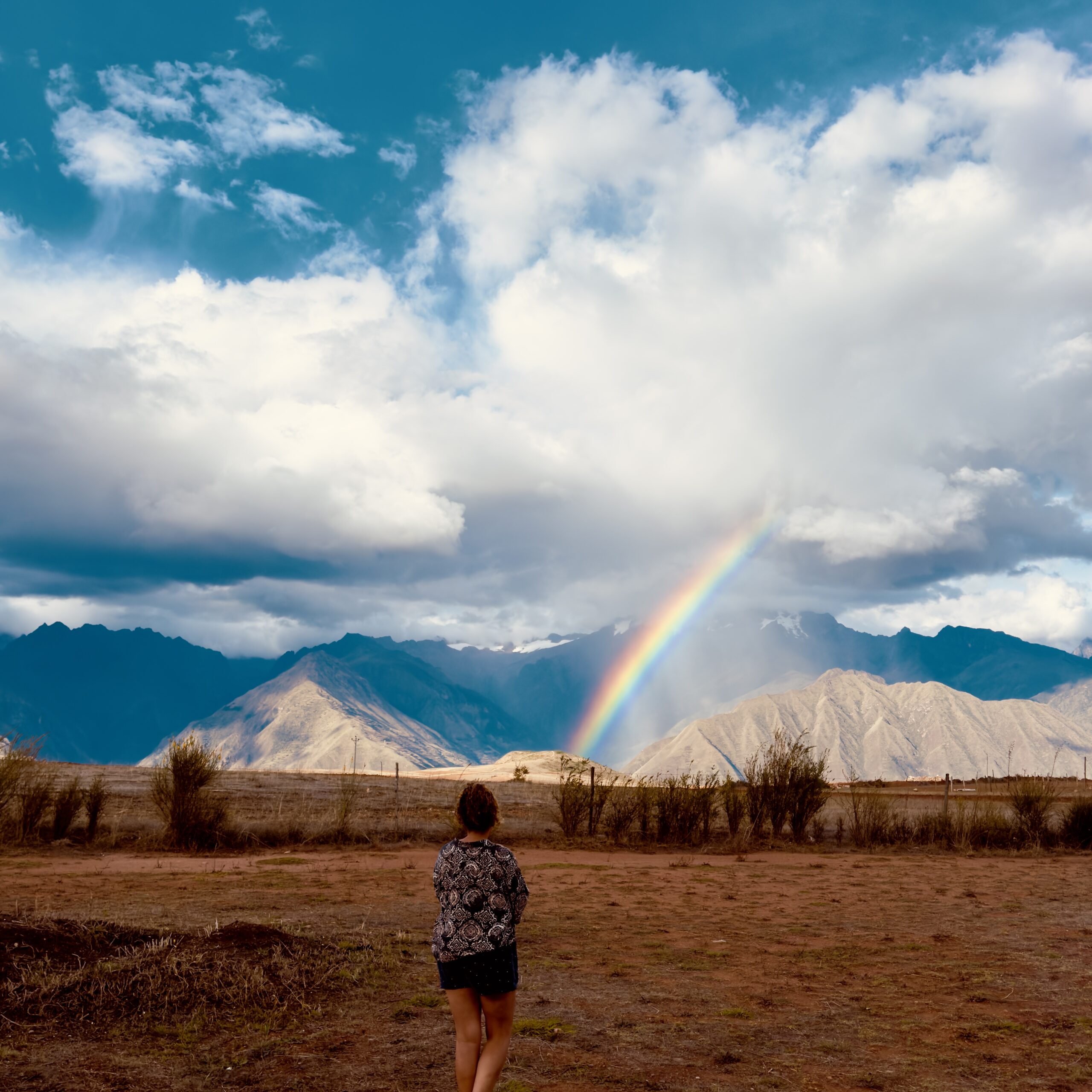
The honest take: The Sacred Valley is beautiful, dramatic mountains, Inca ruins, alpacas, markets, all genuinely picturesque. But basing your family there (rather than using it for day trips from Cusco) adds unnecessary logistics.
Many families choose to stay in Ollantaytambo or another Valley town, thinking they’ll access the sites more easily or have a more “authentic” experience. In practice, you’re doing more walking to get places, dealing with higher altitude, and potentially feeling isolated if your accommodation isn’t perfectly positioned.
We stayed in Cusco and did Sacred Valley day trips. It was better. We had Cusco’s infrastructure, restaurants, and comfort, and we could do a hike or market visit and be back for a relaxed evening.
If you’re doing a multi-week stay and really want to base in the Valley, it can work. But for most families, Cusco + day trips is smarter.
How Long You Really Need in Peru With Kids
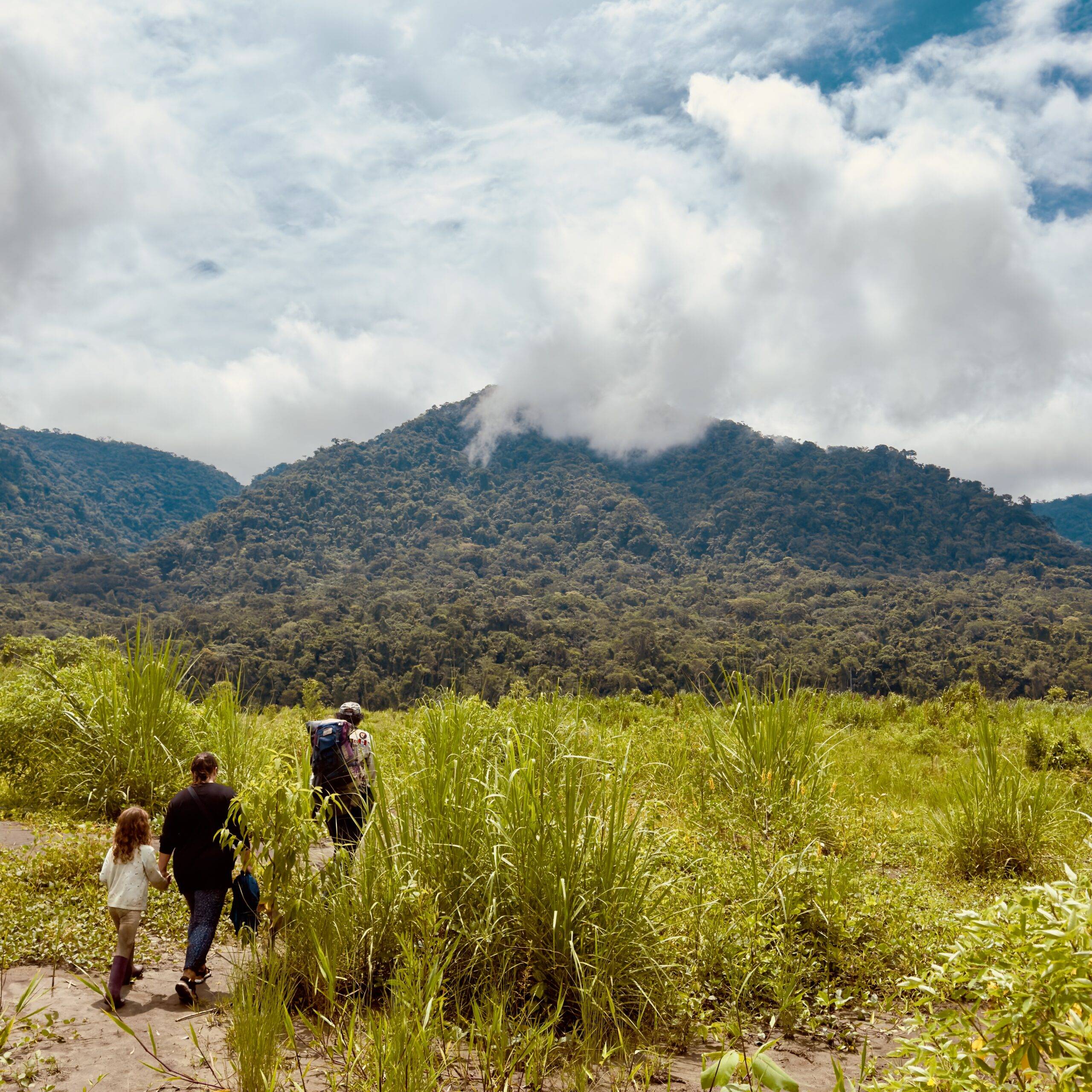
Minimum viable trip: Two weeks. One week on the coast (Máncora or similar) to acclimatize, then one week in Cusco/Sacred Valley to see Machu Picchu. Doable, not rushed, but you’re making trade-offs.
Ideal pacing: Four to five weeks. Two weeks on the coast (coast → acclimatize → start exploring), two weeks in Cusco/Sacred Valley/Machu Picchu (enough time to acclimatize and explore without rushing), one week exploring another region (Arequipa, Ica, Lima) depending on your interests.
Long-term slow travel: Six to eight weeks or more. This is what we did, and it’s where Peru really opens up. You can spend 2–3 weeks in Cusco (going back multiple times), two weeks on the coast, two weeks exploring Arequipa/Colca, a week in Ica, a week in Lima. You’re not rushing. You’re living, adjusting, sometimes staying longer if something clicks, sometimes leaving earlier if it doesn’t.
Why rushing hurts family trips: Peru involves logistics. Altitude changes. Acclimatization. Long bus rides. Weather delays. If you give yourself barely enough time, any small disruption throws off your whole plan. With kids, you need buffer.
We spent six weeks in Cusco (spread across multiple visits), and each time we went back, we found something new and the kids were more confident. That wouldn’t have happened if we’d done two days and moved on.
Is Peru Safe for Families? Honest Take
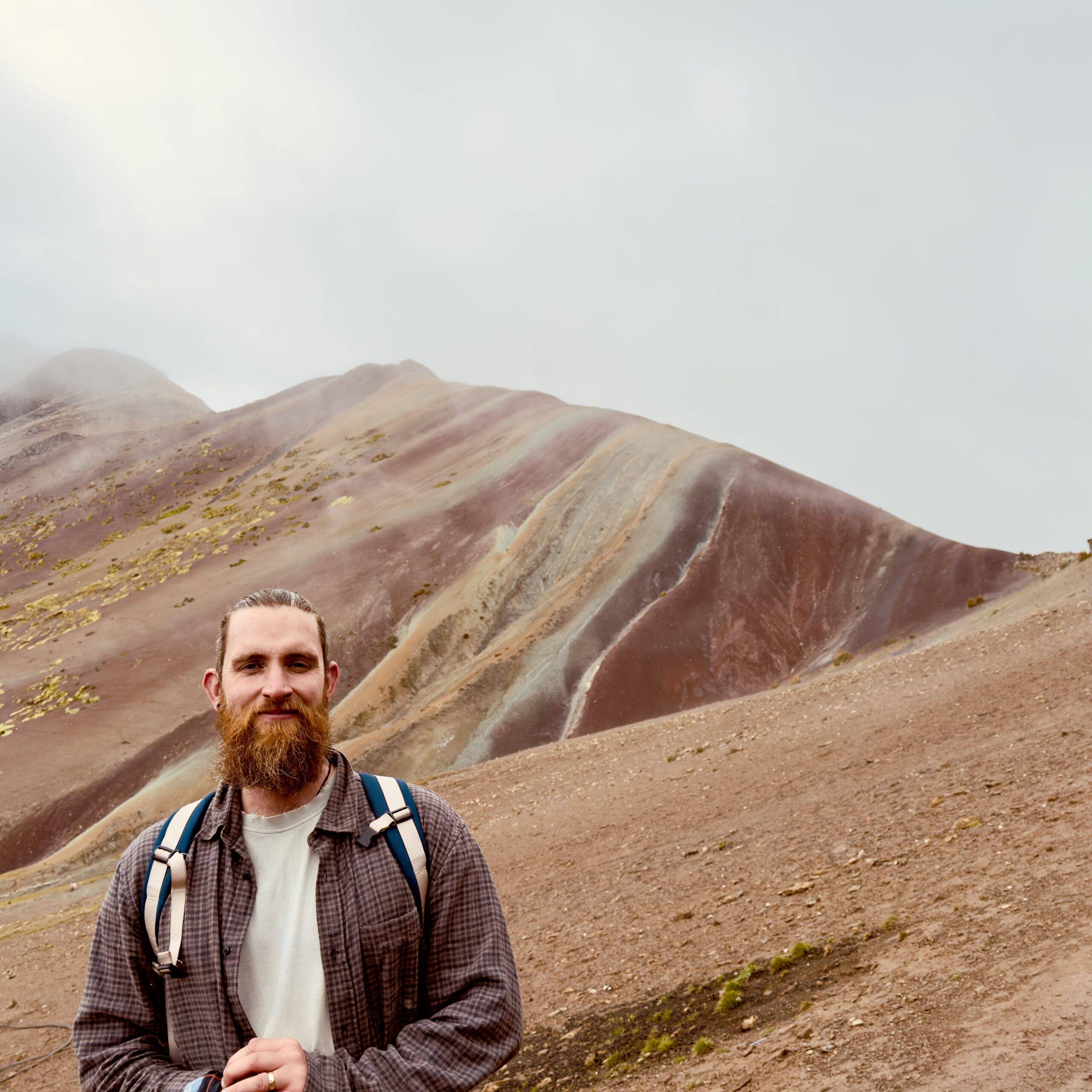
Short answer: Yes, Peru is safe for families in the right places. We felt consistently safe throughout our three months.
Longer answer: Safety varies by region. Lima, Cusco, and the tourist corridors are genuinely safe for families who use basic sense. The coast is safe. Remote areas of the Amazon require more caution, but established lodges and tours are fine. Small towns are often safer than big cities.
Regional differences:
Lima: Safe in Miraflores, San Isidro, and Barranco. Unsafe in areas you wouldn’t go anyway. Use Uber, not street taxis. Watch belongings in crowds. We felt fine day and night in the right neighborhoods.
Cusco: Very safe. The historic center is populated, well-lit, and touristy. During the day, it’s as safe as any city. At night, stick to the main areas and use apps for transport. We had zero safety concerns.
Coast (Máncora, Huanchaco, etc.): Very safe. These are established beach towns with tourist infrastructure. Nothing paranoia-inducing.
Mountain regions (Sacred Valley, Arequipa): Safe. These are quiet, less-touristed areas, which often means safer. The main caution is logistics (getting lost, not being in a rush) rather than crime.
Amazon: Safe in established lodges and tours. Your biggest risks are nature (bugs, weather, wildlife encounters) rather than crime. Just go with reputable operators.
What made us feel comfortable:
Using apps (Uber, InDrive, Cabify) rather than flagging taxis meant transparent fares and traced journeys. Not flashing valuables or large amounts of cash. Being aware in crowded places (markets, bus terminals) but not paranoid. Trusting our gut if somewhere felt off. Keeping copies of important documents separate from originals.
We never felt that persistent unease you get in cities with real crime problems. We felt normal big-city caution.
What parents should realistically prepare for:
Altitude adjustment (not a safety issue, just an adjustment). Long bus rides. Delays caused by weather or logistics (not dangerous, just patience-testing). Dealing with street vendors and people trying to upsell you (persistent but not threatening). Occasional stomach upset (bring Imodium). Basic travel precautions that apply anywhere.
What We'd Do Differently Next Time
Book a hotel for the first 1–2 days and get a feel for a place before committing to a week. We learned to resist committing to a week-long rental the moment we arrived somewhere new. Instead, book two nights in a hotel, explore, feel the vibe, and decide if you want to stay or leave. Then commit to a longer rental if it’s right. We wasted money on a couple of longer rentals we wished we’d cut short.
Don’t stay somewhere just for the sake of it. This was our biggest learning. We’d plan to stay two weeks in a place, and by day ten, we’d realized we’d seen everything and were filling time. Once you’ve had that moment (“okay, we’re done here”), leave. The freedom to say “we’re moving on” was more valuable than sticking to a plan.
Mix rest days with exploring days. We learned that the ideal rhythm for us was: explore day, rest day, explore day. This meant we never felt rushed, the kids didn’t get overstimulated, and we actually retained memories of what we’d seen instead of blurring together. If you’re doing a six-week trip, you don’t need to optimize every day.
Do Arequipa/Colca after acclimatizing in Cusco, not before. Coming to high altitude, doing a 3-day trek, and then acclimatizing in Cusco felt backward. We’d have been stronger and more confident if we’d reversed the order.
Test-drive a place for a week before committing to longer. Related to the first point — we learned that one week in a place often showed us whether two weeks made sense. If we loved it after a week, we’d extend. If we were ready to leave, we left.
Have a plan for kid downtime, but keep it flexible. We brought tablets for long bus rides and rainy days, but we didn’t rely on them. Sometimes the best moments happened because we were bored and just wandered the neighborhood. Don’t overplan entertainment.
Book guides for historical sites. This made Machu Picchu and Colca Canyon genuinely better for the kids. Having someone explain the history, rather than just wandering around, made the experience feel less like “old rocks” and more like a story.
Final Verdict: Is Peru Worth It for Families?
Yes. Absolutely.
But with caveats.
Peru is worth it for families who want culture, history, and nature without excessive expense. It’s worth it for kids ages 6+. It’s worth it if you’re willing to go slowly, acclimatize properly, and sometimes just sit on a beach doing nothing. It’s not worth it if you’re trying to hit every UNESCO site in two weeks or if your family hates long bus rides and logistics. Peru travel highlights for adventure seekers can be found in the breathtaking Sacred Valley and the thrilling trek to Machu Picchu. With opportunities for hiking, zip-lining, and exploring the Amazon rainforest, adventurous families will find plenty to keep them engaged. Don’t forget to experience the vibrant local culture through culinary classes or traditional festivals that showcase the rich heritage of Peru.
Who Peru is amazing for:
Families interested in history and culture. Kids who like hiking, nature, and outdoor exploration. Slow travelers who don’t mind spending 6+ weeks in a country. Families wanting good value for money. Anyone interested in learning about the Inca empire or pre-Columbian civilizations. Kids ages 6+. Parents willing to prioritize the experience over the itinerary.
Who should wait or skip:
Families with kids under 5 (the logistics are harder, and the experience is less interactive). Anyone needing maximum comfort (Peru’s infrastructure is good but not seamless). Families who need constant action and can’t enjoy downtime. Anyone with limited time (less than two weeks) unless you’re just doing Lima + Cusco/Machu Picchu. Families who struggle with altitude or uncertainty. When planning a trip, it’s essential to consider accommodations that cater to the unique needs of families. For those seeking the best family hotels in Cusco, many options provide amenities that ensure both comfort and fun for children of all ages. Additionally, selecting the right hotel can greatly enhance your family’s overall experience in this historic city.
How to make it work:
Start on the coast. Spend time there. Don’t rush to the mountains. Once you’re mountain-bound, do Cusco first — it’s your acclimatization base and your best base for accessing everything else. Give each place at least a week. Don’t fill every day with activities. Build in rest days. Book guides for big sites. Use apps for transport. Eat the menus del día. Say yes to things that sound fun, even if they’re not on your list. Say no to things that don’t feel right, even if they’re famous.
Peru is a place where slow travel pays off. Rushing through it defeats the point.