Visiting Machu Picchu With Kids: An Honest Family Guide
Visiting Machu Picchu with kids is absolutely possible, but only if you understand what the day at Machu Picchu actually looks like. We visited Machu Picchu as a family of four with children aged 6 and 8, travelling from Cusco by bus and train in a single long day. This guide shares exactly how we did it, what worked, what didn’t, and how to decide if you should visit Machu Picchu with your family when travelling Peru.
If you’re specifically researching visiting Machu Picchu with kids (or Machu Picchu with children), this is the real version: timing, energy, logistics, and the stuff you only learn once you’re actually going to Machu.
Updated: December 2025
Visited: Machu Picchu, Peru (Dec 2025)
Family travel, long-term route through South America
What You’ll Learn in This Guide
- Whether Machu Picchu with kids is realistically doable (without ruining everyone’s mood)
- The exact route we took from Cusco in a single day (train + bus)
- Which Machu Picchu circuit works best for families
- What the day actually feels like with children (timing, energy, logistics)
- Why hiring a guide made a huge difference for our kids
- What Machu Picchu really cost our family of four (tickets, transport, guide)
- Common mistakes families make, and how to avoid them
Is Machu Picchu Worth Visiting With Kids?
Machu Picchu is one of those places parents hesitate over, not because they don’t want to go, but because they’re not sure it’ll be worth it with kids. The early starts, the cost, the logistics, the altitude. It’s easy to wonder whether it’s better saved for “another time.”
For us, travelling Peru with an 8- and 6-year-old, Machu Picchu with kids wasn’t effortless, but it was worth it. Well compared to the 3 day Colca Canyon trek it was effortless.
What made the difference wasn’t trying to squeeze it into a packed itinerary or treating it like a box to tick. We gave it space. We planned carefully. And once we were there, it felt less like a stressful highlight and more like a shared experience we could actually enjoy together.
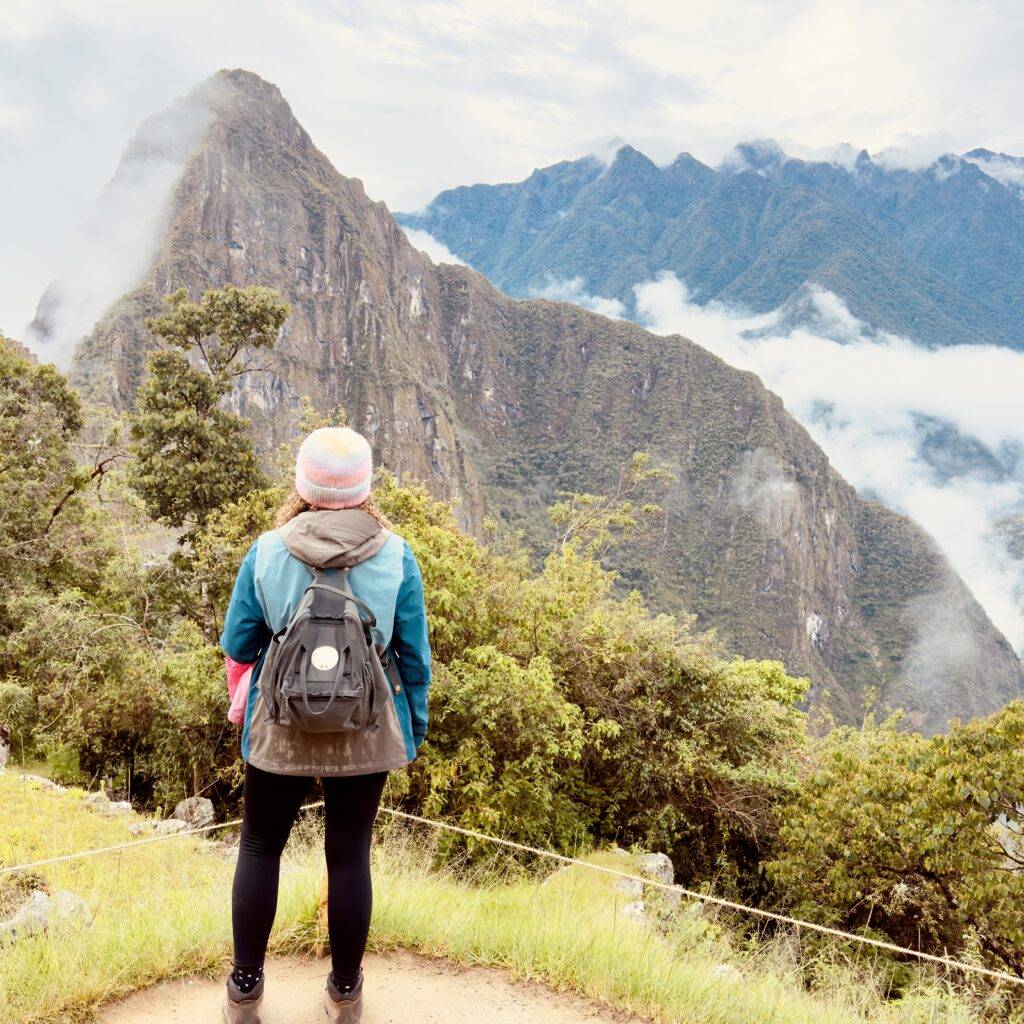
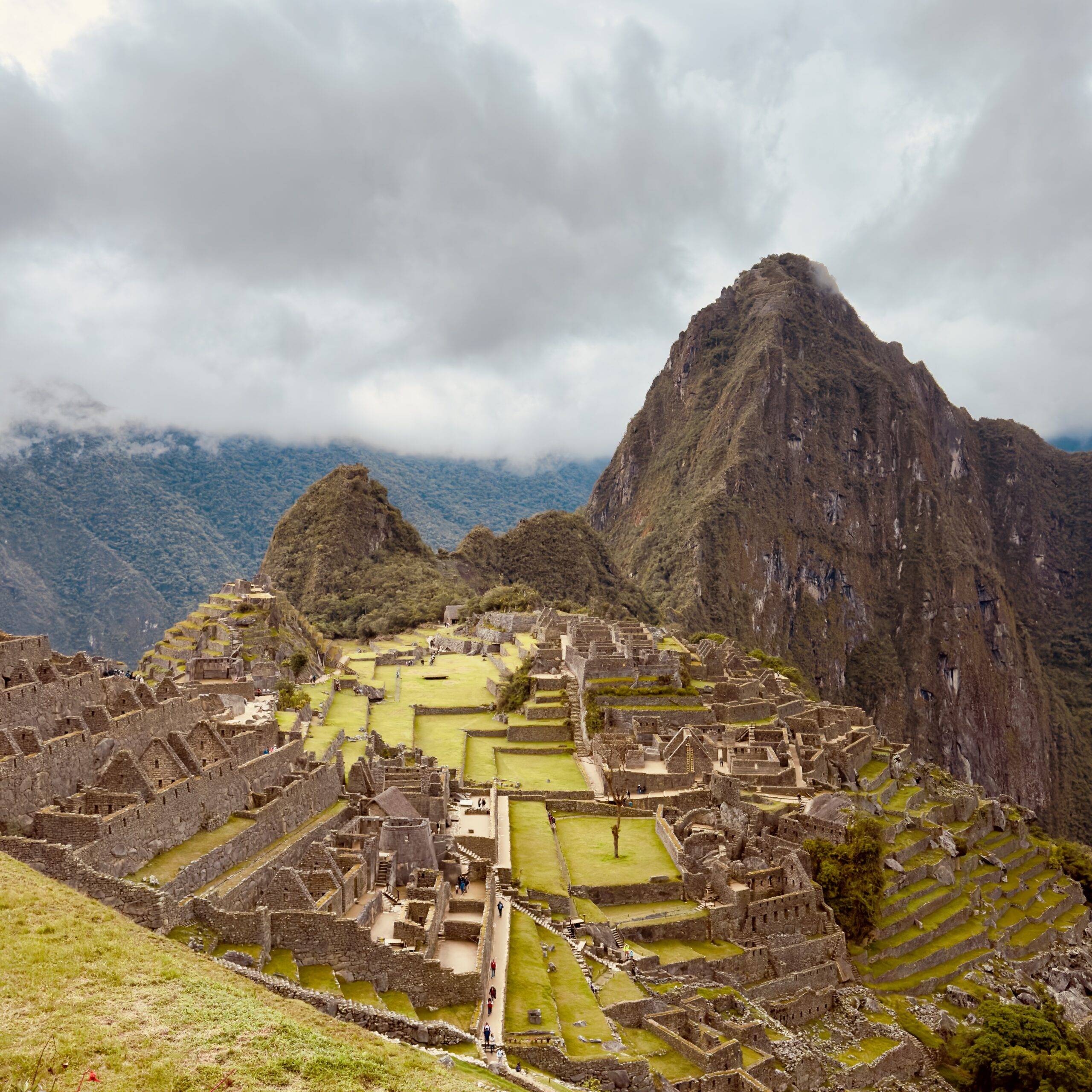
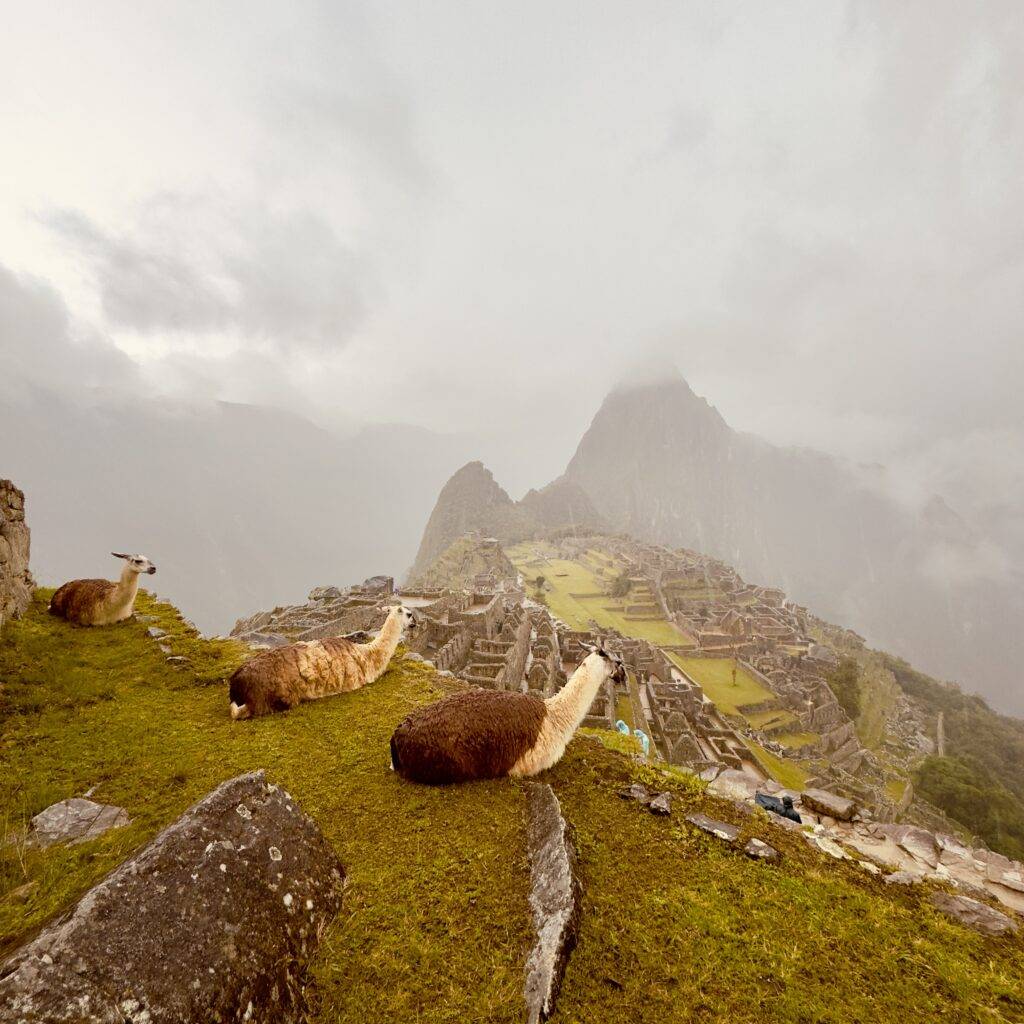
The scale of the place landed in a way photos never do. The kids were genuinely impressed, not just for five minutes, but throughout the visit, especially once the story behind it started to make sense. Having a guide helped massively with that. This wasn’t a “walk around some ruins” moment. It felt like stepping into something real and layered, an Inca story you can actually stand inside.
That said, Machu Picchu isn’t automatically right for every family.
If your kids struggle with early mornings, long travel days, or get overwhelmed by crowds, it takes more planning to make it enjoyable. It’s not a casual half-day outing. But if you’re already in the Cusco or Sacred Valley region, and you’re willing to pace it properly, Machu Picchu becomes far less intimidating than it looks on paper.
For us, it wasn’t just one of the highlights of Peru, it was one of the moments that justified the effort of travelling the country with kids in the first place, a true wonder of the world, and part of the new seven wonders / seven wonders of the world conversation for a reason.
What Age Is Machu Picchu Best For? Machu Picchu With Kids by Age
Machu Picchu works very differently depending on how old your kids are. The site itself isn’t dangerous or extreme, but it does require patience, walking, and the ability to stay engaged for a few hours, which matters far more than age on paper.
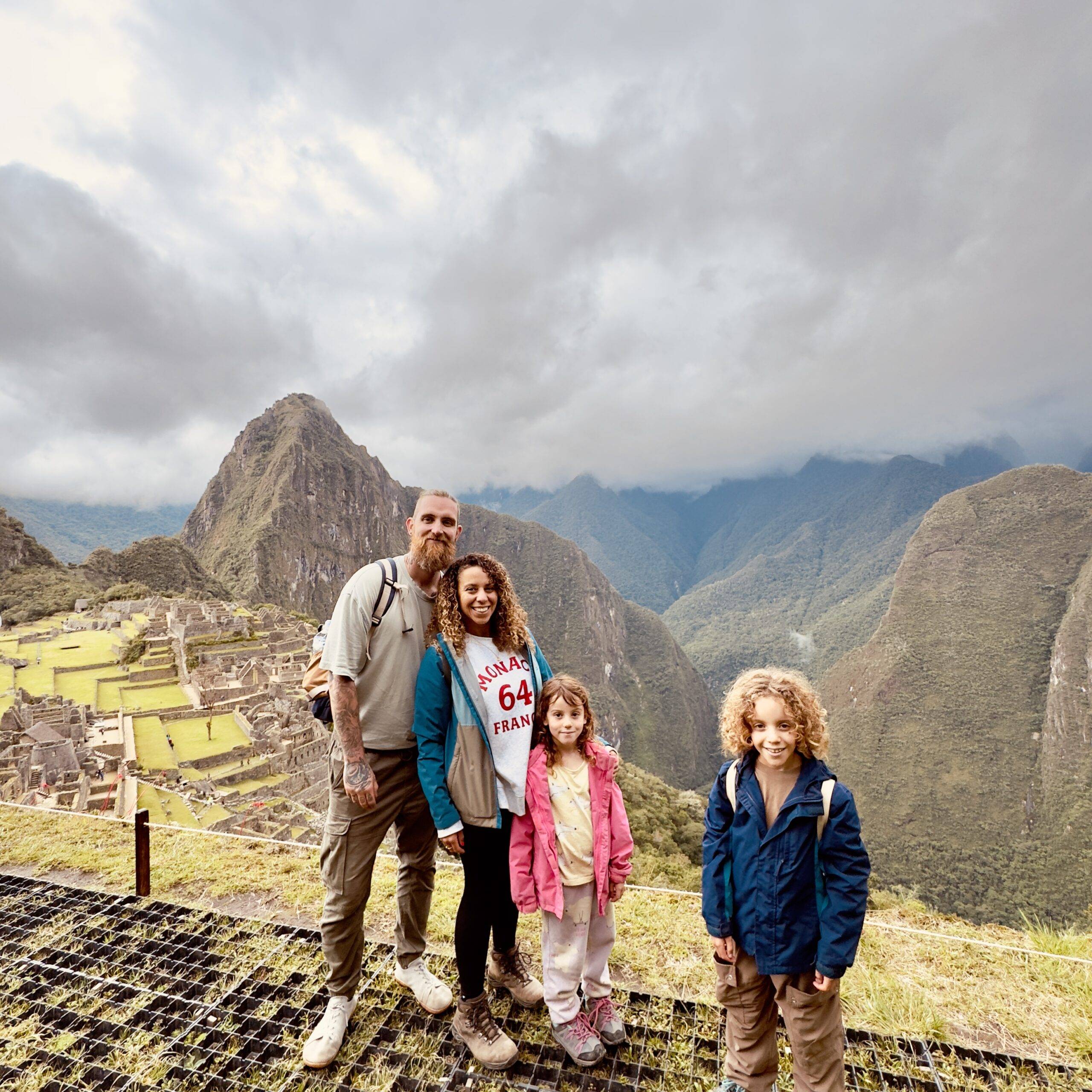
For our kids (8 and 6), it hit a sweet spot.
They were old enough to walk the full route without being carried, follow instructions from the guide, and stay interested once the story started to unfold. They didn’t need constant entertainment, but they still had enough curiosity to ask questions and notice details, which made the experience feel shared rather than managed.
Best Age Range for Machu Picchu With Kids
Ages 6–10
This is where Machu Picchu really starts to work well.
Kids in this range tend to:
Walk comfortably for a few hours
Understand basic historical stories (the history of Machu Picchu, the Inca empire, why the site matters)
Cope better with structured tours
Handle early starts if they know something special is coming
This was our experience exactly. The walking felt manageable, the guide’s explanations held their attention, and the sense of scale genuinely impressed them.
Younger than 5 (Machu Picchu With a Baby or Toddler)
Possible, but much harder and this is where parents often ask about Machu Picchu with a baby, a baby or toddler, or a 4 year old.
The site involves:
A lot of uneven stone steps
Very limited places to sit
Strict routes with no shortcuts
Little flexibility once inside
Carriers are essential, and even then, it’s more about the adults’ experience than the child’s. For many families, this is where Machu Picchu becomes something to endure rather than enjoy. (Also worth noting: children under 6 can sometimes have different ticket rules depending on the ticket type, but you still need to plan the day like it’s full-length.)
Older Kids & Teens (including 12 years old)
While we haven’t travelled Peru with teens yet, it’s easy to see why this age group does well here. Once history connects properly, Machu Picchu stops being “old ruins” and starts feeling meaningful. Teens also cope better with early mornings and long days — a 12 years old child usually has the stamina and attention to get a lot out of it.
One Thing That Matters More Than Age
What mattered more than age for us was pacing.
Kids who are:
Well-rested
Not rushed through multiple travel days
Given time to ask questions and stop
almost always enjoy Machu Picchu more than kids who are younger but overtired.
How to Get to Machu Picchu With Kids (Our Exact Route)
This was the part that took us the longest to figure out. Not because it’s impossible, but because there are too many options, and very little of the advice online is written with families in mind.
After days of comparing routes, timings, and how realistic each option felt with kids, this is what we landed on and it worked.
The Route We Chose (And Why) – Trip to Machu Picchu
We chose to travel with Inca Rail, using Route 2, starting from Cusco and traveling via Ollantaytambo to Aguas Calientes.
It wasn’t the cheapest trip to Machu Picchu, but for a family of four, it struck the best balance between:
Time
Comfort
Predictability
Kid tolerance
Also Read: Sacred Valley With Kids
The Reality of the Travel Day
This is what the day actually looked like for us, no glossing over the early start.
4:00am wake-up
Yes, it was early. Painfully early. But we framed it as a “special day” rather than a chore, which helped a lot. Kids slept on the bus.
Cusco → Ollantaytambo (Bus – ~2 hours)
Inca Rail organised the bus transfer. The kids slept for most of this stretch, which was a big win. Roads are winding, but the bus was comfortable and felt well-managed.
Ollantaytambo → Aguas Calientes (Train – ~1.5 hours)
This was the highlight of the journey for the kids.
Large windows, river views, mountains rushing past, it didn’t feel like transport, it felt like part of the experience. After days of bus travel around Peru, the novelty alone made this section enjoyable rather than draining.
If you’re choosing between routes with kids, this train ride matters more than you think. Some families take the train from Cusco, but we found the train from Ollantaytambo simpler and more predictable.
(For reference: this is where “trains to Machu Picchu” timing can make or break a family day.)
Why We Didn’t Try to “Hack” the Route
You’ll see advice suggesting:
Doing it cheaper
Doing it faster
Doing it in one push
With kids, those options usually come at the cost of energy and mood.
We deliberately avoided:
Overnight connections
Tight transfer windows
Anything that relied on “perfect timing”
Machu Picchu isn’t forgiving if something goes wrong. Removing stress from the approach made the actual visit far more enjoyable.
Would We Do This Route Again?
Yes, without hesitation.
The early start was tough, but everything after that flowed smoothly. The kids were excited, not overwhelmed, and by the time we reached Aguas Calientes, it felt like we were arriving ready, not already exhausted.
That mattered more than saving money or shaving off an hour.
Aguas Calientes With Kids: Handling the Wait Without Staying Overnight
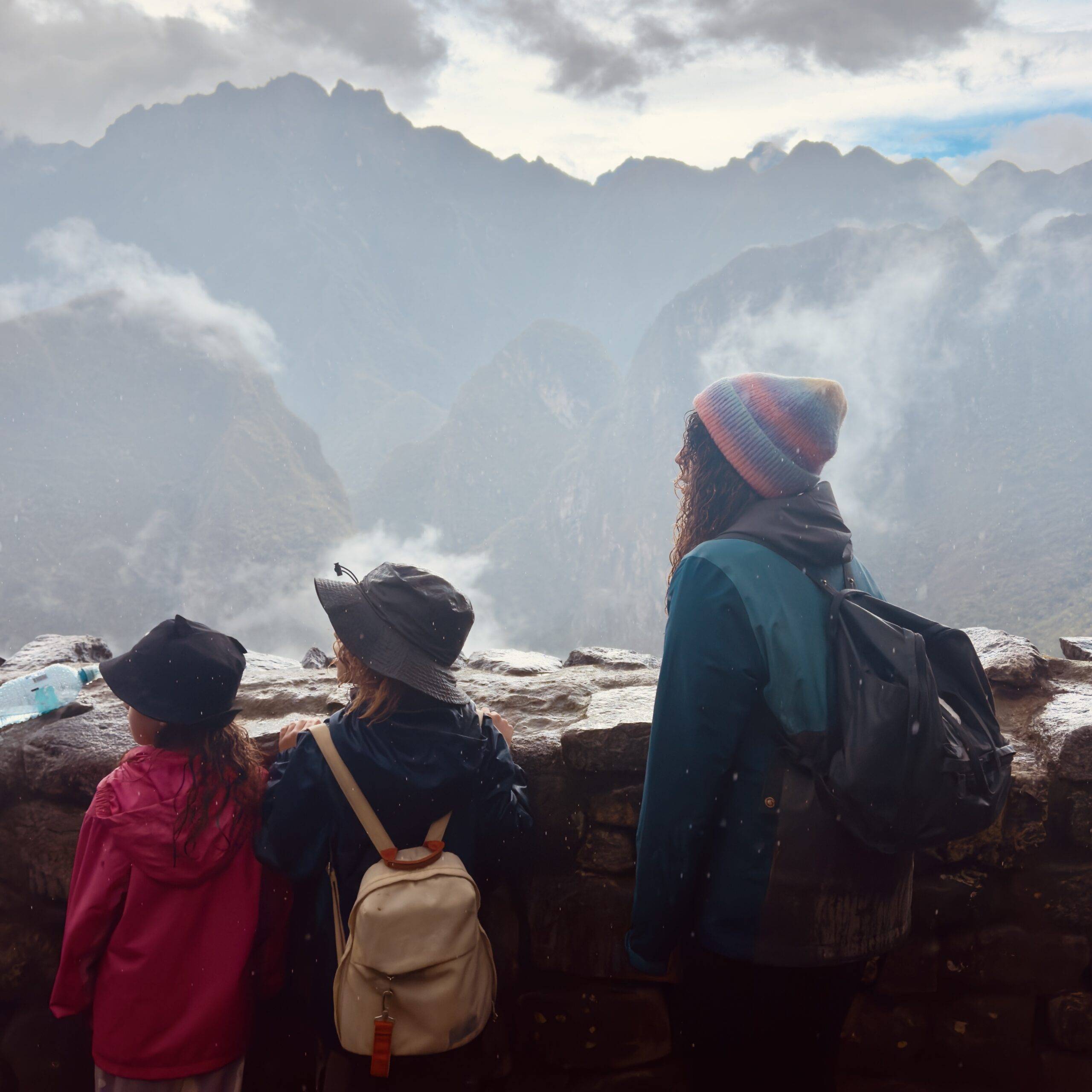
We didn’t stay in Aguas Calientes overnight and that choice shaped the whole day.
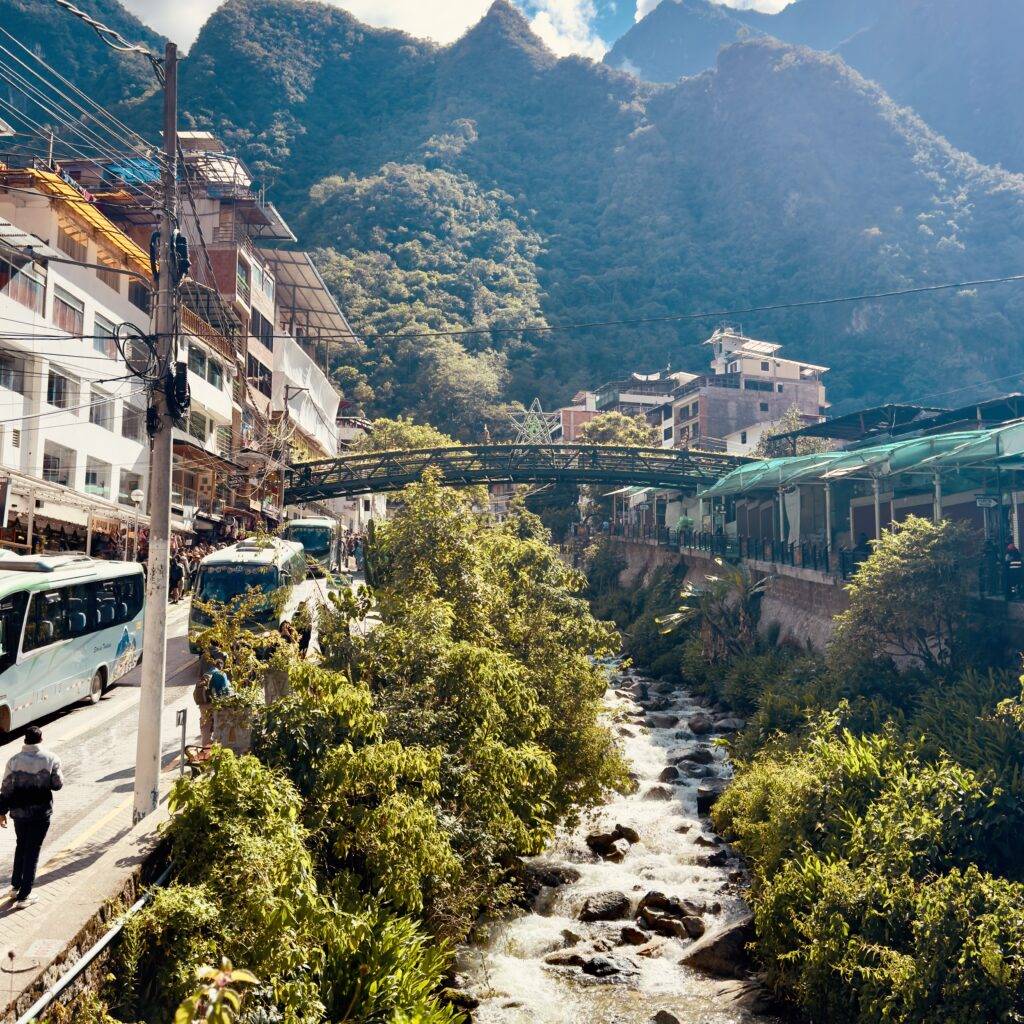
After a 4am start in Cusco, the bus to Ollantaytambo, and the train journey, we arrived in Aguas Calientes around 8am. Our entry time for Machu Picchu wasn’t until 1pm, which meant several hours in town before heading up to the site.
That gap is something families need to plan for, because it’s unavoidable on many same-day itineraries.
What That Morning Actually Looked Like
By the time we arrived, the kids had already had a big morning. The goal wasn’t to fill time, it was to protect energy for Machu Picchu itself.
What worked for us:
A slow breakfast
Short, aimless walks
Sitting down often
Snacks and drinks whenever needed
Aguas Calientes isn’t somewhere you “explore” with kids in the traditional sense. It’s busy, compact, and tourist-focused, but that also means everything you need is close by and easy to access.
Food, Bathrooms & Practical Reality
For families, this part was actually easier than expected:
Cafes and restaurants were everywhere
Bathrooms were accessible if you stopped for food or drinks
Shops sold water, snacks, sunscreen, and layers
Yes, prices are higher than elsewhere in Peru (Oat milk latte cost 20 soles) but for a few hours, convenience mattered more than saving money.
Getting the Bus Up to Machu Picchu (Bus Ticket + First Bus)
We headed to the bus station in time for our 1pm entry slot.
The bus ride up takes around 30 minutes, winding steadily uphill. It’s busy but well organised, and once you’re on it, the waiting phase of the day is over.
You’ll buy a bus ticket (or have your ticket checked, depending on how you purchased). The first bus lines can be long at peak times, so buffer time matters.
This route, Aguas Calientes to Machu Picchu by bus, is the standard family-friendly way to reach the entrance without draining everyone before you even begin.
The Long Day Reality (And Why It Still Worked)
We didn’t return to Cusco until around 7pm, making this a very long day overall. There’s no point pretending otherwise.
What made it manageable:
The train journey breaking up the travel
The excitement of Machu Picchu carrying us through
Not stacking any other activities onto the same day
Would an overnight stay have been easier? Possibly.
Was the same-day return doable with kids? Yes, because we paced everything else carefully.
(If you do choose an overnight, a hotel in Aguas Calientes can make the morning calmer — especially with traveling with children who struggle with long days.)
Entering Machu Picchu With Kids: What the Visit Is Really Like
By the time we boarded the bus up to Machu Picchu, it already felt like a big day. The early start, the long journey, the waiting in Aguas Calientes, all of that had happened before we even reached the entrance to Machu Picchu. That’s important context, because Machu Picchu isn’t something you arrive at fresh.
The good news: once we were inside, everything slowed down in the right way.
Arrival at the Entrance (Passport + Machu Picchu Ticket)
The bus drops you close to the entrance, and from there it’s a short walk through ticket checks and security. This part was busy but well organised.
Have these ready:
Your Machu Picchu ticket / entry tickets (printed or digital, depending on your purchase)
Your passport (don’t assume a photo is enough – bring the real one)
Bags were checked, tickets scanned, and there wasn’t much standing around once things started moving.
If you’re trying to get tickets, it helps to book tickets online ahead of time, especially in peak season, because tickets to Machu Picchu can sell out depending on the circuit and time.
What helped with the kids:
Having tickets ready
Knowing our entry time in advance
Keeping expectations calm rather than hyped
Once you’re through the gate, it doesn’t feel chaotic, it feels controlled.
Walking the Site With Kids (Inside Machu Picchu / Around the Site)
Machu Picchu is not flat, and it’s not a casual stroll, but it’s also not as physically demanding as many families fear.
There are:
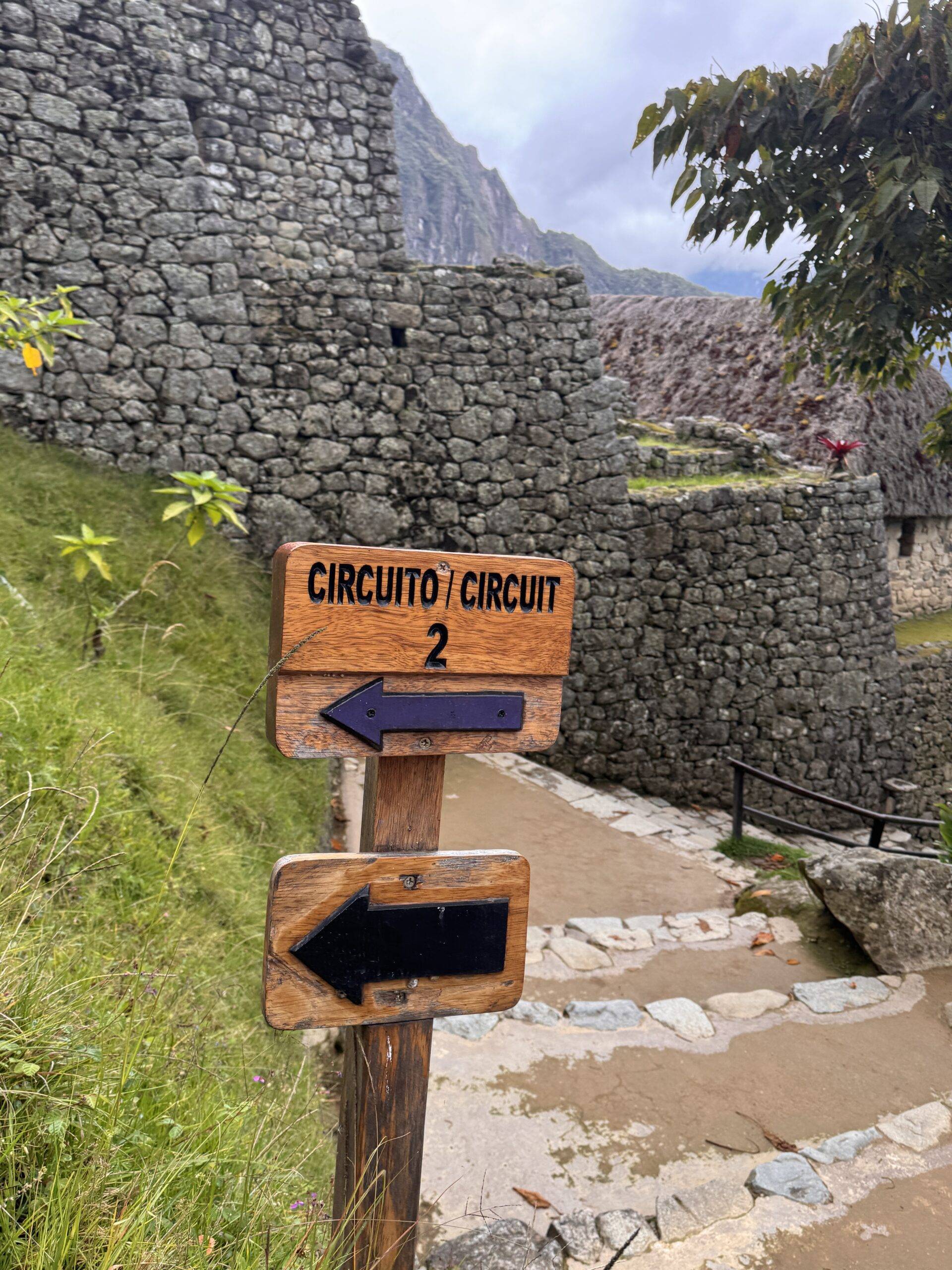
Stone paths and steps
Uneven surfaces
Gradual climbs rather than constant steep ones
Our kids managed the walking without issue. The key was pace, not fitness. We stopped often, listened, looked, and moved on when it felt right.
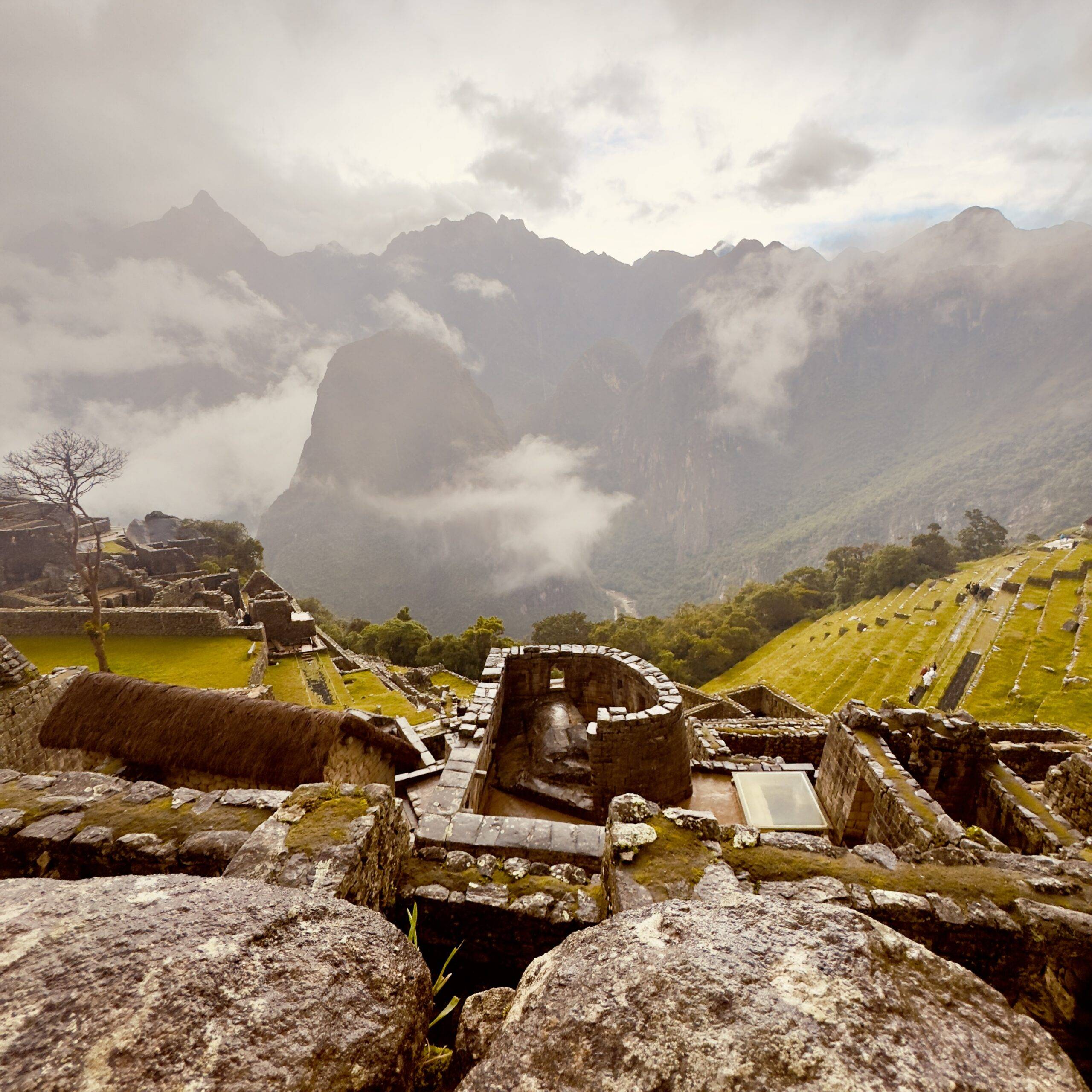
What surprised us most was how engaged they stayed once the story started to come together, the Inca details turned “ruins” into something real.
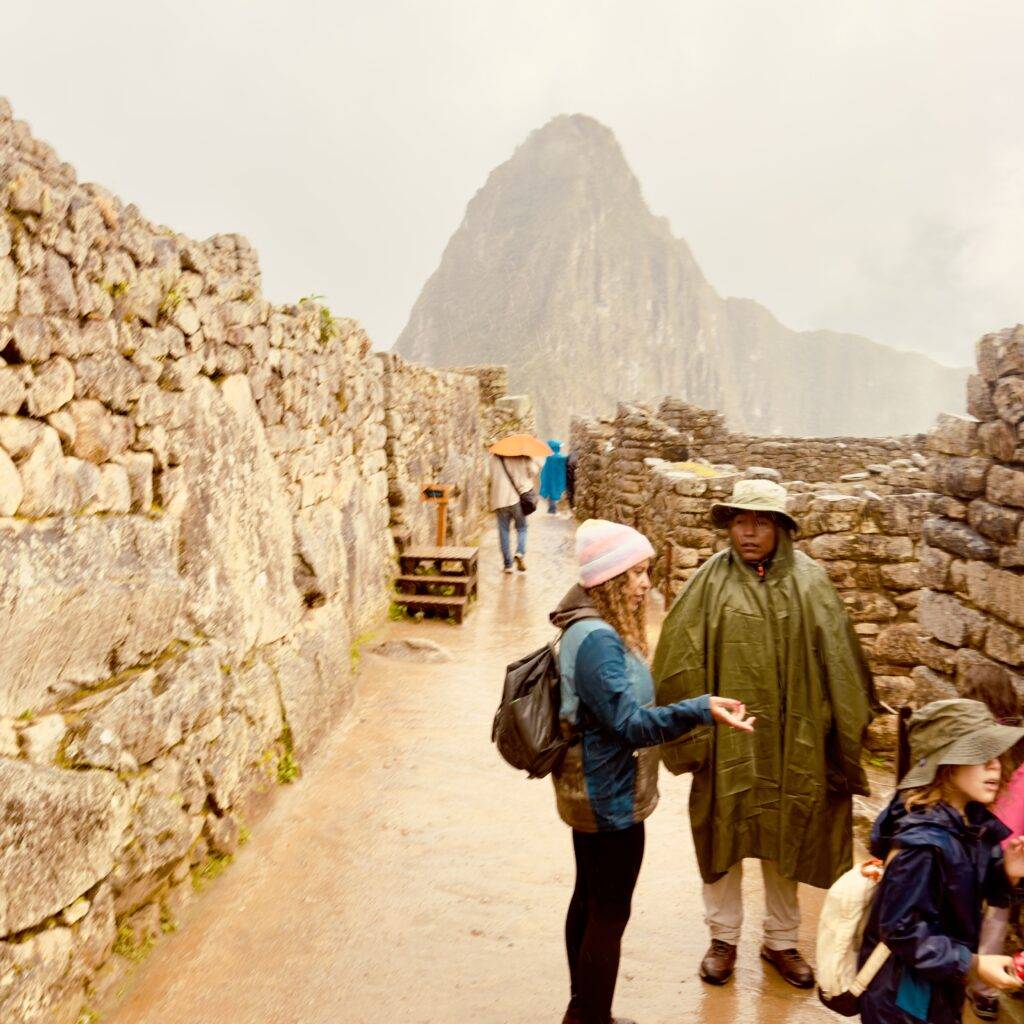
Why Having a Guide Made All the Difference (Tour Guides / Machu Picchu Tour)
This was the single best decision we made.
Our guide didn’t just explain facts, they told the story in a way that made sense to kids. Suddenly, the ruins weren’t just walls and terraces. They were:
Homes
Gathering places
Routes people actually walked
The guide also:
Set a sensible pace
Knew where to stop
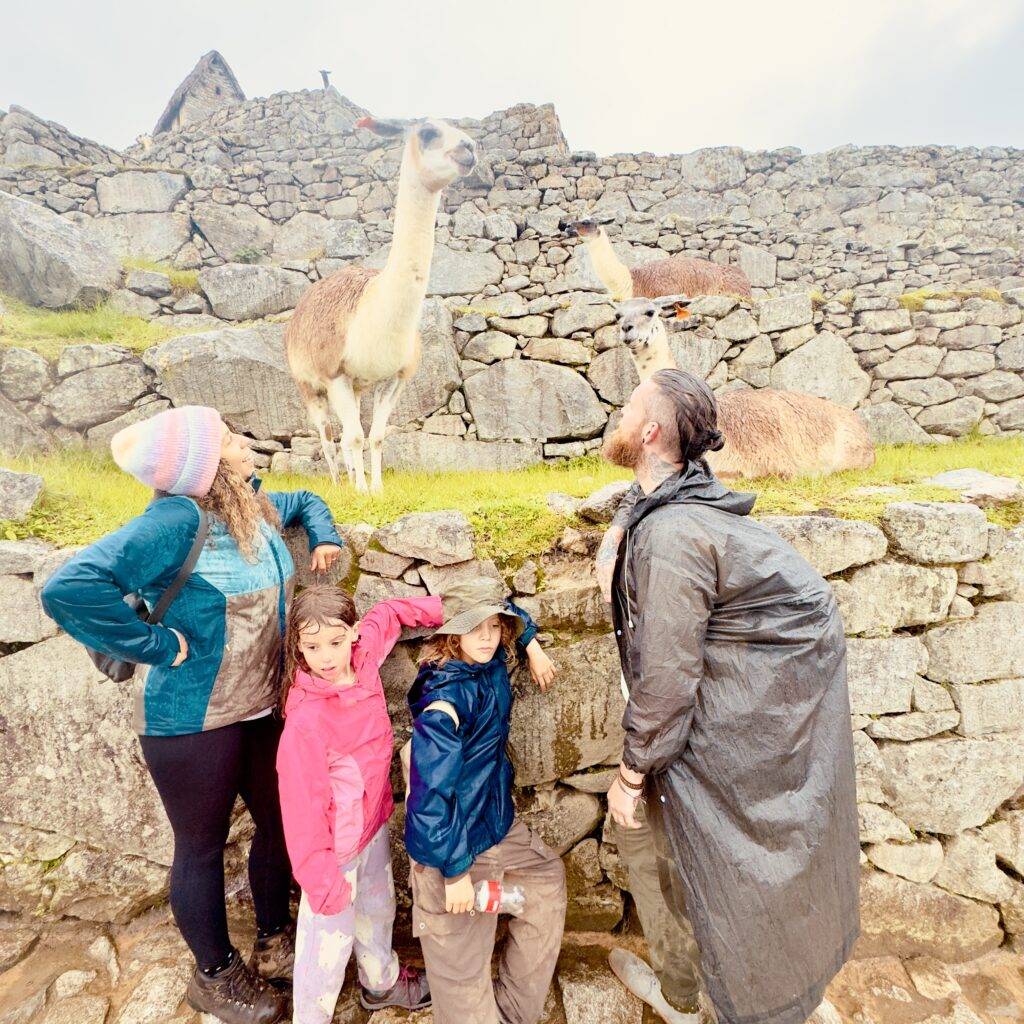
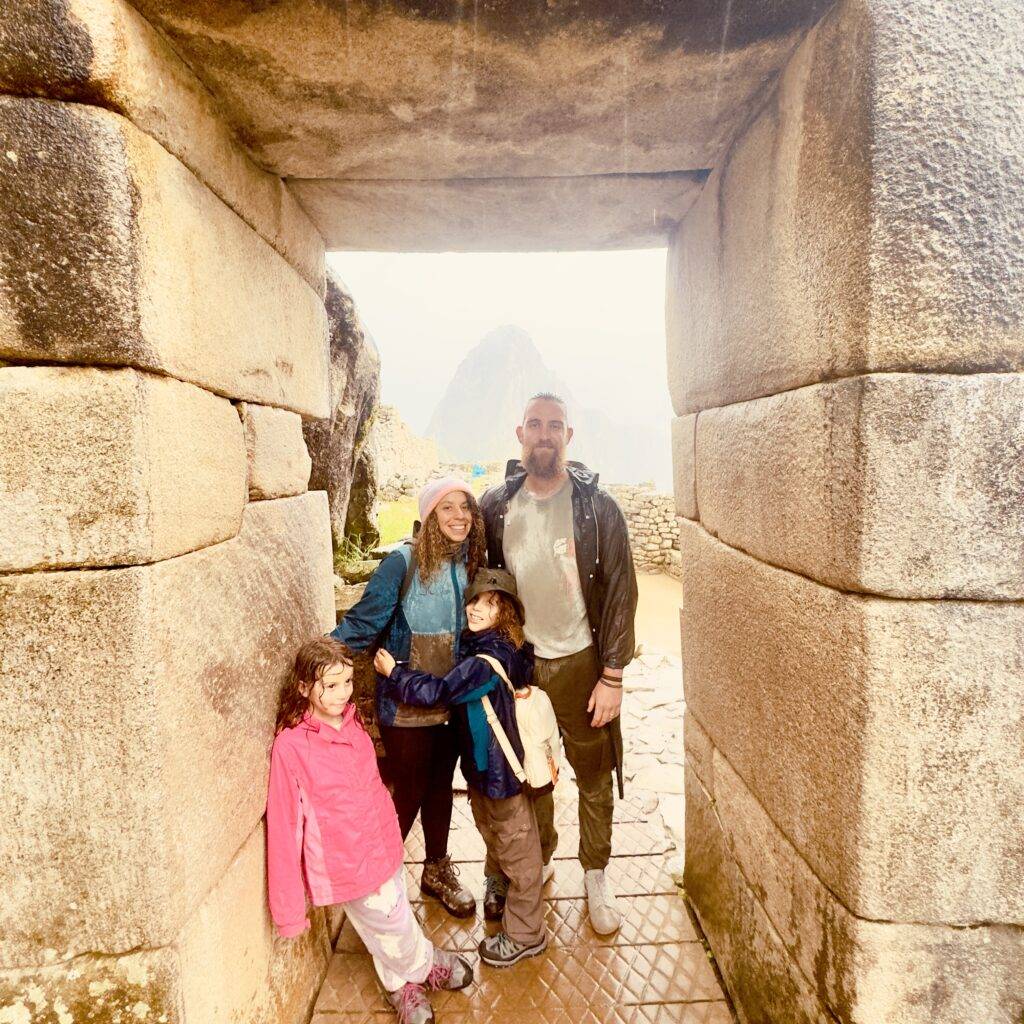
Took family photos without rushing us
Answered questions without overwhelming the kids
Without a guide, Machu Picchu would have been impressive. With one, it became meaningful, a proper Machu Picchu tour that felt like a shared experience.
Crowds, Safety & Supervision
Despite how famous Machu Picchu is, we never felt unsafe with the kids.
Paths are clearly marked, routes are controlled, and there are staff throughout the site. Yes, there are drop-offs, but they’re obvious, and kids are expected to stay close.
Also good thing was December is classed as off-season so it was no where near as busy as i though (Still busy). I would hate to see how busy it gets in peak season between June and August — which is also why the best time to visit Machu depends on your tolerance for crowds, weather, and ticket availability.
How Long Felt “Enough”
We didn’t try to see everything.
After a few hours, attention naturally dipped, not from boredom, but from information overload and a long day catching up with everyone. That felt like the right time to visit Machu Picchu for our family.
Leaving while the experience still felt positive mattered far more than squeezing in one last viewpoint.
Do You Need a Guide at Machu Picchu With Kids?
If there’s one thing we’d say is non-negotiable for visiting Machu Picchu with kids, it’s this: get a guide.
We debated it. It’s an added cost, and on paper it can feel optional. In reality, it completely changed the experience, especially with children.
Without a guide, Machu Picchu is visually impressive. With a guide, it becomes a place that makes sense.
Why a Guide Matters So Much for Families
Why a Guide Matters So Much for Families
For our kids, the guide was the difference between “old stones” and a real story.
Instead of pointing things out randomly, the guide:
Explained why buildings were where they were
Turned ruins into places people actually lived
Kept explanations short and age-appropriate
Adjusted the pace so no one felt rushed
That structure kept the kids engaged far longer than we expected and meant we weren’t constantly trying to translate history ourselves. They both had a great worldschool lesson here too.
Book yourself a guide below with the ticket, you will not regret it, it makes the experience and tour so much better.
Pacing, Photos & Managing Energy (Machu Picchu Photos)Another underrated benefit of having a guide was flow.
Our guide:
Knew where to stop and where to keep moving
Took family photos without us having to ask strangers (so we got proper Machu Picchu photos)
Built in pauses naturally, without it feeling like “break time”
With kids, that matters. We weren’t juggling navigation, explanations, and supervision all at once.
Was It Worth the Cost?
For us, absolutely.
Given the cost and effort it already takes to reach Machu Picchu, the guide felt like the thing that protected the whole experience.
Optional Hikes for Families: Huayna Picchu, Machu Picchu Mountain, and Huchuy Picchu
This is where parents get stuck: “Should we add a hike?”
Short answer: it depends on your kids and your energy.
Huayna Picchu is the famous steep add-on. It’s incredible, but it’s not the one I’d default to for Machu Picchu with your kids unless they’re confident walkers and you’re comfortable with exposure.
Machu Picchu mountain is longer and more gradual in parts, but still a serious climb on a long day.
Huchuy Picchu is the smaller, more family-friendly option if you want a “picchu hike” feel without going full-on.
For our family, the main site and guided route was enough. If we were doing a second visit to Machu Picchu, we’d consider Huchuy Picchu first.
(Also: hikes require their own entry tickets / circuit add-ons, so plan early if you want them.)
How Long Does a Machu Picchu Visit Take With Kids?
This is one of the most misunderstood parts of planning Machu Picchu with kids. Families often worry it will take all day, or that they won’t be able to last long enough to make it worthwhile.
In reality, the visit itself is shorter than the journey to get there, and that’s not a bad thing.
How Long We Spent Inside Machu Picchu
From entering the site to leaving, we spent a few hours inside Machu Picchu.
That felt right.
It was long enough to:
Walk the main route
Hear the full story from our guide
Stop for photos without rushing
Let the kids ask questions and explore
But short enough that attention didn’t collapse or turn into frustration.
With kids, there’s a point where more time doesn’t equal more value, it just means more tired legs and less interest.
Why Longer Isn’t Always Better
Machu Picchu is visually intense. There’s a lot to take in, and with a guide, there’s also a lot of information.
After a few hours:
The novelty starts to wear off
Kids begin to slow down
The long day catches up
Pushing past that point wouldn’t have added much for us. Leaving while everyone was still engaged mattered more than squeezing out every last viewpoint.
How to Know When It’s Time to Leave
For us, the signs were subtle but clear:
Fewer questions from the kids
Slower walking
More focus on snacks than surroundings (Aurie constantly asking when we’re going to get food)
That was our cue. Ending on a high note meant Machu Picchu stayed a positive memory, not something associated with exhaustion.
Planning Your Entry Time Around Kids (Best Time to Visit Machu)
If you’re traveling with kids, it helps to think backwards.
Factor in:
How early your day starts
How long your journey will be
Whether you’re returning the same day
A mid-day or early afternoon entry worked well for us because it gave the kids time to wake up on the journey and settle before walking the site.
How Much Does Machu Picchu Cost for a Family Trip? (Tickets to Machu Picchu, Bus, Train, Guide)
Machu Picchu isn’t a budget day out, and with kids, the costs add up quickly. What helped us was knowing that going in, rather than being shocked afterwards.
For our family of four, the total cost came to around £850 for the full experience.
That figure sounds high on its own (especially when travelling and not on vacation but it makes a lot more sense once you break down where the money actually goes.
What That £850 Covered
Our costs included:
Inca Rail transport (bus + train, return)
Machu Picchu entrance tickets (your Machu Picchu ticket)
Bus from Aguas Calientes to Machu Picchu entrance and back (your bus ticket)
A private guide once inside the site
Those are essentially non-negotiable if you want a smooth family trip.
Those four elements are essentially non-negotiable if you want a smooth experience with kids. You can trim costs slightly around the edges, but removing any of these usually shifts the burden elsewhere, often onto energy and stress.
Where Families Spend the Most
For us, the biggest expenses were transport and the guide.
The train isn’t cheap, but it removed a huge amount of friction from the day. The kids enjoyed it, we weren’t dealing with unpredictable transfers, and it broke up what would otherwise have been an exhausting journey.
The guide was another cost we debated and the one we were most glad we didn’t skip. Given the effort and price of getting to Machu Picchu in the first place, having someone explain it properly felt like protecting the entire experience.
Where You Can Save (If Needed)
If budget is tight, the places families usually save are:
Choosing an earlier or later train time
Comparing train providers carefully
Being selective with add-ons
What we wouldn’t recommend cutting is:
The bus up to the entrance (walking it with kids is a lot)
A guide, especially with younger children
Saving money by increasing physical or mental load rarely feels like a win on a day this long.
Was It Worth the Cost?
For us, yes.
It was one of the most expensive single days we had in Peru, but also one of the most memorable. The kids still talk about it, not because it was famous, but because it felt like an adventure we all shared.
Machu Picchu isn’t cheap. But when done thoughtfully, it doesn’t feel wasteful either.
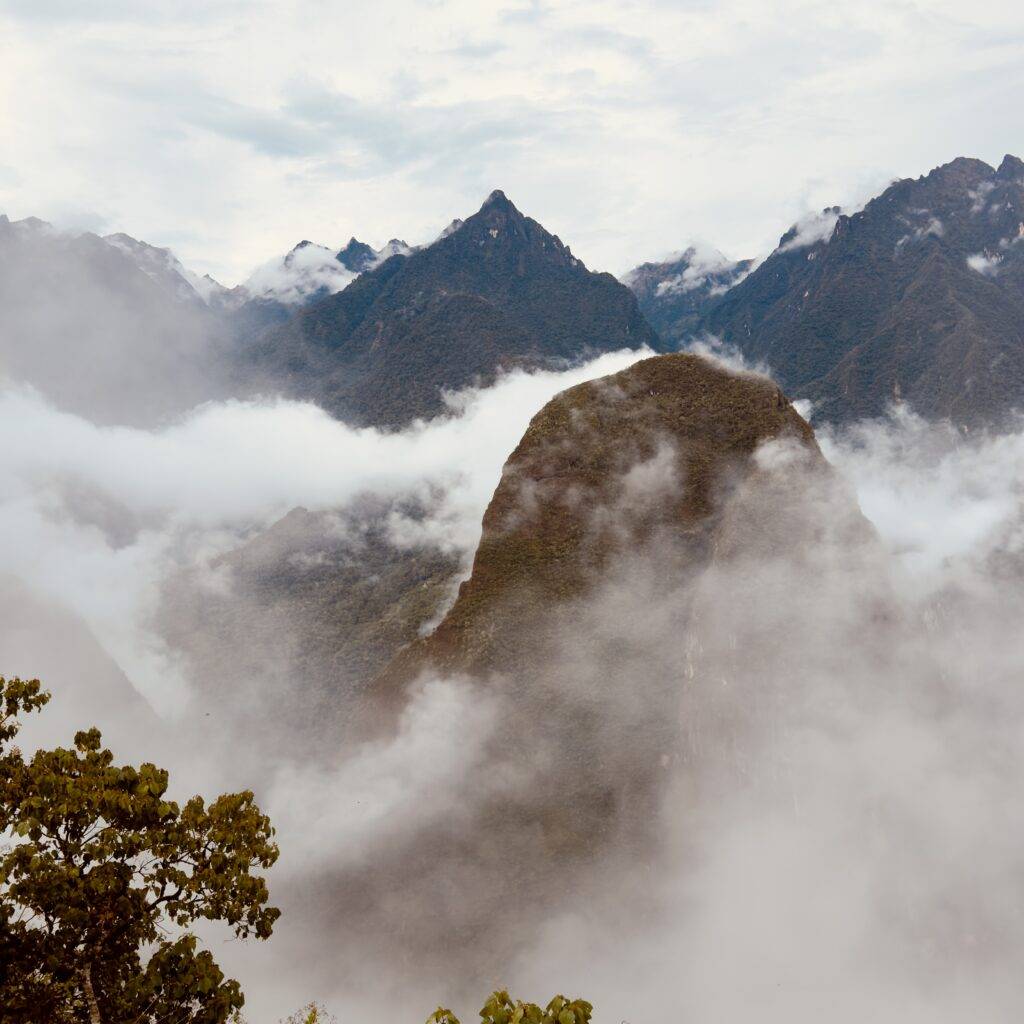
Is Machu Picchu Safe for Kids?
Safety was one of our biggest questions going into Machu Picchu, not in a dramatic sense, but in a very practical, parental one. Steep paths, crowds, altitude, and a long day all add up when you’re travelling with kids.
In reality, Machu Picchu felt far more controlled and manageable than we expected.
Walking Paths & Physical Safety
Machu Picchu isn’t flat, but it’s also not chaotic.
Paths are clearly defined
Routes are one-way and controlled
Staff are present throughout the site
There are drop-offs in places, but they’re obvious rather than hidden, and kids are expected to stay close. We never felt like we were constantly on edge, just aware, the same way you are on a hiking trail or historic site.
Our kids walked the entire route without issue, and at no point did it feel unsafe or out of control.
Crowds (And How They Actually Felt)
Yes, Machu Picchu is busy, but it’s managed.
Entry times are staggered, groups are controlled, and movement through the site is structured. That made a big difference. We weren’t fighting through crowds or worrying about kids getting separated.
Having a guide helped here too, as they knew where to pause and when to move on. trust us to as usually we’re anti guides or try to do things by ourselves, this was one of those one where we’re glad we didn’t do it ourselves.
Altitude on the Day
By the time we visited Machu Picchu, altitude wasn’t the main challenge.
The site itself sits lower than Cusco, and the walking is gradual rather than intense. The bigger factor was fatigue from the early start, not altitude sickness.
Because we’d already spent time in the Sacred Valley and Cusco, everyone felt adjusted by the time we arrived.
The Bigger Safety Picture
For us, the biggest “risk” wasn’t danger, it was exhaustion.
Managing energy, pacing the visit, and not stacking extra activities onto the day mattered far more than physical safety concerns. Once we accepted it would be a long day and planned accordingly, Machu Picchu felt calm rather than stressful.
What to Bring (and What Not to Bring) to Machu Picchu With Kids
Packing for Machu Picchu with kids isn’t about being overprepared, it’s about bringing the right things and not carrying unnecessary weight on a long day.
You’re limited to a small daypack, and security checks are strict, so keeping things simple matters.
What We Were Glad We Brought
These were the things that genuinely helped on the day:
Lightweight daypack
Small enough to pass security but big enough for essentials.Water bottles
Everyone needs more than they think, especially after an early start.Snacks
Easy, non-messy snacks were essential once energy dipped.Layers
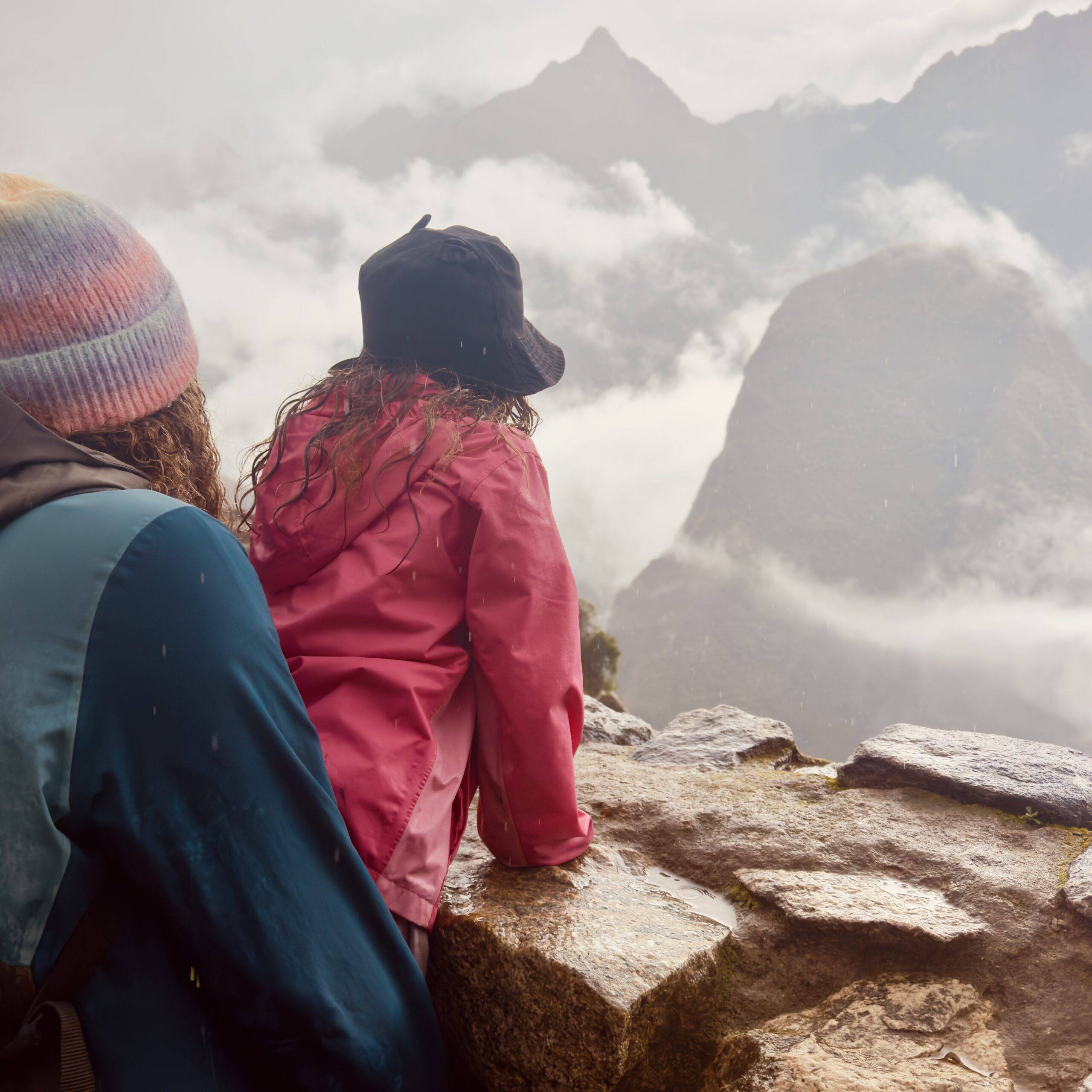
Mornings were cool, walking warmed us up, and weather shifted quickly. Then it was torrential rain for 30 mins.Sun protection
Hats and sunscreen were non-negotiable, there’s very little shade.Comfortable walking shoes
Grippy soles matter on stone steps, especially for kids.
What We Didn’t Need (and Were Glad We Left Behind)
These are the things that often sound useful but really aren’t:
Large backpacks
They won’t get through security and just add stress.Too much food
You can’t eat inside the site anyway.Rain gear that’s bulky
Lightweight layers were enough for us. (Think Poncho)Anything valuable or heavy
You’re walking for hours, every extra item becomes annoying fast.
Important Rules That Catch Families Out
A few things to be aware of before you arrive:
Bags must be small (daypack size only)
No food inside the site
No tripods or drones
No strollers or pushchairs
Security checks are thorough, but not hostile, they’re just enforcing the rules.
One Packing Tip That Helped Most
We packed as if we were going on a short walk, not an expedition.
Everything fit comfortably, nothing felt excessive, and we never had to juggle gear while keeping an eye on the kids. On a day this long, that simplicity made a real difference.
Common Mistakes Families Make at Machu Picchu (And How to Avoid Them)
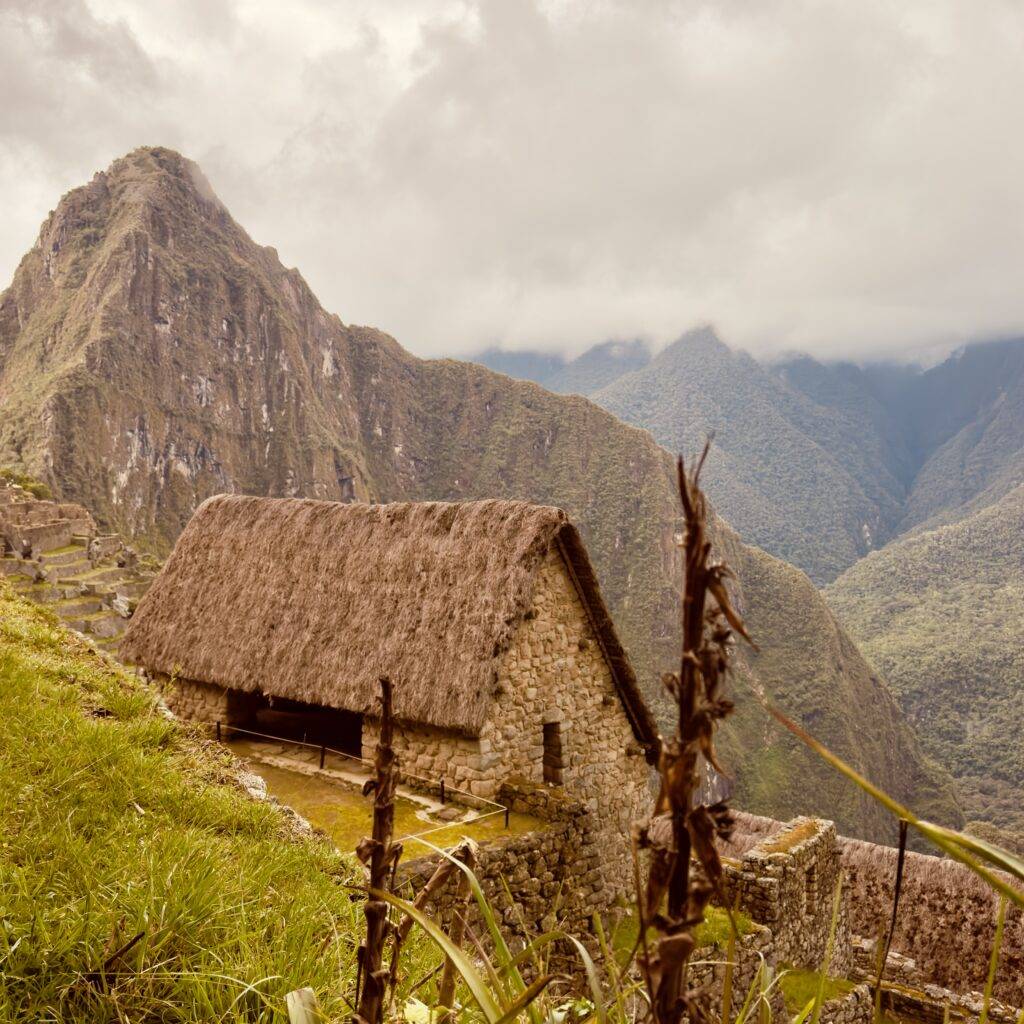
Most of the stress families feel around Machu Picchu doesn’t come from the site itself, it comes from decisions made around the visit. We saw a lot of this on the day, and a few things we were glad we’d planned differently.
Treating Machu Picchu as a “Quick Stop”
This is the biggest mistake.
Trying to squeeze Machu Picchu into an already packed itinerary, or treating it like a half-day activity, usually backfires. The journey alone is long, and kids feel that before you even arrive.
What works better:
Giving Machu Picchu its own day
Accepting it will be tiring
Not stacking anything else on top of it
Once we stopped expecting it to be efficient, it became enjoyable.
Underestimating the Travel Day
The visit itself isn’t the hardest part, the day as a whole is.
Early wake-ups, long transfers, waiting time in Aguas Calientes, walking the site, then travelling back all add up. Families who plan as if it’s “just a train and a walk” often hit a wall halfway through.
Knowing it would be a long day helped us manage energy and expectations from the start.
Skipping a Guide to Save Money
We saw families walking through quickly, pointing at ruins, moving on.
They weren’t doing anything wrong, but it was obvious the experience was flatter, especially for kids. Without context, Machu Picchu can blur into stone walls and viewpoints.
For us, the guide was what turned the effort into something meaningful. Skipping it would have saved money, but cost us the experience.
Overpacking for the Site
Large backpacks, too much food, unnecessary gear, all of it becomes a burden fast.
Security restrictions mean you can’t bring much in anyway, and carrying extra weight just adds to fatigue. Packing light made the walking easier and the day calmer.
Rushing the Exit
Some families stayed longer than their kids’ energy allowed, simply because they’d made it all that way.
Leaving while everyone was still engaged mattered more than seeing one last corner. Ending on a positive note meant Machu Picchu stayed a good memory, not one tied to exhaustion.
FAQs: Machu Picchu With Kids
Is Machu Picchu too hard for kids?
For most kids aged 5 and up, Machu Picchu is manageable if the day is paced properly. The walking is steady rather than extreme, and the bigger challenge is fatigue from the early start and long travel day, not the site itself. Our kids (8 and 6) handled the walking well; energy management mattered far more than fitness.
Do kids get bored at Machu Picchu?
They can, if there’s no context. What kept our kids engaged was having a guide who explained what they were actually looking at. Once the ruins became stories rather than stones, attention lasted far longer than we expected.
Is Machu Picchu safe for children?
Yes. Paths are controlled, routes are clearly marked, and staff are present throughout the site. There are drop-offs in places, but they’re obvious, and children are expected to stay close. We never felt unsafe, just aware, the same way you would be on a historic site or trail.
Can you do Machu Picchu as a day trip with kids?
Yes, but it’s a long day. We did it as a same-day return with a 4am start and didn’t get back until around 7pm. It was doable because we planned carefully, avoided stacking activities, and accepted that this day would be about Machu Picchu and nothing else.
Is Machu Picchu overrated with kids?
For us, no. It was expensive and required effort but it delivered. The scale, setting, and story landed in a way that surprised us, and it became one of the experiences our kids still talk about. It didn’t feel like a box-ticking stop; it felt earned.
Final Thoughts: Was Machu Picchu Worth It for Our Family?
Machu Picchu wasn’t the easiest day we had in Peru, but it was one of the most meaningful.
It required an early start, careful planning, and a willingness to accept that everyone would be tired by the end. What made it work was treating it as the main event, not something to squeeze in between other plans.
Traveling with kids has a way of stripping experiences down to what actually matters. Machu Picchu passed that test. It held our kids’ attention, gave us something we shared rather than managed, and felt genuinely special, not just because it’s famous, but because it lived up to the effort it demanded.
If you’re already in Peru, travelling through Cusco or the Sacred Valley, and willing to plan it thoughtfully, Machu Picchu isn’t just doable with kids, it’s worth it.