Things to Do in Panama City With Kids-An Honest Family Travel Guide
Panama City is often treated as a quick stopover, but with kids, it can be surprisingly rewarding, if you choose the right things to do.
We explored Panama City as a family and found a mix of genuinely engaging experiences and others that looked better on paper than they felt in real life. This guide focuses on what’s actually worth doing with kids, how to pace your days, and what we’d skip if we were planning again. We discovered a variety of familyfriendly activities in Panama City, ranging from interactive museums to beautiful parks perfect for picnics. Each activity provided an opportunity for our kids to learn and have fun at the same time. By mixing in some downtime, we were able to enjoy these experiences without feeling rushed.
We spent a full day on the Amador Causeway and at the Smithsonian Tropical Research Institute expecting the kind of wildlife spectacle that gets marketed to families planning trips to Panama City. What we actually found was something quieter, more mixed, and honestly more realistic-which made it far more valuable than the hype suggested.
This isn’t a bad way to spend your time in Panama. It’s just not the sloth-filled jungle adventure your Instagram algorithm promised.
Panama City Family Travel Essentials
Getting Oriented / Panama City is spread out, and neighbourhood choice matters more with kids than most guides suggest. You’ll likely move between areas rather than stay in one compact, walkable zone, so planning short, clustered activities per day helps avoid burnout. Heat, traffic, and distances add friction faster than expected.
Getting In / Tocumen International Airport is around 30–45 minutes from most central neighbourhoods, depending on traffic. Taxis and Uber are reliable, but if you’re arriving late or after a long flight with tired kids, a pre-booked transfer removes a lot of stress. Expect to pay slightly more at peak hours.
Getting Around / Uber is the easiest way to move around Panama City with kids and is generally inexpensive for short hops (often around $4–6 per ride). Walking works well in specific areas like Casco Viejo or along the Amador Causeway, but crossing between neighbourhoods on foot is rarely practical. Pavements can be uneven, so carriers often work better than strollers.
What to Book Ahead / Most activities don’t require advance booking, but a few exceptions apply. BioMuseo tickets are worth booking ahead on weekends or during school holidays. If you’re hoping to combine visits with the Smithsonian Tropical Research Institute or organised nature experiences, checking availability in advance avoids disappointment.
Short on Time? / A realistic one-day family plan could look like this:
Amador Causeway (early morning walk or bike) → BioMuseo (late morning) → lunch indoors → Uber back for downtime. Trying to combine Casco Viejo, museums, and outdoor areas in one day often feels rushed with kids.
Where to Stay / For families, areas like El Cangrejo, Punta Pacifica, and parts of Amador tend to work better than staying directly in Casco Viejo. Quieter streets, easier transport, and access to parks or food options matter more than postcard views. We stayed in 3 different areas but our most favourite was our stay at Waymour Hotel.
Getting Out / Panama City works best as a base, not a box-ticking destination. Many families use it as a launch point for the canal, nearby nature, or onward travel rather than trying to “do everything” in the city itself.
Why This Day Surprised Us-And Where It Fits Into Your Panama City Itinerary
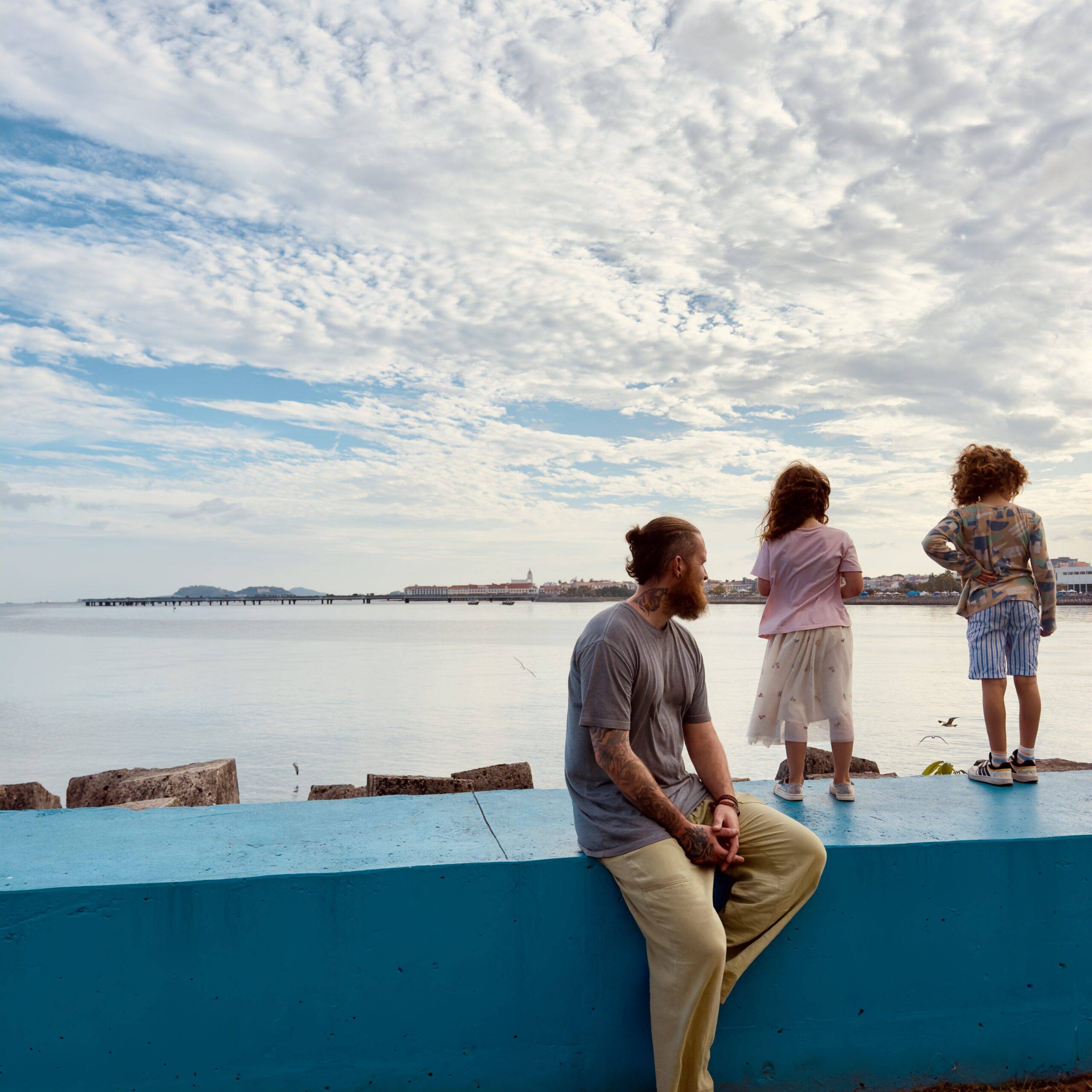
The Amador Causeway sits at the entrance to the Panama Canal, connected by a landfill-built strip of road that joins several small islands. It should feel gimmicky. Instead, it feels like the one place in Panama City where families can actually breathe and move without the noise, heat density, and chaos of the downtown core.
Among the many things to do in Panama-whether you’re exploring the UNESCO world heritage site of Casco Viejo, visiting the Miraflores Locks, or planning a day trip to San Blas islands or Taboga-the Amador Causeway offers something often overlooked: quiet space with genuine wildlife potential. This travel guide breaks down what to expect, so you can decide if it belongs in your Panama travel plans. exploring casco viejo’s historical charm reveals a tapestry of colonial architecture and vibrant street life that captivates every visitor. As you wander through its cobblestone streets, you’ll encounter charming plazas and local markets brimming with artisanal crafts and traditional cuisine. Each corner tells a story, making it a perfect complement to the more natural landscapes found elsewhere in Panama.
The Smithsonian Tropical Research Institute (STRI) is embedded here-technically an island research facility, practically a small museum and guided nature walk that most casual visitors have no idea how to access. We stumbled into it half by accident, paid less than we expected, and left with the clearest understanding of tropical ecology we’ve had anywhere in Central America.
But let’s be honest: it’s not what families typically think it is, and that matters when you’re planning your trip to Panama City.
Walking the Amador Causeway With Kids: Heat, Timing, and What Actually Works
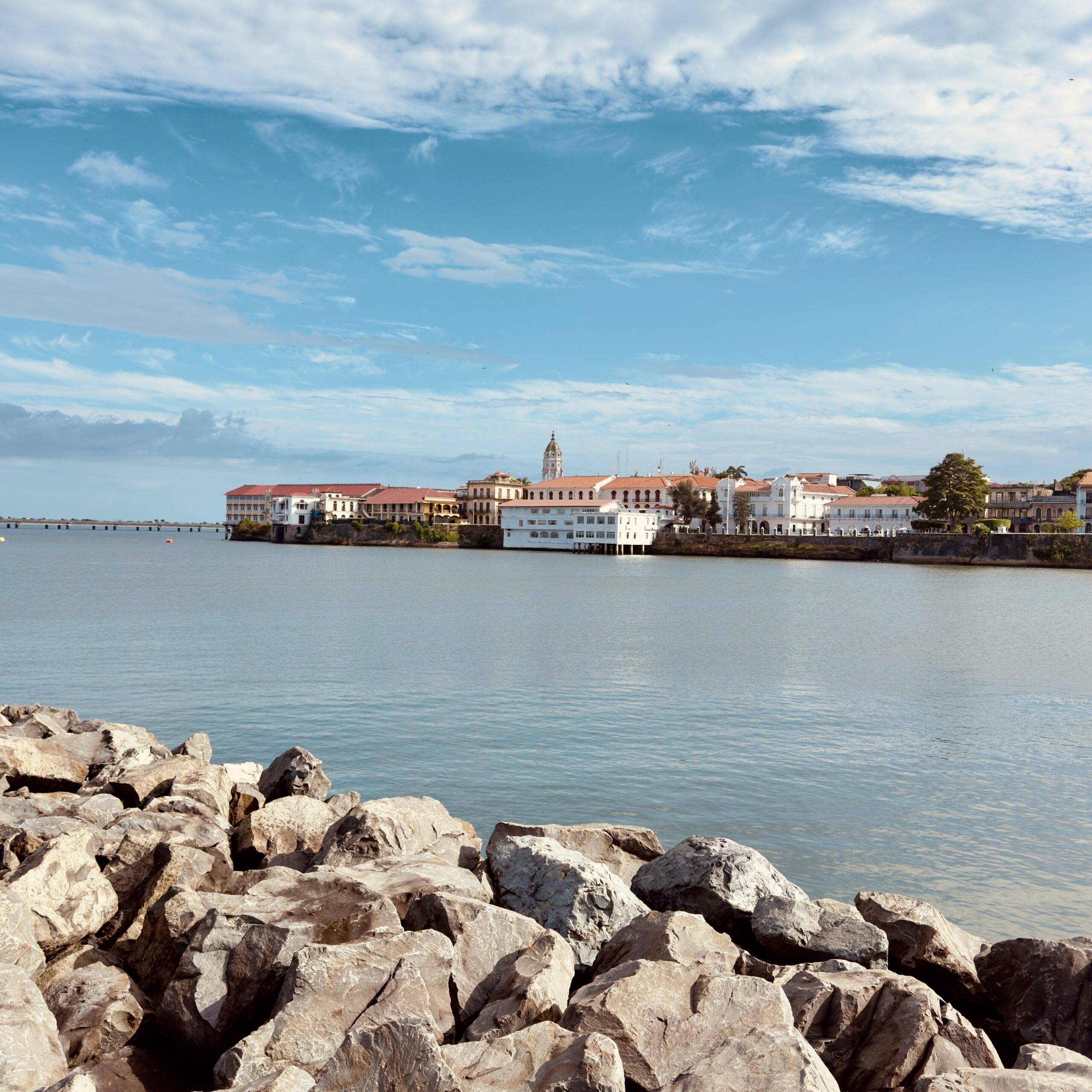
We arrived at the causeway entrance around 8:30 a.m. on a Monday. This was intentional. By 10 a.m., the sun was already fierce enough that we were rationing water and debating whether to turn back.
The walkway itself is paved, flat, and wide-good news for prams, strollers, and tired legs. It stretches roughly 3 km from the entrance to the far islands, with parking at the start (paid, around $2 USD per hour). The first section is the busiest: vendors, restaurants, and running paths attract locals doing morning fitness routines. It feels more like an urban park than a nature trail, nestled in the heart of Panama City’s waterfront.
Reality check on distance: If you’re thinking “leisurely family stroll,” plan 90 minutes to 2 hours for a full causeway walk. If your kids are under six, or you’re moving slowly with water breaks, add another 30 minutes. The middle stretch has almost no shade-just open causeway with water on both sides and sun overhead. We watched a family with toddlers turn back at the 30-minute mark, which seemed wise.
Shade exists, but it’s limited. There are a few covered rest areas and a couple of spots with actual trees near the restaurants at the start, but once you’re on the main causeway, you’re exposed. We wore hats, slathered sunscreen, and still felt the heat in a way that was uncomfortable rather than dangerous. The breeze from the Pacific Ocean helps. The views don’t-they’re pleasant but not stunning enough to distract kids from being hot.
What kids actually engaged with:
- Spotting birds (lots of brown pelicans, frigatebirds, the occasional heron)
- Watching construction on the expanded Panama Canal (visible from certain points)
- Exploring the small beaches between the islands
- The novelty of having space to run without traffic
What they ignored:
- Informational plaques about the canal’s history
- The subtle differences between vegetation zones
- Most of the “natural features” that made sense to us and bored them
Where boredom kicked in: Around the 45-minute mark, without a specific destination, three of our four kids started asking how much longer. The youngest asked twice. Once we reframed it as “let’s get to the restaurant and have juice,” energy returned. Kids need landmarks, not ambiance.
Wildlife expectations vs. reality: We saw birds. We saw fish. We did not see sloths, monkeys, or anything that would look impressive in a wildlife documentary. This is crucial to know before you go if you’re researching the best things to do in Panama. The causeway is paved development, not pristine jungle. Animals largely stay away from foot traffic and open areas. We spotted a couple of iguanas from a distance and were genuinely pleased about it. If you’re dreaming of wildlife encounters, adjust expectations accordingly. (If wildlife is a genuine priority for your trip, you’d be better served by places like San Blas islands or Bocas del Toro, which have more reliable animal sightings.)
Smithsonian Tropical Research Institute: What It Actually Is vs. What People Think
This is where the day pivoted for us.
Most families don’t know STRI exists as a visitable site. Those who find it often think it’s a major museum or nature center like you’d find in the U.S. It’s neither. It’s a legitimate research institution that permits public visits on one small island and lets you onto a boardwalk trail where actual scientists do actual tropical biology work.
What it is: A 350-acre research island where the Smithsonian Institution runs one of the world’s longest-running tropical research programs. Researchers work here studying rainfall, forest dynamics, insect behavior, and ecosystem change. You walk on a boardwalk through lowland tropical forest and learn why this place matters scientifically. The natural beauty is genuine, if understated-dense canopy, endemic plant species, the constant hum of a functioning ecosystem.
What it’s not: A zoo. A sloth sanctuary. A casual jungle walk where you’ll definitely see monkeys. An indoor museum.
How to access it: This confused us. You can’t just walk to STRI from the main causeway. You need to either join a tour (offered through the site, around $15-20 USD per adult, less for children) or book a visit through their website in advance. We did the walk-up tour route and waited about 20 minutes for the next group to start. Tours run roughly every hour during visiting hours (9 a.m. to 4 p.m., closed Mondays-check ahead).
What the boardwalk actually shows: A kilometer-long elevated path through forest canopy and understory. Your guide explains the ecology in real time-why there are so many tree species here, how rainfall patterns drive forest dynamics, what those insects are doing, why the forest is structurally different than temperate woods. If you have even a moderate interest in how tropical ecosystems work, this is brilliant. If you’re just looking for photo ops, it’s slower and quieter than expected.
What kids will understand vs. not: Our older two (ages 8 and 10) were genuinely engaged by the guide’s explanations about leaf-cutter ants and fruiting patterns. Our younger kids (4 and 6) enjoyed spotting insects and feeling like they were on an adventure, but the ecological concepts went straight over their heads. The guide was excellent about calibrating explanations, but younger kids need motion and novelty more than learning. Plan accordingly.
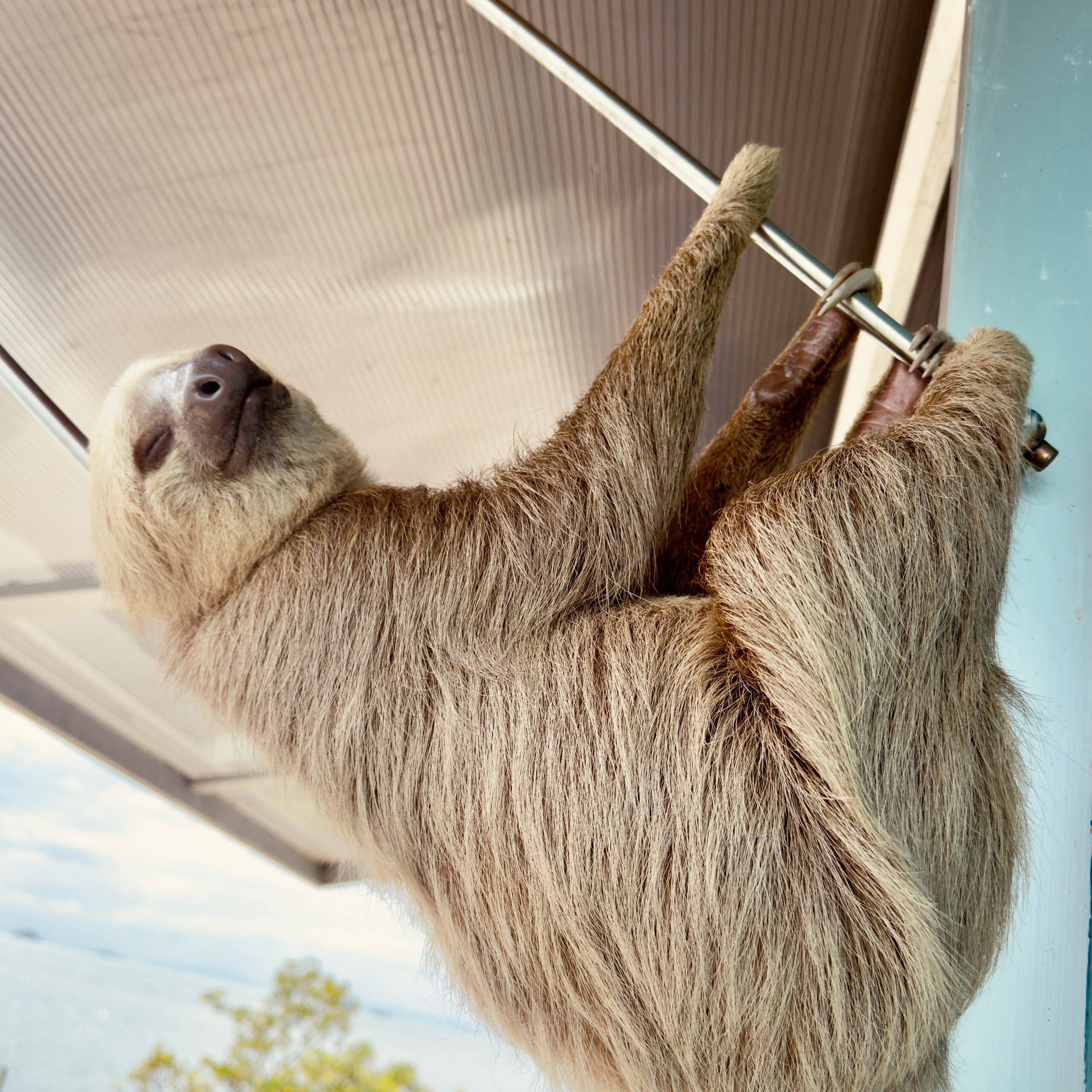
About the sloths: Yes, sloths live here. We saw zero sloths. Our guide explained that sloths are solitary, slow-moving, and don’t follow schedules convenient for tourists. Sometimes visitors spot them. Often they don’t. Framing it as “we might see sloths, probably won’t” sets accurate expectations. We got a decent lecture on sloth behavior and ecology instead, which was more interesting than we expected, but it’s not the same as seeing one.
Other wildlife: Howler monkeys (we heard them in the distance-loud and prehistoric-sounding, kids loved this). Various birds. Insects everywhere. One very large spider, which delighted our kids far more than any mammal would have. The boardwalk is genuinely wildlife-rich if you know what to look for, but it’s not like a nature documentary.
What this actually costs: Entry is roughly $15-20 USD for adults, $8-12 USD for kids, depending on how you book. Tours include the guide. It’s not expensive, but it’s not free either.
Is it worth the effort? If you have kids who are at least six and interested in nature or science, absolutely yes. If your kids are younger or less interested in learning, you might enjoy it more than they do, and that’s fine-but adjust your expectations. We went in expecting to see exotic animals and left understanding tropical forest ecology better, which was a better outcome than we planned for. It’s one of the best things to do in Panama if you value genuine learning over spectacle.
BioMuseo: Worth It or Not?-Understanding Panama's Biodiversity
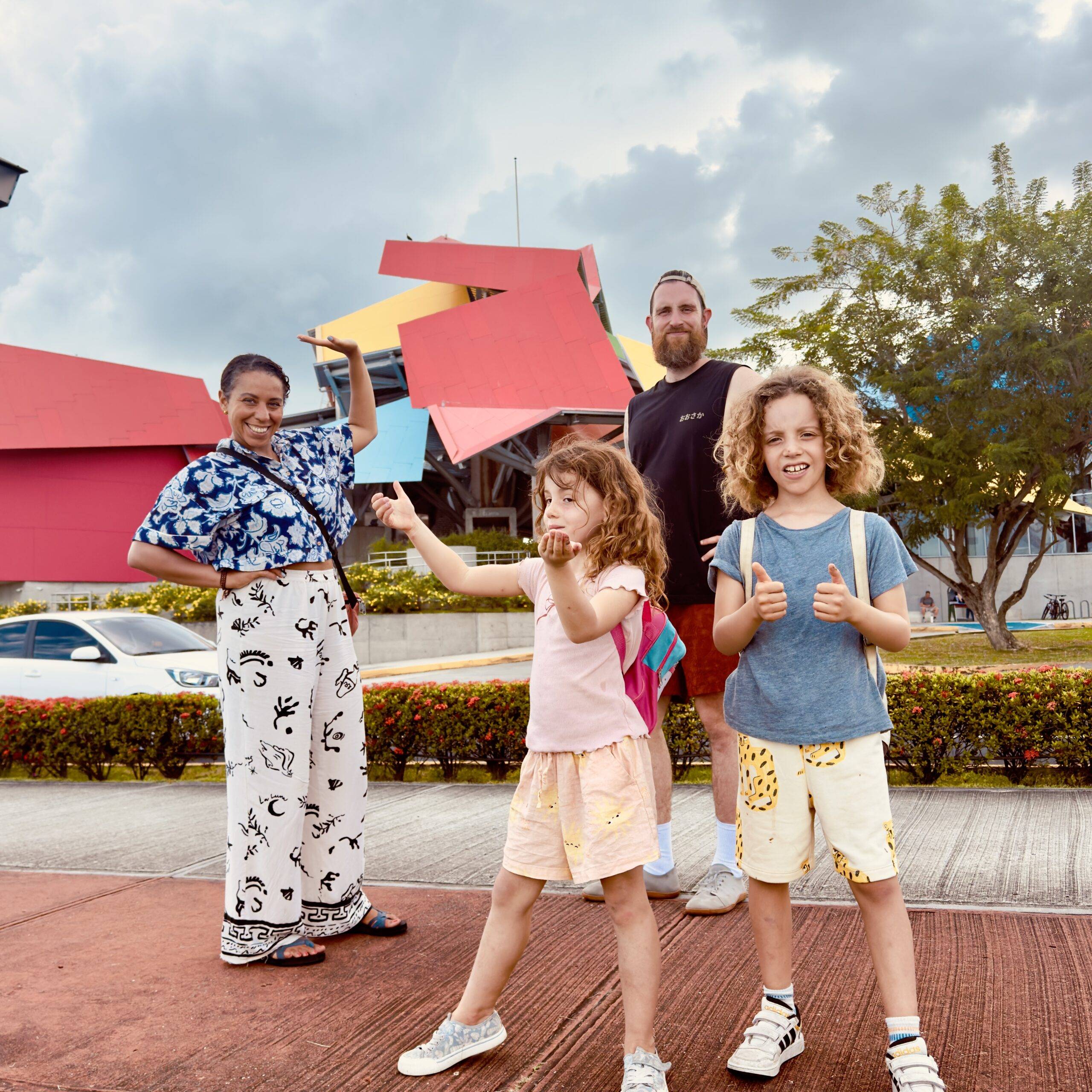
We allocated 90 minutes to the BioMuseo, which sits near the entrance of the causeway. It’s an architectural landmark designed by Frank Gehry, unmissable if you visit the area-a white undulating building that’s clearly trying to be important.
What it is: A museum focused on Panama’s biodiversity and geologic history. Interactive exhibits on the land bridge that connected North and South America, the creation of the Panama Canal, and the ecosystems that resulted. It’s positioned as one of Panama City’s best things to see if you’re interested in the natural and geological story of the region.
Cost: Around $17 USD per adult, $10 USD per child (prices vary; check ahead).
Interactive quality for kids: Mixed. Some exhibits work beautifully-touch pools with sea creatures, a section where kids can design their own rainforest, outdoor spaces with actual plants. Other sections are text-heavy, visually dull, and feel designed more for adult learning than family engagement. There’s a significant middle section on Panama’s geologic history that, honestly, felt like reading a textbook on a school trip.
How long you realistically need: 60-90 minutes if kids are engaged, 40 minutes if you’re moving quickly and skipping text. We spent about an hour and felt we’d seen the highlights.
Who it works for: Families with kids aged 6-12 who enjoy hands-on learning. Families interested in geological or evolutionary history. Families who want an air-conditioned break from the heat. People taking photos of the building itself (the architecture is genuinely striking).
Who it doesn’t work for: Kids under five will find it slow. Teenagers will find it oversimplified. Families purely interested in wildlife won’t find much actual animal interaction here. If you’re planning a tight itinerary and short on time, this is skippable in favor of other places to visit in Panama City.
Our honest take: It’s worth 90 minutes if you’re already in the area and need a climate-controlled break. The architecture is genuinely stunning from outside. But don’t prioritize it as a major attraction when there are other things to do in Panama-Casco Viejo, the Miraflores Locks, or even day trips to Taboga or San Blas islands offer more memorable experiences.
You can book you Bio Museo experience here in advance.
Walking vs. Uber: Real Numbers and Heat Trade-Offs for Your Trip to Panama City
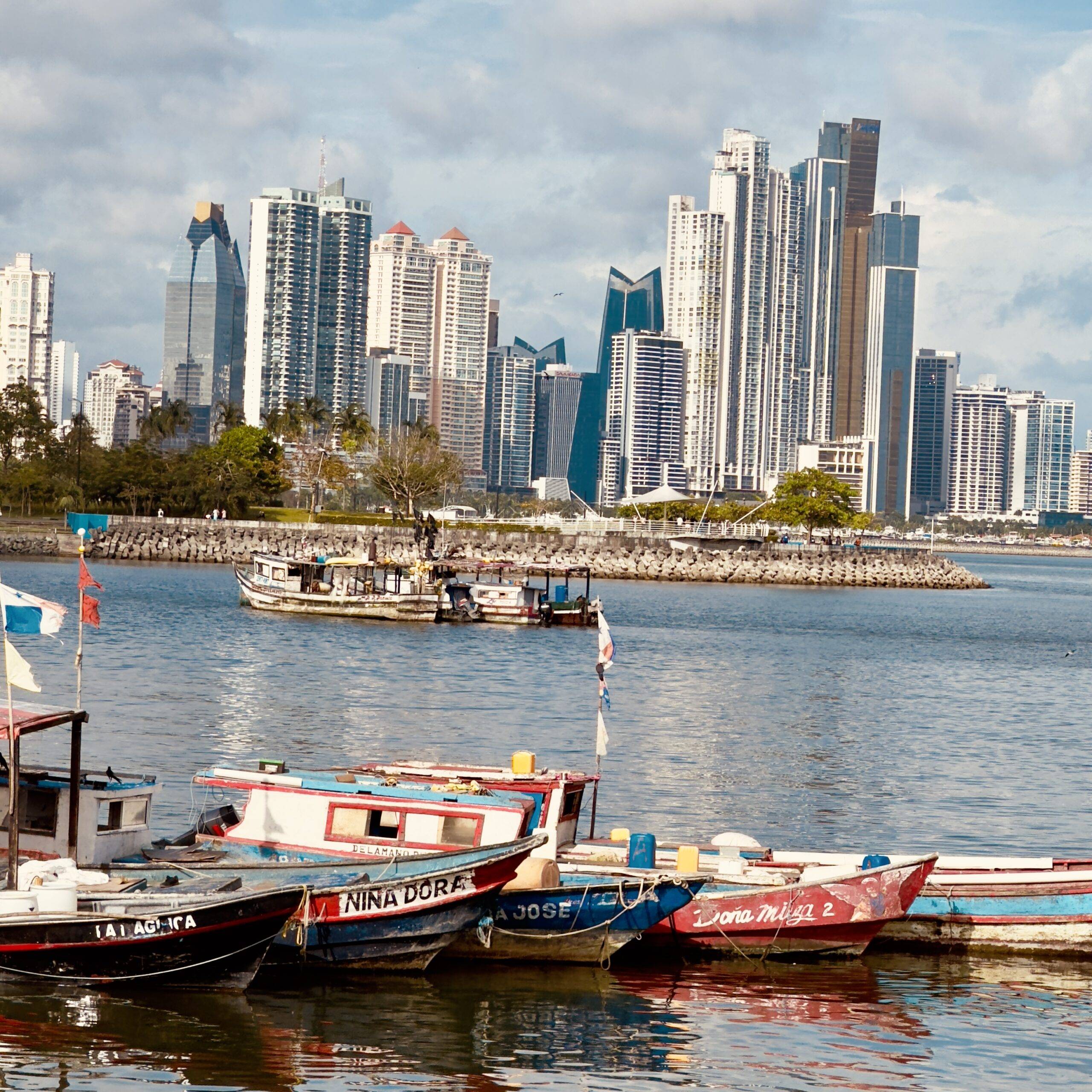
Here’s where logistics matter for families with young kids.
Getting to the causeway: From Casco Viejo (the historic district where many families stay in Panama City), an Uber is roughly $4-5 USD. Walking is theoretically possible (about 15-20 minutes), but it’s uphill in urban heat through busy streets. From Amador area hotels, Uber is $3-4 USD. If you’re further out (like the Canopy Tower or other accommodations near Panama City), expect $6-8 USD. These costs are negligible compared to the time and heat saved, especially when traveling with the whole family.
Within the causeway: Once you’re there, everything is walkable. The causeway itself is designed for foot traffic. You’re not getting Uber deals within the park area.
Should you walk to get there? Only if you’re local or genuinely don’t mind the heat and you’re starting from very close by. If you have small kids or it’s already warm (which it is, almost always), Uber is worth the few dollars. The time saved and heat avoided are worth more than the cost.
What actually makes sense: Uber to the causeway entrance, spend 2-3 hours there (however much time works for your family), return via Uber. Total transport cost: under $10 USD. Total time invested: 4-5 hours. This works with young kids and doesn’t exhaust parents, leaving energy for other things to do in Panama City later in the day.
Why This Day Works Well With Kids-Real Advantages Over Other Things to Do in Panama
After the initial uncertainty about whether we’d underestimated or overestimated the appeal, we realized this causeway day has genuine advantages over other options when planning things to do in Panama City:
Open space: The causeway and STRI trail both feel less claustrophobic than downtown Panama City. Kids can move. Parents can breathe. There’s no constant car honking or dodging traffic. For families coming from rural areas or smaller towns, this alone is restorative.
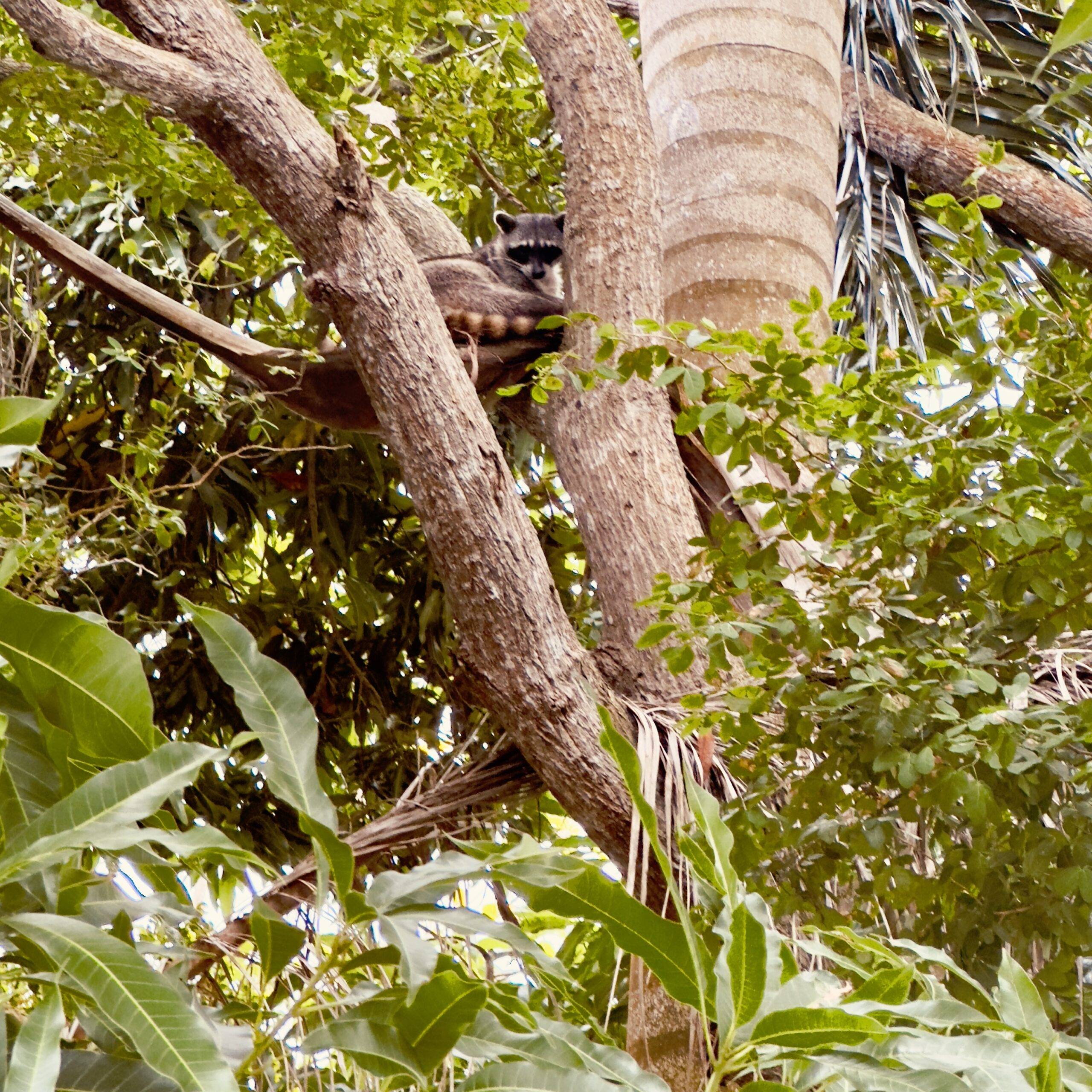
Wildlife potential: Yes, encounters aren’t guaranteed. But there’s actual wildlife here-birds, insects, the occasional iguana. The possibility exists in a way it doesn’t in the city center, and kids feel that.
Flexible pacing: You’re not on a fixed tour (unless you choose STRI’s guided walk). If your kid gets tired, you rest. If energy spikes, you walk further. If boredom hits, you pivot to the restaurant or museum. The day adapts to your family’s rhythm rather than forcing rhythm onto you.
Easy exits: If it’s not working, you leave. No deep commitment, no multi-hour activity you’re locked into. Kids feel less trapped, which means behavior stays better.
Less touristy than expected: We encountered far fewer travel influencers and tour groups than we expected. It felt like a local place that tourists happen to visit, not a tourist trap. For families trying to see the real Panama, this matters.
What We'd Do Differently Next Time-Tips for Future Visits to Panama
Timing: We’d start earlier (7:30 a.m. or 8 a.m.) to catch cooler hours for the walking. Heat management is the biggest variable affecting kid mood on any day visiting Panama.
Skip the full causeway walk as a ‘let’s do this completely’ goal: We’d walk the first 1.5 km, rest, eat, then decide whether the far islands are worth it. Many families would find the journey exhausting without clear reward at the end. The middle section of the causeway is prettier than the starting section-maybe that’s enough for your family trip to Panama City.
Book the STRI tour in advance instead of walk-up: This removes the waiting and ensures a guide time that fits your schedule. Worth the small extra effort when planning your visit to Panama.
Combine with something else: The causeway alone, for many families, isn’t quite a full day’s activity (especially with the heat). Pair it with the BioMuseo (90 minutes, nearby) or time it so you’re back in Casco Viejo by afternoon for exploring the old town. Alternatively, do a shorter causeway visit and spend more time at STRI if your kids are science-interested. These options work well if you’re planning to stay in Panama City for several days.
Bring better snacks than we did: We relied on the restaurants at the causeway entrance, which were fine but pricey. Packing fruit, sandwiches, and water would have made the day more comfortable and cheaper.
Is This Worth Doing With Kids? An Honest Verdict-The Best Things to Do in Panama City
Short answer: Yes, but with conditions.
Best for: Families with kids aged 6+, especially those interested in nature, science, or wildlife. Families visiting Panama and looking for a balance between structured activities (like tours to Bocas del Toro, Casco Antiguo explorations, or canal visits) and open-air exploration. Parents who value open space and flexible pacing. This works particularly well if you’re planning to stay in Panama City for 3+ days and want varied activities beyond the historical sites like Casco Viejo or the Panama Canal.
How long to allow: 4-5 hours total (including travel), 3-4 hours on-site if you’re walking the causeway and possibly visiting STRI. Add 90 minutes if you also do the BioMuseo.
Best ages: Kids 6 and up genuinely enjoy it. Younger kids (3-5) can do it but may not be engaged by the learning aspects-they’ll enjoy the motion and novelty but might find stretches boring. Teenagers who aren’t into nature might drag their feet.
Who should skip: Families with very young kids (<3) where pushing a pram the whole way isn’t realistic. Families on ultra-tight budgets (the Ubers, entrance fees, and meals add up). Families who need constant, structured activity or have kids who struggle with unstructured time. Families who came to Panama specifically to see wildlife in guaranteed encounters (head to Bocas del Toro or Boquete instead for better odds of seeing monkeys and other animals).
Real talk: This isn’t the jaw-dropping, wildlife-packed jungle day that magazine articles suggest it is. It’s a solid, honest, pleasant way to spend half a day with kids when visiting Panama City. The ecology is real. The space is genuine. The interactions are low-key. That’s not a weakness-it’s actually what makes it work for families. You’re not fighting crowds. You’re not managing extreme experiences. You’re just walking, observing, learning, and resting in a place that feels different from the city.
We left glad we went, not regretful we came, with no sense that we’d missed something crucial if we’d skipped it. That’s the right calibration for a family day trip in Panama.
How This Fits Into Your Complete Panama City Itinerary
The Amador Causeway works best as part of a three to five-day stay in Panama City where you’re balancing dense experiences (exploring Casco Viejo, visiting the Miraflores Locks and the Panama Canal, urban exploration) with lower-key, open-space time. It’s not essential. You can visit Panama City without it and have a fine trip.
But if you’re planning to stay in Panama City for more than three days, and especially if you’re traveling with kids who need a break from constant stimulation and dense urban attractions, this half-day adds real value. The causeway is where Panama City becomes slightly quieter, where kids can move without restriction, and where the biodiversity that makes this place interesting actually appears-not in a controlled, spectacular way, but in a real, observable way.
It pairs well if you’re also planning a day trip from Panama City to places like Taboga (easier island escape) or if you’re interested in the full spectrum of Panama travel. It’s not an agenda centerpiece. It’s a breathing space that happens to teach you something about tropical ecology while you’re at it-and that’s exactly what many families need during a longer visit.
Final Thoughts: An Honest Travel Guide-No Hype, Real Takeaways
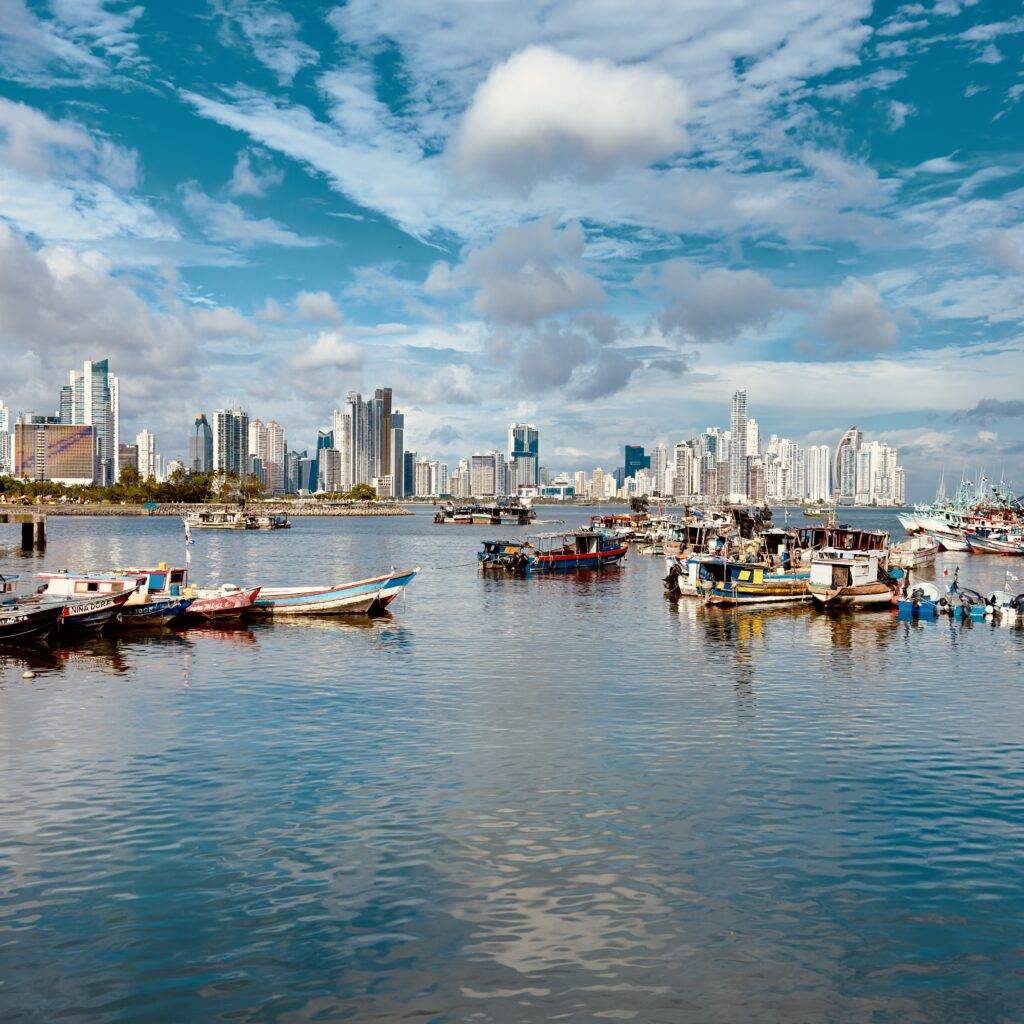
We came to the Amador Causeway with the expectation of a day that would highlight Panama’s natural richness and abundance of things to do in Panama. We found exactly that-just at a smaller, quieter, more honest scale than the marketing suggested. The Smithsonian visit surprised us by being genuinely educational in a way that changed how we think about tropical forests. The BioMuseo was fine, forgettable but pleasant. The heat was real. The crowds were minimal. The sloths didn’t appear.
And somehow, that made the day better than if everything had been picture-perfect.
For families planning trips to Panama or deciding what to include in your visit to Panama City, ask yourself what you actually need. Do you need daily wildlife drama, or do you need open space and a break from intensity? Are your kids interested in learning about tropical ecosystems, or are they past that phase? How much heat tolerance does your whole family actually have? What other places to visit in Panama are on your itinerary?
Answer those questions honestly, and you’ll know whether this day belongs in your itinerary or whether you’d rather spend your things to do in Panama City differently-and either way, you’ll be making the right choice for your family.
We’re glad this was ours.
Have you spent time on the Amador Causeway with kids? What worked for your family? The planning details matter more than the hype for families deciding whether things to do in Panama City are actually worth their time and money. Share your honest experience in the comments.
FAQs: Visiting Panama City With Kids
Is Panama City a good place for families?
Yes — Panama City can work very well for families, but only if expectations are realistic. It’s best for short stays, cultural stops, and wildlife experiences rather than a non-stop kid attraction city. Families who pace their days, use Uber, and mix outdoor time with air-conditioned museums tend to have the best experience.
Is Panama City safe to visit with kids?
In general, yes — especially in neighbourhoods like El Cangrejo, Punta Pacifica, and Amador. Like most large cities, there are areas families should avoid, particularly parts of El Chorrillo and neighbourhoods far from tourist routes. Using Uber, avoiding late-night wandering, and sticking to well-known areas makes Panama City feel comparable to many major cities families already visit.
What are the best things to do in Panama City with young kids or toddlers?
The most toddler-friendly activities are those with open space and flexible pacing. The Amador Causeway, short wildlife walks, BioMuseo’s interactive exhibits, and relaxed coastal areas work better than long museum visits or packed walking tours. Heat and naps matter more here than ticking off attractions.
Where should families stay in Panama City?
Most families do best staying outside Casco Viejo and visiting it instead. Areas like El Cangrejo, Punta Pacifica, and parts of Amador offer quieter streets, easier transport, and better access to food and parks. Choosing a calm base makes a noticeable difference to how manageable the city feels with kids.
How many days do you need in Panama City with kids?
For most families, 2–3 full days is enough. That allows time for the canal or museums, a wildlife-focused morning, and relaxed exploration without exhaustion. Panama City works best as part of a wider itinerary rather than a place to linger for a full week with children.