Peru vs Ecuador: Which Country Is Better for Travel in 2025? (From a Family Who Spent Months in Both)
If you’re deciding between Peru and Ecuador, here’s the quick answer:
Peru is better for big-ticket adventures like Machu Picchu, Colca Canyon, Rainbow Mountain and world-class cuisine. Ecuador is better for slower, easier travel, safer cities, and more family-friendly logistics. We’ve spent months travelling both countries with kids, and which one is “better” depends entirely on the pace you want, your budget, and how adventurous your family feels.
When we first planned our trip through South America, we thought choosing between Ecuador and Peru would be simple. It wasn’t. After travelling for months through both countries, from Mindo’s cloud forests and Cuenca’s calm streets to Peru’s surf towns, desert oases, high-altitude cities and bucket-list icons, we realised each country offers something completely different, especially for families.
Ecuador gave us routine, walkable cities, safe neighbourhoods, and the gift of slow travel. Peru gave us wild adventure: 3 a.m. Colca Canyon wake-ups, dusty desert tours, long buses, world-class food, and moments that felt almost cinematic (Rainbow Mountain at sunrise, watching condors rise from the cliffs…).
So if you’re stuck choosing between the two, this guide is our honest take, what felt easier, what challenged us, what surprised us, and what we’d choose depending on the kind of trip you want.
Also check below the tools we use for travel:
🚗 Getting around: You can Rent a car or use Uber to get around.
🗺️ Top day trip: We always check here to see what awesome tours there are for which country
📱 Data: Buy an Airalo eSIM before you fly.
🛡️ Insurance: Lightweight family insurance coverage


QUICK ANSWER: Peru vs. Ecuador (Which One Should You Choose?)
If you want the short version, both countries are incredible, but they shine in totally different ways.
Choose Ecuador if you want:
✔️ Easier travel with kids
✔️ Walkable, safe-feeling cities (Cuenca, Mindo)
✔️ Shorter travel distances
✔️ Reliable Wi-Fi + easier remote work
✔️ Cloud forests, wildlife, calmer pace
✔️ A destination perfect for a 1–3 week trip
Choose Peru if you want:
✔️ Big, dramatic bucket-list experiences (Machu Picchu, Rainbow Mountain, Colca Canyon)
✔️ Variety – coast, desert, mountains, jungle
✔️ Unbelievable food (sorry Ecuador… Peru wins)
✔️ Bigger adventures and more “wow” moments
✔️ A place that feels more rugged and exciting
For families?
Ecuador is easier.
Peru is more epic.
We travelled both with kids, and honestly, the best choice depends on your energy, your travel style, and the kind of memories you want to make.

Which Country Feels Safer, Peru or Ecuador?
Safety is usually the first thing people ask us about, and honestly, we felt the difference immediately when moving between the two countries.
Ecuador: Calm, walkable, and generally predictable
In Ecuador, places like Cuenca, Mindo, and Baños felt genuinely safe, the kind of safe where you walk home after dinner without feeling tense, where the kids can run ahead a little, where daily life feels steady and familiar.
Cuenca especially feels almost European in its walkability and calm.
Baños is busy but friendly, full of families and adventure travellers.
Mindo feels like a cloud-forest village where time moves slower.
You still use common sense, of course, but day-to-day life felt relaxed and easy.
Peru: Safe in many places - but more variable
Peru is a different rhythm. We never felt unsafe, but the vibe shifts more from city to city:
Cusco felt extremely safe, families everywhere, calm streets, tourism-heavy.
Arequipa felt warm, friendly, and easy to navigate.
Máncora, Lobitos, Huanchaco were safe enough but required a little more awareness (surf towns always do).
Lima depends heavily on the neighbourhood, Miraflores is safe, central Lima less so.
Protests (when they happen) can disrupt travel even if they don’t affect tourists directly.
Peru isn’t unsafe, it’s just more… dynamic. More variables. More moments where you stay aware.
Read: Ultimate Guide to Arequipa With Kids
Our Experience (The Honest Part)
With kids, Ecuador felt calmer overall.
Peru felt more exciting, but we were more intentional, choosing safer neighbourhoods, planning routes, checking updates during protest periods.
Ecuador = safer feel overall, especially for families
Peru = safe in most popular areas, but more variation
Both are absolutely doable and wonderful, you just travel them slightly differently
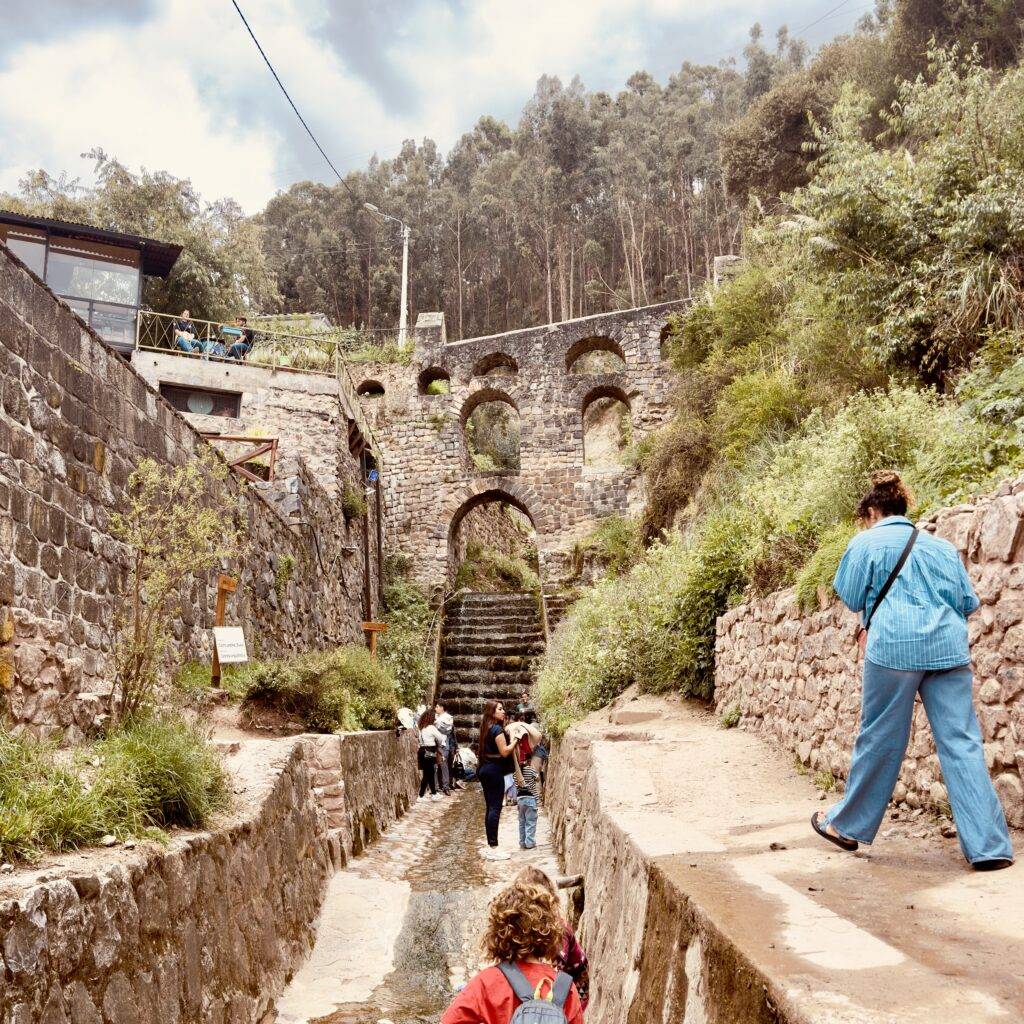
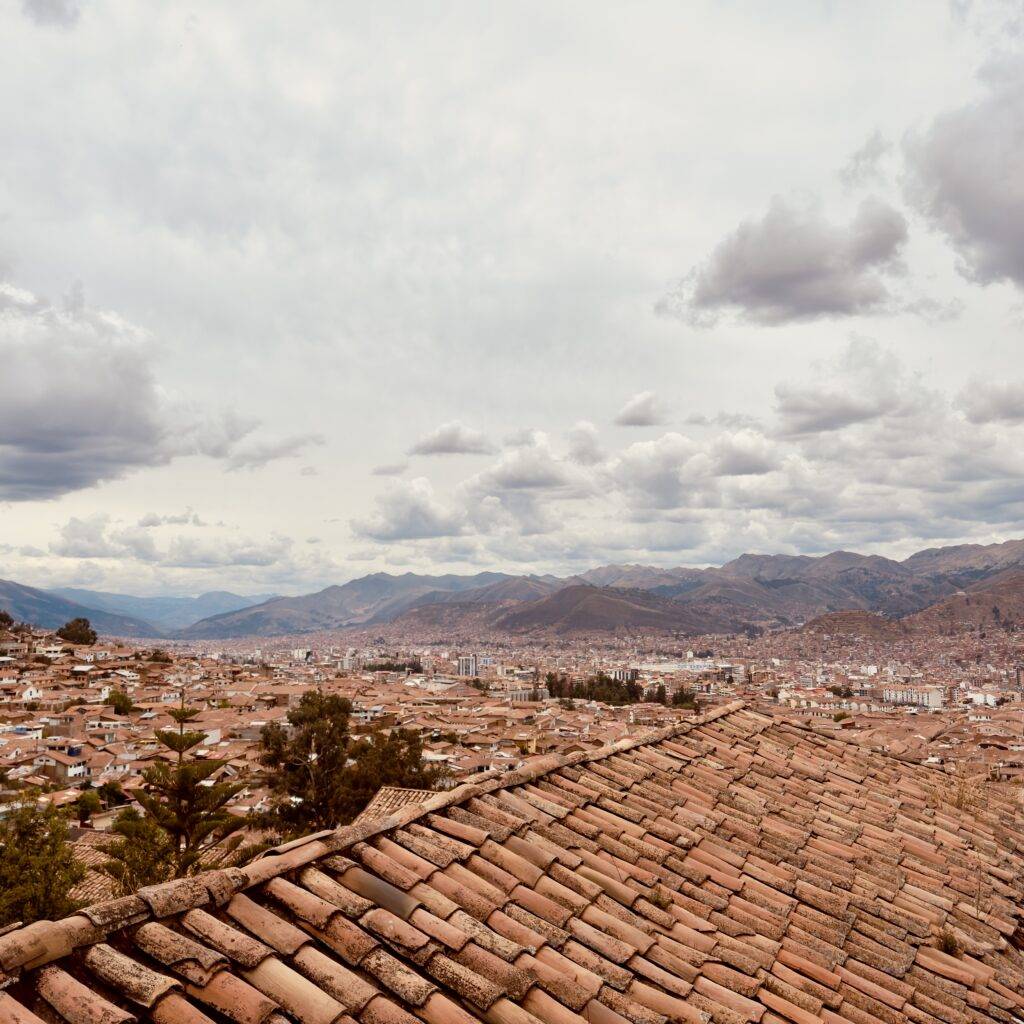
Which Country Is Cheaper? (Peru vs Ecuador)
Money hits differently when you’re travelling long-term with kids. It’s not just “backpacker cheap vs expensive” it’s meals, snacks, buses, laundry, SIM cards, coffees you need, and accommodation that doesn’t make your children feral.
After months in both countries, here’s how the costs realistically play out.
Ecuador: Slightly more expensive day-to-day
Ecuador surprised us a bit. Not expensive, just consistently a little more across the board.
Food
Restaurants cost more than Peru (most meals were $4–8 USD per plate).
Cafés were pricier but had great quality.
Juice stands + bakeries are excellent value.
Accommodation
Cuenca, Baños, Mindo → slightly higher prices for mid-range stays.
Very family-friendly options though.
Transport
Cheap and fast, buses cost very little and distances are short.
You spend less overall because you’re not travelling all day.
Tours
Reasonable but not as cheap as Peru.
Amazon tours + Galápagos = big-ticket items if you choose them.
Overall: Ecuador is affordable, but not “ultra-budget.”
Expect to spend a little extra for comfort.
Peru: Cheaper overall + more range
If you’re budget-conscious, Peru gives you more flexibility.
Food
Menus del día ($2.50–$4) are everywhere.
Portions are big.
Arequipa + Cusco had ridiculously good food for low prices.
Accommodation
Wide range from budget to beautiful boutique stays.
Cheaper than Ecuador on average.
Transport
Buses can be long, but prices are low.
Cruz del Sur-style “luxury buses” are still very affordable.
Tours
Peru wins here.
Colca Canyon, Rainbow Mountain, Sacred Valley, Huacachina, all significantly cheaper than similar experiences in Ecuador.
Overall: Peru is the cheaper country, especially for families who value good food and comfortable stays without the premium price tag.
Our Experience (The Part People Don’t Say Out Loud)
In Ecuador, we felt like we were spending small amounts all the time.
In Peru, we felt like our money stretched further, especially on food and tours.
Cost Summary:
Peru = cheaper
Ecuador = reasonably priced but slightly higher across most categories
Neither will drain your wallet… but Peru definitely gives more value per day.
Read More: The Ultimate Baños Bucket List
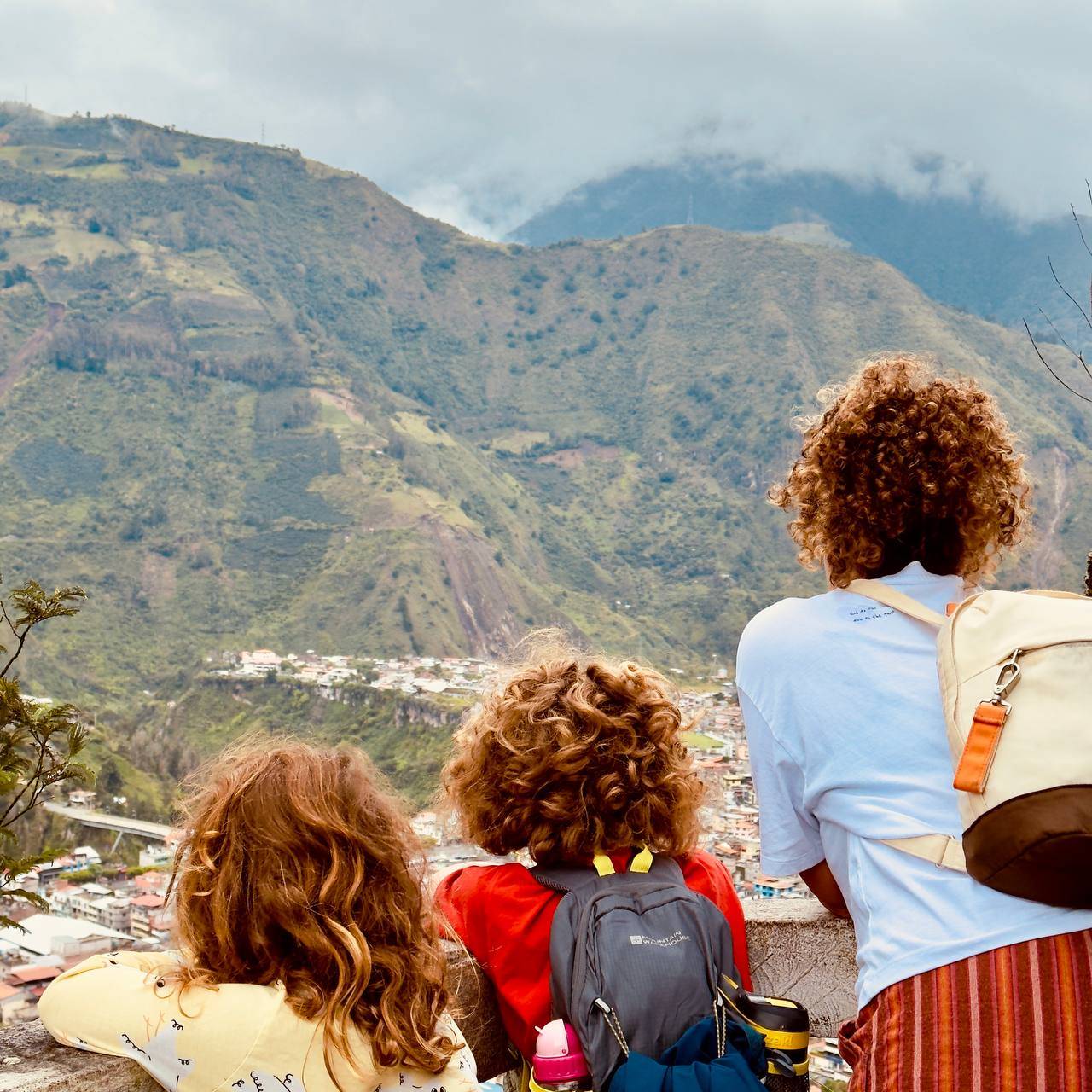
Which Country Is Easier to Get Around?
This is one of the biggest differences between Peru and Ecuador and honestly one of the biggest deciding factors for families. Both countries are amazing, but the way you move through them feels completely different.
Ecuador: Short Distances, Smooth Travel, Zero Drama
Ecuador is a dream for families who hate long travel days. Everything is close. Buses are frequent. Distances are short. And the roads (generally) feel well-kept.
Typical Ecuador travel times:
Quito → Mindo: 2 hours
Mindo → Quito: 2 hours
Quito → Baños: 3–4 hours
Baños → Cuenca (via Ambato): 5–6 hours
Cuenca → Coast: 3–4 hours
You can cover entire landscapes in half a day without anyone melting down emotionally (parent or child).
What it feels like:
No rushing.
No 10-hour hauls.
No midnight arrivals unless you choose them.
Easy to slot schoolwork into mornings and travel in afternoons.
Ecuador gives you variety without exhaustion, and that’s gold for long-term travel.
Peru: Bigger Country, Bigger Distances
Peru is vast, dramatic, and full of adventure, and the travel reflects that.
You rarely go “just a couple hours.” Everything is spread out, and that can be magic or mayhem depending on your energy.
Typical Peru travel times:
Lima → Ica/Huacachina: 4–5 hours
Ica → Nazca: 2 hours
Nazca → Arequipa: 9–10 hours
Arequipa → Colca Canyon: 3–4 hours
Arequipa → Puno: 6 hours
Puno → Cusco: 7–8 hours
Cusco → Sacred Valley towns: 1–2 hours
Cusco → Rainbow Mountain: 3–4 hours (early wake-up required)
You can do it, we did, with kids but it’s not “light travel.”
What it feels like:
Long buses become part of the lifestyle.
Early starts… lots of them.
Kids get tired faster.
You plan days around recovery after long legs.
It’s doable and beautiful, but definitely more demanding.
Also Read: Busbud vs Redbus
Our Honest Take
If you want ease → Ecuador wins.
If you want scale and drama → Peru wins.
Peru makes you work a little harder, but it rewards you with some of the most unforgettable places on the continent.
Ecuador keeps everything tight and simple, so you can travel without losing your rhythm.
Travel Summary:
Ecuador = easy, compact, family-friendly movement
Peru = long distances but worth it for the landscapes

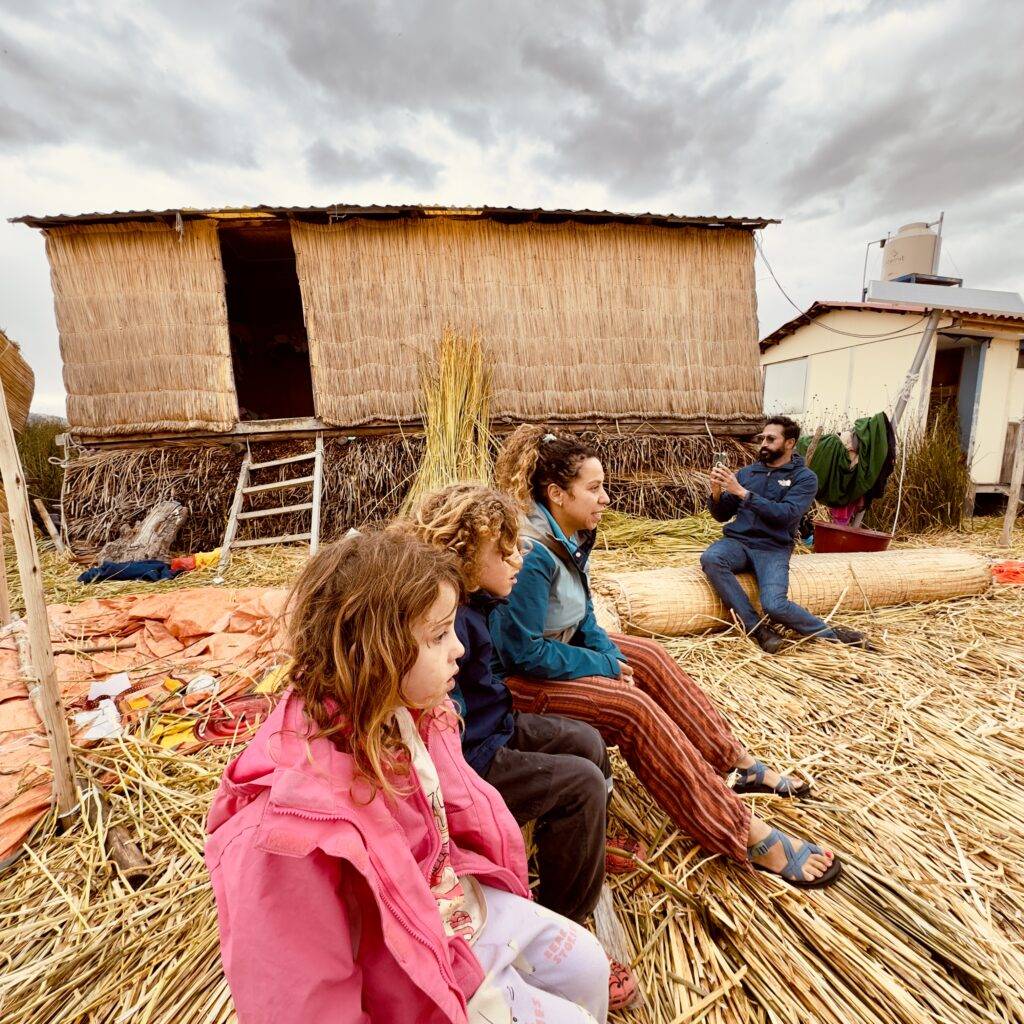
The Deciding Factor Nobody Talks About (But Every Family Feels)
Altitude changes everything, energy, mood, sleep, appetite, how kids cope, how you cope. And the altitude difference between Peru and Ecuador is massive. Honestly, this was one of the biggest things we didn’t fully understand until we were deep into both countries.
Peru: Beautiful, but HIGH. Really high.
Most of Peru’s iconic places sit at altitudes your body definitely notices.
Cusco: 3,400m
Sacred Valley: 2,800m
Colca Canyon viewpoints: 3,600–4,900m
Puno / Lake Titicaca: 3,800m
Arequipa: 2,300m (nice transition altitude)
Rainbow Mountain: 5,000m+ (yes, it’s as intense as it sounds)
Peru is incredible, but it demands acclimatisation.
What altitude meant for us as a family:
Slower days at the start
More breaks
Kids feeling tired earlier
Occasional headaches
Lots of water and early nights
Planning activities around oxygen levels and energy
We still loved Peru, but it’s not the place to land and immediately expect full energy.
Also Read: Colca Canyon With Kids
Ecuador: High spots exist, but they’re optional
Ecuador has altitude, Quito and Cotopaxi are no joke but the difference is you can easily avoid the very high areas if you want to.
Quito: 2,800m
Cuenca: 2,500m
Cotopaxi: 3,800m (if you choose to visit)
Baños, Mindo, Coast: low altitude
You can build an entire Ecuador itinerary below 2,000m and never think about altitude once. This makes Ecuador extremely family-friendly, especially with younger kids.
What altitude felt like in Ecuador:
Manageable
Easier transitions
Fewer symptoms
Less planning required
Kids adjusted quickly
We barely thought about it after the first few days.
The Honest Family Verdict on Altitude
If your kids (or you) struggle with altitude → Ecuador is the easier, happier choice.
If you want the big Peruvian highlights → plan a slow arrival and drink more water than you ever thought possible.
Altitude isn’t a deal-breaker in either country, but it shapes the experience more than people expect.
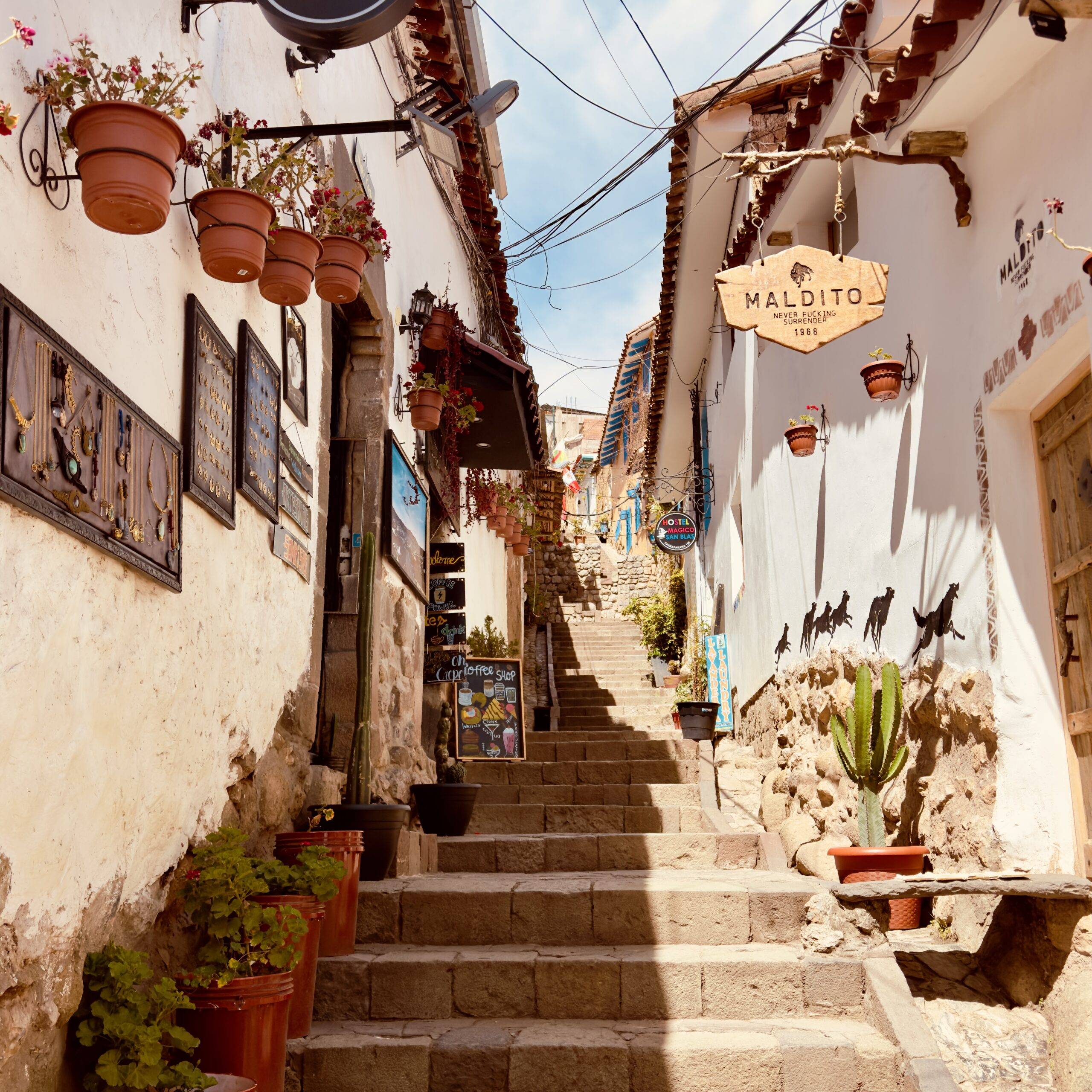
What Each Country Is Actually Best At
Both Peru and Ecuador are packed with incredible places, but the type of experience you get in each is very different. One is big, dramatic, cinematic. The other is intimate, nature-filled, and surprisingly gentle. Neither is better, they’re just built for different travel styles.
Here’s how the highlights compare based on what we actually lived.
PERU
Peru hits you with scale. Everything feels oversized, the mountains, the canyons, the history, the food, the cities, even the bus rides. It’s a place where almost every day delivers one of those “how is this real?” moments.
The big Peruvian highlights we experienced:
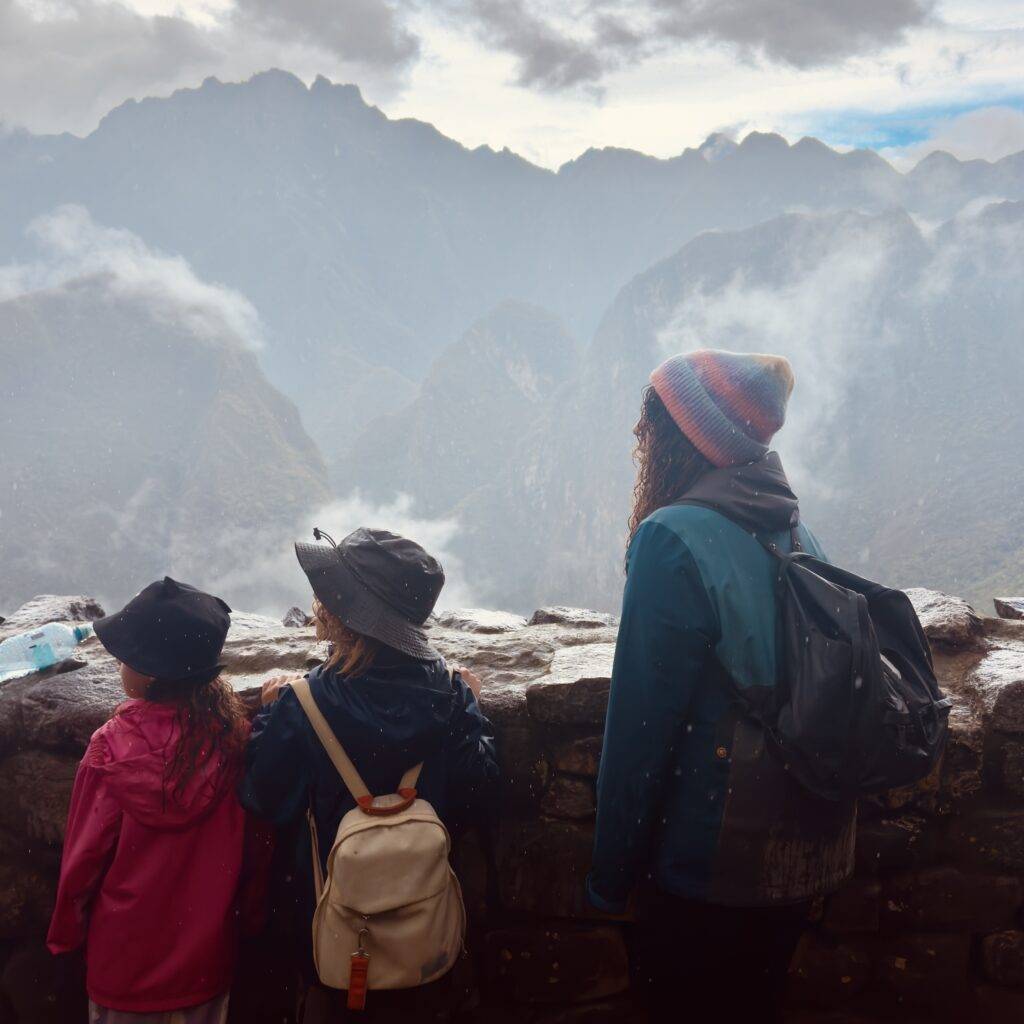
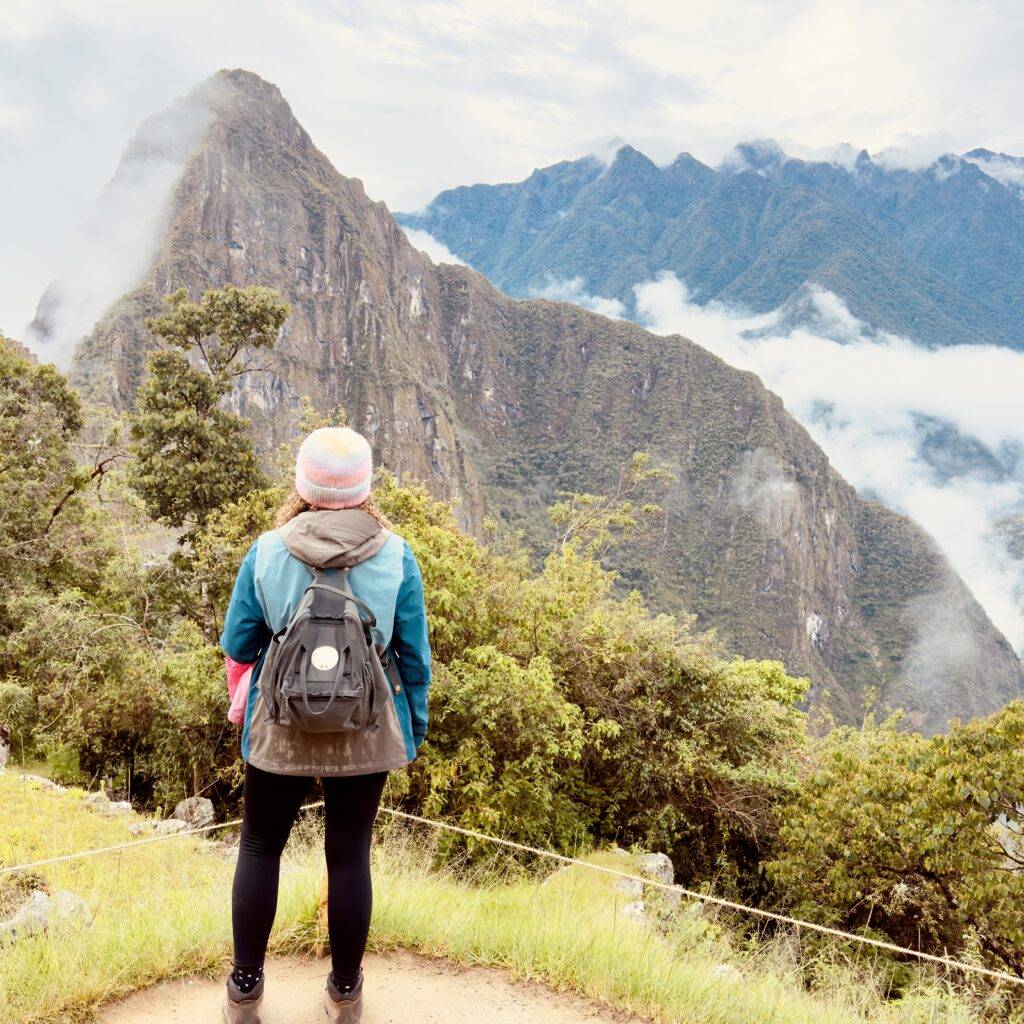
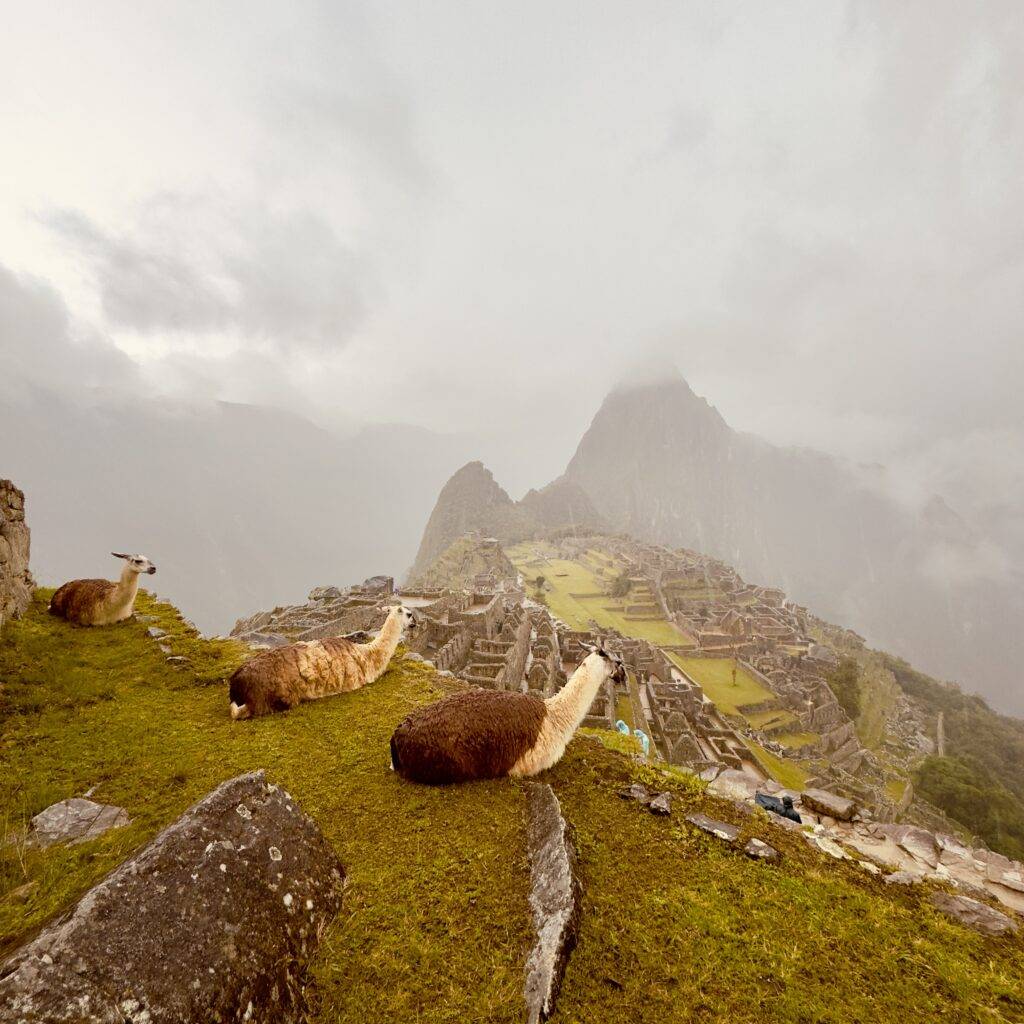
Machu Picchu — nothing prepares you for the view as the clouds lift.
Colca Canyon — 3 a.m. start, condors rising from below, one of the best days of our trip.
Rainbow Mountain — tough, beautiful, brutal, unforgettable.
Sacred Valley — Pisac, Maras, Moray… the landscapes are insane.
Huacachina — dune buggies, sandboarding, pure chaos and joy.
Amazon rainforest — wildlife, river rides, night walks, real adventure.
Coastal surf towns — Máncora, Lobitos, Huanchaco; warm water and slow days.
What Peru does best:
Big scenery
Big history
Big stories
Big emotions
It’s a country that stays with you.
ECUADOR
Ecuador is like someone compressed all of South America into a country the size of a pocket map. Everything is close, calm, and surprisingly varied. You move from cloud forests to waterfalls to colonial cities in a single day without feeling wrung out.
The Ecuadorian highlights we experienced:
Mindo — cloud forest magic, hummingbirds, chocolate tours, waterfalls.
Baños — swings, hot springs, rafting, zip lines, endless kid-friendly adventure.
Cuenca — safe, calm, routine, cafés, plazas, normal life but better.
Quito — culture, viewpoints, cable cars, history.
The Amazon (Tena/Cuyabeno) — wild, accessible, and surprisingly affordable.
The Coast — quiet surf spots, warm weather, easy going.
(Galápagos too,but that’s a separate budget category.)
What Ecuador does best:
Nature
Wildlife
Accessible adventure
Relaxed travel days
Family rhythm
Affordable Amazon experiences
Safe-feeling cities
It’s the country you exhale in.
Also Read: Things To Do In Baños with Kids
Our Honest Take (Attractions Edition)
Peru gives you the moments that end up as the screen-saver on your laptop.
Ecuador gives you the days that help you remember why you’re travelling in the first place.
Peru is the trip.
Ecuador is the lifestyle.
And both are absolutely worth it.

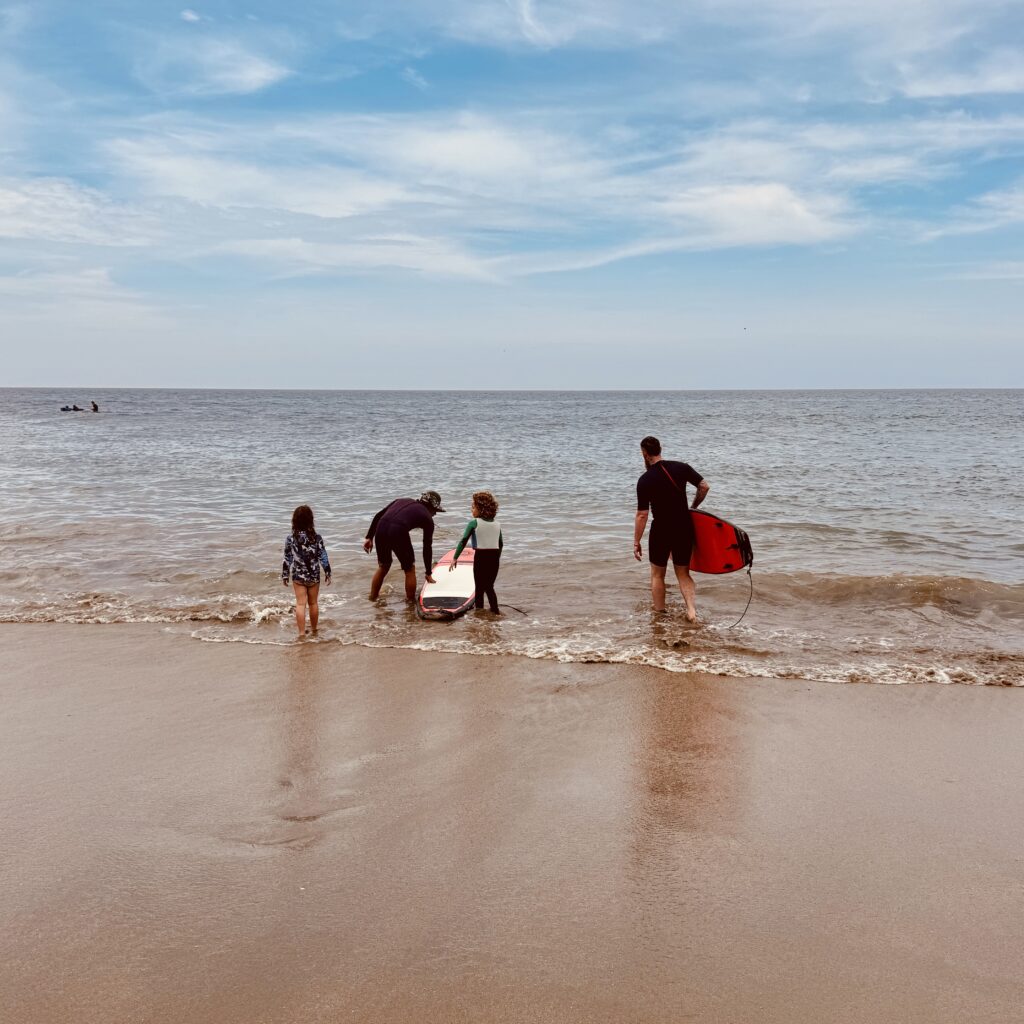
Which Country Actually Has Better Food?
Food is a huge part of travel for us, partly because we love trying new things, and partly because feeding kids three times a day in a new country can make or break your sanity. And honestly? The food difference between Peru and Ecuador is one of the clearest comparisons of the entire trip.
Peru: The Food Is Next-Level
Peru is famous for its cuisine, and the reputation is absolutely deserved. From tiny almuerzo spots to full-on restaurant meals, we ate well everywhere, like, shockingly well.
What stood out in Peru:
Menus del día for £2–£4 that tasted like something you’d get back home for £15.
Arequipa’s food scene, which might be one of the best we’ve ever experienced.
Lima, which could have kept us happily eating for months.
Ceviche that tasted like electricity and sunshine.
Portions that kept both kids full — a miracle in itself.
Even on long travel days, the food felt like a reward.
Kid verdict:
- They actually ate the food.
- Happily.
- Regularly.
- This alone puts Peru ahead.
Ecuador: Simple, comforting, and surprisingly good
Ecuador’s food isn’t trying to impress you, it’s trying to feed you. And in its own way, it does the job beautifully.
What we loved in Ecuador:
Soups – honestly some of the best soup we’ve ever had anywhere.
Fresh fruit juices the kids loved.
Bakeries – cheap, good, everywhere.
Cuenca cafés, which were a dream for work + snacks.
Baños for variety (vegan, budget, international).
Ecuadorian food won’t blow your mind, but it will quietly make you happy.
Kid verdict:
Mixed. Some hits, some misses.
Breakfast was usually easy, dinners took more negotiating.
Our Honest Food Verdict
If food is a big part of your travel joy → Peru wins, easily.
If you’re happy with simple, hearty meals → Ecuador is perfectly fine.
But Peru?
Peru is where you start planning your next meal before you finish the one you’re eating.

Which Country Works Better With Kids?
Travelling with kids changes everything. The “best” country isn’t the one with the most famous landmarks, it’s the one where your family keeps its rhythm, finds food everyone will actually eat, and has more good days than overwhelmed ones. And Peru vs Ecuador gave us two very different parenting experiences.
Ecuador: The Easier, Gentler Choice for Families
If you want smooth days, shorter journeys, safe-feeling streets, and a slower pace, Ecuador is built for families.
Why Ecuador works so well with kids:
✔️ Short travel days – no 10-hour buses, no early mornings unless you choose them.
✔️ Safe-feeling cities – Cuenca especially gave us total peace of mind.
✔️ Nature that’s accessible – cloud forests, waterfalls, wildlife without extreme conditions.
✔️ Reasonable altitude – kids cope MUCH better here than in Peru.
✔️ Family-friendly activities – swings, cable cars, jungle lodges, chocolate tours, hot springs.
✔️ Less overstimulation – easier days, calmer streets, breathable pace.
What our kids loved most in Ecuador:
the thermal pools in Baños
scooter races in Cuenca’s parks
endless fresh juices
watching waterfalls every single day in Baños
Ecuador lets kids be kids while still giving you adventure. It’s the family travel sweet spot.
Read: One Week In Ecuador With Kids
Peru: The More Intense Country… But Also the More Epic
Peru is unbelievable — but it’s a LOT with little ones.
The long distances, the altitude, the early wake-ups… all of it adds up.
Still, it also gave our family some of the most unforgettable moments of our trip.
Why Peru is incredible (and a bit challenging) for families:
✔️ Iconic experiences – Colca Canyon, Machu Picchu, Rainbow Mountain? Unreal.
✔️ Amazing kids’ memories – giant dunes, condors, llamas, train rides, jungle hikes.
✔️ Food they actually ate – this was a huge win.
✘ Altitude – kids feel it quickly.
✘ Long buses – you need snacks, patience, and a sense of humour.
✘ Early mornings – some days start at 3 a.m.
What our kids loved most in Peru:
sandboarding down huge dunes in Ica
spotting condors for the first time
alpacas (everywhere)
surfing in Máncora and Lobitos
fresh juices + warm weather on the coast
the train to Machu Picchu
Peru creates big family memories, the kind they’ll retell later but you work for them.
Read: Sandboarding In Huacachina
The Honest Verdict (Parent to Parent)
If you want EASY → choose Ecuador.
Routine, safety, calm, short distances, low altitude.
Kids thrive here.
If you want EPIC → choose Peru.
Bigger adventures, bigger landscapes, bigger stories.
Kids remember Peru forever.
If you want both?
Start in Ecuador to find your rhythm.
Then head to Peru for the big moments.
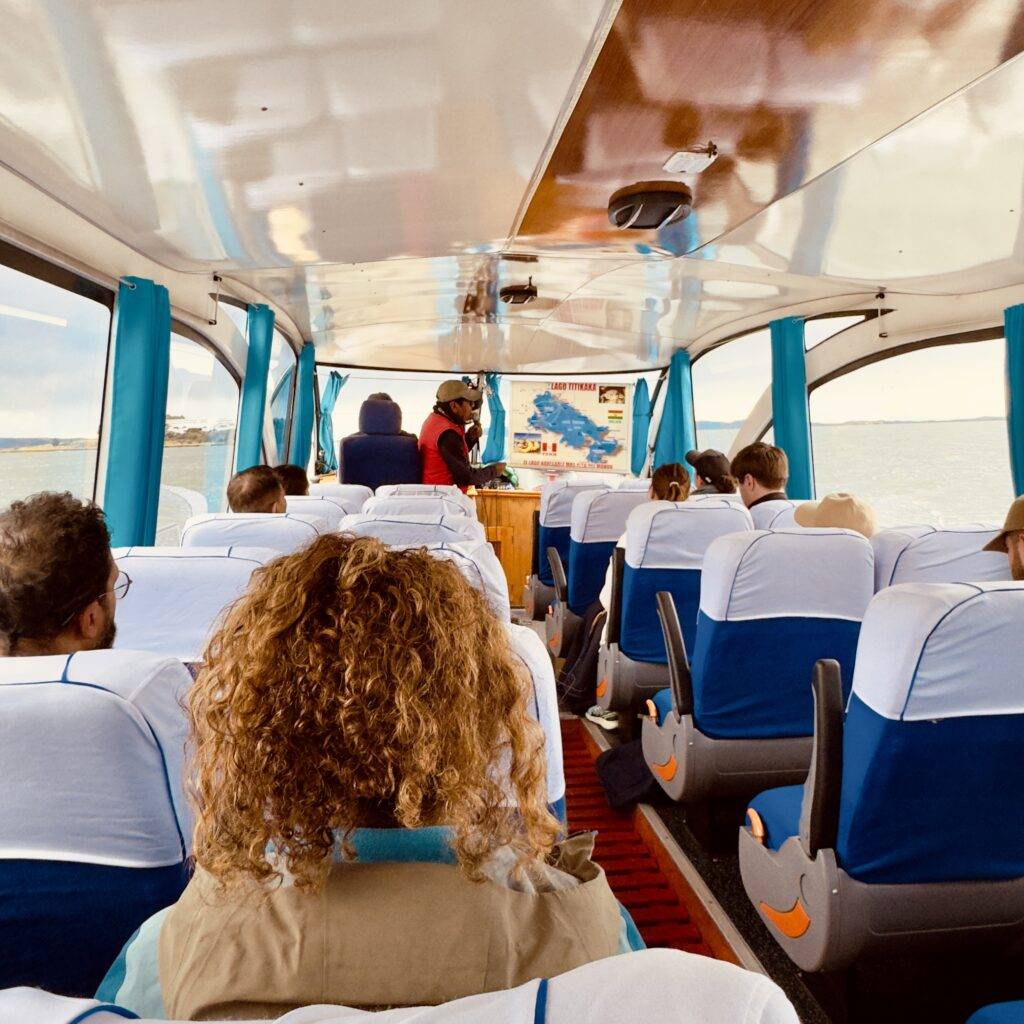
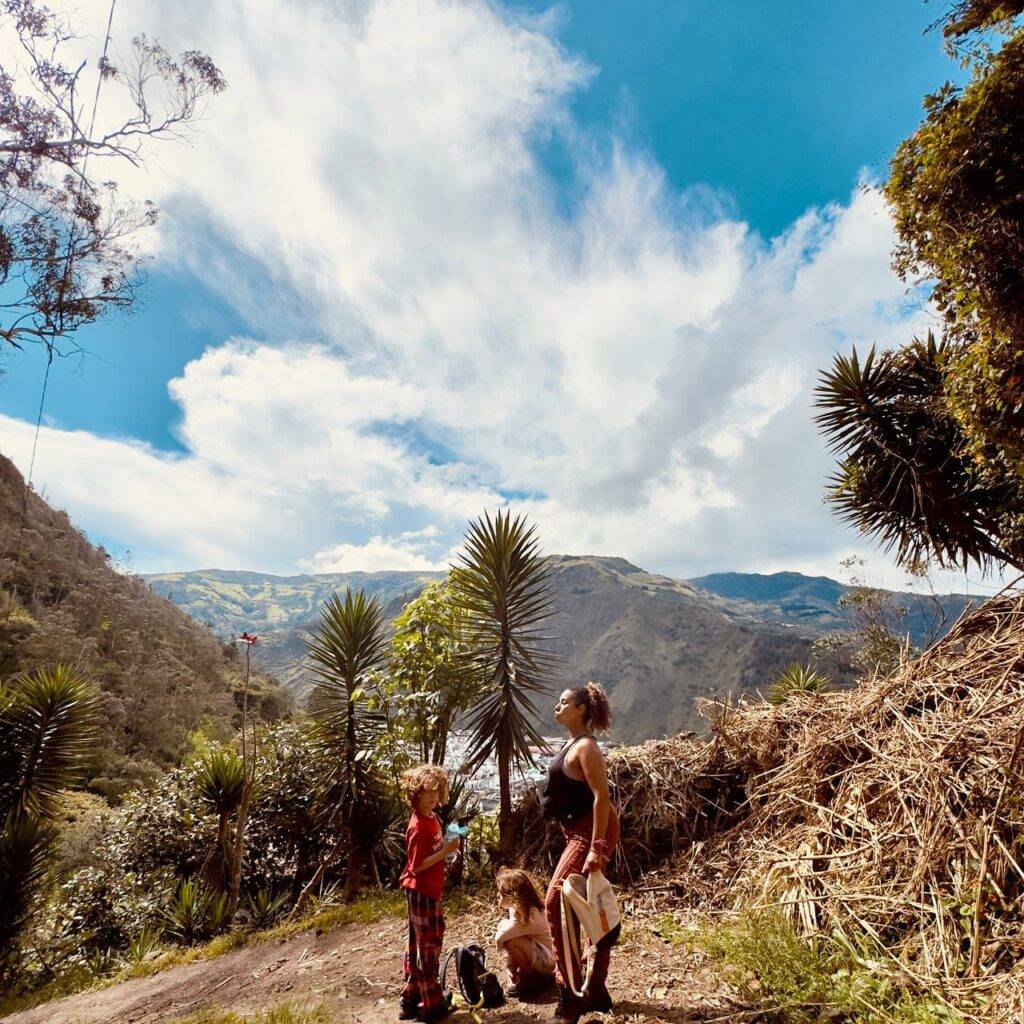
Peru vs Ecuador for Remote Work
Remote work on the road looks glamorous on Instagram, but in real life it’s Wi-Fi roulette, noise from the street below, kids asking for snacks mid-Zoom, and you trying to finish something before the next bus ride. And this is where Ecuador and Peru feel wildly different.
Ecuador: Predictable, Walkable, Actually Doable for Remote Work
Ecuador is the country where our work rhythm finally felt like… a rhythm.
Why Ecuador works so well for remote work:
✔️ Reliable Wi-Fi in Cuenca, Baños, and most mid-range cafés
✔️ Walkable cities → less transport, more time
✔️ Safe to carry a laptop around without that little voice in your head
✔️ Family-friendly cafés that didn’t glare at us for existing
✔️ Short travel days → more consistent work blocks
✔️ Apartments with good setups (especially Cuenca)
Cuenca specifically:
It became our unofficial “office city.”
We worked from cafés, benches in shaded parks, and our Airbnb and it all worked. The kids had parks, we had Wi-Fi, the vibe was calm. It was the easiest place in South America for us to blend work + life.
Nomad Verdict: Ecuador is ideal for remote-working parents who need stability.
Peru: Incredible, Inspiring… and Chaotic for Remote Work
We loved Peru, deeply. But it’s not the easiest country to work in while travelling with kids. The pace is bigger, the distances are longer, and the days are more unpredictable.
Peru’s digital nomad pros:
✔️ Lima has some of the best Wi-Fi in South America
✔️ Arequipa surprised us with great cafés and strong connections
✔️ Cusco was workable, not perfect, but manageable
✔️ INSANE inspiration everywhere (not quantifiable but powerful)
Peru’s challenges for nomads:
✘ Long travel days → entire days disappear
✘ Altitude fatigue → your brain works slower at 3,400m
✘ Tours start early — 3 a.m. alarms do not mix with deadlines
✘ Coastal towns (Máncora, Lobitos, Huanchaco) have inconsistent Wi-Fi
✘ Less walkability in some cities → more time lost in transit
You can work in Peru, we did but it takes more planning, more patience, and more backup hotspots.
Nomad Verdict: Peru is doable… but you must adjust expectations.
You’re here for adventure, not deep focus.
Our Honest Digital Nomad Summary
Ecuador is where your remote-work life functions.
You get your hours in, the kids stay sane, and everyone finds their groove.
Peru is where the magic happens, but routines get messier.
You’ll get work done, sure, just not with the same consistency.
If you’re balancing work + kids + travel:
Choose Ecuador for stability
Choose Peru for inspiration
Do both if you can
Your nervous system will thank Ecuador.
Your heart will thank Peru.
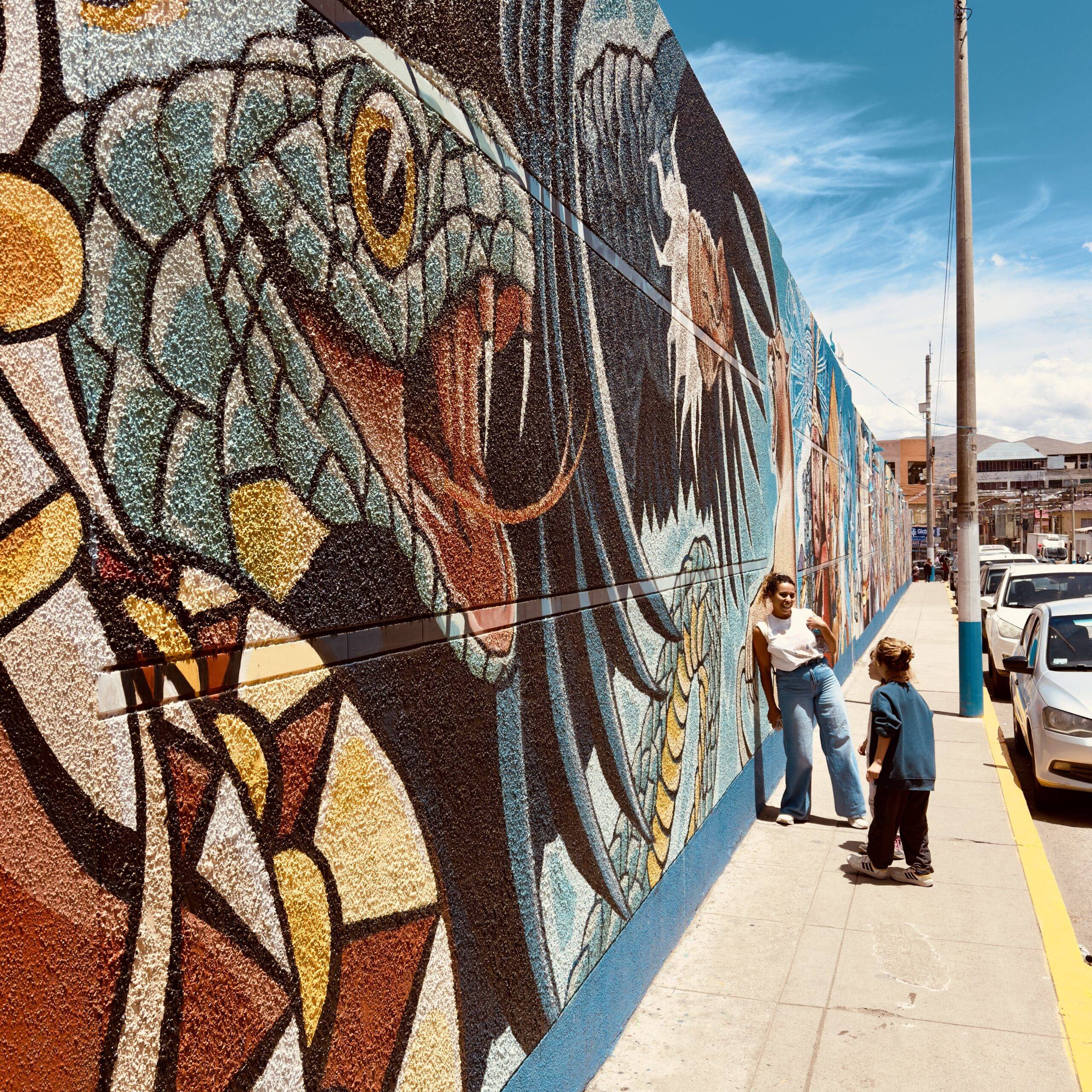
WHICH COUNTRY WINS FOR WHICH TRAVELLER TYPE?
Not every traveller wants the same thing, and honestly, Peru and Ecuador feel like two totally different versions of a South American trip. Here’s the simplest way to choose based on the kind of traveller you are, or the kind of trip you want.
Families With Kids → Ecuador wins
Ecuador just works for families.
Short travel days, calmer cities, predictable routines, lower altitude, and endless nature without the overwhelm.
Your kids will thrive, and you’ll feel more relaxed.
Backpackers & Adventure Travelers → Peru wins
Peru is the heavyweight:
Machu Picchu, Rainbow Mountain, Colca Canyon, Huacachina, the jungle, surf towns, the whole country feels like an adventure reel.
If you want big moments → Peru every time.
Digital Nomads → Ecuador wins (by a lot)
For remote workers, rhythm matters more than scenery.
Cuenca alone makes Ecuador an easy choice.
Stable Wi-Fi, walkable cities, safer feel, fewer exhausting travel days.
Peru is inspiring, but Ecuador is functional.
Also Read: Best eSIM for South America
Food Lovers → Peru wins easily
Peru is a food destination.
Even cheap menus are incredible.
Arequipa and Lima could be food trips on their own.
If cuisine matters, there’s no competition.
Nature & Wildlife Travelers → Ecuador wins
Cloud forests
Waterfalls
Amazon access
Birdlife
Baños adventures
Easy day trips
Ecuador feels like stepping into a wildlife documentary, without travelling far.
Culture, History & Landscapes → Peru wins
Sacred Valley
Inca sites
Colonial cities
High Andes
Deserts
Ancient geoglyphs
Peru delivers those jaw-drop, goosebump moments.
First-Time South America Travelers → Ecuador wins
It’s gentle, safe-feeling, easy to navigate, and perfect for easing into the continent without feeling overwhelmed.
Budget Travelers → Peru wins
Food, accommodation, and tours cost less.
Your money stretches further.
Want the easiest trip? → Ecuador.
Want the most unforgettable trip? → Peru.
Both are worth it, just for totally different reasons.
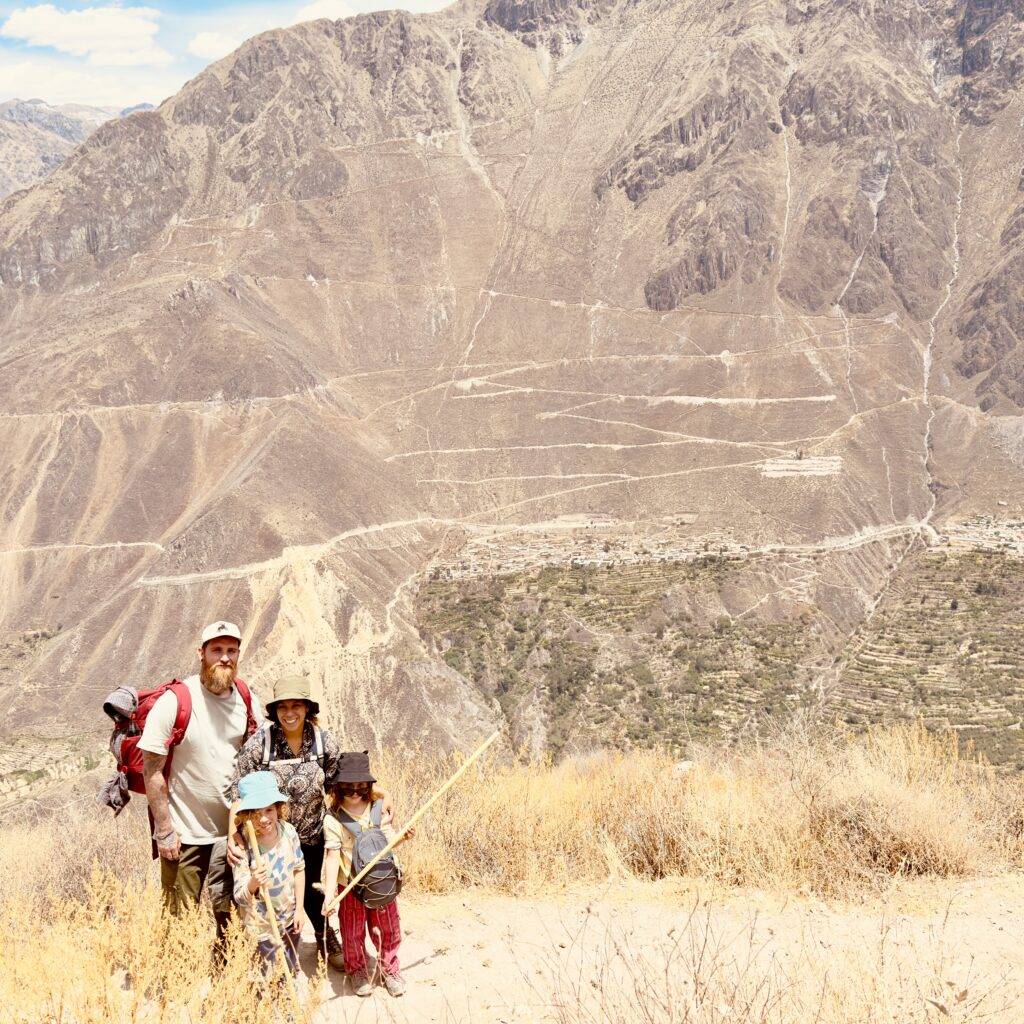
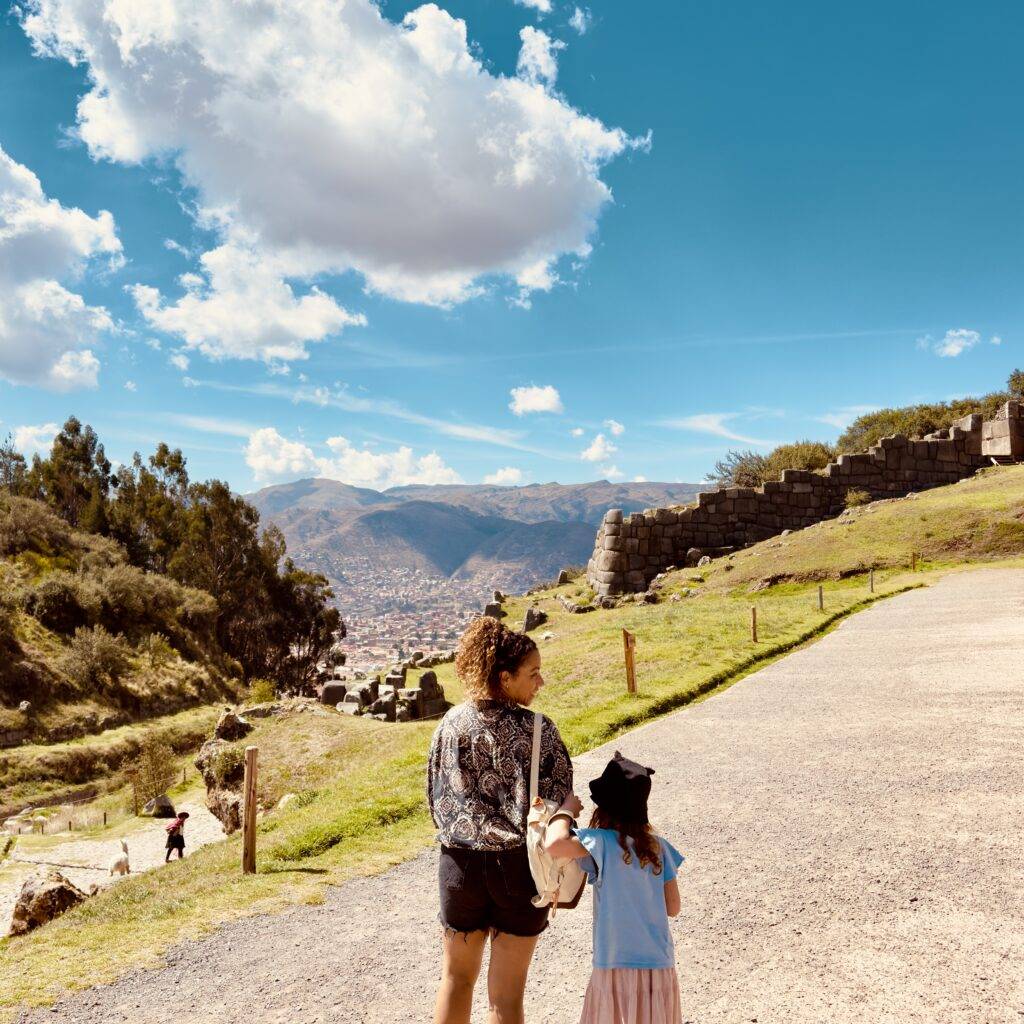
SAMPLE ITINERARIES (10 DAYS IN PERU + 10 DAYS IN ECUADOR)
If you’re trying to visualise what a trip might actually look like, here are two simple, realistic 10-day itineraries based on the exact routes we took, the ones that worked smoothly with kids, long-term travel, and a normal human energy level.
These can stretch to 2–3 weeks easily, but as a base, they’re solid.
10 DAYS IN PERU (Family-Friendly, High-Impact Route)
Day 1–2: Lima
Miraflores for ocean walks, great food, parks, and getting your bearings.
Day 3–4: Ica + Huacachina
Dune buggies, sandboarding, desert sunsets — one of our kids’ favourite stops.
Day 5: Nazca
Optional: Nazca Lines (surprisingly kid-friendly) + a quiet oasis at Hotel Majoro.
Day 6–8: Arequipa
Volcano views, plazas, chilled rhythm, great cafés. Ideal acclimatisation city.
Day 9: Colca Canyon Day Trip
Condors rising from below the cliffs = a top lifetime travel moment.
Day 10: Fly to Cusco
Wander the plazas, eat well, prep for Sacred Valley or Machu Picchu (extend here if you can).
Optional add-ons: Sacred Valley, Machu Picchu, Rainbow Mountain, Amazon.
(Insert Busbud + SafetyWing + Booking.com links naturally in the final article.)
10 DAYS IN ECUADOR (Short Distances, Easy Rhythm)
Day 1–2: Quito
Teleférico, historic centre, good food, good recovery time after flying in.
Day 3–4: Mindo
Cloud forest magic: chocolate tours, waterfalls, hummingbirds, tubing.
Day 5–6: Baños
A natural playground, swings, thermal pools, ziplines, viewpoints, adventure everything.
Day 7–10: Cuenca
One of the calmest, most liveable cities in South America.
Parks, cafés, markets, river walks, safe neighbourhoods.
Perfect for families, nomads, or anyone who wants to slow down.
Optional add-ons: Cajas National Park, coast, Tena jungle lodges.
(Insert Airalo/Nomad + Busbud + Booking.com links when drafting.)
Why These Itineraries Work
realistic travel distances
minimal altitude jumps
good balance of adventure + rest
kid-friendly pacing
fits both short and extended trips
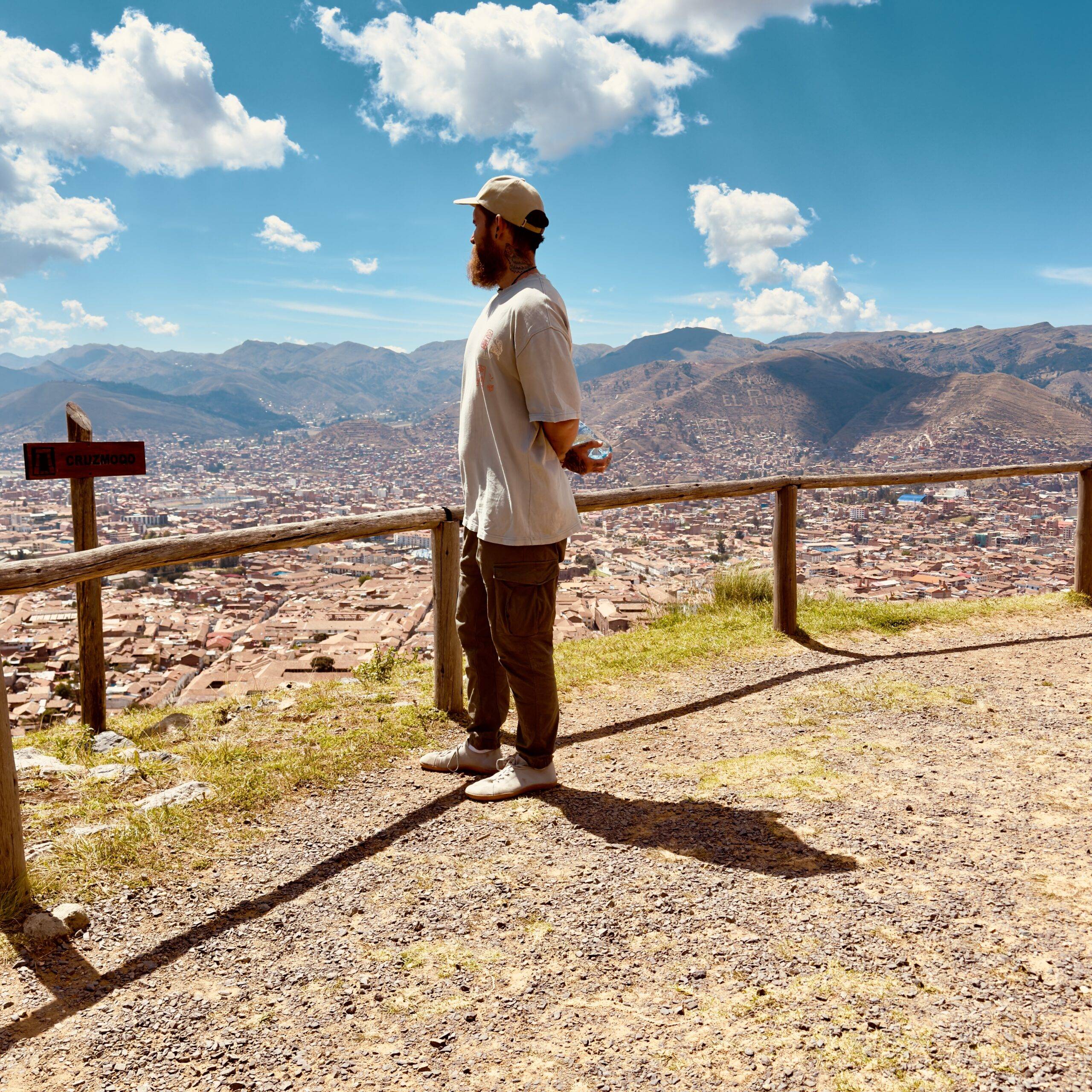
FINAL THOUGHTS: Our Honest Take After Travelling Both Countries With Kids
After months of moving through both countries, climbing volcano steps, weaving through markets, sharing soups in tiny comedor restaurants, watching condors rise from the canyon, chasing waterfalls in Baños, settling into life in Cuenca, surviving long bus days in Peru, and finding small routines in unexpected places, the truth is this:
Peru and Ecuador aren’t competing. They’re two completely different kinds of travel.
Ecuador felt like someone gently handed us our rhythm back.
– Days fell into place.
– The kids played more.
– We worked better.
– Life slowed down in the best possible way.
Peru felt like turning the volume up on the whole world.
– Bigger landscapes.
– Bigger feelings.
– Bigger memories.
– We were more tired, sure but also more alive.
If you asked us which country is “better,” we couldn’t choose.
But if you asked us which country is better for you, the answer depends on what you need right now:
If you’re craving ease, calm, nature, and travel that fits around real life → Ecuador
If you’re chasing those once-in-a-lifetime moments you’ll talk about for years → Peru
And if you want the full picture of South America? → Do both. They complete each other.
Both countries gave us something we didn’t know we needed.
Both shaped our journey.
And both are worth every single kilometre.
FAQs: Peru vs Ecuador (Honest Answers to Real Traveler Questions)
Is Peru or Ecuador safer for travel in 2025?
Ecuador generally feels safer, especially in cities like Cuenca, Mindo, and Baños.
Peru is safe in most tourist areas (Cusco, Arequipa, Sacred Valley), but safety varies more by region and city.
Both countries are very doable, you just travel a little differently in each.
Which country has better food, Peru or Ecuador?
Peru. Without question.
Peruvian food is world-class: Arequipa, Lima, Cusco, even cheap local spots are amazing.
Ecuadorian food is good, simple, and comforting, but Peru wins for variety and flavour.
Which is better for families, Peru or Ecuador?
Ecuador is easier: short travel days, low altitude options, safe cities, predictable rhythm.
Peru is more epic: bucket-list attractions, big landscapes, unforgettable moments.
If you want easy, choose Ecuador.
If you want wow, choose Peru.
Is Peru friendly to tourists?
Yes, especially in Cusco, Arequipa, Sacred Valley, and the major tourist routes.
People are warm, helpful, and used to travellers.
Just use the same awareness you’d use in any big city.
Is Ecuador worth visiting right now?
Absolutely.
Ecuador is one of the easiest, calmest, most diverse countries in South America, cloud forests, mountains, Amazon, beaches, all close together. Perfect for a 1–3 week trip.
What is the best month to visit Peru?
May–September is ideal (dry season), especially for the Andes, Machu Picchu, and Colca Canyon.
The coast is good almost year-round.
How many days do you need in Ecuador?
10–14 days works beautifully because distances are short.
You can see Quito, Mindo, Baños, and Cuenca without rushing.
Add Galápagos or the Amazon if you have extra time.
Is Peru or Ecuador cheaper?
Peru is cheaper: food, tours, and accommodation all stretch your budget further.
Ecuador isn’t expensive, just consistently slightly higher.
Which country is better for digital nomads?
Ecuador, especially Cuenca.
Reliable Wi-Fi, walkable cities, safe neighbourhoods, slower pace.
Peru is inspiring but requires more flexibility.
Which country should I visit first?
If it’s your first time in South America → Ecuador is the gentler, easier introduction.
If you’re chasing bucket-list adventures → Peru first.