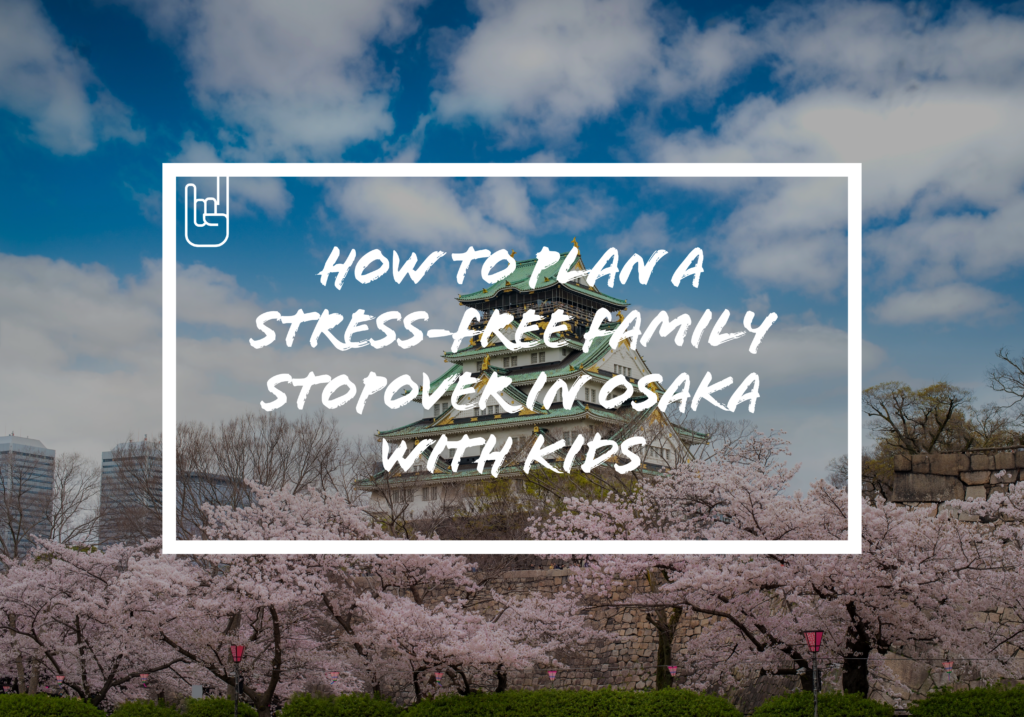
Traveling with kids is always an adventure, but managing a long-haul stopover in a bustling metropolis like Osaka requires a solid strategy. In early 2026, the Japan National Tourism Organization reported a record-breaking 42.7 million international visitors from the previous year. With inbound tourism booming, families are increasingly leaning toward flexible, do-it-yourself travel routines rather than rigid tour packages. Osaka, with its incredible food culture and vibrant energy, is a fantastic stopover destination. However, keeping the trip stress-free when you have tired children and heavy luggage means planning your logistics down to the last detail. From mastering the local transit network to picking the right accommodation, every choice matters.
Prioritize Seamless Airport Transfers and Accommodation
The most critical moment of any family stopover is the transition from the airport to your accommodation. Kansai International Airport is well-connected to the city center, but you want to avoid unpredictable road traffic and overcrowded commuter lines after a long flight. The Nankai Limited Express Rapid train is a lifesaver for parents. It offers a direct, fully reserved ride to Namba Station in just 34 to 38 minutes, complete with dedicated overhead luggage bins, clean restrooms, and guaranteed seating. This means your family can sit back and relax the moment you clear customs.
Arriving at Namba Station gives you a massive tactical advantage if you choose your base wisely. Instead of dragging rolling suitcases down busy streets, you can book a highly convenient 5 star hotel in Namba that sits directly above the station. Having immediate access to your room right after exiting the airport train lets you drop your bags, rest, and completely bypass the chaos of navigating crowded sidewalks with exhausted kids. It also puts you within walking distance of prime dining spots, ensuring your first meal in Japan is easy and enjoyable.
Stay Connected and Master the Transit System
Once you are settled, getting around the city is your next priority. Before arriving in Japan, it is highly recommended to ensure you have a reliable data plan to navigate the complex train networks and translation apps. Figuring out which digital SIM provider works best can be tricky, so reviewing a detailed Airalo vs Nomad comparison can help you decide which eSIM is better for your family travel needs. Having immediate internet access as soon as you land eliminates the panic of trying to find a local Wi-Fi hotspot and keeps your kids entertained during transit delays.
Navigating massive transit hubs with strollers or young kids can feel overwhelming, but preparing in advance makes a huge difference. A highly credible guide to getting around in Japan notes that while Japan Railways operates famous Shinkansen bullet trains connecting major cities at speeds up to 320 kilometers per hour, local stations also offer vital accessibility features. For instance, station staff can provide temporary ramps for boarding, which is essential information for families pushing baby strollers through busy terminals. Knowing these services exist helps you move through the city with confidence and avoids unnecessary physical strain.
Take Advantage of Hands-Free Travel and Sightseeing Passes
Japan excels in convenience, and families should absolutely utilize the local services designed to make tourism easier. Keeping your hands free and your budget in check will transform your Osaka experience from stressful to spectacular.
Here are three top strategies for simplifying your stopover:
- Use Luggage Forwarding Services: Standard coin lockers in major Japanese transit hubs rarely accommodate large Western-sized suitcases, and bringing oversized bags on the Shinkansen now requires prior reservation. Yamato Transport operates a highly efficient luggage forwarding service known as Takuhaibin. You can ship your suitcases directly from the airport to your next hotel, completely eliminating the physical strain of hauling gear up station staircases.
- Buy the Osaka Amazing Pass: This pass provides foreign visitors with unlimited rides on the Osaka Metro and city buses. More importantly, it grants free or discounted admission to roughly forty popular sightseeing locations. Families utilizing a two-day pass can realistically save over 20,000 yen for two adults if they visit high-value attractions like the Umeda Sky Building and the Santa Maria Bay Cruise.
- Plan Engaging Cultural Stops: Mix up the standard sightseeing with activities that hold a child’s attention. The Osaka Museum of Housing and Living is covered by the Amazing Pass and offers immersive, hands-on historical experiences. It is a highly engaging way for young children to take a break from walking while still absorbing the local culture.
Making the Most of Your Family Stopover
A city stopover in Osaka does not have to be a logistical nightmare. By choosing a well-connected home base, securing reliable mobile data, and taking advantage of incredible local services like luggage forwarding and transit passes, you can focus on creating memories. Japan is built for efficiency, and with a little bit of strategic planning, your family can enjoy a smooth, exciting, and deeply rewarding adventure in one of Asia’s most dynamic cities. Remember to take things at a reasonable pace, schedule plenty of breaks, and let the incredible sights and flavors of Osaka do the rest.