

First Time Flying International? Here’s What You Actually Need to Know
Updated June 2026
When we originally wrote this guide, we were preparing for our family’s long-term travels through Latin America.
Since then, we’ve flown internationally multiple times as a family, travelled across several countries, dealt with airport delays, immigration queues, lost baggage worries, overnight flights, and all the little surprises that come with long-term travel.
We’ve updated this guide with the lessons we’ve learned on the road, including what we actually pack in our carry-ons, how we handle long travel days with kids, and the mistakes we’d avoid if we were flying internationally for the first time again.
Heading off on your first international flight can feel part exciting, part overwhelming. From passport stress to the mystery of long-haul survival, there’s a lot to think about before you even step on the plane.
Whether you’re flying from the US to South America, Europe, or beyond, here are the most useful, no-fluff tips to make your trip smoother, more comfortable, and a lot less stressful.
Don’t have time to read? Start here:
If you’re flying internationally for the first time, arrive at the airport at least three hours early, check your passport validity before travelling, and keep essential items like medications, chargers, and travel documents in your carry-on bag. Most of the process is straightforward: check in, clear security, pass through immigration, and board your flight.
The biggest mistake first-time international travellers make is overcomplicating it. With a little preparation, international travel isn’t much different from a domestic flight. In this guide, we’ll walk through everything from passports and baggage rules to airport procedures, common mistakes, and the lessons we’ve learned from travelling across Latin America as a family.
Don’t Forget Travel Insurance
This is one thing we never travel without.
When you’re flying internationally for the first time, it’s easy to focus on passports, luggage, and airport logistics. The bigger financial risk is usually what happens after you arrive.
Medical emergencies, delayed baggage, cancelled flights, and unexpected changes can become expensive very quickly.
For long-term travellers and families, we’ve personally found SafetyWing worth considering because it was built specifically for people travelling for extended periods rather than taking a traditional two-week holiday.
Before buying any policy, always compare coverage limits, exclusions, and medical benefits to make sure it fits your trip.
Before You Fly: Prep Like a Pro

- Arrive early. International flights take longer to check in for, especially with security and passport control. Aim for 3 hours before departure.
- Double-check your passport. It should be valid for at least 6 months beyond your travel dates, or you could be denied entry.
- Keep essentials handy passport, boarding pass, wallet, and any medication should be in a small, easy-to-access pouch in your personal item.
- Use packing cubes. These make it way easier to stay organised, especially if you’re living out of a suitcase for more than a week.
In-Flight Comfort Tips
Noise-cancelling headphones or earbuds: a lifesaver for tuning out crying babies, chatty seatmates, or the constant drone of the engines.
Neck pillow: Go for something supportive, not just soft. A good one makes a long-haul flight way more bearable.
Layer up: Planes get cold, even if it’s 30°C at your destination. Bring a hoodie, light jacket, or even a scarf you can turn into a blanket.
Eye mask & earplugs: If you want to sleep, block out everything and create your own little cocoon.
Snacks & Hydration
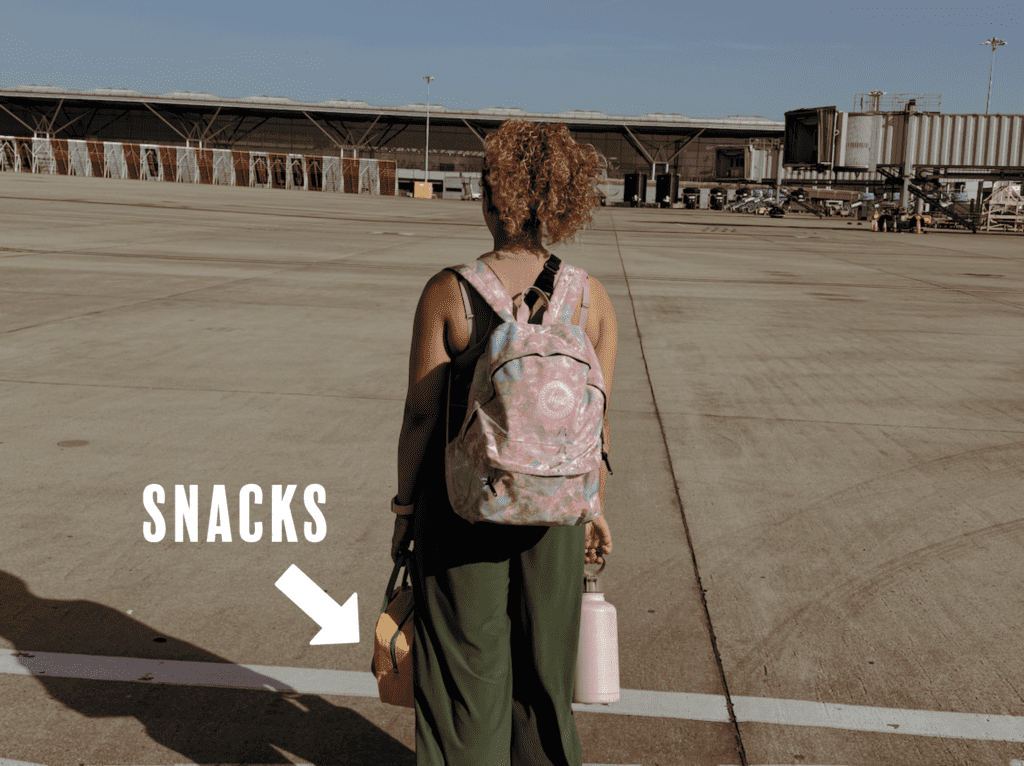
Bring your own snacks. Airport food is overpriced and airplane food… well, it’s airplane food.
Refillable water bottle: Bring it empty through security and fill it up before boarding. Staying hydrated helps fight jet lag and general misery.
Avoid too much caffeine or alcohol—they dehydrate you and make it harder to sleep on the flight.
Carry-On Must-Haves
Travel-sized toiletries (toothbrush, lip balm, moisturiser, hand sanitiser)
Change of clothes or at least clean underwear (in case of lost luggage)
Downloaded entertainment: movies, podcasts, offline playlists
Charging cable and power bank
Pro tip: If you wear contacts, bring glasses and a case. Your eyes will dry out like sandpaper mid-flight.
We believe family travel content should be honest and accessible. If you do too, you can support it here.

Arrival Tips
- Know the entry requirements for your destination—visa, arrival forms, vaccination proof, etc.
Currency: Either bring a small amount of local cash or plan to withdraw at an ATM at the airport (usually better rates than airport exchange desks).
Transportation: If possible, arrange airport pickup or know how to get to your accommodation safely. It’s one less thing to worry about when you’re tired and jet-lagged.
What Happens at the Airport When Flying Internationally?

One of the biggest worries for first-time international travellers is not knowing what actually happens once you arrive at the airport. The good news is that the process is fairly straightforward and airports are designed to guide you through each stage.
The first step is check-in. Depending on your airline, you may be able to check in online before arriving, but you’ll often still need to visit a check-in desk if you’re travelling internationally. This is where the airline checks your passport, visa requirements (if applicable), and luggage.
After check-in, you’ll head through security. This is usually similar to a domestic flight, although rules around liquids, electronics, and batteries can vary by airport. Make sure any power banks are packed in your carry-on rather than checked luggage, as most airlines prohibit lithium batteries in the hold.
Once you’ve cleared security, you’ll often pass through immigration. This is where officials confirm you’re authorised to leave the country and may ask basic questions about your trip. In most cases, it’s quick and routine.
From there, you’ll wait at your departure gate until boarding begins. Airlines typically board passengers in groups, so there’s rarely any need to queue early.
When you land, you’ll normally pass through immigration again before collecting your luggage. Immigration officers may ask about your travel plans, accommodation, or onward travel arrangements depending on the country.
Finally, you’ll collect your bags and proceed through customs. Most travellers simply walk through after declaring any required items, but customs procedures vary between countries.
The first time can feel intimidating, but after one international trip you’ll realise most of the process is simply following signs and joining the correct queue.
Common First-Time International Flight Mistakes

Most international travel mistakes happen before you even leave home.
One of the easiest mistakes to make is assuming your passport is valid because it hasn’t expired. Many countries require at least six months of validity remaining, and discovering that at check-in is not how you want to start a trip.
We’ve also met travellers who landed with no offline maps, no accommodation details saved, and no way to connect to the internet. It sounds unlikely until you’re standing in an airport trying to remember the name of your hotel.
Power banks catch people out surprisingly often too. Most airlines require them to be carried in your hand luggage rather than checked baggage.
Another mistake is leaving flight research until the last minute. Prices can vary wildly between booking platforms, routes, and dates.
If you’re still comparing options, have a look at our guides to Google Flights vs Skyscanner and Google Flights vs Aviasales. We break down which platform we use, when we use it, and where each one falls short.
The good news is that most of these mistakes are easy to avoid. A quick check of your passport, visa requirements, travel documents, and airline baggage rules before departure will solve the majority of problems travellers encounter.
Still looking for flights?
Before booking, compare multiple search tools. We’ve tested the most popular options and found that each platform has strengths depending on your destination and travel style.
→ Read: Google Flights vs Skyscanner: Which Is Better for Finding Cheap Flights?
→ Read: Google Flights vs Aviasales: Which Is Better for Finding Cheap Flights?
Final Thought
The first international flight always feels like a big deal but with a bit of prep and the right mindset, it doesn’t have to be stressful. Use the time to zone out, catch up on sleep, and get excited about where you’re headed.
And remember the flight is just the beginning. You’ve got a whole adventure waiting on the other side.
Read More