Panama City With Kids: 10 Fun Things to Do & An Honest Family Guide
Visiting Panama City with kids is absolutely possible, but only if you understand what the city actually feels like, what’s genuinely worth your time, and what’s simply trading on tourist hype. We spent two weeks in Panama City as a family of four, moving through Latin America long-term. We made a few mistakes early on, particularly about neighbourhood safety, but we also found pockets of the city that genuinely worked for families and were worth our time.
Visited: Panama City, Panama (2 weeks, family of four with children aged 6 and 9)
Travel Context: Long-term route through Latin America, slow travel approach
Updated: January 2026
👉 Don’t have time to plan everything? Find the best-rated Panama City Hotels
This is the real version: not Instagram-style travel content, but the one where you navigate crowded colonial streets, pay premium prices for mediocre food, walk the Amador Causeway at sunset with tired kids, and figure out whether those few hours at the Smithsonian were actually worth it. Whether you’re looking for coastal time, kid-friendly things to do, or planning a complete itinerary, this guide covers the real experience here with kids.
If you’re researching how to visit with kids, wondering whether to stop here, or trying to decide if a coastal vacation in the city fits your family’s style, this guide covers exactly what we did, what worked, what didn’t, and how to decide if it belongs in your plans.
What You'll Learn in This Guide
- Whether this destination with kids is worth stopping for
- What the city actually feels like as a family (safety, walkability, atmosphere)
- How many days makes sense for your family vacation planning
- The neighbourhoods that work for families vs. those to avoid
- The 10 attractions we experienced: Museums, exploration, coastal areas
- Specific costs for your budget
- Logistics that matter: transport, accommodation, dining
- Mistakes we made and how to avoid them
- What we’d do differently on a return visit
The Panama City Essentials
Safety & neighbourhoods / Understanding where to stay is non-negotiable. Casco Viejo and Amador are safe and walkable; El Chorillo, Curundu, and San Miguelito are not. Research before booking to avoid our first-week mistake.
Getting Around / Uber works perfectly ($3-5 per trip). The airport to city centre costs $25-30; pre-arranged transfers remove stress with kids.
Vaccinations & Health / Check requirements before arrival. Bring travel insurance that covers families. Pharmacies are reliable and well-stocked.
Currency & Costs / Panama uses US dollars (not soles). Budget $4-7 for local meals, $25-40 for tourist restaurants. Museums cost $15-25 per adult. When planning your trip, it’s crucial to keep track of your monthly expenses in Panama City to avoid overspending. Public transportation is quite affordable, with bus fares typically around 0.25 to 0.50 USD. Additionally, consider setting aside some funds for recreational activities, as weekend getaways can also add to your overall budget.
Best Time to Visit / Dry season (December-April) is ideal for families. Rainy season brings afternoon downpours but fewer crowds and lower prices.
Where to Stay / Casco Viejo offers atmosphere and walkability ($100-150/night); or more in the center of panama city at Waymour Hotel. this was really good. ($80-120/night). Both work for families; cheaper neighbourhoods compromise on safety.
What to Pack / Comfortable walking shoes (cobblestone streets wear on feet), sun protection, and layers for air-conditioned museums and restaurants.
Is Panama City Beach With Kids Worth Your Time?
We arrived with moderate expectations. It’s a transit point for many families moving through Central America, and that’s often how it’s treated, a stop, not a destination. If you’re considering a visit with kids, here’s what we discovered.
After two weeks there, our verdict: It’s worth including if you’re already in the region, but don’t design an itinerary around it. It’s expensive for Central America, crowded, and the highlights (historic old town, museums, waterfront areas) are decent rather than remarkable. It’s not a kid-magnet like Costa Rica’s beaches or Guatemala’s colonial towns. But if you’re visiting and have extra time, there are real moments, observing wildlife, wandering colonial streets, that justify a week rather than just a night.
The bigger issue is safety perception. Before we arrived, we’d read conflicting reports: “perfectly safe,” “avoid after dark,” “some neighbourhoods are rough.” That second-hand anxiety made us tense when we should have been exploring. We learned fast that this destination isn’t inherently dangerous for families, but where you stay and how you move around matters enormously. We made a critical mistake early on that could have been avoided with better research.
For families comfortable in urban environments with kids old enough to walk and deal with crowds, Panama City offers something worth experiencing. It’s real, chaotic, and unapologetically itself, which is refreshing compared to more polished tourist destinations.
For families wanting white sand shores, nature, or a slower pace, consider alternatives or save your visit for a later trip when your kids are older.
What Panama City Is Actually Like: A Real Family Experience
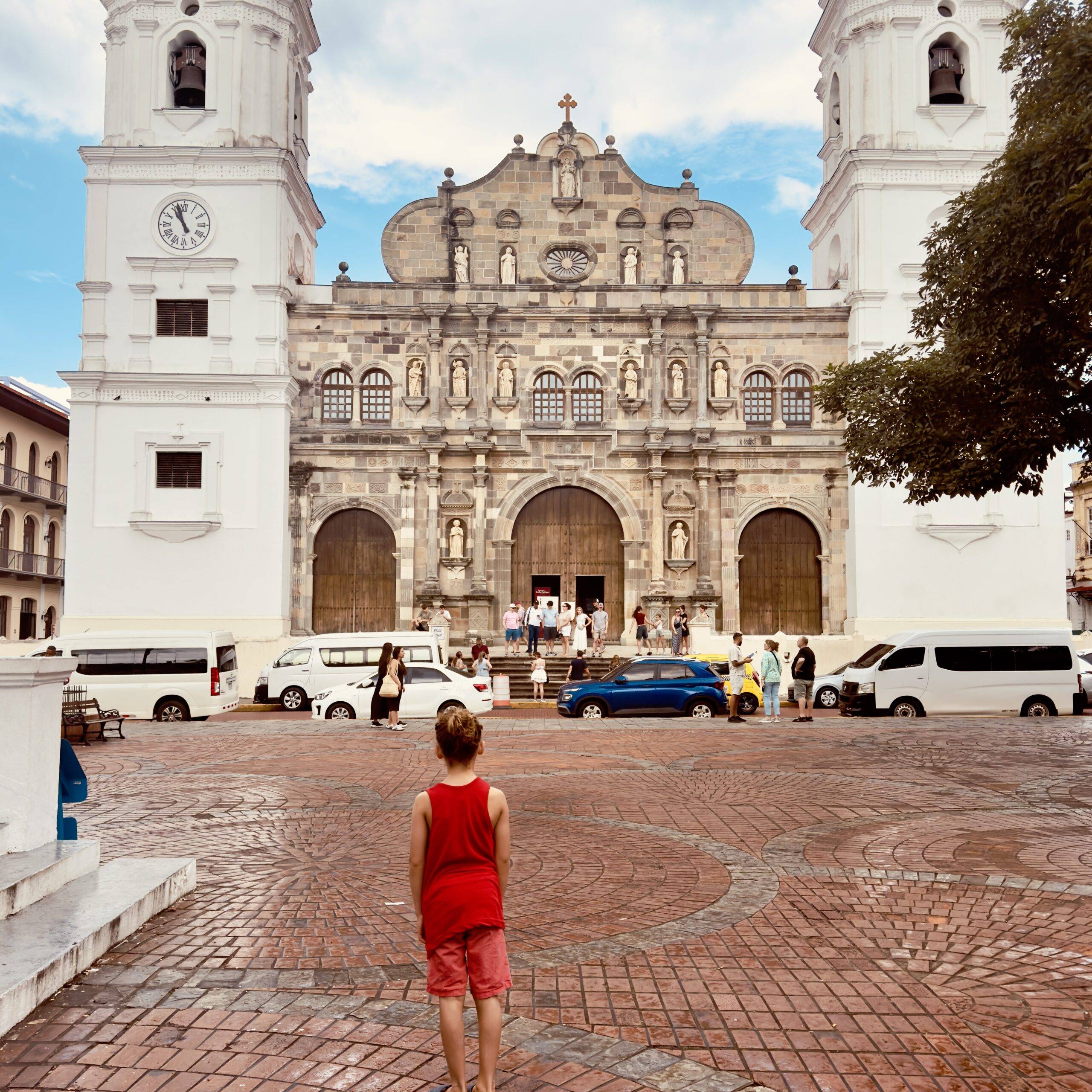
Panama City is a working capital, not a tourist theme park. That’s both its strength and why many families find it harder going than expected.
Safety and neighbourhoods: The Foundation of Your Trip to Panama City
This matters enough to address head-on. Panama City is safe if you understand which areas work for tourists and which don’t. It’s unsafe if you wander randomly assuming all neighbourhoods are equally fine.
Our first Airbnb was in El Chorillo, close to the waterfront area. We didn’t realise at the time that El Chorillo has a serious reputation for gang activity and street crime, especially after dark. We were lucky, we never had an incident, but we felt unsettled the entire first week because we’d unconsciously understood something was off. The streets felt tense, foot traffic seemed cautious, and every local conversation we overheard suggested we weren’t in a “tourist-friendly” zone.
We moved immediately to a different neighbourhood, and the entire experience shifted.
Where You Should Stay:
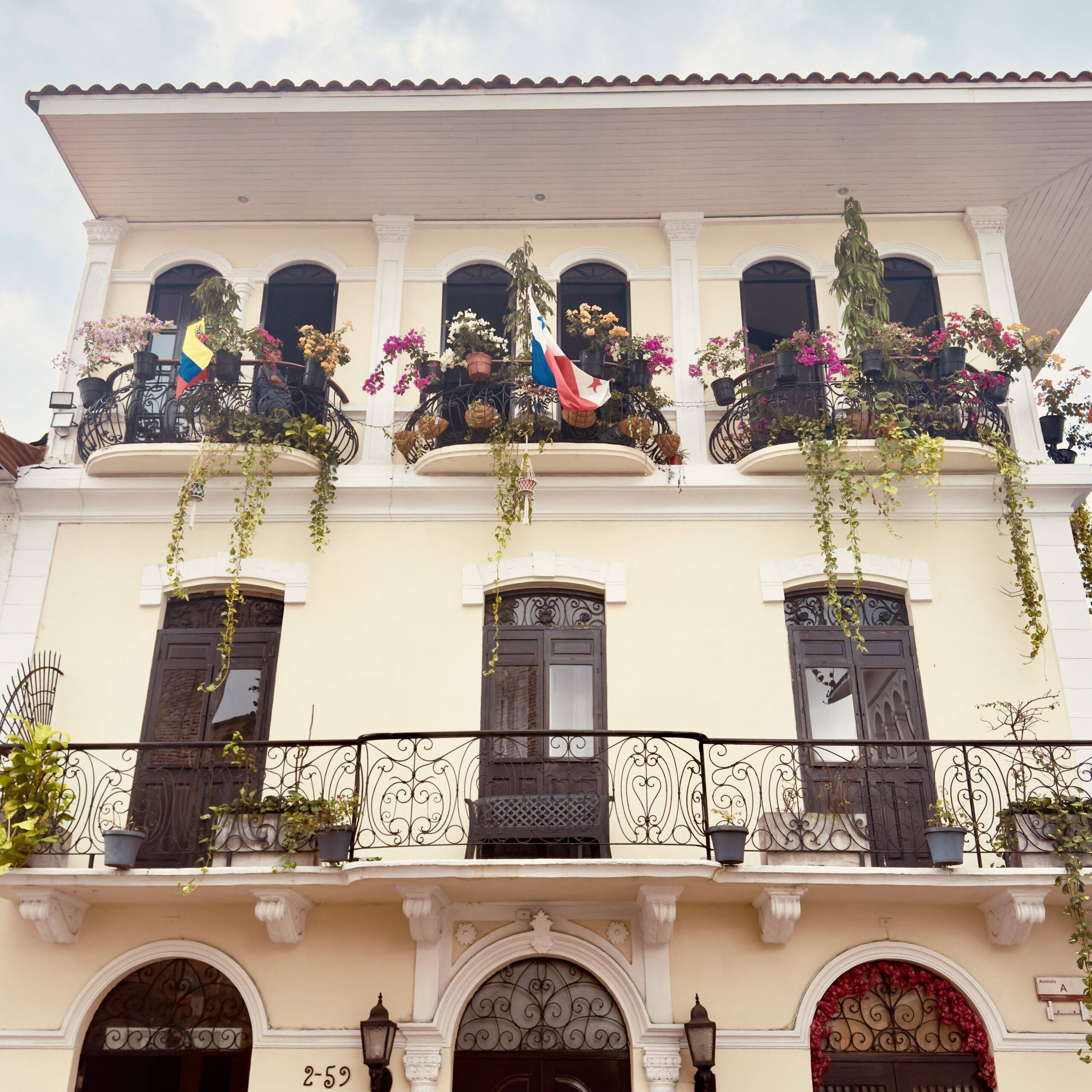
- Old Town (Casco Viejo or Casco Antiguo) – Historic, walkable, lively, completely touristy but genuinely vibrant. You’re paying premium prices but you’re in the safest, most-travelled part of the city. Perfect for families with kids.
- Amador (near the causeway) – Quieter, good for families, local feel without compromised safety
- Punta Pacifica – Modern, residential, quiet, family-friendly if you don’t mind less atmosphere
- San Blas – Diverse neighbourhood with local character, mostly fine for families comfortable in busier urban areas
Where You Shouldn’t Randomly Wander:
- El Chorillo – Where we started (mistake made)
- Curundu – Similar reputation
- San Miguelito – Industrial, not set up for tourists
The pattern is clear: stay in the tourist zones, use Uber or taxis for transport after dark, and don’t explore unfamiliar neighbourhoods on foot without local advice. This is urban travel sense that applies to cities everywhere.
Panama City’s safety issues are real but manageable with basic awareness. The problem is that early-stage anxiety makes families either overly cautious (limiting their experience) or carelessly casual (risking bad outcomes). We landed somewhere in the middle, nervous at first, then realizing most of the city is genuinely fine if you’re moving intentionally.
Atmosphere, Cost, and What Surprised Us
Panama City feels expensive. Not Zurich expensive, but for Central America, where you’ve just been spending $30-50 for family accommodation, a coffee costs $4-5, meals run $25-40 per person, and activities cost $50+ per entry. This hits differently in the region.
There’s a clear divide between local Panama and tourist Panama. Walk one block from the main tourist streets and you’re in a working city where prices drop and the vibe shifts. We ate incredible fresh fish tacos for $1-2 each. We also paid $38 for a mediocre ceviche in a touristy restaurant. The discrepancy matters if you’re on a family budget.
The crowd factor was higher than expected. The historic old town is genuinely crowded most days. Not overwhelming, but packed enough that you’re moving through streams of tourists, navigating tight streets, and competing for restaurant tables. With a 6-year-old who gets easily overstimulated, this was the main source of travel fatigue for us.
What surprised us positively: the Panama Canal infrastructure is genuinely interesting for kids who like engineering, the museum quality was excellent, and locals are warm when you attempt basic Spanish. What surprised us negatively: how touristy the old town has become, how little “free” exploration there is (most attractions cost money), and how draining a day of urban navigation can be when you have young kids.
What We Did: 10 Fun Things & How Our Days Actually Looked
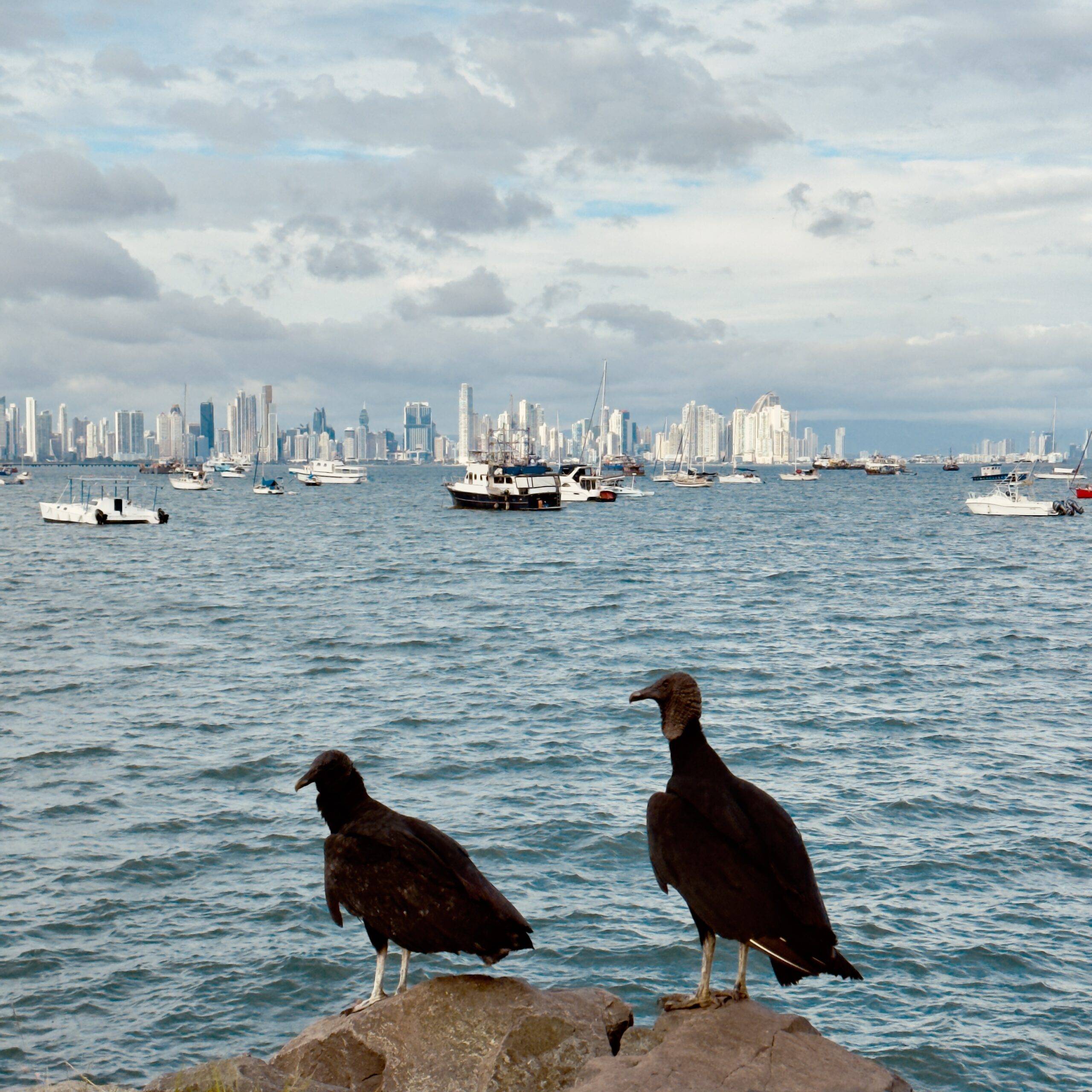
This is the chronological breakdown of the attractions we experienced, not just a listicle, but what our real days looked like, including the waiting, the crowds, the decisions, and what felt worth it.
Week 1: Settling In, Making Mistakes, Finding Our Rhythm
Days 1-3: Wrong Neighbourhood, High Anxiety
We arrived tired after a long bus journey and booked an Airbnb in El Chorillo without proper research. It was cheaper, and the listing looked fine in photos.
In reality, we spent three days feeling subtly uncomfortable. The kids picked up on it. We did minimal exploring, ate at the Airbnb, and basically waited to move somewhere different. Once we relocated, that tension evaporated.
Lesson learned early: neighbourhood research matters more than saving money when traveling with kids.
Days 4-7: Colonial Exploration, Museum Visits, Finding Our Rhythm
Once we settled in a proper location, we spent our first full exploring days in the historic district. We wandered the colonial streets, ducked into shops, grabbed lunch at various spots. The kids enjoyed the architecture and the energy, though the crowding wore on everyone by mid-afternoon.
1. Museo del Canal Interoceánico (Canal Museum) – Understanding Panama’s Geography
This museum was genuinely good for kids. The children learned about the Panama Canal’s construction and operation in a way that made sense. The exhibits were interactive enough to hold attention, and it explained something real about why this nation matters geographically and why attractions centre around this engineering marvel. Entry was $15 per adult, $8 for kids. Worth visiting.
2. Amador Causeway Walking Tour – Free Waterfront Beauty
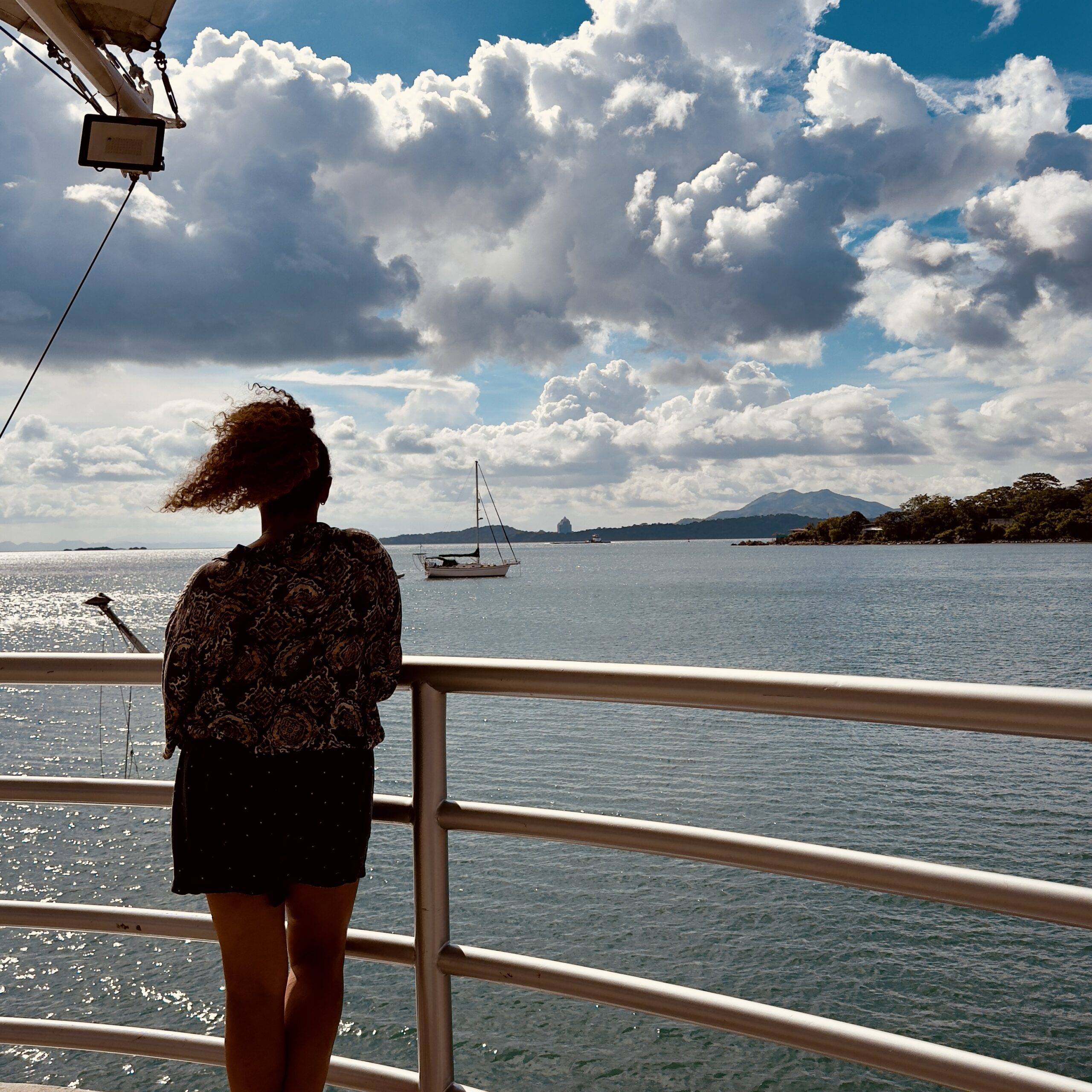
We walked the Amador Causeway on a clear afternoon, a 3km paved path through islands connected by landfill, with stunning views of the city skyline and waterfront. The kids actually enjoyed this more than we expected. The pace is gentle, there’s room to move without dodging crowds, and there’s something satisfying about the views of Panama City. We didn’t do structured activities here, just walked, sat on benches, and watched the light change. Free, and genuinely restorative.
Costs for week one: accommodation (split between two places) ran us about $200-250 for a two-bedroom; food was $250-350 eating a mix of local cheap meals and tourist restaurants; activities were minimal.
Week 2: Museums, Water Activities & Discoveries
3. Smithsonian Tropical Research Visitor’s centre – Seeing Sloths & Flora/Fauna
This is the main nature attraction for kids visiting Panama City. You get to see sloths, learn about tropical forest research, and supposedly get close to wildlife. Here’s what actually happened:
We walked the Amador Causeway in the morning, then hired a taxi to the visitor centre (about 4km away, costs around $3-5). The facility is small, a field research station, not a zoo. The sloths are there, yes, but they’re not guaranteed, and they’re not as close or easy to photograph as people imagine. We saw one sloth, sitting motionless in a tree. The kids were impressed for about 90 seconds, then bored.
We spent 2 hours total. Entry was $15 per adult, $10 for kids. The experience felt like paying to see a small research facility that happened to be open to tourists, rather than paying for a kid-friendly things designed for families. Honest take: Skip this if you want wildlife viewing; visit if you’re interested in tropical ecology.
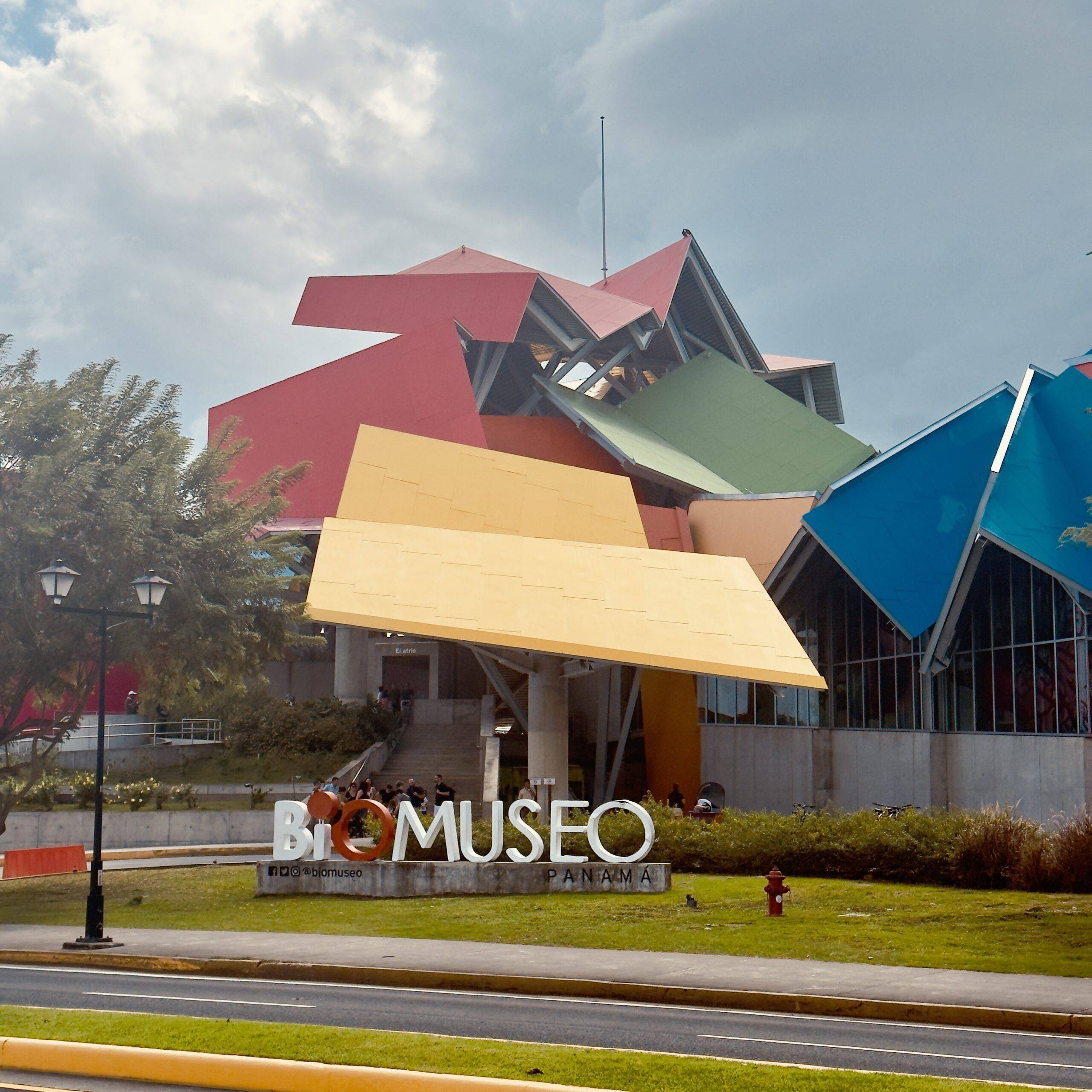
4. Bio Museo – The Best Panama City Beach Museum Experience
Better than the Smithsonian. This museum is dedicated to Panama’s biodiversity and the geography of connecting Atlantic and Pacific oceans. It’s interactive, visually engaging, and actually built for visitors (not just researchers).
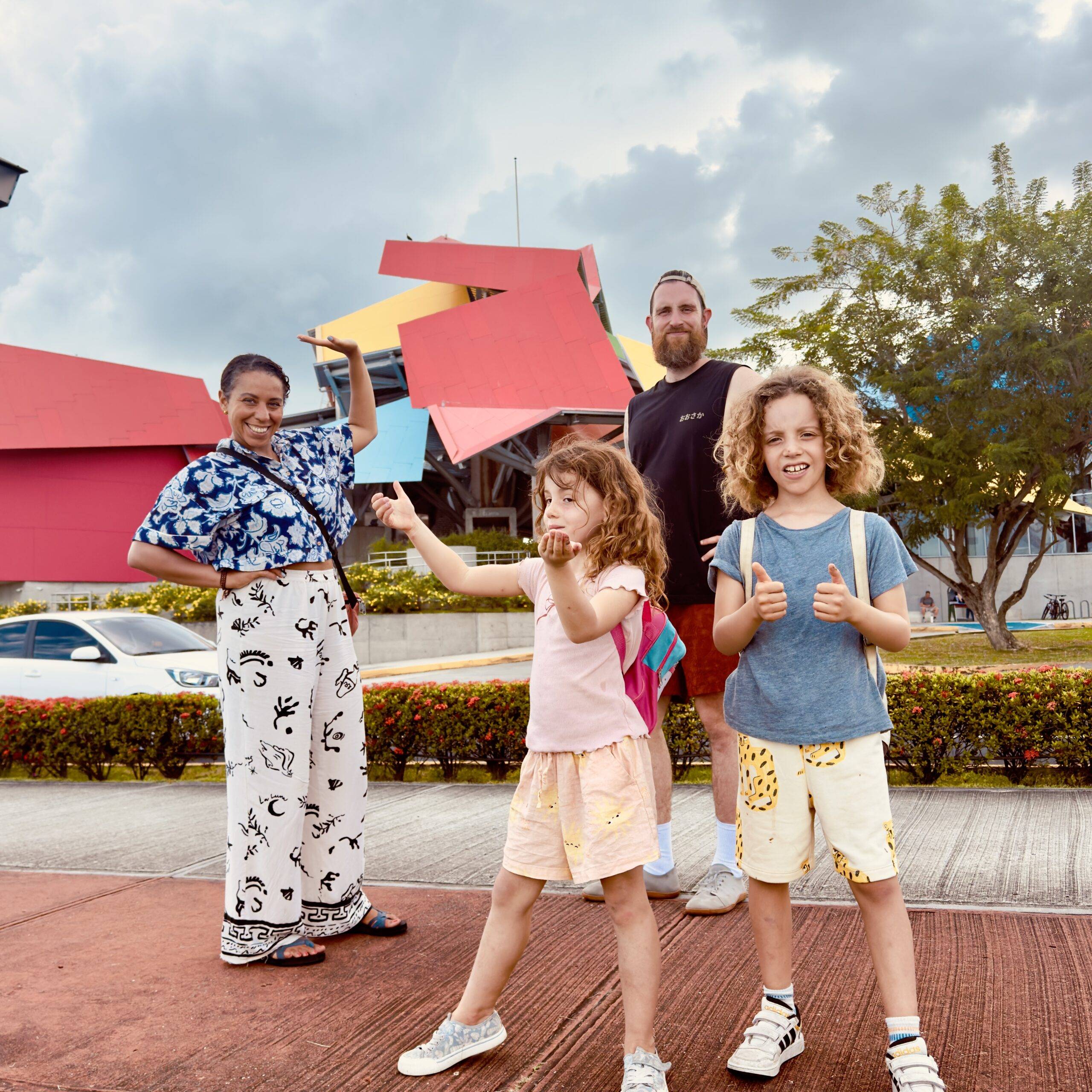
Entry was $25 per adult, $15 for kids. It took about 90 minutes to move through properly. The kids learned something real. There were enough interactive moments to keep engagement up. The building itself is architecturally interesting. We’d do this again, one of the best attractions in Panama City beach for families.
5. Catamaran Tours & Marine Experiences
We researched catamaran tours and pontoon boat options. Day cruises run $60-100/person and include snorkel opportunities and dolphin viewing (weather dependent). Options for renting a pontoon boat exist if you want independence. These offer coastal atmosphere without requiring island travel time or sand beaches themselves. Good for families with kids interested in ocean exploration.
6. Downtown Panama City Views & Waterfront Exploration
Modern skyline offers dramatic views of Panama City. Free public spaces along the waterfront. Photography-friendly locations for cityscape shots and beach time photos.
7. Soberania National Park Day Trip
Outside the city proper, rainforest with hiking options for kids. Palm trees, wildlife, natural beauty. Half-day option: $30-50/person for guided tours. Better nature experience than city-based attractions for families with kids interested in flora and fauna exploration.
8. Shopping and Entertainment at Modern Complexes
Modern waterfront shopping and entertainment districts. Free to walk; dining and shopping costs vary. Family-friendly spaces with restaurants and entertainment options. Good for downtime days or beach time without leaving the city.
9. Local neighbourhood Exploration – Hidden Gems
Explore less-touristy sections of the historic district, residential neighbourhoods. Authentic Panama City atmosphere without crowds. Best as unstructured wandering. Discovering hidden gems made our family travel more memorable than planned activities.
10. Beach Time & Waterfront Parks – Fun in the Sun
Amador and other waterfront parks offer fun in the sun without traditional beach sand. Great for families seeking beach vacation vibes and family-friendly activities within the city.
Logistics That Actually Matter for Your Family Trip to Panama City
Getting There (And Around When Visiting Panama City)
Getting to Panama City: Most families arrive via airplane to Tocumen International Airport. The drive into the city is about 45 minutes to an hour. We pre-booked an Uber (around $25-30), but bus options exist and are cheaper (around $1-2).
Getting Around the City: Uber works perfectly. Costs are $3-5 for most trips. Taxis are available but less predictable in price (always negotiate). Walking is fine in the historic district and along Amador, but distances between neighbourhoods are larger than expected.
Accommodation: Where to Stay for Your Panama City Family Vacation
We tried two places:
First place (El Chorillo): One-bedroom Airbnb, $45/night, felt unsafe, moved after 3 days. Not worth the savings when traveling with kids. When considering Vrbo family travel options for 2026, it’s essential to prioritize safety and comfort, especially when traveling with children. Many families have found that having a vacation rental with adequate space and security features significantly enhances their overall experience. Exploring user reviews can provide valuable insights into properties that truly cater to family needs.
Second place (Historic district edge): Two-bedroom apartment, $130/night, excellent location, walking distance to everything. This was our real home base and worth the premium.
For families, aim for the historic district or nearby. The premium price is justified by walkability, safety, and atmosphere. Budget Airbnbs in cheaper neighbourhoods usually have a reason they’re cheap.
Alternatives: boutique hotels if you want reliability without Airbnb risk. Chain hotels in other districts if you want a secure, quiet environment. We preferred the historic vibe despite the cost.
Food and Eating With Kids When Traveling With Kids
This was harder than expected in a city where extremes are pronounced.
Cheap and good: Local restaurants serve full meals for $4-7. Quality varies, but we found reliable spots after a week. The kids could eat for $2-3 each.
Tourist restaurants: $25-40 per plate for mediocre food. We ate here 2-3 times per week. The quality-to-price ratio is poor, but they’re reliable.
Middle ground: Smaller restaurants outside the main tourist zone. $12-16 per plate, actually good, less crowded. These became our steady spots for meals.
The lesson: eat where locals eat for real meals, reserve the tourist restaurants for specific occasions where you want guaranteed service.
Where You Stayed: Why neighbourhood Matters
We spent most of our time in the historic district, moving into a small two-bedroom apartment after the first week. It wasn’t the cheapest option, but the trade-off was clear: safety, walkability, and atmosphere.
From that base, we:
- Walked to museums (10-15 minutes)
- Walked to Amador for early mornings (20 minutes, or 5 minutes by Uber)
- Had restaurants and cafes immediately available
- Felt comfortable moving around with the kids, even in the evenings
- Could easily access attractions within walking distance
We didn’t stay in Amador itself (it’s quieter, more residential), but it’s worth considering for families who want less urban intensity. The trade-off is less atmosphere and fewer dining/activity options.
For a return visit, we’d book the same area again without hesitation. It’s ideal for exploring urban culture rather than coastal experiences.
What We'd Do Differently Next Time When Planning Your Days in Panama City
1. Skip El Chorillo Entirely
Research neighbourhood safety first. The $20 saved on accommodation wasn’t worth three days of anxiety and reduced exploration when travelling with kids. Plus the accommodation was really crammed and pricey.
2. Bring Decent Walking Shoes
The historic district’s streets are cobblestone and uneven. We underestimated how much walking we’d do and how the terrain would wear on feet. By day 5, everyone had sore feet.
3. Plan Museum Days With a Real Break
We tried to pack both the Smithsonian and Bio Museo into single days. Both visits left everyone drained. Museums with kids need built-in rest time, lunch, a park sit-down, back at the accommodation to decompress. Space activities better next time.
4. Accept That The Old Town Gets Crowded
We initially tried to avoid crowds by going early morning. This helped somewhat, but it’s crowded by nature. Next time we’d stop trying to “beat the crowds” and instead just accept the pace or find rhythms that include sitting cafe-style with a coffee.
5. Plan Transportation More Strategically
We walked longer distances than made sense. Using Uber more liberally, even for “short” distances, was the right call. At $3-4 per trip, it’s minimal cost for significant comfort increase.
How Many Days in Panama City With Kids? Planning Your Vacation Itinerary
Three days: Possible if you’re just transiting. Visit the historic old town, walk Amador, eat well. You’ll get the vibe without deep exploration.
Four to five days: Enough to explore properly, visit one museum, understand the city’s rhythm. This feels like the minimum for families wanting more than a stopover.
A week (7 days): Enough to explore the historic district without rushing, visit museums, understand the rhythm, have downtime. This is the “comfortable” amount for a family vacation.
Two weeks: What we did. Perfect for not feeling rushed, having rest days, exploring neighbourhoods at a leisurely pace, and discovering hidden gems. Only do this if genuinely interested in urban exploration or combining Panama City with other Panama destinations.
Our honest take: Five to seven days is the sweet spot. Enough to avoid feeling rushed, short enough that you don’t need to manufacture activities. Any longer and you need genuine interest in urban exploration or other Panamanian destinations to loop in.
Is It Worth It? Final Verdict on Your Panama City Beach Family Vacation
Panama City is worth visiting if:
- You’re already in Central America and can add 4-5 days
- You’re comfortable in urban environments with kids
- You’re interested in infrastructure (the Panama Canal is genuinely fascinating)
- You want city experience rather than nature or beach vacation
- You have budget for premium costs without stress
- Your kids are aged 6+ and can handle crowds
Skip it or save it for later if:
- You’re on a tight budget (it’s expensive for the region)
- Your kids are very young (under 5) or struggle with crowds
- You want beaches, nature, or slower-paced exploration
- You’re just transiting without time for the experience
- Your family vacation priorities centre on sand and water
For families like us: Worth including in your exploration. Not a highlight like Machu Picchu, but a solid two weeks offering real experiences, geography lessons, and texture to Latin American travels.
We don’t regret the trip. Panama City is a city you can understand fairly quickly, and there’s value in that honesty.
If you want perfect vacation beach experiences: Consider other Panama destinations. They offer white sand beaches and water activities that Panama City itself doesn’t provide.
Final Thoughts: Panama City in Your Wider Panama Travel Plans
Panama City works best as part of a larger Panama itinerary, or as a connection point between Central and South America. If you’re moving through the region, it’s a logical stop for your family trips. If you’re planning a two-week Panama vacation, consider combining Panama City with beach destinations, mountain towns, or island destinations for a more complete Panama experience.
We spent our full two weeks here, which meant we barely touched the rest of the country. In hindsight, we’d split our time: a few days in the city, then time in other destinations. That would have given us a more well-rounded experience.
For now, though, we got to know Panama City properly. We understand its rhythms, its costs, its real neighbourhoods, and why families sometimes love it and sometimes find it harder going than expected. And that felt valuable, even if it wasn’t the most comfortable vacation of our travels.
The key, as with any city travel with kids, is arriving with eyes open, safety awareness, and realistic expectations. When you do, Panama City offers something real: a working capital where history, geography, and family life intersect. That’s worth experiencing, even if it requires patience and flexible expectations.
If you’re considering a visit or wondering whether to include it in a longer Central American journey, remember: it’s about understanding a real place, navigating its challenges, and discovering what resonates with your family’s style.
Have you traveled to Panama with kids? What was your experience? Leave a comment or send us a message, we’re always learning from other family travellers.
FAQs: Panama City With Kids
Is Panama City a good place to visit with kids?
Yes, Panama City can work very well with kids, but it depends where you stay and how you plan your days.
Families who enjoy walkable neighbourhoods, parks, wildlife, and shorter activity windows tend to have a better experience than those trying to pack in too much sightseeing. Areas like calmer, central neighbourhoods make daily life easier, while long commutes and busy traffic can quickly wear kids (and parents) down.
It’s not a theme-park-style destination, but for curious kids who enjoy nature, animals, and exploring, it can be a great fit.
What are the best things to do in Panama City with kids?
The best activities in Panama City with kids are the ones that mix nature, movement, and short attention spans.
Popular family-friendly options include:
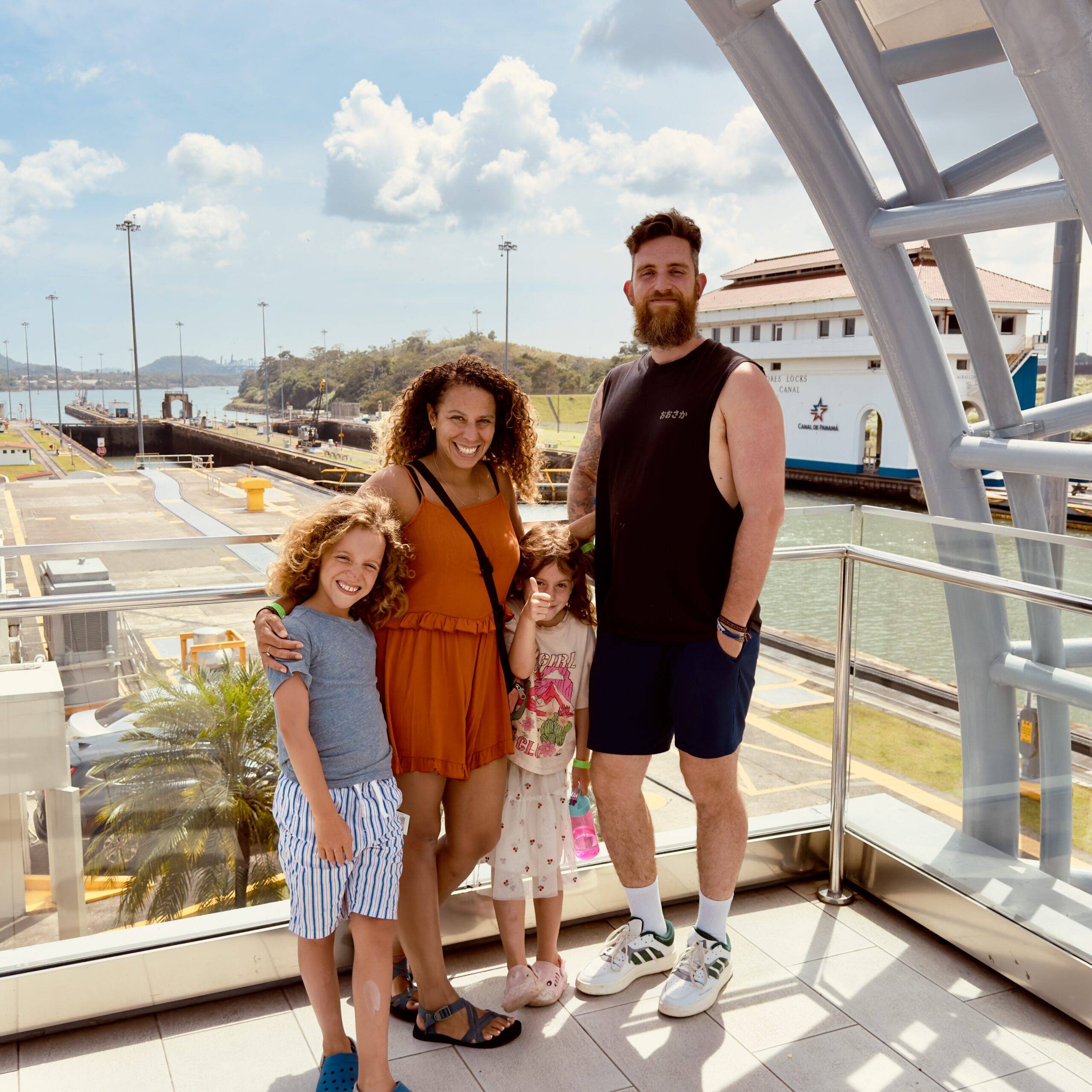
Visiting the Panama Canal and watching ships pass through
Exploring parks and green spaces where kids can run freely
Spotting wildlife close to the city, including sloths and monkeys
Casual walking areas where you can stop for snacks, ice cream, or coffee
Rather than cramming in attractions, most families enjoy Panama City more by picking one main activity per day and keeping the rest flexible.
Is Panama City safe for families travelling with children?
Panama City is generally safe for families, especially in well-known neighbourhoods and during daytime activities.
Like any large city, safety comes down to location and awareness. Stick to areas that are known to be family-friendly, avoid poorly lit streets at night, and use taxis or rideshares for longer distances. We found that when daily life was walkable, everything felt calmer and easier.
Many families report feeling comfortable once they settle into a routine.
Do you need proof of funds, like $500, to enter Panama?
Yes, Panama immigration may ask for proof of onward travel and proof of sufficient funds, often quoted as around $500 per person.
In practice, this is not always checked, but families should be prepared just in case. A bank statement, credit card, or proof of onward flight is usually enough. Requirements can change, so it’s best to double-check close to your travel date.
How many days should you spend in Panama City with kids?
For most families, 3 to 5 days in Panama City is a good amount of time.
This allows you to:
Adjust to the climate
Visit the Panama Canal
Enjoy parks, wildlife, and neighbourhoods
Keep days relaxed without rushing
If you’re travelling long-term or prefer slower travel, staying a bit longer in the right area can make the city feel less like a stopover and more like a temporary home base.