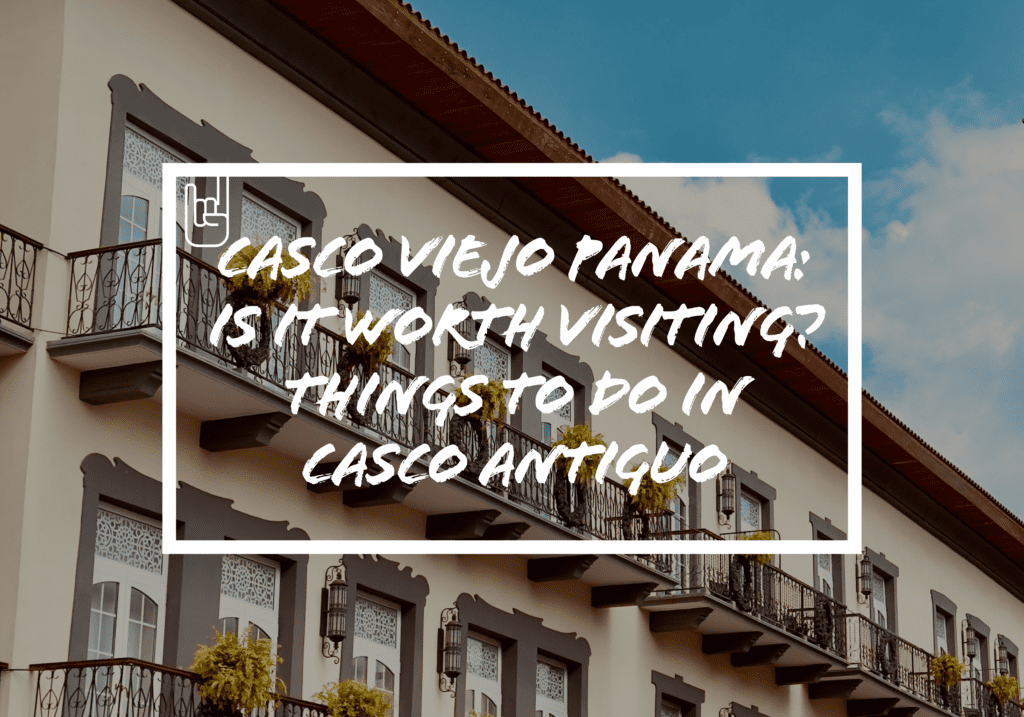
Casco Viejo Panama: Is It Worth Visiting? Things to Do in Casco Antiguo
Casco Viejo, also known as Casco Antiguo, is one of the most visited areas in Panama City, but whether it’s actually worth visiting depends on what you’re expecting.
We visited Casco Viejo as a family and found a mix of genuinely worthwhile moments alongside areas that felt crowded, expensive, or better suited to a short visit than a full stay. This guide covers the things to do in Casco Viejo that are truly worth your time, what feels overrated, and how it works in a real Panama City itinerary.
👉 Don’t have time to plan everything? Find the best-rated Casco Viejo Hotels
Casco Viejo Family Travel Essentials
Getting Oriented / Casco Viejo (also called Casco Antiguo) is compact and visually striking, but it’s not a relaxed, kid-friendly neighbourhood in the way some guides imply. Streets are narrow, pavements uneven, and the area feels busier as the day goes on. It works best as a short visit, not an all-day wander with kids.
Getting In / Casco Viejo is easy to reach by Uber from most central neighbourhoods, usually taking 10–20 minutes depending on traffic. Uber drop-offs are straightforward, but pick-ups can be slower in the late afternoon when roads clog up. If you’re visiting with kids, arriving earlier in the day avoids both crowds and heat.
Getting Around We stayed in 3 areas when visiting Panama city and one stay was in Casco Viejo, it is much pricier, but there are some awesome stays, this is one great recommended stay.
Best Time to Visit / Morning is by far the easiest time to explore Casco Viejo with kids. By midday, cruise visitors, tour groups, and heat all stack up quickly. Late afternoons can feel lively for adults but overwhelming for families, especially with tired kids.
Short on Time? / A realistic family visit could look like this:
Short walk through the historic streets → one museum or viewpoint → lunch → Uber out. Trying to see “everything” in Casco Viejo in one go often leads to fatigue rather than enjoyment with kids. There is an awesome walking tour to get you used to the old town and the history.
Stay or Visit? / For most families, Casco Viejo works better as a place to visit, not a base. Noise at night, limited open space, and crowds make longer stays harder with kids. Quieter neighbourhoods with easier transport usually feel more manageable for family travel.
Casco Viejo and Panama City's Historic District
We arrived in Panama City on a humid Tuesday morning after weeks moving north from Costa Rica. The kids were road-tired and we were doing what families do when they’re moving fast: booking places based on price and convenience.
That’s how we ended up in El Chorrillo—a neighbourhood we didn’t properly research. Only after checking in did we realise we were close to an area locals later suggested we avoid after dark. Not a disaster, but a reminder that in big cities you don’t get to “wing it” the same way you can in smaller places.
Casco Viejo, also known as Casco Antiguo, was the obvious next stop: Panama City’s historic old town and UNESCO World Heritage site that everyone calls “unmissable.” Which, for us, usually triggers a follow-up question: Unmissable for who? Families? Budget travellers? People who hate crowds?
We visited Casco Viejo across three separate trips, at different times of day, without staying there. That ended up being the best way to judge it—because Casco changes completely depending on when you go.
Quick verdict: Casco Viejo Panama is worth visiting, but it’s also expensive and touristy. Go early or late afternoon, do 1–2 museums, eat away from the main plazas, and don’t force a full day if your kids are done after a few hours.
Lorem ipsum dolor sit amet, consectetur adipiscing elit. Ut elit tellus, luctus nec ullamcorper mattis, pulvinar dapibus leo.
What Casco Viejo Panama Is Actually Like: The Historic District Explained
The Atmosphere of Casco Antiguo
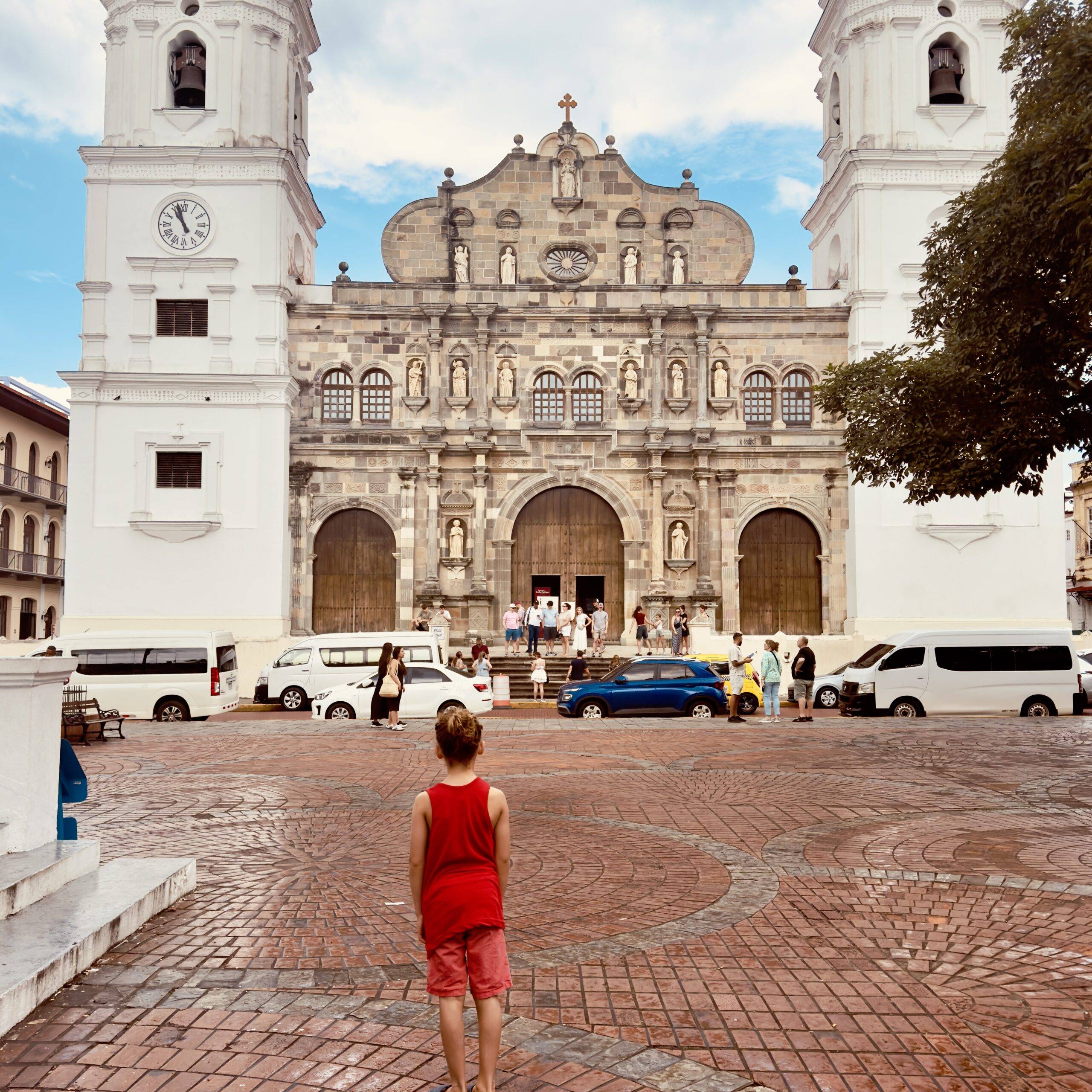
Casco Viejo is genuinely beautiful. The colonial architecture and colonial buildings, narrow cobblestone streets, and worn-in balconies feel real—not a Disney version—and the restoration hasn’t erased every rough edge. This UNESCO World Heritage site in Panama City’s historic heart is built on a peninsula, so the whole district feels contained and walkable.
But it’s also tourist-first. By late morning, the main plazas (Plaza Bolívar, Plaza de Francia) fill with walking tours, souvenir stalls, and cafés priced like you’re in a European capital. It doesn’t ruin it—it just changes what it is.
The crowds thin dramatically in the afternoon (around 2–3 p.m.) when the heat becomes serious and most visitors retreat. If you want to explore Casco Viejo as something resembling a working neighbourhood rather than a tour destination, this is the window.
A Brief History: Why Casco Viejo Exists
Casco Viejo, also known as San Felipe, has real history worth knowing. Panama City was originally founded in 1671 but was destroyed by pirate attacks and set on fire by the notorious Henry Morgan. The city was later rebuilt in 1673 on this peninsula—the location that became Casco Antiguo. The name “Casco Viejo” literally means “old helmet,” referencing the district’s original fortifications against pirates and its strategic position protecting Panama’s coast.
For families visiting, understanding this context changes the experience. These aren’t just pretty colonial buildings—they’re the result of real destruction, reconstruction, and centuries of Panamanian history. The narrow streets were deliberately designed for defence. The plazas served practical purposes. The architecture tells a story of resilience.
The Prices: What to Budget in Casco Viejo Panama
Casco Viejo Panama is expensive by local standards. A basic lunch hits $18–25 per adult. Coffee at boutique cafés is often $4–5. For a family, that adds up fast.
It only feels reasonable if you eat away from the main plazas, treat it as a few-hour visit (not an all-day hang), and pick one “paid” activity—a museum or guide—and keep the rest simple.
You’ll find better value tucked down side streets. We found a family-run spot serving proper Panamanian food for $8 per plate. The obvious plaza restaurants are 50–100% more expensive for similar or worse food.
The shops in Casco Viejo vary wildly. Street vendors sell handcrafted souvenirs—molas (traditional Kuna textiles), panama hats, and la mola pieces from indigenous Kuna women—but most are inflated in price. Real handicrafts exist, but take time to find. Boutique hotels in the district mark up everything accordingly.
Crowds and Timing
With kids, timing is the whole game.
Late morning to early afternoon = busiest, hottest, least enjoyable. On our first visit at 10 a.m., the streets filled with tour groups and the heat climbed fast. Our kids were overstimulated within an hour.
8–10 a.m. or 3–6 p.m. = calmer, nicer light, kids cope better. Our second visit at 4 p.m. felt like a different place. The crowds had thinned, the light was warmer, and the pace finally felt human. Our son found a small plaza with stray cats and actually sat down.
The difference between visiting at peak time and visiting at the right time is dramatic. Timing matters more than anything else.
Safety
Inside Casco Viejo, it felt safe—visible police presence, lots of people, clear tourist zone. The contrast catches people out: step outside the core and the vibe changes quickly.
Practical rule: Uber in, walk the district, Uber out—especially with kids. We didn’t wait long for rides and they cost around $4.
Find places to stay here
What We Did (Chronological & Honest)
Visit One: Peak Time, Maximum Confusion
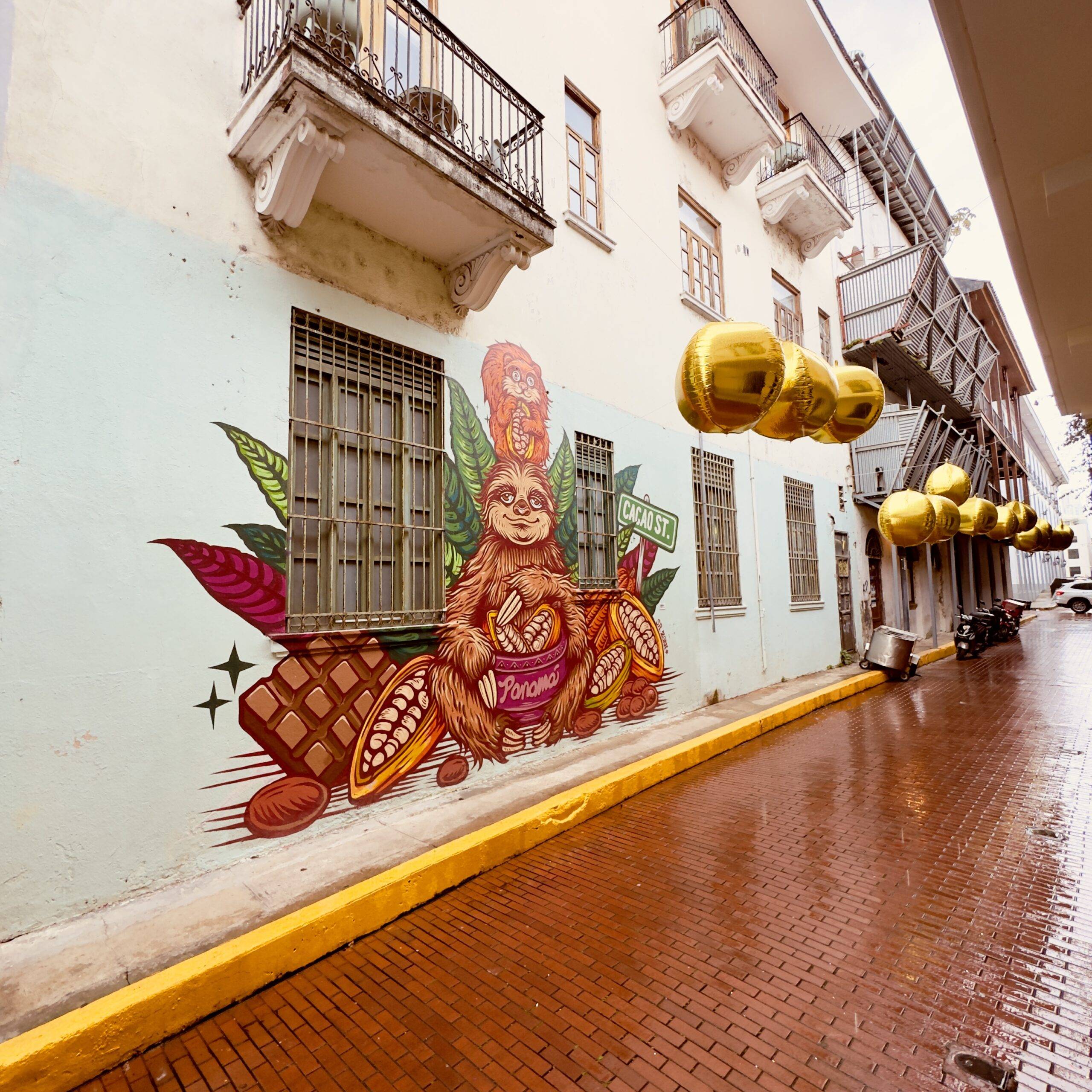
We arrived at 10 a.m. on a Saturday with vague plans—and immediately hit peak Casco. Tour groups everywhere, heat climbing, kids overstimulated within an hour. By 90 minutes in it felt less like exploring and more like managing. We left thinking: “If this is Casco Viejo, maybe it’s overrated.”
Visit Two: Late Afternoon, Completely Different
We came back around 4 p.m. and it clicked. Crowds lighter, light better, pace finally human. We visited the Museo del Canal (genuinely worth it), sat in Plaza Francia, and let the kids decompress instead of pushing through “must-sees.” We left before dark and it felt like we’d finally visited Casco properly.
Visit Three: Morning, with Purpose
We returned early (8:30 a.m.) with one goal: a second museum and quieter streets. This was the best “family” visit—fewer people, less heat, more patience. By midday the crowds were building again, and we left without trying to stretch it. By our third visit, we realised Casco is perfect in small doses—annoying if you try to force a full day.
What Feels Overrated
Three things in Casco Viejo Panama are more hype than value:
The “hidden gem” framing. It’s not hidden—it’s Panama City’s main tourist district. Expecting undiscovered authenticity sets you up for disappointment.
Plaza restaurants. Convenient, but overpriced and often average. Food quality doesn’t match the prices. Venture two blocks away and you’ll eat better for less.
Shopping. Lots of generic souvenirs with inflated pricing. Handcrafts are predictable (wooden boxes, mini sculptures, textiles). Not worth the spend unless you love colonial-themed gifts.
What's Genuinely Worth Doing in Casco Viejo Panama
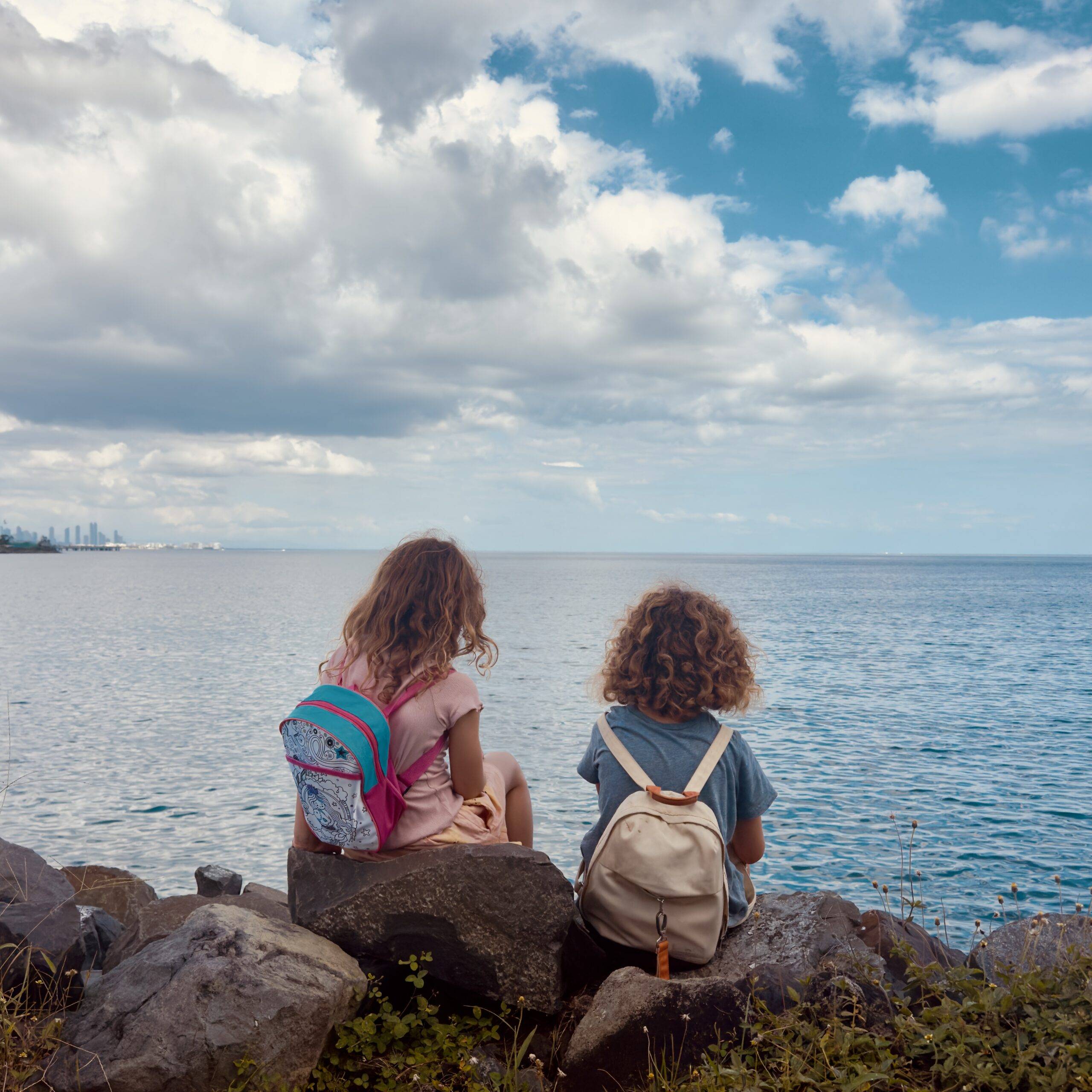
The Museums: Real Context for Panama City
The Panama Canal Museum (Museo del Canal Interoceánico) is genuinely worthwhile. It’s not massive, but it tells a real story—not a sanitised one. You learn about the construction of the Panama Canal, the engineering, the human cost, and the economic impact. It adds context to Panamá in a way that just wandering streets doesn’t.
The Museo Afro-Antillano is smaller and more specialised, but if you care about history of Casco Viejo from a Caribbean perspective and the contribution of Black Panamanians to Panama’s development, it’s valuable. We wouldn’t have known about it without asking, which tells you something about how overlooked it gets in the standard tourist narrative.
Visit the Iglesia de San José (Church of San José) to see the famous Altar de Oro—a golden altar that survived pirate attacks through clever disguise. The historic building itself is worth the few minutes to step inside.
Explore Casco Viejo on Foot: The Streets That Matter
Once you step away from the main plazas and main drag restaurants, Casco Viejo becomes quieter and more human. The northern section, towards the water and Plaza de Francia, has fewer tourists and more actual residents. The colonial buildings are still beautiful. The pace is slower. The paseo esteban huertas waterfront walk is genuinely pleasant.
Las Bóvedas, the old stone fortifications along the coast, offer views of the city skyline and the Cinta Costera (the newer waterfront development). It’s a good spot for late afternoon light and to understand Casco Antiguo’s original defensive purpose.
Rooftop Bars and Nightlife: A Different View
Rooftop bars like Tantalo (a well-known spot in the heart of Casco Viejo) offer skyline views and a different perspective on the district after sunset. If nightlife appeals, the rooftop bar scene is one of the few genuine after-dark options that doesn’t feel forced. Just budget accordingly—drinks run $8–12.
Logistics That Matter
Getting In and Out
From most of Panama City, an Uber to Casco Viejo costs around $4–6 USD depending on where you’re starting. This is genuinely cheap and makes visiting easy. You don’t need to stay in Casco Viejo to access it—and honestly, you probably shouldn’t for value reasons.
Getting out is equally straightforward. You can grab an Uber from anywhere in the district within a couple of minutes, even during busier times. We never waited more than 5 minutes.
If you’re arriving from the airport, most hotels can arrange transport, or an Uber runs about $25–30 depending on traffic.
Best Times to Visit
Early morning (8–10 a.m.) or late afternoon (3–6 p.m.) are substantially better than midday for atmosphere and crowds. Peak season (December–April) will be busier than green season (May–November), but Casco Viejo doesn’t really have a “quiet” season—it’s always touristy.
Weekday afternoons are noticeably quieter than weekends.
How Long Is Actually Enough
For a family: 2–3 visits of 2–3 hours each across a week in Panama City. Or, if you want to compress it, one full day (4–5 hours across the morning and afternoon, with a break in between).
If you’re staying in Casco Viejo as a base, you could extend this, but based on what we actually did and what genuinely held our interest, three days maximum in the neighbourhood itself before you’re repeating experiences.
Don’t plan to spend all your Panama City time here. It’s a part of the city, a good part, but it’s not the whole thing. When considering a move, it’s important to do a thorough cost breakdown for living in Panama. This includes housing, food, and transportation, which can vary significantly from your home country. Exploring local markets and neighborhoods will give you a better idea of how to budget effectively.
Staying vs Visiting
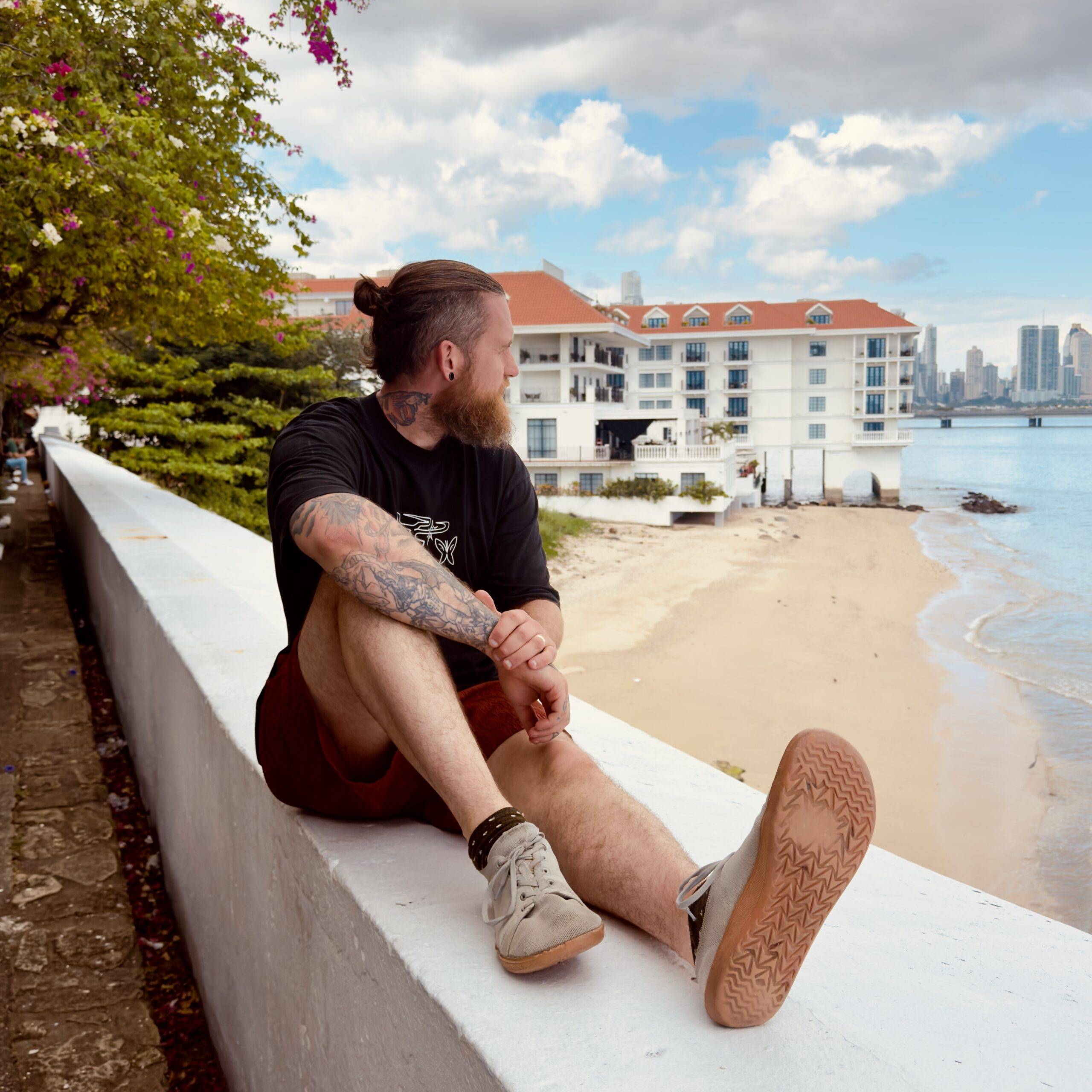
We didn’t stay in Casco Viejo, but based on what we observed—prices, foot traffic, day/night vibe—we’d still choose the same approach: visit, don’t base yourself here, especially as a family.
Staying in Casco makes sense only if you’re doing a short, adult-focused 2–3 day Panama City trip and want walkability plus atmosphere. For families staying longer, the trade-offs aren’t worth it:
- Food costs are higher than elsewhere in the city
- You’re still dealing with tourist crowds during the day
- It’s more of a “tourist bubble” than actual neighbourhood living
- You’ll Uber to other Panama City highlights anyway (Amador Causeway, Smithsonian, BioMuseo)
A Better Approach for Families
Base yourself in a quieter neighbourhood like Bella Vista or near the Amador Causeway. Cheaper, calmer, closer to where families actually live. Then visit Casco Viejo as focused half-day or afternoon trips. You’ll have better meals, better sleep, and better context for understanding the city as a whole.
What We'd Do Differently Next Time
Start late afternoon, not peak time. Our first visit at 10 a.m. created a bad first impression. Timing is more valuable than speed. Skip the crowds, start fresh at 4 p.m.
Don’t try to “tick off” everything. Two focused visits at good times beat one rushed day. Accept that you’re not seeing it all, and that’s fine.
Research museums beforehand. The Museo Afro-Antillano was great, but we nearly missed it. Know what’s worth your time before you arrive rather than wandering and discovering by accident.
Budget higher for food. A family meal in Casco runs $60–80, not $30–40 like elsewhere in the city. Factor that into your planning.
Is Casco Viejo Panama Worth Visiting?
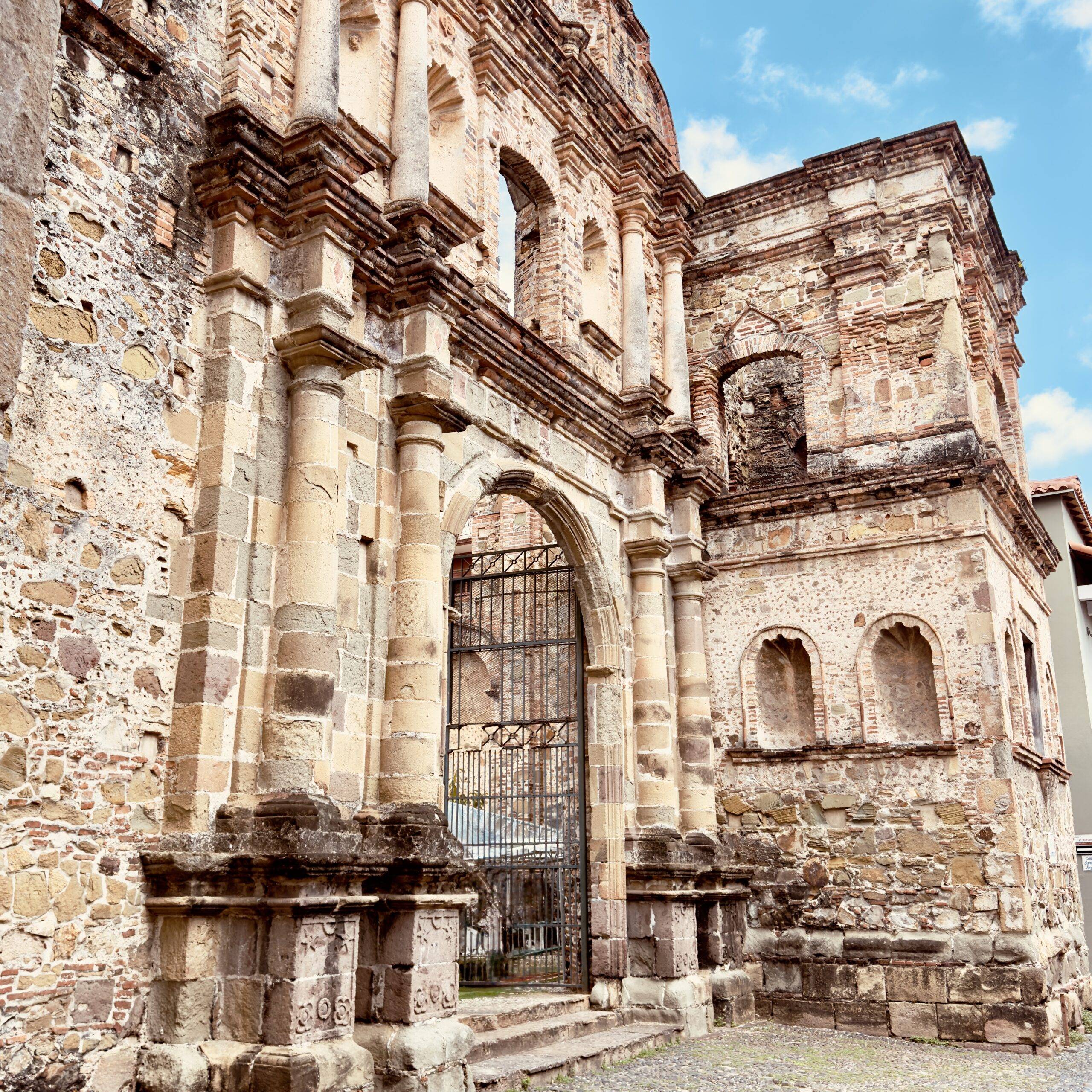
The Direct Answer
Yes. Not “unmissable,” but worth doing if you’re in Panama City. It’s a real district with real history, and it genuinely is beautiful. The museums add value. The architecture is worth seeing. But manage your expectations: this is a restored historic district designed for tourism, not a hidden gem.
Who Should Go
Families spending 4+ days in Panama City. People interested in architecture or history. Anyone wanting to see a well-curated version of colonial Panama. Photographers. Anyone who enjoys urban exploration but appreciates the safety and walkability of a designated tourist area. People with the time flexibility to visit at off-peak hours.
Who Should Skip
Budget travellers (eat elsewhere, see what you can for free). Families with very young kids or limited energy (it’s pleasant, not worth the effort of managing cranky children in crowds). People expecting “authentic” neighbourhood life (this isn’t it). Anyone on a super tight schedule in Panama City—your time is better spent at the Smithsonian or Amador Causeway if you have to choose. For those seeking familyfriendly activities in Panama City, consider visiting the nearby parks or beach areas that cater to children. Engaging in these low-key outings can provide a delightful break from the more crowded attractions. Additionally, local museums often offer interactive exhibits that can capture the interest of young ones while being educational.
How Long to Spend
2–3 hours on each of 2 visits, spread across different parts of your Panama City stay. If you must do it in one day, late morning through early evening, arriving around 10 a.m., taking a substantial break midday, then returning 4–6 p.m. Don’t try to do Casco Viejo in a 90-minute tour. It won’t work, especially with kids.
Final Thoughts
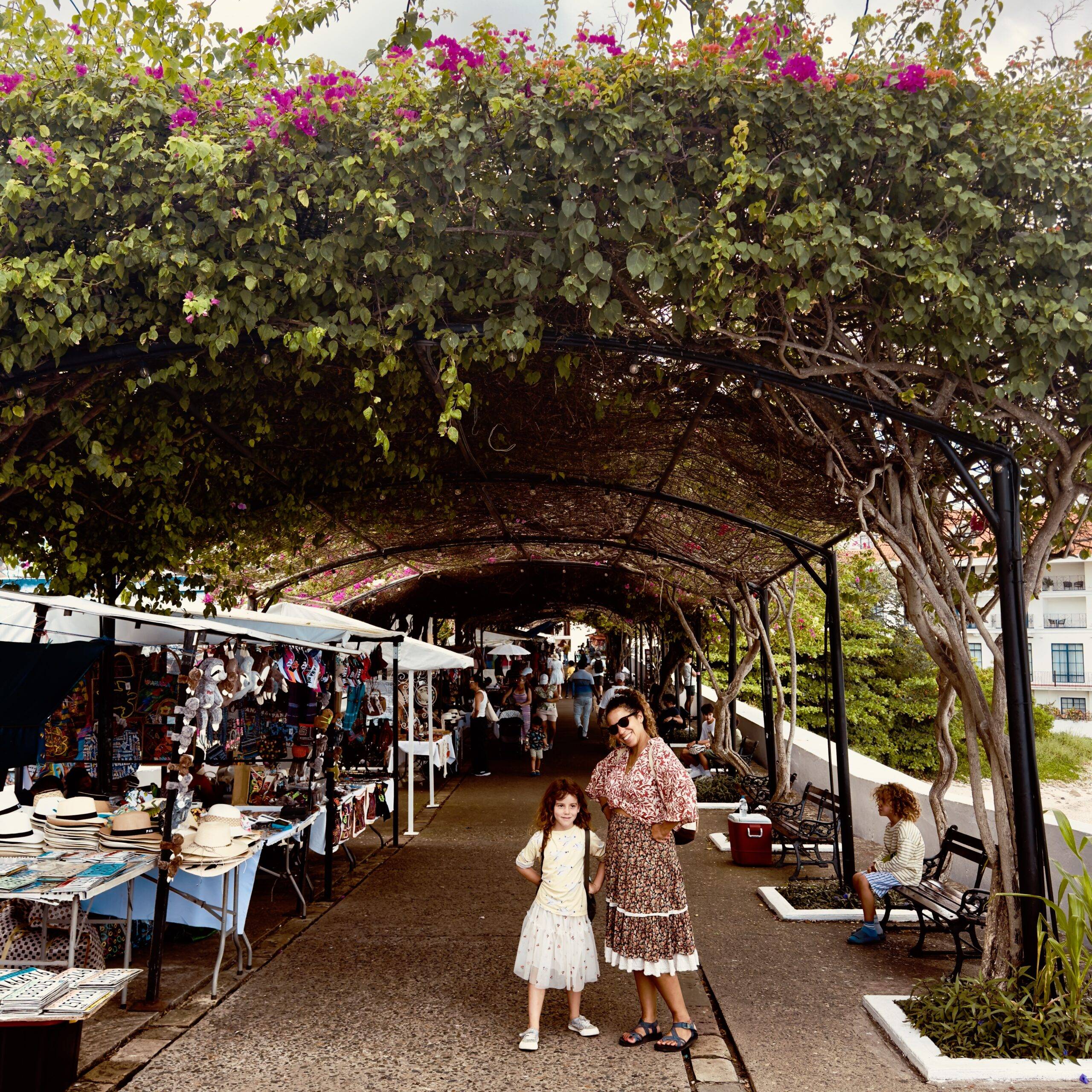
Casco Viejo isn’t a revelation, but it’s also not a waste of time. It’s a genuinely beautiful, walkable historic district that’s been thoughtfully restored and is now primarily oriented toward visitors. That’s okay. Not everything needs to be undiscovered or deeply authentic to be worth experiencing.
Where Casco Viejo fits in Panama City: it’s a key piece of the city’s identity and history, and spending time there adds context and visual richness to understanding Panama more broadly. The canal museums are genuinely worth your time. The waterfront is pleasant. The architecture is real and beautiful.
But it’s not the whole city, and it shouldn’t consume your entire Panama City trip. The Amador Causeway, the Smithsonian, the biodiversity museums, the local neighbourhoods where families actually live—these matter too. Casco Viejo is a part of a bigger picture, and the honest takeaway is: visit it, enjoy it for what it is, don’t overthink it, and don’t let it monopolise your time in one of Latin America’s more genuinely interesting cities.
Go late afternoon. Bring water. Budget for expensive food. Visit the museums. Sit in the plazas. Walk the quieter streets. Then go see the rest of Panama City. You’ll have a better experience for knowing what Casco Viejo actually is rather than what Instagram suggests it should be.
FAQs: Visiting Casco Viejo (Casco Antiguo), Panama
Is Casco Viejo worth visiting in Panama City?
Yes — Casco Viejo is worth visiting for its history, architecture, and views, but it works best as a short, focused visit rather than an all-day experience. Most travellers find that a few hours is enough to explore the highlights without feeling overwhelmed by crowds or heat.
How much time do you need in Casco Viejo?
Most visitors only need 2–4 hours in Casco Viejo. That’s enough time to walk the historic streets, visit one or two landmarks or museums, stop for food, and take in the atmosphere. Spending longer often adds fatigue rather than value, especially with kids.
Is Casco Viejo safe to walk around?
During the day, Casco Viejo generally feels safe in the main areas where visitors spend time. Like many historic districts, safety drops on quieter side streets and later at night. Staying in busy areas, visiting during daylight hours, and using Uber in and out keeps things straightforward.
What are the best things to do in Casco Viejo?
The best things to do in Casco Viejo are simple: walk the historic streets, visit a small museum or church, enjoy viewpoints over the ocean, and stop for a meal or coffee. The area is more about atmosphere and history than packed attractions, so expectations matter.
Is Casco Viejo good for families and kids?
Casco Viejo can work with kids, but it’s not especially child-focused. Narrow streets, uneven pavements, limited green space, and crowds mean it’s better for a short visit rather than a long stay. Families often enjoy it more when paired with quieter areas elsewhere in Panama City.