Peru With Kids: A Complete Family Travel Guide
This guide is written for families traveling across Peru, from coastal cities like Lima to high-altitude regions such as Cusco and the Sacred Valley, with children of different ages. It reflects what actually works when moving through Peru with babies, younger kids, or teens, and how geography, altitude, and distance shape the experience.
Updated: December 2025
Visited: Peru (October 2nd – Dec 29th 2025)
Family travel, long-term route through South America
What You’ll Learn in This Guide
Whether Peru is a good fit for family travel (and when it isn’t)
How safe Peru feels for families on the ground
How altitude affects kids and how to plan around it
Realistic costs and what families actually spend
The best places in Peru for different ages and travel styles
How long to spend in Peru without rushing
What’s worth skipping when traveling with kids
Traveling to Peru with kids isn’t the obvious choice. It isn’t a theme-park destination, it isn’t especially easy, and it doesn’t smooth everything over for families the way some countries do. That hesitation makes sense and it’s also why families who do go often describe Peru as one of the most rewarding trips they’ve taken. In Cusco, families can immerse themselves in rich cultural experiences that captivate both young and old alike. From vibrant local markets to interactive workshops, there are plenty of familyfriendly activities in Cusco that foster a sense of adventure. This unique blend of history and engagement offers an unforgettable opportunity to bond as a family while exploring the wonders of this ancient city.
We traveled through Peru as a family of four for three months, moving slowly from the north in Máncora all the way south, through coastal towns, cities, high-altitude regions, and small places that never make it into glossy itineraries. We did the long bus rides, the early starts, the altitude days, and the quiet afternoons that don’t show up on social media, but make or break a trip with kids.
This guide isn’t built from theory or short visits. It’s built from what actually worked for our family with kids aged 8 and 6, what didn’t, and what we would do differently if we started again.
If you’re wondering whether Peru is safe, practical, or genuinely enjoyable with children, this guide is for you. Whether you’re visiting for a couple of weeks or traveling longer-term, this is the honest, family-focused overview we wish we’d had before arriving, written from the road, not from behind a screen.
Travel Insurance: What We Used in Peru
Travel insurance wasn’t something we thought about daily in Peru, but it was something we were glad to have in place, especially traveling with kids and moving around frequently.
We used SafetyWing because it suited how we were traveling. Our plans weren’t fixed, dates shifted, and we wanted coverage that ran quietly in the background without constant admin.
We never needed anything serious, but knowing we could access private clinics or medical care if something came up, particularly in places like Cusco or Lima, took a lot of stress out of everyday travel. Peru has good pharmacies and healthcare in major towns, but insurance made those “just in case” moments easier to handle.
It wasn’t about worst-case scenarios. It was about peace of mind while focusing on the trip itself.
Is Peru a Good Country to Travel With Kids?
Short answer: yes, for the right families, with the right expectations.
Peru can be an incredible place to travel with children, but it rewards preparation and flexibility more than rigid itineraries. Families who enjoy cultural travel, slower pacing, and shared challenges tend to love it. Families expecting convenience at every step may struggle. Exploring familyfriendly activities in Huanchaco can enhance the experience for both parents and children. From relaxing on the beach to trying out local surf lessons, there are plenty of opportunities for fun and bonding. Additionally, engaging with the community through markets or traditional crafts can create lasting memories for the whole family.
Why Peru Works Well for Families
One of the things that surprised us most about Peru was how naturally our kids fit into daily life there. Not in a staged, tourist-friendly way, just in ordinary moments. People smiled at them on buses, helped us out when we looked a bit lost, and were endlessly patient when our Spanish fell apart mid-sentence. Even with the language barrier, interactions felt warm rather than transactional.
A few things made Peru work especially well for us as a family:
So much variety without crossing borders
Within a single trip, we moved between the coast, desert landscapes, and high-altitude Andean towns. That variety mattered more than we expected. When the kids were done with cities, we shifted pace. When altitude days felt heavy, we slowed down or changed scenery. Peru made it easy to balance big experiences with recovery time.
History that feels alive, not packaged
Peru never felt like history was something you had to explain from a signboard. It was everywhere, in the streets, the ruins woven into towns, the way people talked about place. Our kids didn’t need long lessons; they absorbed it just by being there. That made learning feel incidental rather than forced.
Food our kids could actually eat
Before arriving, we worried more about food than we needed to. Day to day meals were simple and familiar: rice, veggies, soups, bread, fruit. Even when menus looked intimidating, there was almost always something our kids were happy with. Eating out stopped being a battle much faster than we expected.
A travel pace that could flex with our energy
What helped most was that Peru didn’t punish us for slowing down. We could base ourselves in one place when needed, or move on gradually without feeling like we were missing “the point” of the trip. That flexibility made the difference between surviving days and actually enjoying them.
Where Peru Can Be Challenging With Kids
Peru isn’t a plug-and-play destination holiday package, and we felt that pretty quickly, not in a negative way, but in a way that required adjustment. The families who struggle most are usually the ones expecting things to move fast and smoothly, because Peru has its own rhythm.
Distances are bigger than they look
On the map, places don’t seem far apart. In reality, travel days can be long, slow, and winding, especially once you’re in the mountains. We had days where what looked like a short move ended up taking most of the day, and that fatigue hit the kids harder than any sightseeing ever did. Its why w recommend night bus travel (Yes its safe) plus you can sleep all the travel time and wake u in a new city 500 miles away.
Altitude is real (and rushing makes it worse)
Cusco sits high, and our kids felt it just as much as we did. The days we tried to push through “just one more walk, just one more stop” were the days that fell apart fastest. Once we accepted slower mornings and lighter plans, everything became easier.
Comfort changes depending on where you are
Big cities and tourist hubs felt straightforward. Smaller towns were different, fewer food options, weaker Wi-Fi, less predictable transport. None of it was unmanageable, but it helped to reset expectations and pack patience along with snacks.
Travel days mattered more than sights
Early starts, overnight buses, and constant movement added up quickly. The best decision we made was treating travel days as full days, not something to squeeze attractions into. Recovery days weren’t wasted time, they were what kept the trip enjoyable.
Who Peru Is Best Suited For
From our experience, Peru tends to suit families who:
Enjoy cultural travel over resort-style trips
Are comfortable adjusting plans when a day doesn’t go as expected
Value shared experiences more than convenience
Are willing to slow down when their kids need it
It can be tougher for families who:
Rely on strict routines
Find long travel days particularly draining
Want everything to feel easy and predictable
None of this makes Peru “hard.” It just means it rewards a different mindset, one where flexibility matters more than ticking boxes.
Is Peru Safe for Families?
This was the question we kept getting before we arrived, and the one we asked ourselves quietly once we were there with kids in tow, backpacks on, trying to work out if we’d made a mistake.
The truth? Peru felt safer than we expected, but not in a “don’t think about it” way. It felt safe in a “pay attention, move with intention, and you’ll be fine” way, especially once we settled into daily routines.
What Safety Actually Looked Like for Us
The biggest issues we encountered weren’t violent crime or scary situations. They were small, everyday things: crowded streets, busy transport hubs, and moments where it was easy to get distracted because the kids needed something right now.
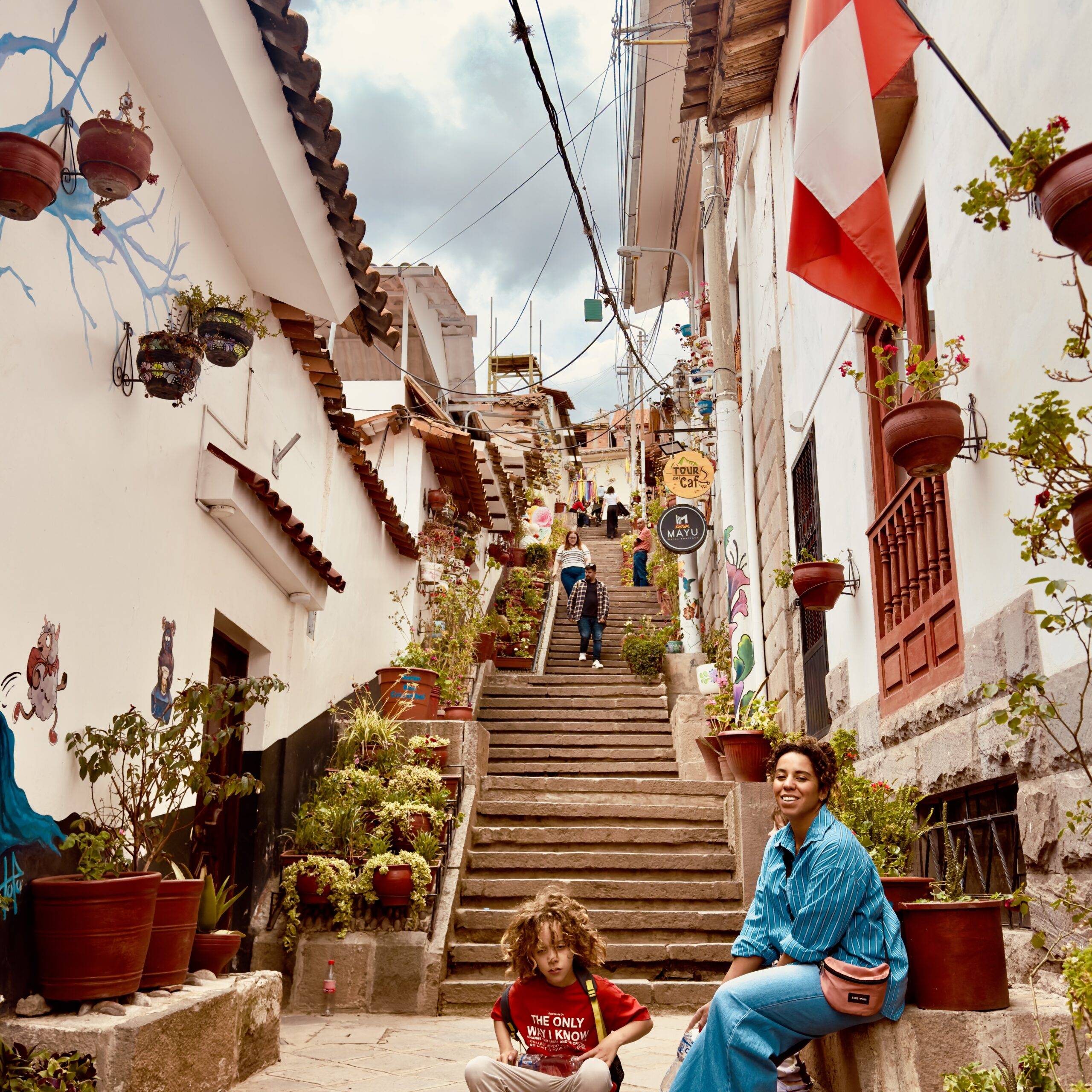
In places like Miraflores in Lima, the Sacred Valley, and central Cusco, we walked daily to parks, markets, bakeries, cafes, without ever feeling on edge during the day or early evening. (We even ended up by mistake doing some urban exploring in a delapidated part of Lima coastline) These areas are busy, well-patrolled, and full of other families doing exactly the same thing.
What we were more careful about:
Phones out in crowded areas
Backpacks on our backs in markets
Quiet side streets late at night
Petty theft is real, but it’s predictable. Once we adjusted how we carried things and stopped moving like distracted newcomers, it faded into the background.
Travelling During Protests (What That Was Actually Like)
We traveled Peru during a period when protests were still being mentioned regularly online, which made friends and family back home far more nervous than we were on the ground.
What we actually experienced:
Protests were localised, not everywhere (Miner protest in Puno)
They were talked about openly by locals
Hotels and hosts were quick to flag issues
Impacts were mostly logistical, not safety-related
For us, this meant the occasional delayed journey or rerouted transport, not confrontations or unsafe situations. The biggest lesson was simply not stacking travel days too tightly. Having buffer days made everything easier.
Getting Around With Kids (Where Safety Really Matters)
Transport was where safety felt most relevant as a family.
Flights became our go-to for longer distances. They saved time, energy, and the kind of exhaustion that turns small problems into big ones when kids are involved.
Buses varied wildly. Some were comfortable and well-run; others were long, winding, and harder than expected. Overnight buses worked better on paper than in reality, especially when arriving somewhere at 4 a.m. with tired kids.
Taxis and rideshares were what we used most in cities. Paying a little more for predictability and avoiding random street taxis at night felt like an easy trade-off.
None of this felt dangerous, it just required choosing comfort over the cheapest option more often than we might as adults traveling alone.
Healthcare, Pharmacies & Peace of Mind
One thing that surprised us was how accessible healthcare felt.
Pharmacies were everywhere, and staff were genuinely helpful with everyday issues, altitude headaches, stomach upsets, minor illnesses. We never felt stuck or unsure about where to go if something came up.
We carried insurance, knew where the nearest clinics were in bigger cities, and thankfully never needed anything more than a pharmacy visit. But knowing options existed lowered stress significantly.
So… Is Peru Safe for Kids?
For us, yes, and more so once we stopped overthinking it.
Our kids were welcomed everywhere. Locals smiled, helped, joked with them, and often made situations easier rather than harder. The moments that tested us weren’t about safety, they were about tired legs, long days, and trying to do too much.
Looking back, the biggest risks weren’t external. They were internal: rushing, overplanning, and not listening closely enough to how our kids were coping that day.
Peru didn’t feel hostile or unpredictable. It felt human. And for a family willing to slow down and pay attention, that made all the difference.
Altitude & Health When Traveling Peru With Kids
Altitude was the thing we worried about most before Peru, and the thing we underestimated in the most ordinary ways once we arrived. Not dramatic sickness, not emergencies. Just tired kids, shorter fuses, and days that quietly unraveled when we pushed too hard.
You don’t need to avoid the Andes with children. But you do need to change how you move through them.
How Altitude Actually Showed Up for Our Kids
Cusco sits high enough that the difference is immediate. For us, altitude didn’t look like anything extreme, it showed up in small, cumulative ways.
Our kids were:
Exhausted by early evening
Less interested in food for the first couple of days
Out of breath on walks that would normally be nothing
More emotional when days ran long
Nothing alarming. Just enough to tell us that the usual travel pace wasn’t going to work.
What surprised us was how quickly things improved once we slowed down. The days we planned very little were the days everyone felt better.
Why Starting in the Sacred Valley Made a Difference
If there’s one altitude decision we’re glad we made, it was not staying in Cusco immediately.
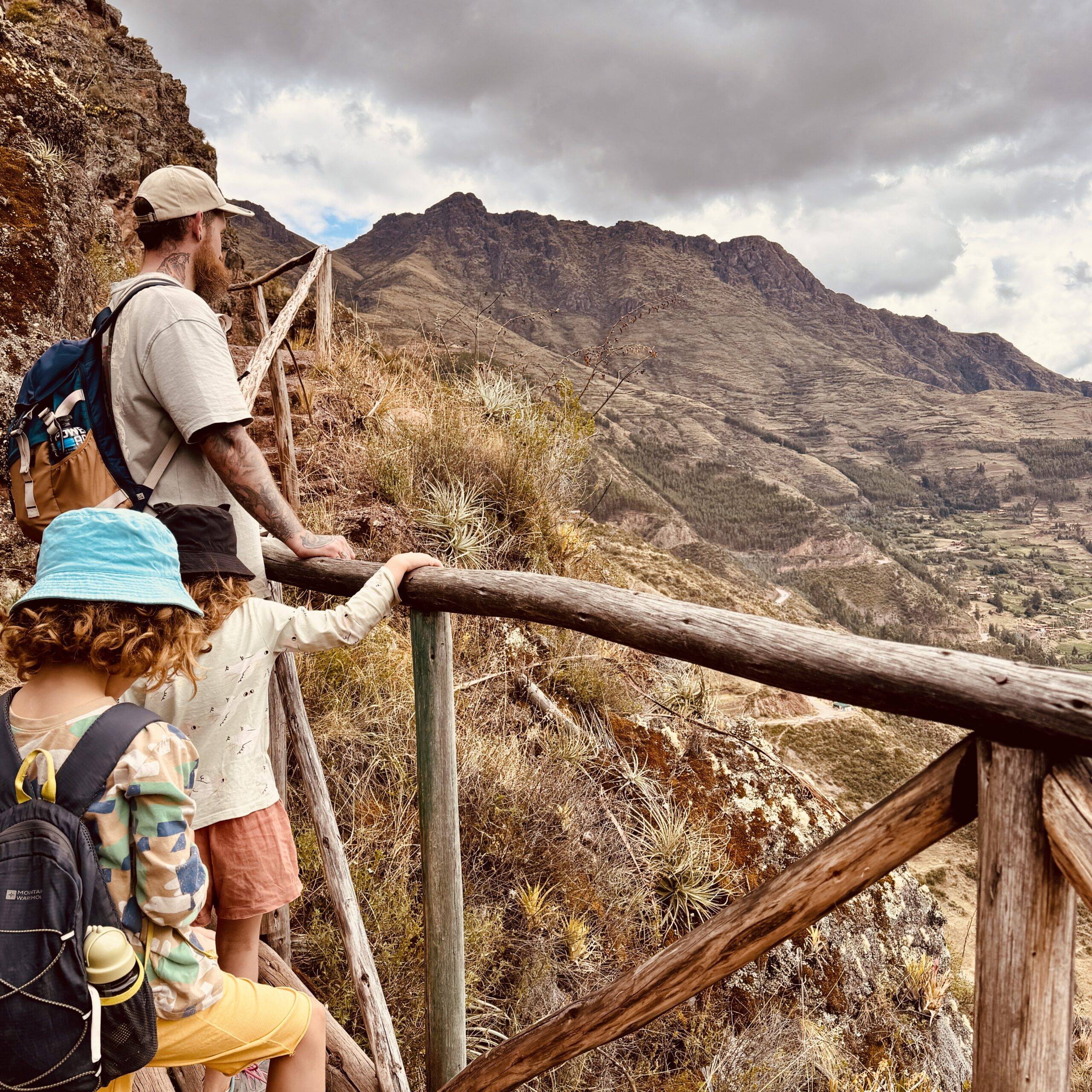
The Sacred Valley sits noticeably lower, and that difference mattered. The first few nights there felt calmer, better sleep, more appetite, less resistance to moving around. It gave our kids time to adjust without feeling like the trip had stalled.
Our rhythm ended up looking like this:
Fly into Cusco
Go straight to the Sacred Valley
Spend a few low-key days there
Head back up to Cusco once everyone felt stronger
By the time we reached Cusco properly, altitude was still present, but manageable instead of overwhelming.
The Mistakes We Made (So You Don’t Have To)
The days that didn’t work were almost always the same kind of day:
Too much walking
Too many “let’s just pop over there” moments
Not enough rest built in
Altitude doesn’t punish you immediately. It stacks. And kids feel that stack faster than adults.
Once we stopped treating arrival days like sightseeing days, everything improved.
What Actually Helped (And What Didn’t)
The things that made the biggest difference weren’t complicated.
What helped:
Drinking far more water than usual
Eating lighter meals, especially at night
Letting kids sleep early without trying to “push through”
Treating the first couple of days as adjustment time, not lost time
What mattered less than expected:
Special remedies or medication
Pushing activity to “help acclimatize”
Sticking rigidly to a plan
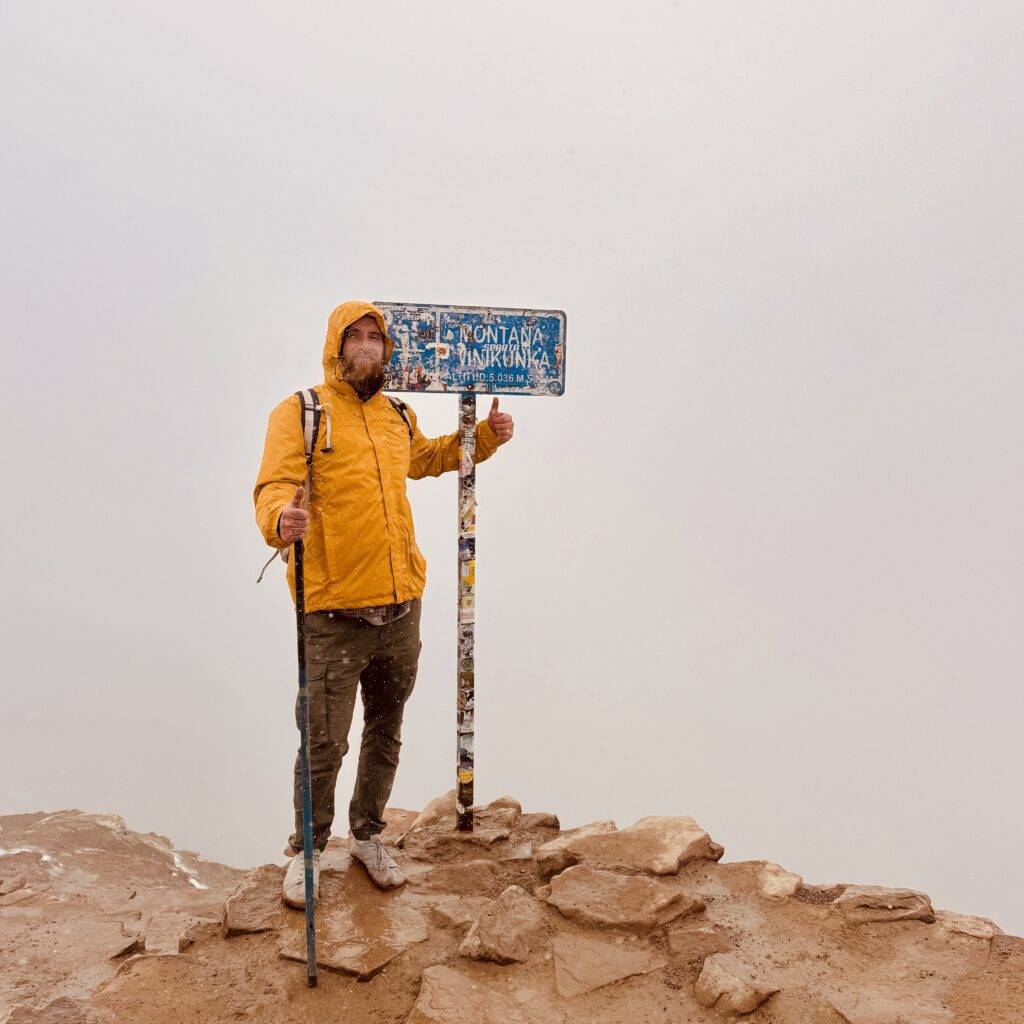
We skipped big-ticket activities until everyone felt genuinely settled. Rainbow Mountain, in particular, is not something we would’ve considered early on, and we were glad we waited as we decided for me to just do this and it worked out better as the kids would’ve not been able to do that due to high altitude at 5000M.
Should Altitude Put You Off Peru With Kids?
For us, no, but it did force us to travel differently.
Altitude didn’t ruin days. Rushing did.
Altitude didn’t scare our kids. Exhaustion did.
Once we adjusted our expectations, altitude became part of the background rather than the focus. The Andes didn’t need to be avoided, they just needed time.
How Expensive Is Peru for Families?
Before Peru, we kept seeing it described as “cheap,” which set the wrong expectations as I think these were blog posts from 10 years ago when most of Latin American travel was a lot cheaper and much more affordable.
Peru isn’t cheap in a backpacker fantasy sense anymore (Especially with kids to pay for) but it is flexible compared to say Costa Rica. What you spend depends almost entirely on the choices you make, especially once you’re traveling with kids.
For us, Peru landed in a comfortable middle ground. We spent less than we would in Europe or the US, but more than we expected in some places, usually when we paid for comfort or time rather than necessity. So think Coffee and cakes, not essential but as a parent needed for sanity.
What We Actually Spent Day to Day
Our costs changed depending on where we were and how fast we were moving.
On slower days, staying put, cooking some meals, walking or taking short taxis, spending felt very reasonable. When we moved more often, flew between regions, or booked last-minute transport, costs climbed quickly.
That pattern showed up again and again: movement cost more than living.
Accommodation: Where Budget Decisions Really Show
Accommodation was the biggest variable for us.
Apartments made the biggest difference. Having space, a kitchen, and laundry access saved both money and energy, especially in places like Lima, Cusco, and the Sacred Valley and when we needed extra room to work. (yes we were working and travelling)
Hotels worked well when:
Breakfast was included
We were only staying a night or two (Max 3 nights)
Location mattered more than space
Longer stays almost always came with discounts, and that’s where Peru really rewarded slowing down.
Food Costs (And Why This Was Easier Than Expected)
Food turned out to be one of the easiest parts of our budget.
Day-to-day meals were simple:
Set lunches were filling and inexpensive (Almuerzos/Menu del dia are great)
Bakeries handled most breakfasts
Fruit became a constant snack option
Even eating out most days, we often spent less than expected, especially once we stepped away from tourist-heavy streets. The bigger win was that food rarely became a battle with the kids, which saved us from defaulting to pricier “safe” options.
How Peru Compared to Other Places We’ve Traveled
Having traveled extensively through Peru and Ecuador, the difference in daily costs was noticeable, but not in a way that made Peru feel expensive or inaccessible.
Compared to Ecuador, Peru was slightly more expensive day to day, especially in popular tourist areas. That said, the jump wasn’t dramatic, and it often came with better infrastructure, more accommodation choice, and easier logistics for families.
We haven’t traveled Chile, Costa Rica, or Nicaragua yet, but based on planning and comparisons along the way, Peru consistently sat in a middle ground, not the cheapest option in the region, but far from the most expensive.
What stood out most for us wasn’t price, it was value. Peru offered:
Reliable transport options
A wide range of family-friendly accommodation
Varied experiences without constant upselling
We rarely felt locked into high daily costs just to make things work with kids.
So, Is Peru Expensive for Families?
For us, no, but it definitely rewarded intention.
The days that cost the most were almost always the same:
Rushing between destinations
Booking transport last minute
Trying to squeeze too much into short timeframes
The days that felt like good value were slower, more settled, and allowed us to live rather than constantly move. Cooking occasionally, staying longer in one place, and choosing comfort selectively made a noticeable difference.
Peru isn’t a bargain destination. It’s a choice-driven one. And for families willing to slow down and travel with intention, those choices often work in your favour.
As we continue traveling through Central America, including Panama, Costa Rica, and Nicaragua, Peru remains the benchmark we compare family travel value against. We’re not nieve though and no Central will be a lot more.
Best Places to Visit in Peru With Kids
Peru isn’t a country where every stop works equally well once you add kids into the mix. Some places immediately clicked for us as a family. Others were rewarding but tiring. A few only worked because we adjusted expectations and slowed things right down.
What made the biggest difference wasn’t how famous a place was, it was how it fit into the overall rhythm of the trip. The days that worked best were anchored by balance, not ambition.
Best Places in Peru for First-Time Families
These were the places where things felt easiest early on, not effortless, but manageable, especially while everyone was still adjusting.

Lima
Lima surprised us. After long travel days, neighborhoods like Miraflores and Barranco felt like somewhere we could breathe. Wide pavements, coastal walks, parks, cafes, and space for kids to move without constant supervision made it an ideal landing point. It was also where jet lag faded gently instead of colliding with altitude on day one.
Cusco
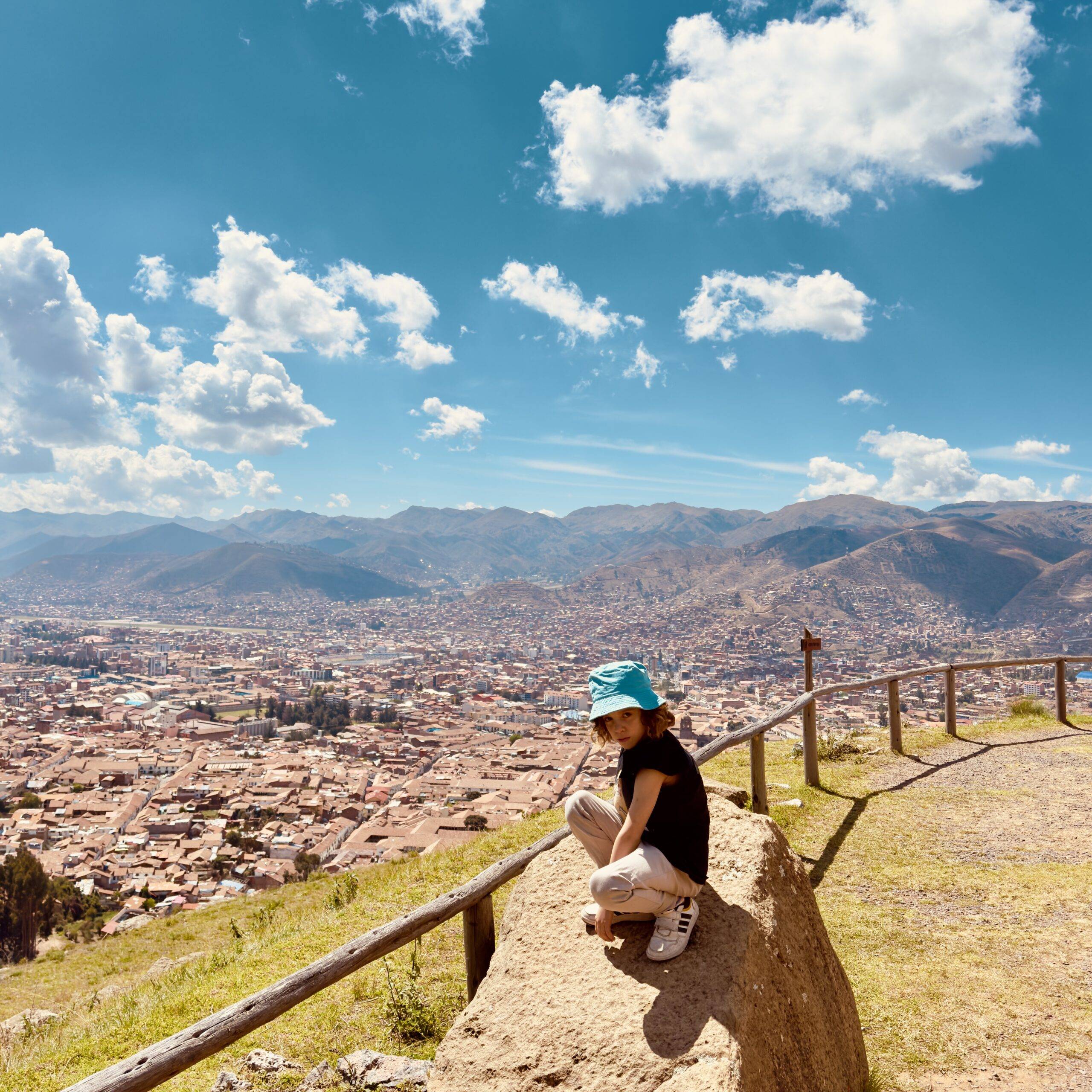
Cusco with kids felt intense at first, busy streets, altitude, lots happening at once, but once we slowed down, it became one of the most engaging places we visited. Markets, plazas, short walks, and nearby ruins meant we could do a little each day without exhausting the kids. It worked best when we treated it as a base, not a checklist.
The Sacred Valley
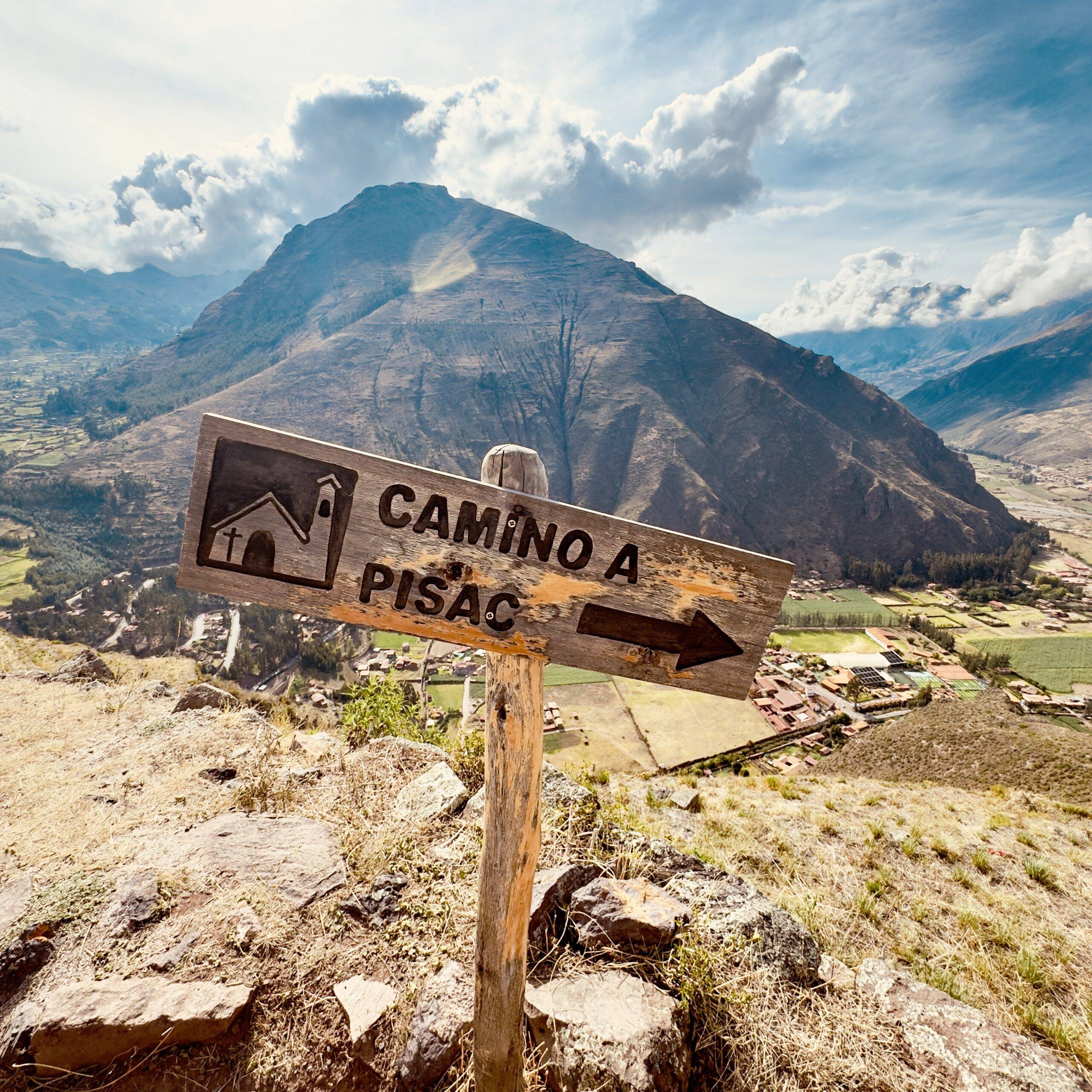
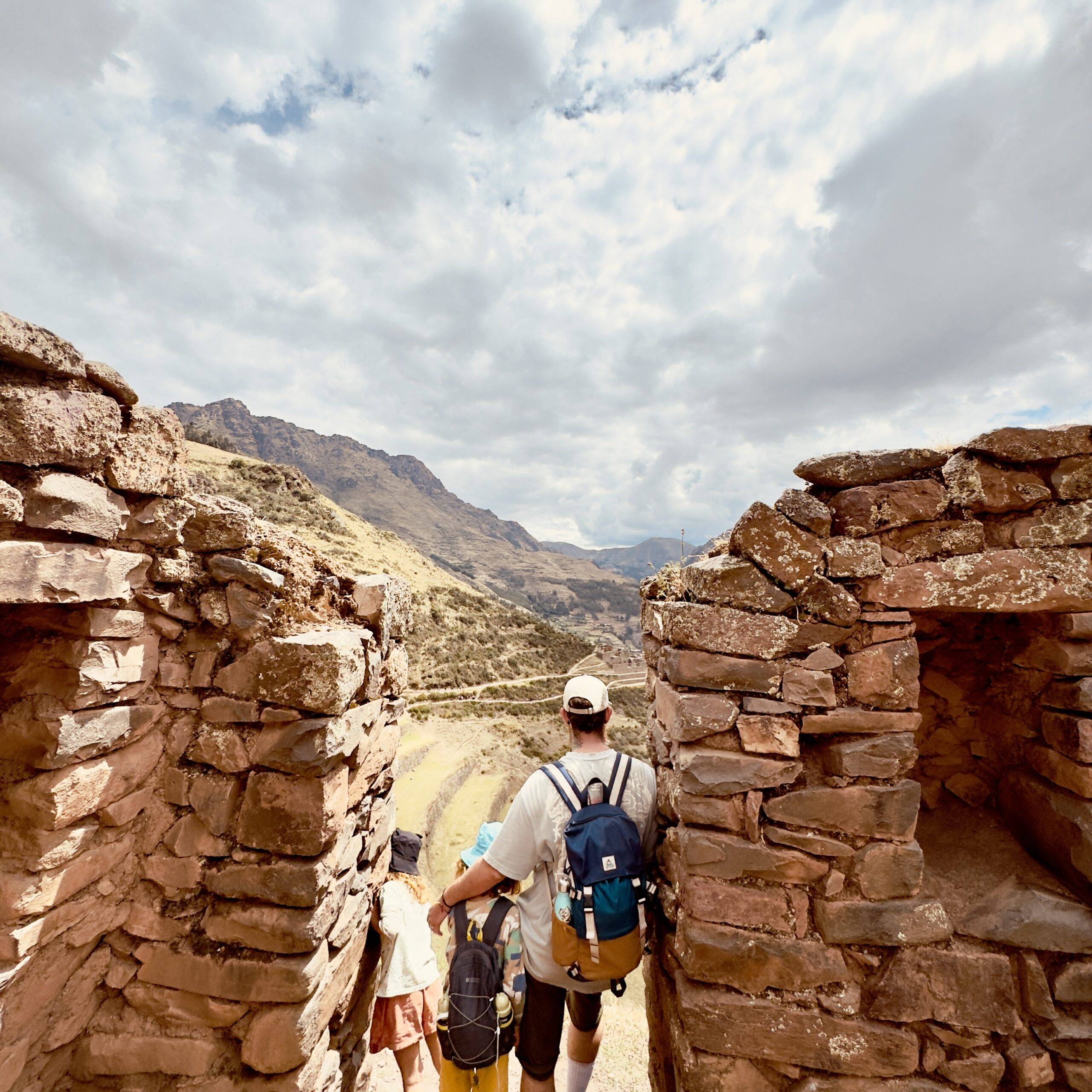
If there’s one place we’d recommend families linger, it’s the Sacred Valley. Lower altitude than Cusco, more space, quieter towns, and a calmer pace made a noticeable difference to our kids. Pisac and Ollantaytambo worked particularly well, whether for a few nights or longer stays, and this was where travel started to feel sustainable rather than demanding.
Best Places for Adventure-Loving Families
These places were highlights, but they worked best once our kids were settled, rested, and acclimatized.
Machu Picchu
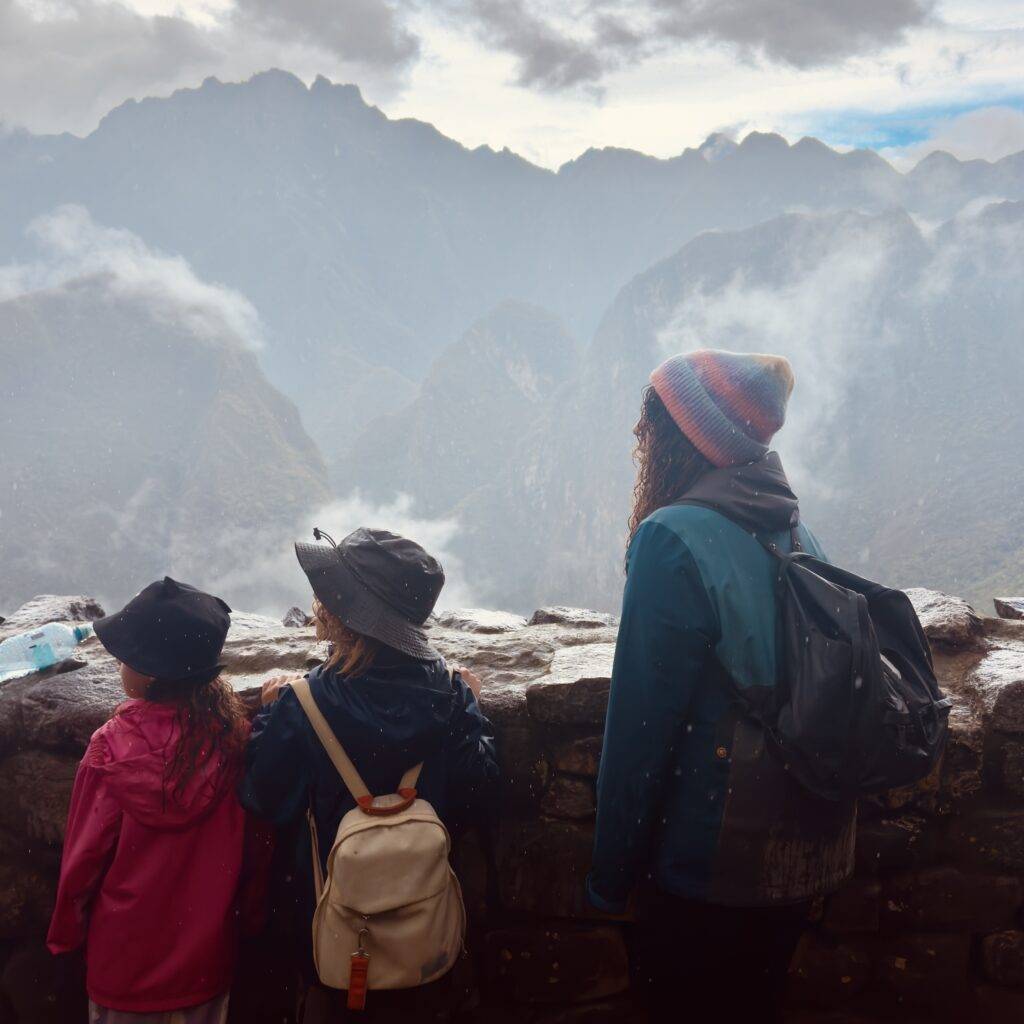
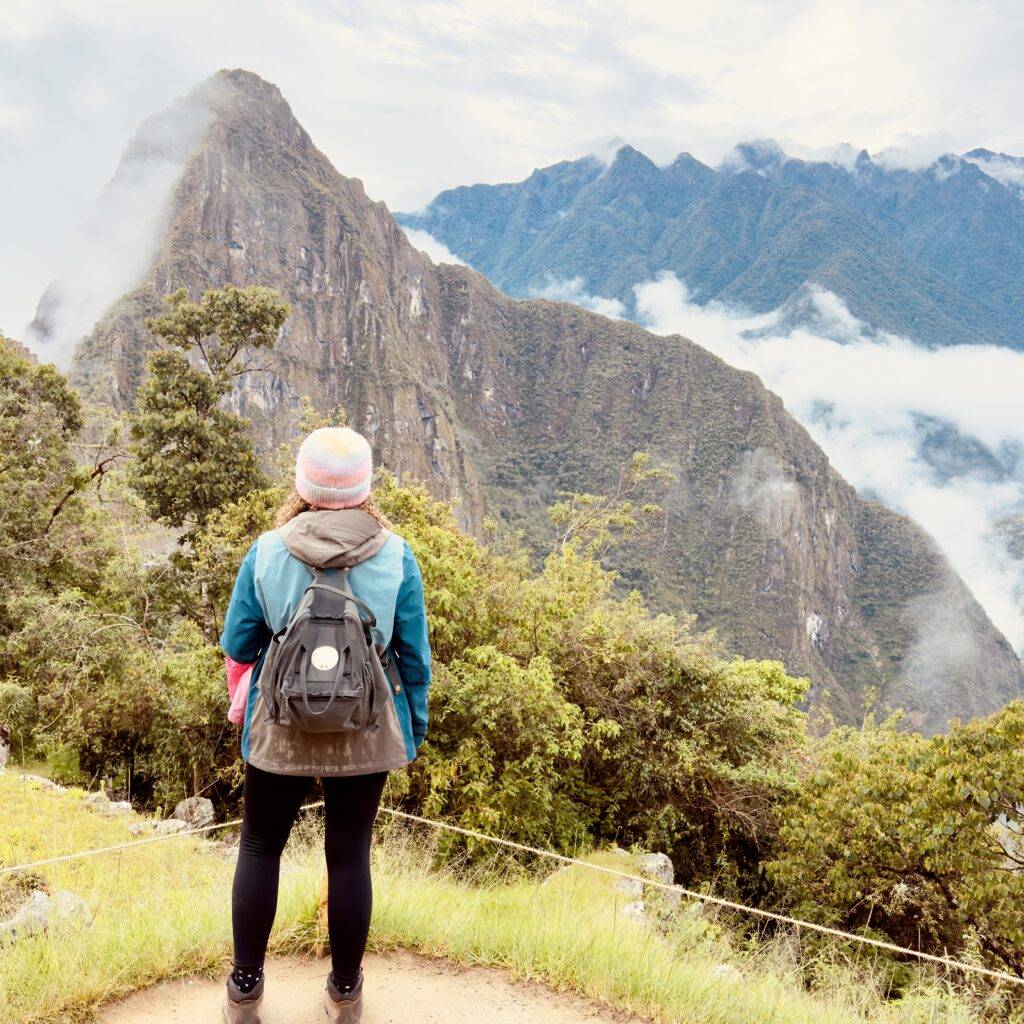
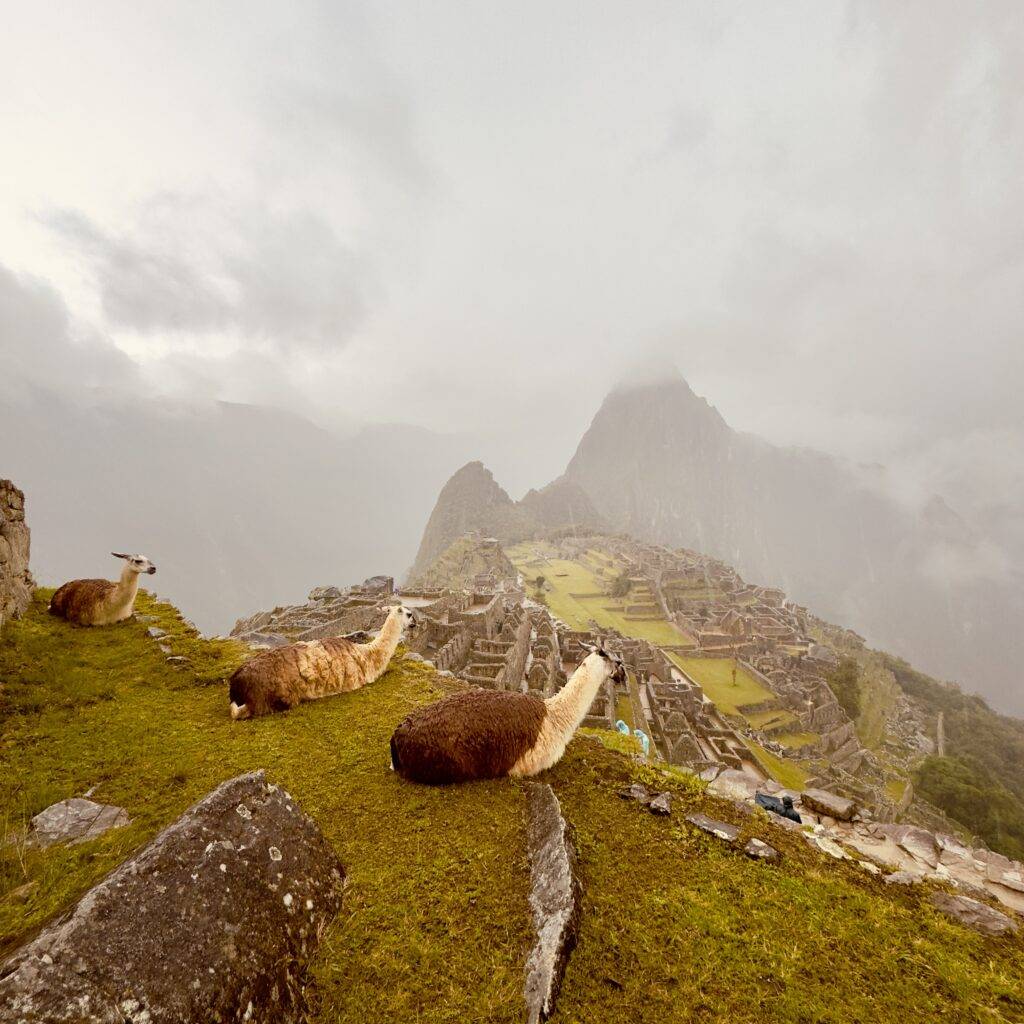
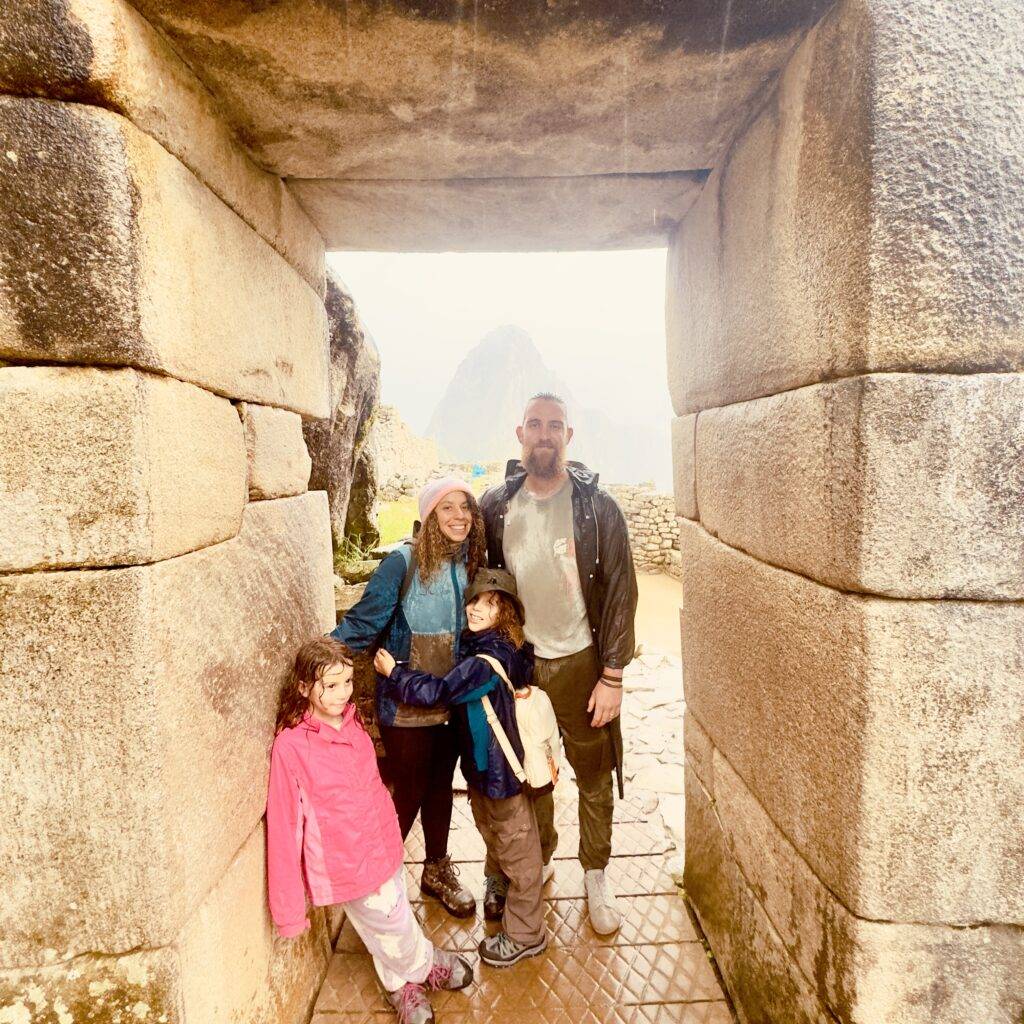
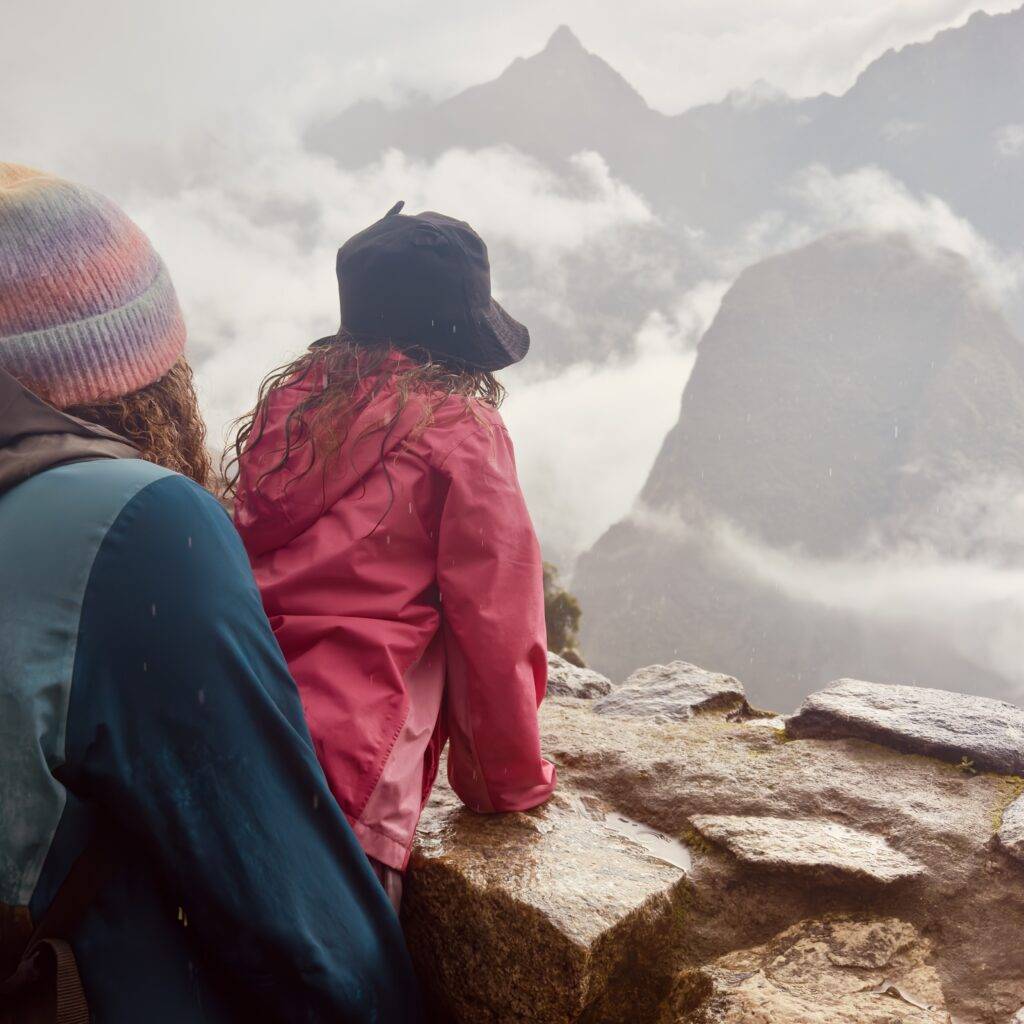
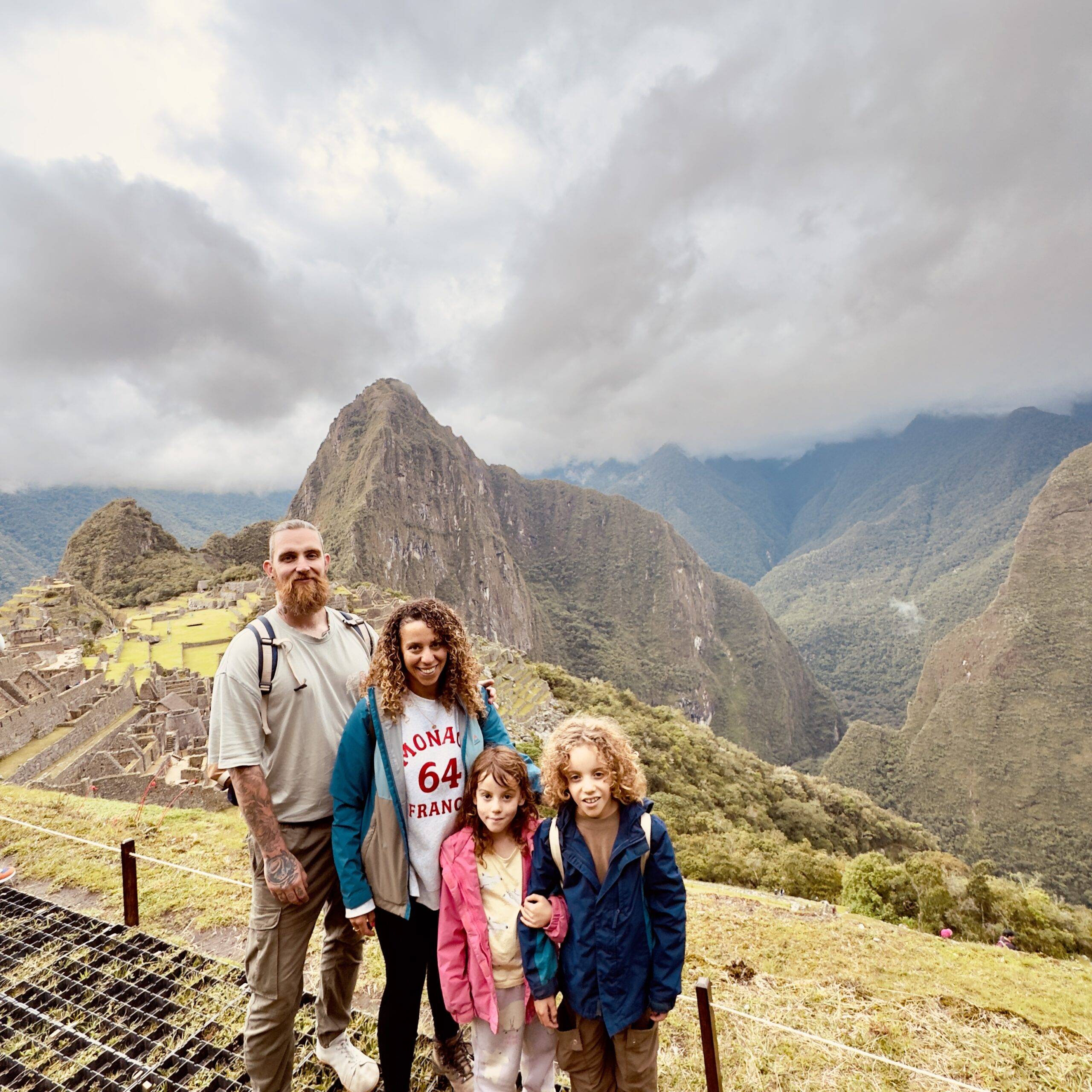
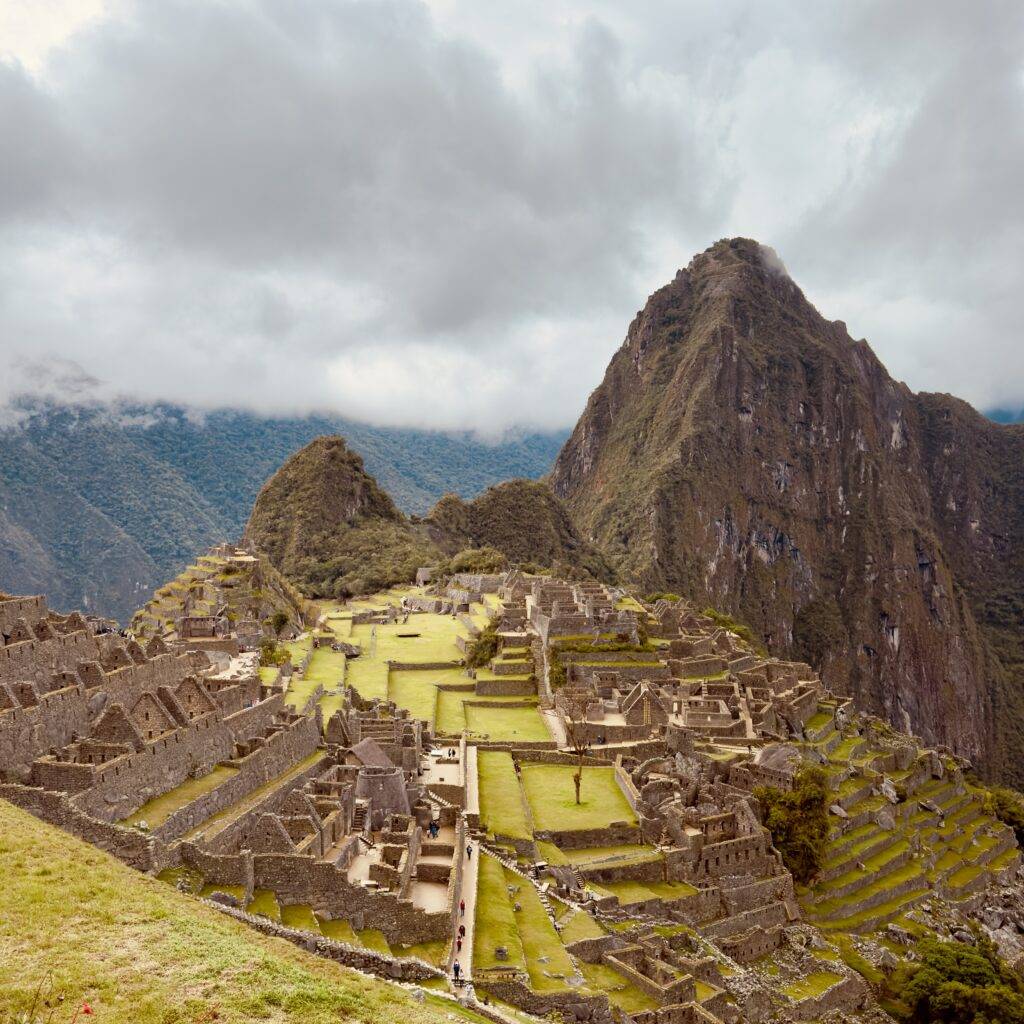
Yes, it’s still worth it with kids. The logistics took planning, and the day was long, but for school-age children especially, it felt meaningful rather than overwhelming. It wasn’t just a photo stop, Travelling Machu Picchu with kids felt like a shared experience we still talk about.
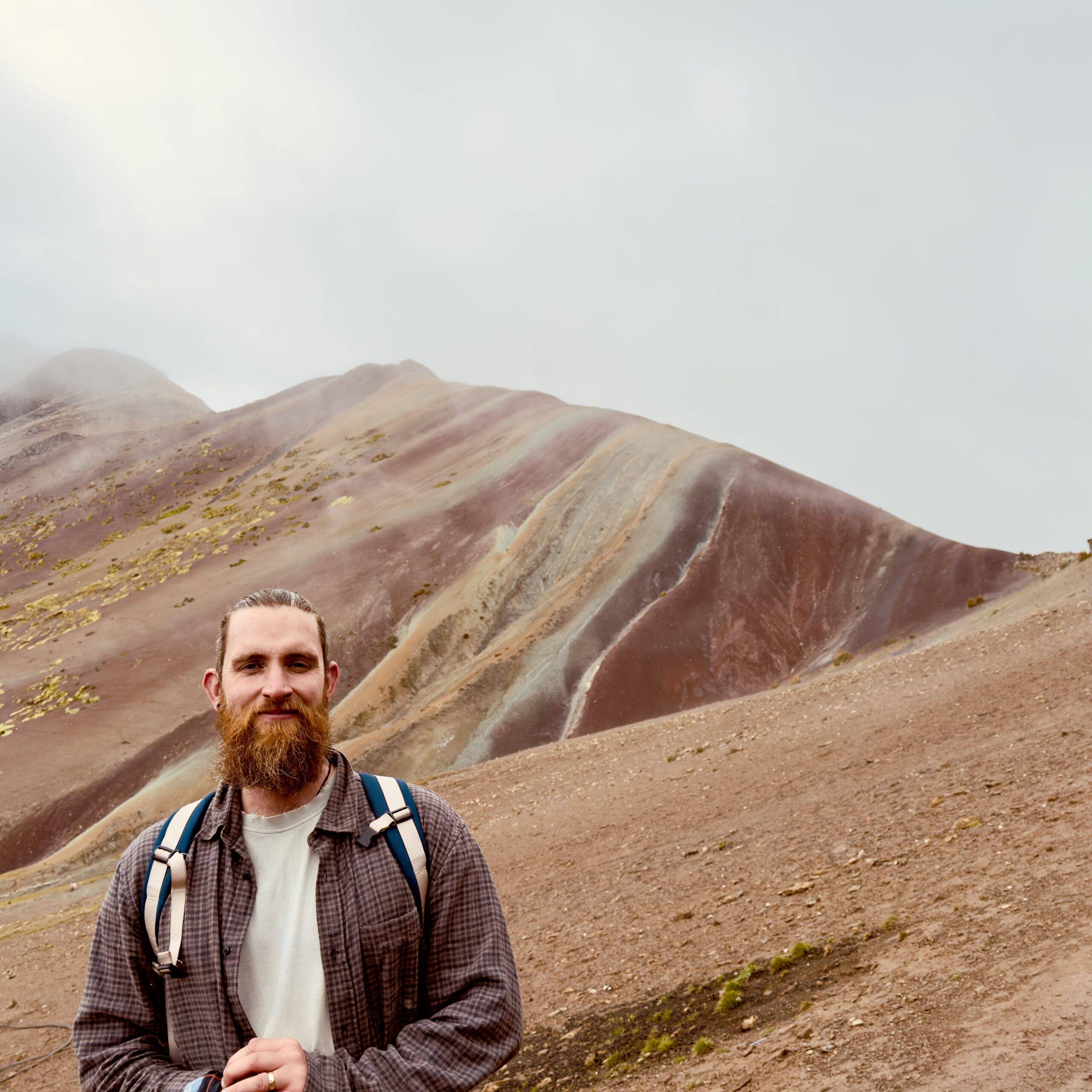
Rainbow Mountain
This was one of those “only if everything lines up” places. The early start and altitude made it unsuitable as a spontaneous add-on. I deceided to take this on myself without the kids as Rainbow mountain top altitude is 5032M
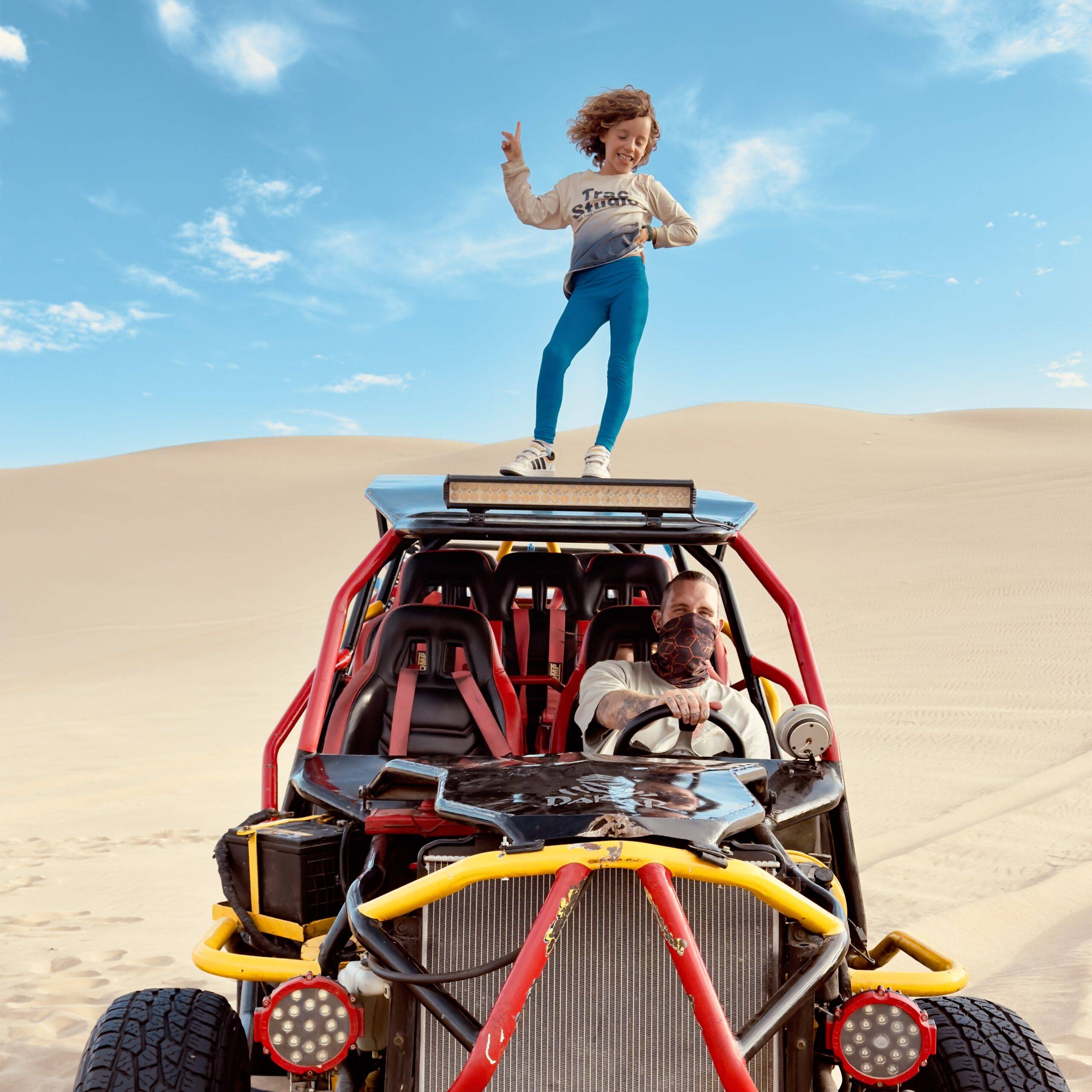
Huacachina & Nazca
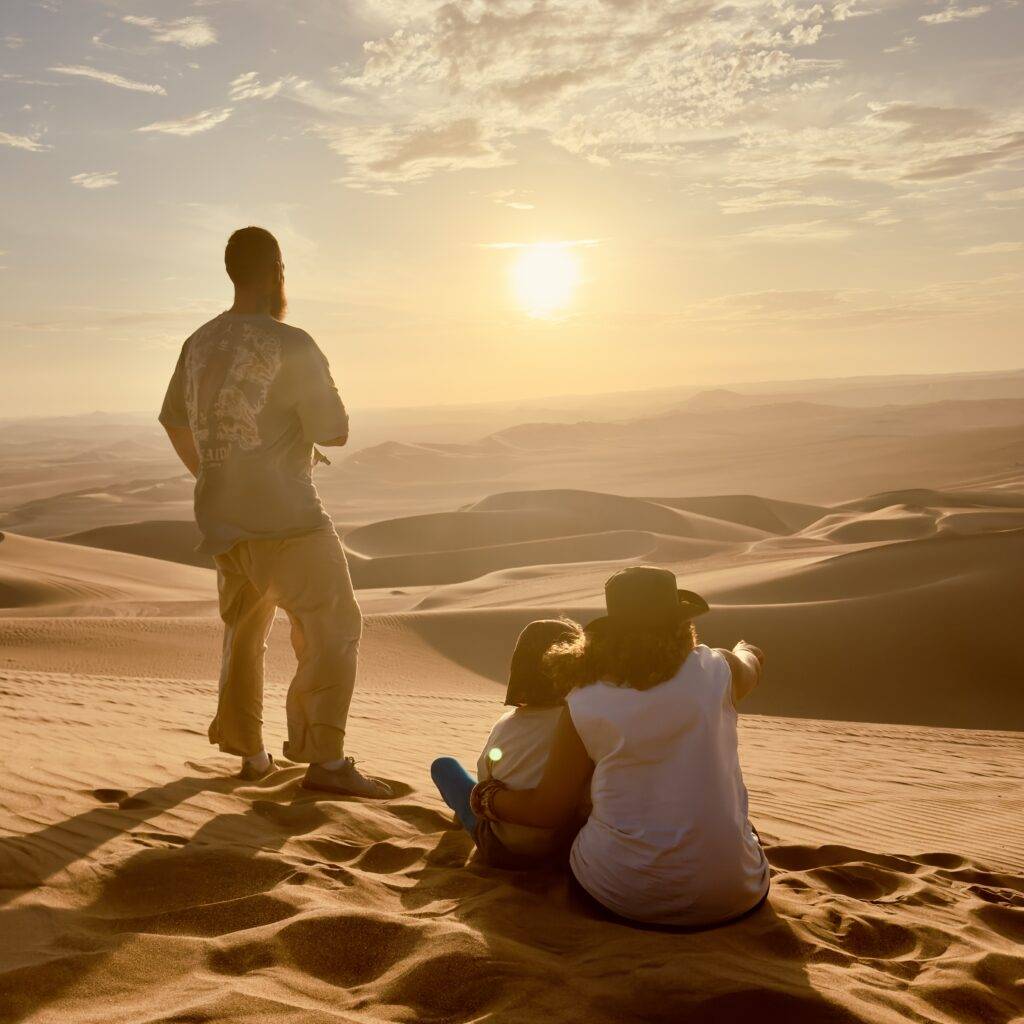
These stops were short, intense, and fun. Sandboarding in Huacachina and dune buggies broke up the trip nicely, but they worked best as brief visits rather than places to linger. The novelty was the appeal — and once that faded, so did the need to stay longer.
Best Places for Slower Travel With Kids
Some parts of Peru felt like a reset button, places where we could stop moving and just be a family again.
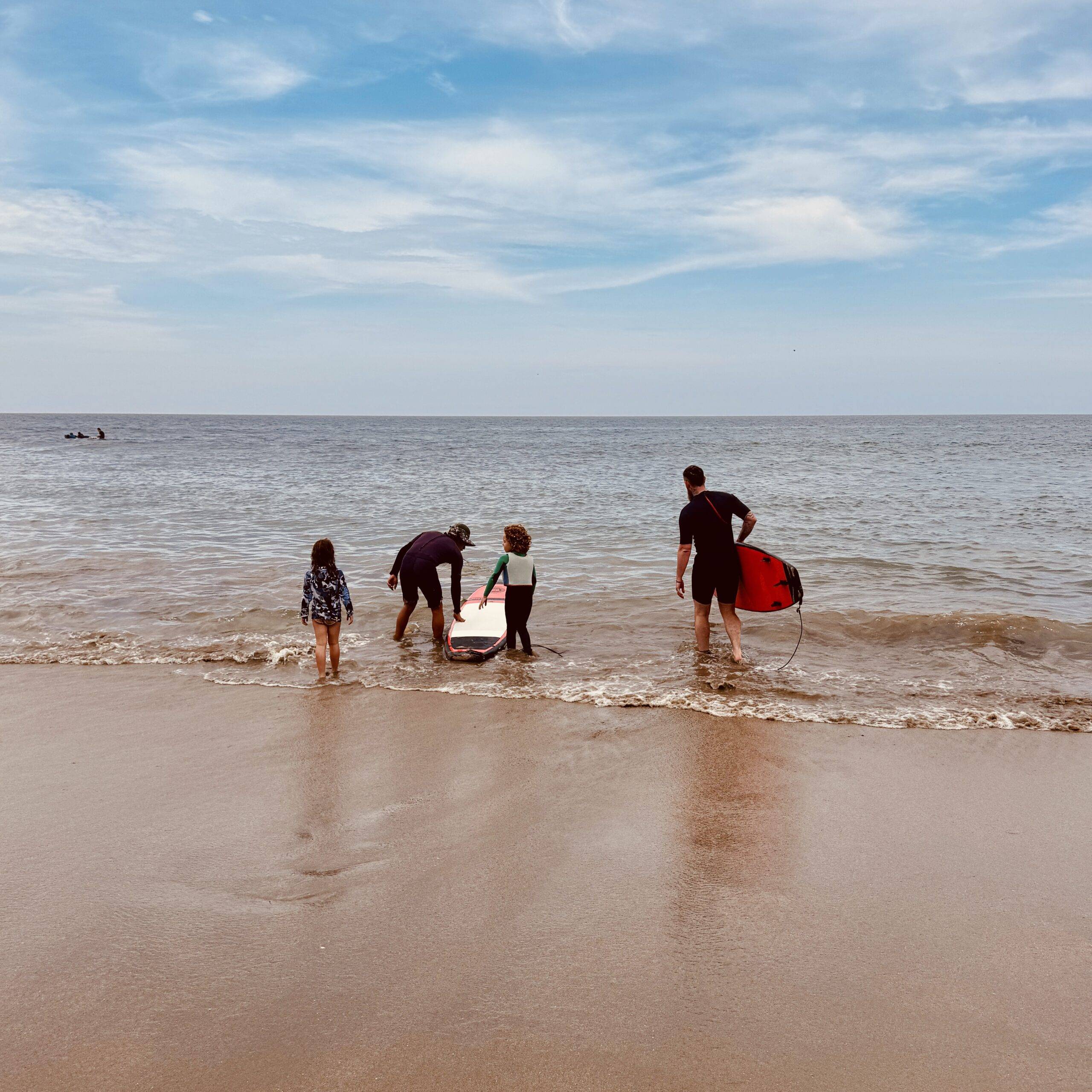
Máncora
After altitude-heavy regions, Máncora was exactly what we needed. Beach days, simple food, fewer logistics, and a slower rhythm made it easy to recover. It wasn’t about doing much, and that was the point.

Arequipa
Arequipa felt calmer and more spacious than other cities we visited. Wide streets, manageable distances, and a slower pace made it an easier urban stop with kids, especially compared to Lima or Cusco.
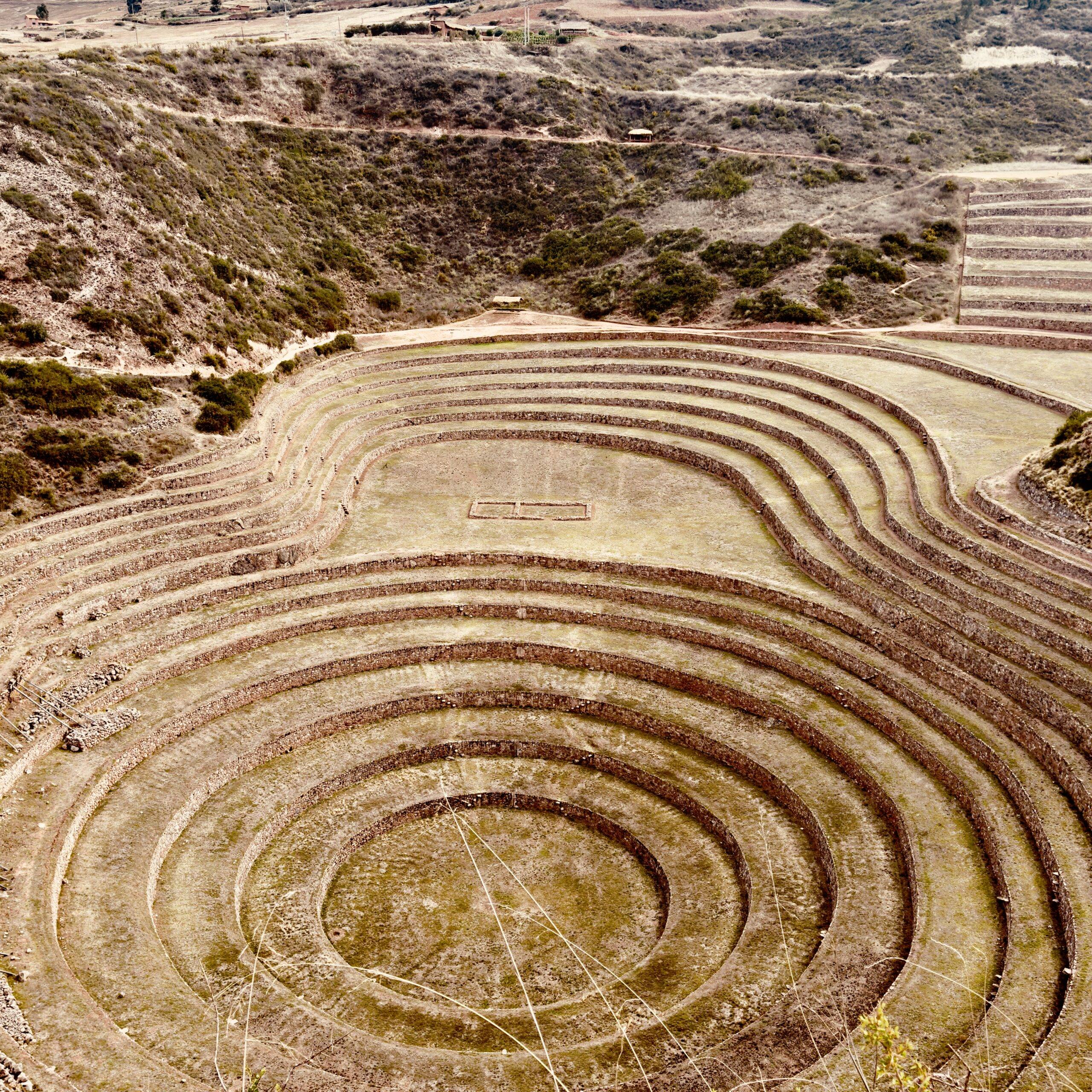
Smaller Sacred Valley Towns
The towns outside the main tourist flow ended up being some of our favourites. More space, nature on the doorstep, and fewer daily decisions made these places feel genuinely family-friendly.
Places That Can Be Tricky With Kids
Not every destination is wrong, some just require more honesty upfront.
From our experience, the tougher ones were:
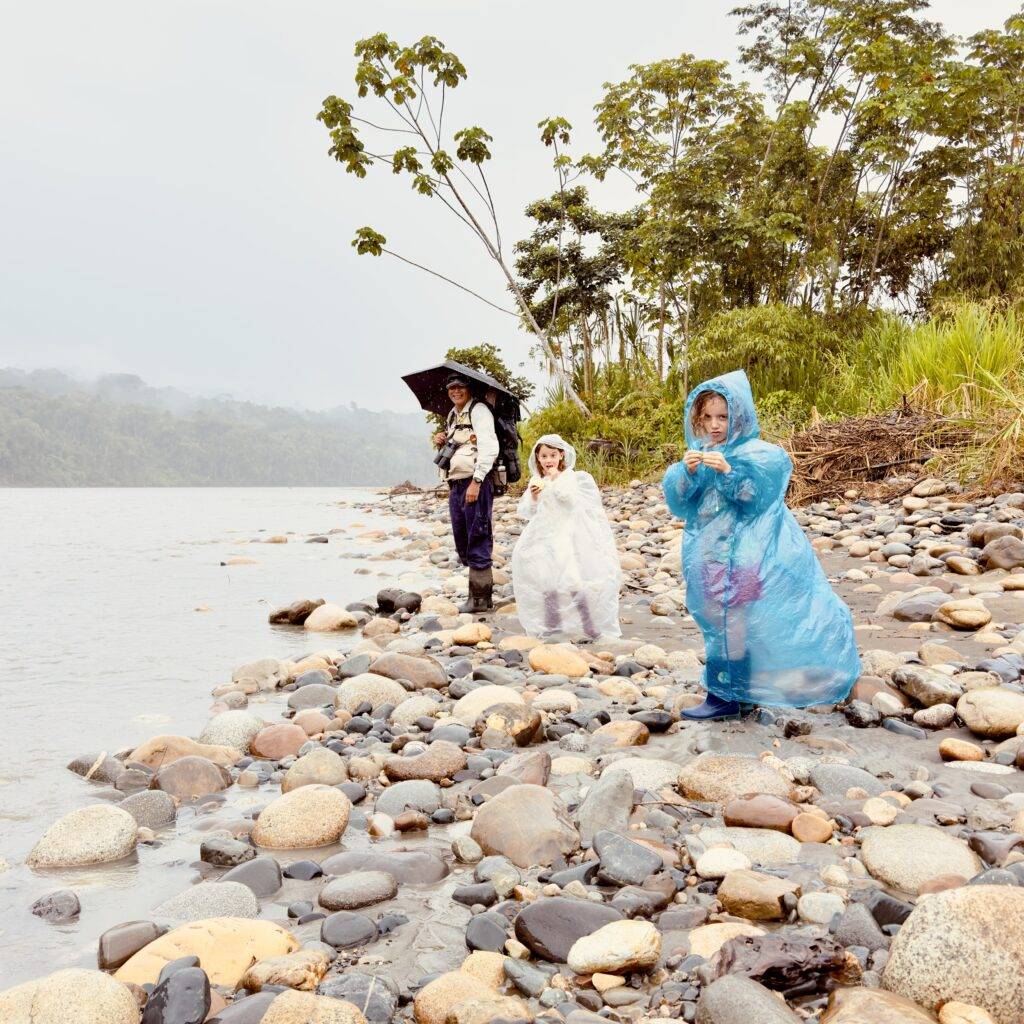
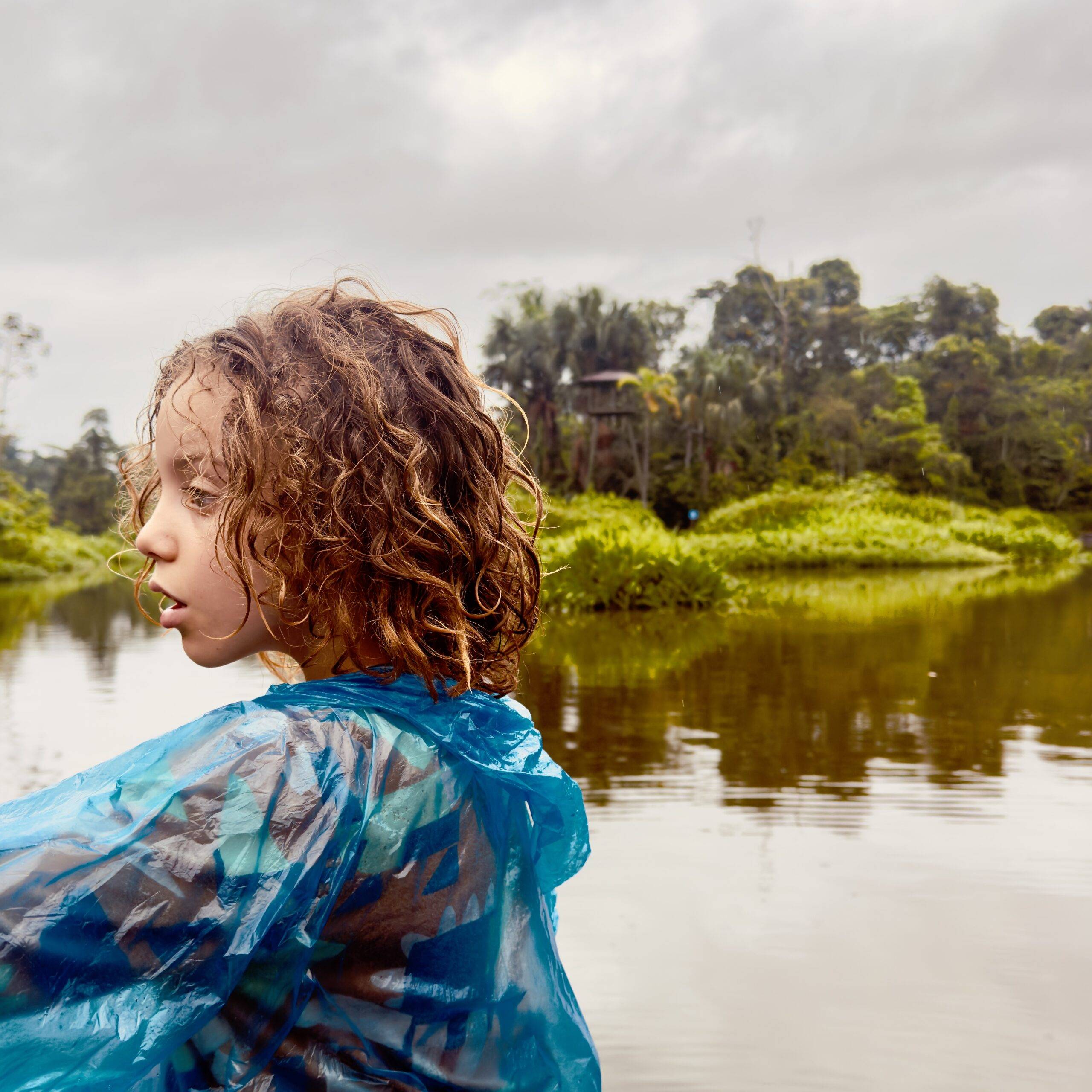
Remote jungle routes involving long river travel (We did an amazon tour but only long minivan journey)
Back-to-back overnight buses (We did 16 hours in one stint)
High-altitude destinations without acclimatization time
These can work, but they demand energy, patience, and flexibility and not every family trip needs that level of effort.
Choosing the Right Mix
The trips that worked best for us followed a simple pattern:
One major city
One highland region
One slower base
Limiting constant movement, spacing out big days, and building in recovery time made everything else fall into place. Peru rewarded depth far more than distance and once we accepted that, the whole trip felt lighter.

Peru With Kids by Age Group
Peru felt like a different country depending on how old our kids were on any given day. What worked beautifully one week felt like too much the next. The difference was rarely the destination, it was energy, patience, and how much movement we’d built into the schedule.
The key for us wasn’t asking “Is Peru good with kids?” but “What kind of Peru works at this stage?”
Peru With Babies & Toddlers
We haven’t traveled Peru with babies or toddlers, our kids are 8 and 6, but traveling through the country made it very clear what would likely feel easier or harder with much younger children.
Even with older kids, the days that worked best were the quiet ones. The same patterns came up again and again, and it’s easy to see how much more they’d matter with naps, routines, and limited stamina in the mix.
Based on what we saw and talks with other travellers with kids, traveling Peru with babies or toddlers would work best when:
Staying put longer rather than moving frequently
Walking locally instead of navigating transport daily
Choosing apartments where naps and early nights are possible
Paying more for short flights instead of long, winding bus journeys
Places like Lima (especially Miraflores), the Sacred Valley, and coastal towns consistently felt calmer and more manageable, even with older kids, which suggests they’d likely be the easiest starting points with very young children.
What stood out just as clearly were the things we were glad not to be dealing with:
Overnight buses
Tight connections between regions
Jumping straight into high-altitude excursions
Watching how much smoother Peru felt when we treated it as a series of bases rather than a route to cover, it’s hard to imagine tackling it any other way with a baby or toddler. Slowing down didn’t just make the trip better, it made it workable. Though we seen some traveller with their baby up at Matchu Picchu.
Peru With Young Kids (Ages 5–9)
This was the age where Peru really started to shine.
Our kids were old enough to:
Walk longer distances without complaint
Be genuinely curious about ruins and history
Handle altitude once we slowed the pace
Markets stopped being chaotic and became interesting. Train rides were exciting rather than stressful. Ruins turned into places to explore, not just photograph.
Cusco’s plazas, Sacred Valley towns, and Lima’s coastal parks all worked well at this stage, especially when days mixed movement with downtime. What surprised us most was how quickly school-age kids adjusted once they understood why a day needed to be slower.
Peru With Older Kids & Teens
We haven’t traveled Peru with teens yet, our kids are 8 and 6 but even at this stage, it was easy to see how Peru would shift from a family compromise into a shared adventure as kids get older.
Many of the places that already worked well for our children felt like they would land even more strongly with older kids and teens.
Experiences that stood out as naturally age-flexible:
Machu Picchu, where the history starts to mean something rather than just looking impressive
Desert landscapes like Huacachina, which are physical, visual, and different enough to feel exciting
Surf towns such as Máncora, where independence and downtime matter more
Markets, street food, and city wandering, which already sparked curiosity and questions with our kids
Even with younger children, we noticed that the more autonomy we allowed, choosing a snack, helping navigate a short walk, deciding where to eat, the more engaged they became. It’s easy to imagine that effect multiplying with older kids, where independence becomes part of the experience rather than something to manage.
Based on what we saw, Peru feels like a destination that grows with your kids. What starts as hands-on, sensory travel with younger children naturally evolves into cultural depth, adventure, and real-world learning as they get older.
How Long to Spend in Peru as a Family
If there’s one thing Peru taught us, it’s that time matters more than planning. Distances are longer than they look, travel days drain more energy than expected, and kids feel the build-up of fatigue faster than adults do.
The trips that worked best weren’t the ones where we saw the most, they were the ones where we stayed put long enough for days to stop feeling like logistics.
One Week in Peru With Kids
With one week, Peru works best when you pick a single region and commit to it.
What felt realistic for families:
Lima, plus one nearby destination
Cusco or the Sacred Valley, not both at full speed
What didn’t work well on paper (and almost never works in reality) was trying to squeeze in Lima, Cusco, and Machu Picchu in seven days. That kind of pace turns most of the trip into transit, queues, and tired evenings.
If you only have a week, think of it as a first taste, not a highlights tour. Peru doesn’t reward rushing, and kids feel that immediately.
Two Weeks in Peru With Kids
Two weeks was where things finally started to feel balanced.
This timeframe gave us space to:
Recover properly from long travel days
Adjust to altitude without pressure
Build in days that weren’t “about” anything
A pace that worked well included:
A few days in Lima to land gently
Time split between the Sacred Valley and Cusco
One big experience like Machu Picchu
A slower stop, coast or desert, to reset
This was the point where the trip stopped feeling like a series of moves and started feeling like travel.
Three Weeks or More (Slow Travel)
Once we had more time, Peru became noticeably easier.
Longer stays meant:
Fewer bags constantly half-packed
Less transport fatigue
More predictable routines for the kids
Basing ourselves in places like the Sacred Valley, Arequipa, or coastal towns made daily life simpler. Altitude was easier to manage, costs dropped, and everyone’s tolerance for small frustrations went up.
This was where Peru felt less like a destination and more like somewhere we could actually live for a while.
Why Slower Almost Always Works Better
In Peru, travel days are full days. They aren’t background logistics you can ignore.
Long drives, winding mountain roads, early departures, late arrivals, and altitude all stack. The days we underestimated travel were the days that fell apart fastest.
What consistently helped:
Planning rest days after long journeys
Leaving buffer days between major moves
Keeping activity schedules flexible
The difference between an enjoyable trip and a stressful one often came down to what we didn’t plan.
A Rule of Thumb That Held True
For our family, this guideline never failed:
One destination per week felt comfortable
Two per week was ambitious
Anything beyond that usually meant stress
Peru isn’t about how much ground you cover. It’s about how well your family experiences the places you choose to stay.
What to Skip in Peru When Traveling With Kids
Peru is full of “must-see” lists, but some of the things that sound best on paper are the ones that quietly drain the trip once kids are involved. We didn’t always get this right, and the days that fell apart usually had one thing in common: we tried to do too much.
Learning what to skip, or at least approach more carefully, ended up being just as important as choosing where to go.
Overpacked Itineraries
This was the biggest trap for us early on.
Moving every couple of nights, jumping between regions, or stacking major sights back-to-back sounded efficient. In reality, it meant:
Constant packing and unpacking
Tired kids by mid-afternoon (and tired parents)
Short tempers over small things
Feeling like we were always catching up
Peru looks compact on a map, but travel takes time and energy. The days that worked best were the ones where we stayed put and let the place come to us.
Back-to-Back Early Starts
Some early mornings are unavoidable, Machu Picchu and Rainbow Mountain don’t exactly run on a relaxed schedule. But doing several 4–5 a.m. starts in a row was something we regretted.
Those mornings didn’t just affect the day itself. They bled into the next one. Kids were flat, adults were irritable, and everything felt harder than it needed to be.
When an early start was unavoidable, pairing it with a quieter day before or after made a noticeable difference.
High-Altitude Day Trips Too Soon
This was another lesson learned quickly.
Jumping into high-altitude excursions before everyone had properly adjusted was when altitude stopped being background noise and became the main event. Rainbow Mountain, in particular, is not a casual add-on, and definitely not something to attempt early in a trip.
The days that worked were the ones where we waited until:
We’d been at altitude for several days
Everyone’s appetite and energy were back
Short walks felt normal again
Skipping or postponing these trips didn’t feel like missing out. It felt like protecting the rest of the journey.
Instagram-Famous Stops That Look Better Than They Feel
Some places look incredible online but are hard work with kids.
We found these usually involved:
Long queues with no shade
Strict entry times
Limited bathrooms
Little flexibility once you’re there
That doesn’t mean avoiding popular places altogether — it just means being honest about whether that day, that mood, and that level of energy made it worth the effort.
Overnight Buses With Younger Kids
Overnight buses sound efficient, especially when distances are long. In practice, they were harder than expected.
What we got instead of a “saved day” was:
Broken sleep
Early arrivals with nowhere to go
Kids who were already exhausted before the day began
Daytime travel or flights cost more, but they often saved the trip from spiraling into recovery mode.
Letting Go of “Doing It All”
This was the most important thing we learned.
Peru is layered, complex, and impossible to fully experience in one trip, especially with kids. Once we stopped trying to see everything, space opened up for:
Unexpected moments
Slower mornings
Better moods
Stronger memories
Skipping something didn’t feel like failure. It felt like choosing the version of the trip our family could actually enjoy.
Practical Tips for Traveling Peru With Kids
These are the things we didn’t fully appreciate until we were already on the ground, juggling bags, kids, and logistics at the same time. None of them are exciting, but they’re the difference between days that run smoothly and days that quietly unravel.
SIM Cards, Wi-Fi & Staying Connected
Connectivity was generally solid where we spent most of our time, cities and tourist areas but it dropped quickly once we moved away from main hubs.
What worked best for us:
Buying a local SIM shortly after arrival
Relying on accommodation Wi-Fi whenever possible
Downloading offline maps before travel days
For longer stays, local SIMs were noticeably cheaper and more reliable than international eSIMs. We learned quickly not to assume coverage once we left city centres.
Money: Cash vs Cards (What Actually Happened)
Peru pushed us back into cash mode more than we expected.
Cards worked fine in:
Supermarkets
Larger restaurants
Hotels
But day to day, cash was essential, especially for taxis, markets, smaller eateries, and bathrooms.
A few things that saved us hassle:
Carrying small bills at all times
Withdrawing cash in cities, not small towns
Not leaving ATM runs until the last minute, Look for Banco de la Nation
ATMs were easy to find, but not always reliable, occasionally empty, occasionally offline.
Food & Water With Kids
We worried about food far more than we needed to.
What actually worked:
Eating freshly cooked food
Choosing busy, local places
Keeping hand sanitizer handy
Drinking bottled or filtered water
Our kids adapted quickly, especially to everyday staples like rice, soup, eggs, bread, chicken, and fruit. Food rarely ended up being the hard part of the day.
Bathrooms, Breaks & Real-Life Logistics
Bathrooms existed, they just weren’t always obvious or convenient.
Things we quickly learned to carry:
Small coins for paid bathrooms
Tissues and hand sanitizer
A rough mental map of likely stops
Markets, malls, cafes, and larger supermarkets were the most reliable places to take a break. Attractions were far less predictable.
Language & Getting the Kids Involved
We didn’t speak fluent Spanish, and that was never a real problem 99% of the time, my slightly conversation (On the topics i was cofident in) got us a long way. Effective spanish learning techniques can really enhance your ability to communicate more effectively. Engaging with native speakers and using immersive experiences can significantly boost your confidence. Additionally, incorporating interactive resources like language apps can help reinforce what you learn in real-life situations.
Even basic phrases made a difference and the kids loved using them. Ordering food, saying thank you, or asking for simple things gave them a sense of ownership and often led to warmer interactions.
They also was just kids and shouted out random Spansh words unrelated to the situation.
People were patient, encouraging, and usually amused, in the best way.
The One Thing That Made Everything Easier
We stopped scheduling days tightly.
Leaving space for:
Snacks
Rest
Mood swings
Delays
made Peru feel manageable rather than demanding. The days where the schedule bent around the kids were always better than the days where we tried to push through.
FAQS:
Is Peru safe to travel with kids right now?
This was our biggest concern before arriving, and it ended up being far less dramatic than we expected. In the places we spent time, Lima (especially Miraflores and Barranco), Cusco, the Sacred Valley, and coastal towns, Peru felt safe in a very practical, day-to-day way. We were mindful of petty theft and transport fatigue, but never felt threatened. Protests did happen while we were there, but they were localized and easy to work around with basic awareness and flexibility. For us, safety was more about pacing and paying attention than avoiding places altogether.
Is Peru kid friendly for toddlers and young children?
Yes, but only if you slow down. Traveling with younger kids worked best for us when we treated Peru as a series of bases rather than a route to cover. Lima, the Sacred Valley, and lower-altitude areas were noticeably easier with toddlers. What caused issues wasn’t Peru itself, but long travel days, overnight buses, and rushing altitude changes. Once we prioritized rest and stayed put longer, traveling with young children felt manageable rather than stressful.
Is Peru a good first international trip with kids?
It depends on what kind of first trip you’re looking for. Peru wasn’t the easiest destination we’ve traveled with kids, but it was one of the most rewarding. If you’re comfortable with cultural differences, flexible plans, and days that don’t always go perfectly, Peru can be a powerful first experience. If you need predictability, routine, and minimal friction, it may feel like a big jump. For families willing to adapt, the learning and shared experiences outweighed the challenges.
What’s the best itinerary for Peru with kids?
The itineraries that worked best for us followed a simple rule: one main region per week. Starting in Lima helped us land gently, the Sacred Valley gave us space to adjust to altitude, and Cusco worked best once everyone felt settled. Adding one slower stop, like the coast, made a huge difference. Every time we tried to pack in too much, energy dropped quickly. The trips that felt best were the ones with space to breathe.
Is Peru better than Ecuador for families?
We found both countries family-friendly, but in different ways. Peru offered more depth, iconic sites, and well-developed tourist infrastructure, while Ecuador felt simpler to move around and slightly cheaper day to day. Peru worked better for us when we wanted fewer stops with deeper experiences. Ecuador suited a more relaxed, long-term pace. Neither is “better” it really comes down to how much movement your family enjoys and what kind of trip you’re hoping to have.
Final Thoughts: Is Peru Worth It With Kids?
Peru isn’t effortless and that’s exactly what made it meaningful for us.
The families who seem to love Peru most aren’t the ones who try to see everything. They’re the ones who slow down, adjust expectations, and let the country unfold at a pace their kids can handle. Peru offers history you can touch, landscapes that change constantly, and moments that stay with children long after the trip ends.
It’s not about ticking off destinations.
It’s about shared experiences, adaptability, and seeing the world together, imperfectly, but fully.