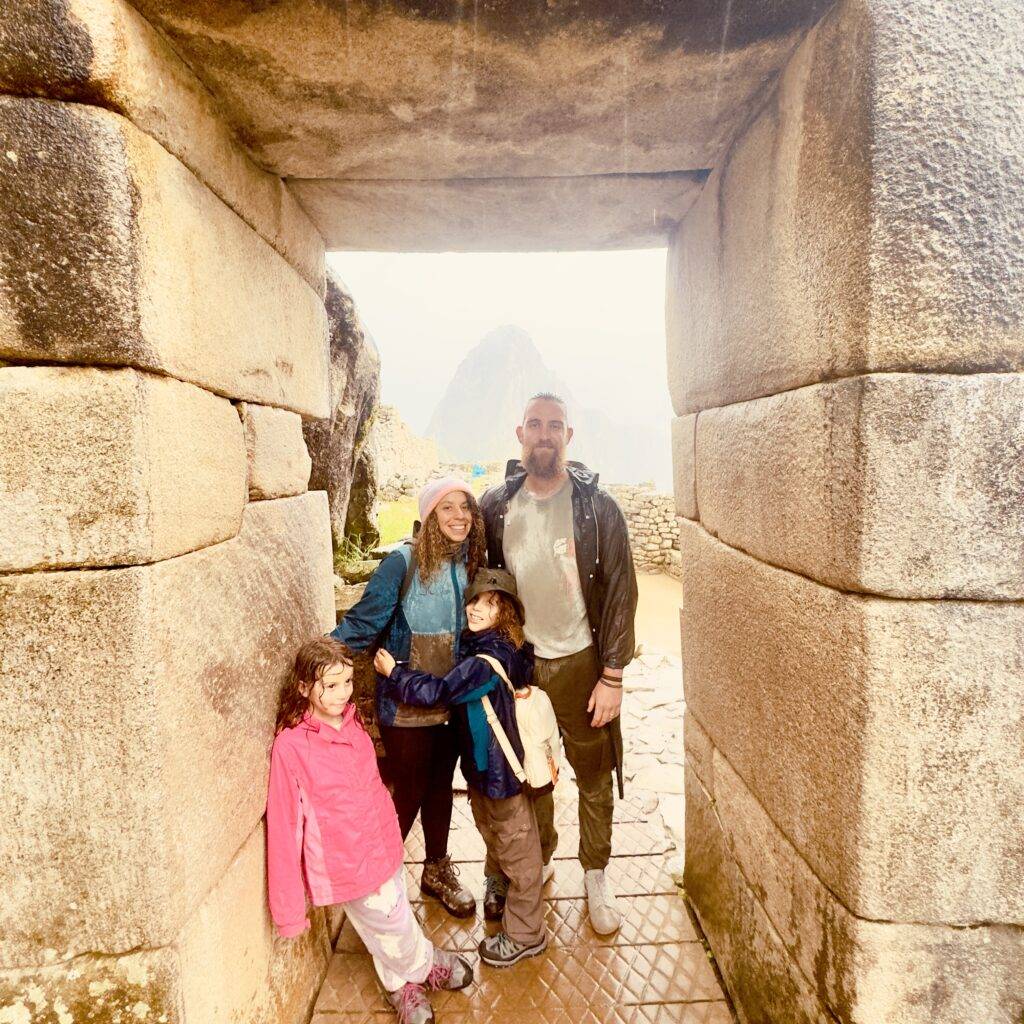
Sacred Valley With Kids: Deep Dives in Pisac & Maras
High in Peru’s Andes, the Sacred Valley unfolds at a slower, more human pace, one that works surprisingly well with kids in tow. This is where family travel shifts from box-ticking to lived experience: wandering the terraced hills of Pisac, learning how salt has been harvested for centuries in Maras, and letting curiosit,not crowds, set the rhythm. These aren’t rushed stops or polished attractions. They’re places to pause, ask questions, and let kids see history, food, and daily life woven together in real time.
Is the Sacred Valley Worth Visiting With Kids?
Short answer: yes, if you let it be what it is.
The Sacred Valley worked for our family in a way Cusco never quite did. Not because it’s packed with attractions, but because daily life there slowed down enough for everyone to breathe. Lower altitude helped. So did space, quieter mornings, and the ability to settle instead of constantly packing up.
With kids, that difference matters.
In Cusco, every day felt like effort. Steep streets, crowds, noise, and the subtle pressure to “do something.” In the Sacred Valley, days stretched out. Walks replaced transport. Coffee stops replaced itineraries. The kids weren’t just tagging along, they were part of the rhythm.
That doesn’t mean the Sacred Valley is automatically easier. It’s not plug-and-play. Towns are spread out. Amenities vary wildly. Some places are peaceful to the point of emptiness. But if your family travels better when there’s room for routines, downtime, and flexibility, the Valley often feels like a reset rather than another destination to conquer.
For us, it became less about sightseeing and more about living, which, with kids, is usually when travel starts to feel good again.
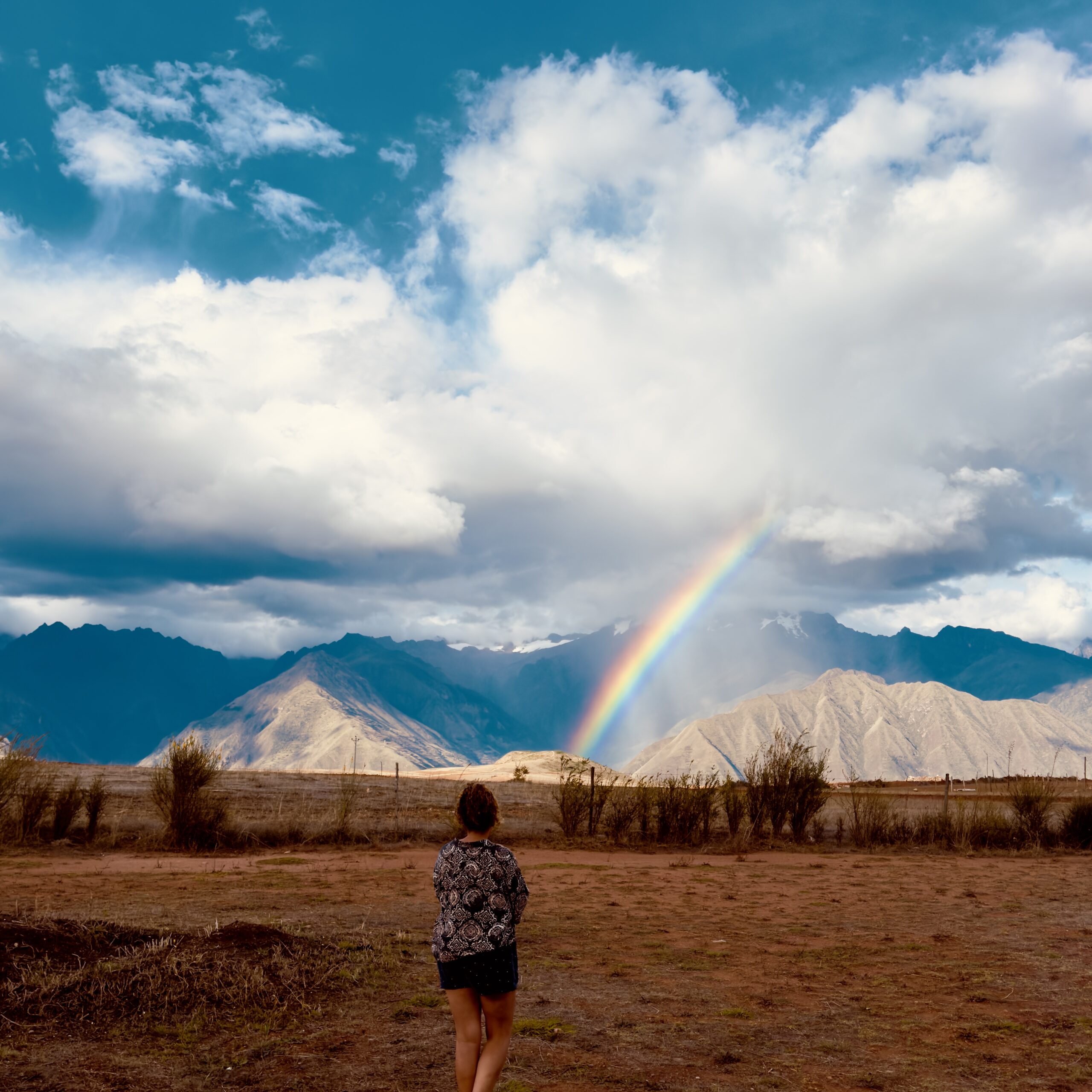
Sacred Valley vs Cusco With Kids: Where Is Better to Stay?
If you’re choosing between staying in Cusco or the Sacred Valley with kids, the difference isn’t subtle, it’s felt immediately.
Cusco is intense. It’s beautiful, historic, and full of energy, but with children it can also feel relentless. Steep streets, crowds, traffic, noise, and altitude all stack up quickly. Even short outings require effort, and by mid-afternoon we often found everyone running on empty.
The Sacred Valley, by contrast, gave us space.
Lower altitude meant fewer headaches and less fatigue. Towns felt calmer. Mornings were slower. Walking replaced taxis. And most importantly, the kids had room to exist without being rushed from one attraction to the next.
Cusco Works Better If You:
Are staying only a short time
Have older kids who enjoy busy cities
Want walkable access to museums, markets, and restaurants
Are using Cusco mainly as a base for Machu Picchu
The Sacred Valley Works Better If You:
Have younger kids or want slower days
Need altitude adjustment time
Prefer nature, space, and quieter towns
Want to stay put rather than move constantly
For our family, Cusco made sense as a stop. The Sacred Valley made sense as a base.
If we were doing it again with kids, we’d minimise time in Cusco and prioritise the Valley every time.
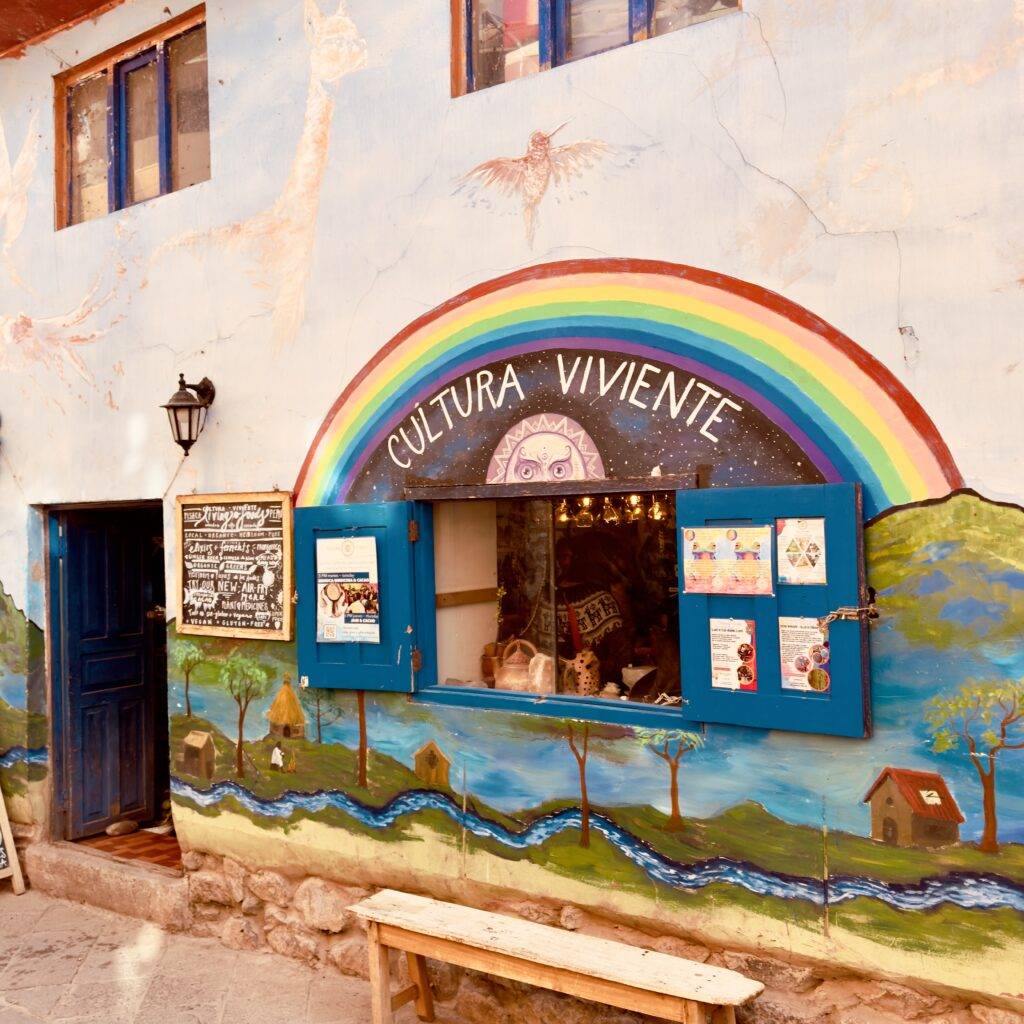
Pisac With Kids: Visiting vs Living There (Our Honest Take)
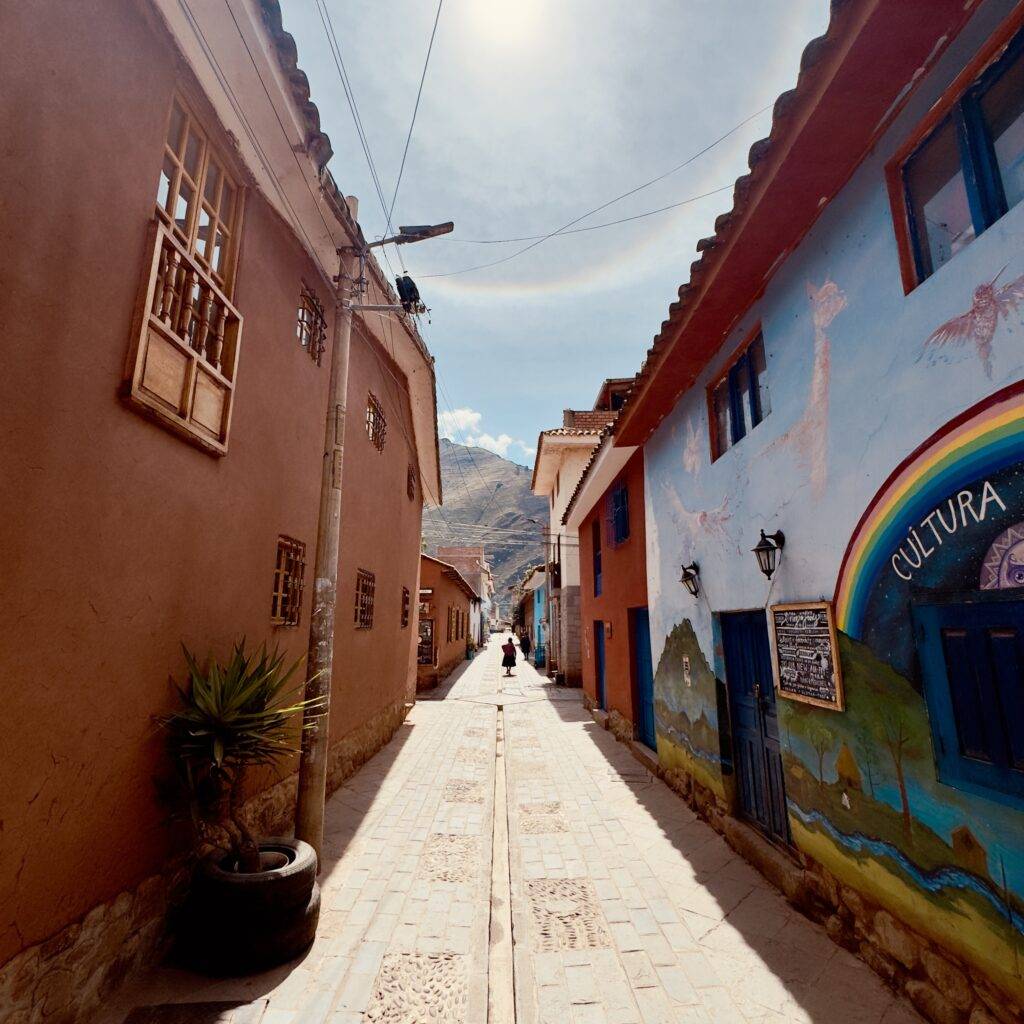
Pisac surprised us, not because it’s dramatic or polished, but because it slows you down whether you intend it to or not.
We stayed in Pisac for a full week, not as a stopover but as a base, and that made all the difference. This isn’t a place you “do” in an afternoon and move on from. It’s a place you settle into, or it can feel underwhelming.
The General Vibe (Let’s Be Honest)
Pisac has a very particular energy.
There’s a strong hippy / wellness / spiritual scene, and at times it comes with a faint “I’m more enlightened than you” undertone, especially among long-term Western expats. That said, once you get past that layer, the local community is genuinely warm and welcoming, especially toward kids.
Our children were greeted, smiled at, chatted to, and helped constantly. The friendliness felt real, not performative.
Daily Life in Pisac With Kids
What worked well for us:
Walkable town – no need for constant taxis
Quiet mornings and evenings – kids slept better here than almost anywhere else
Nature everywhere – river walks, hills, open space
Routine-friendly – easy to settle into a rhythm
What didn’t:
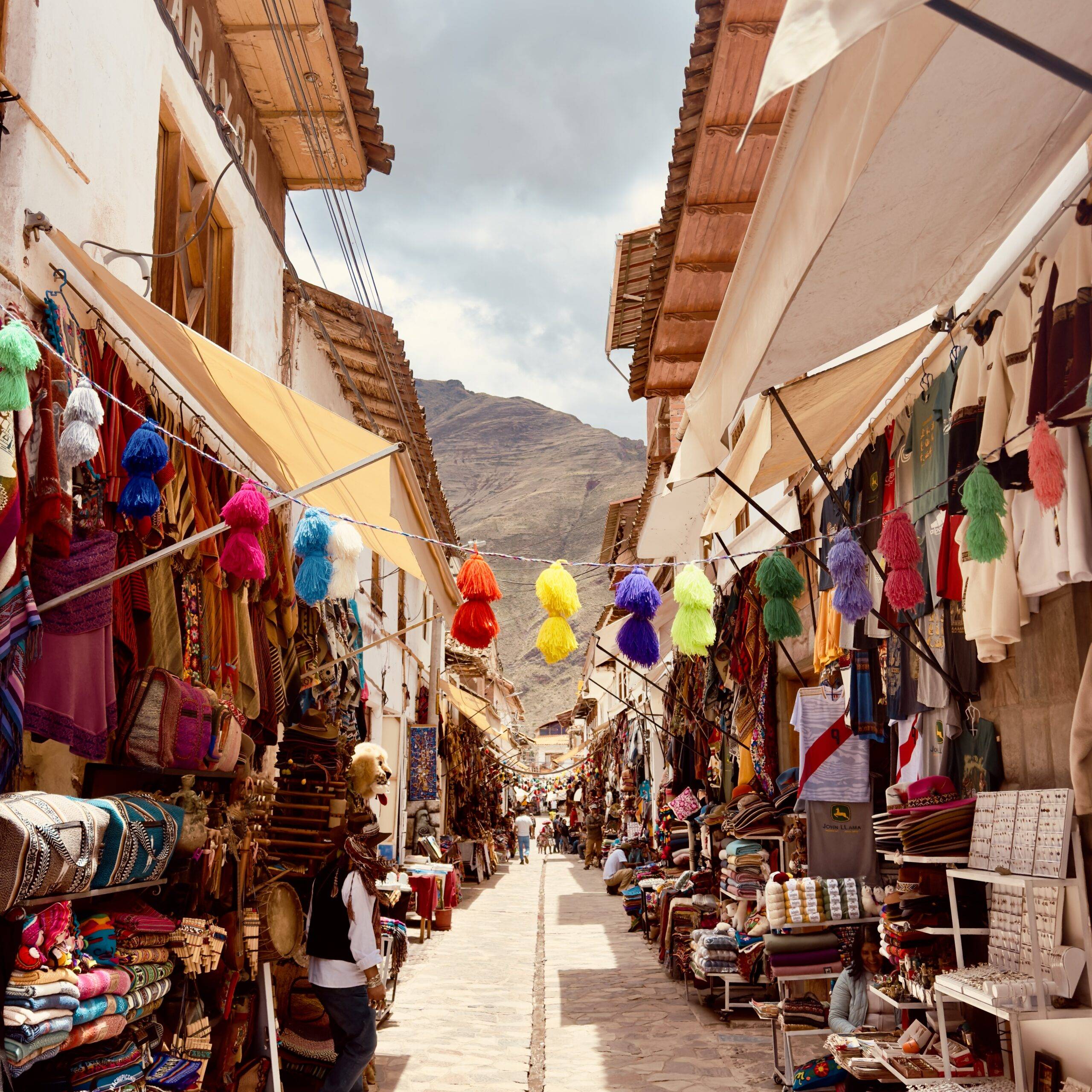
No large supermarket (you’ll rely on markets and small shops)
Prices are slightly inflated due to expat influence
Limited “activities” if your kids need constant stimulation
Pisac works best when you let go of the idea of being entertained and lean into simple days.
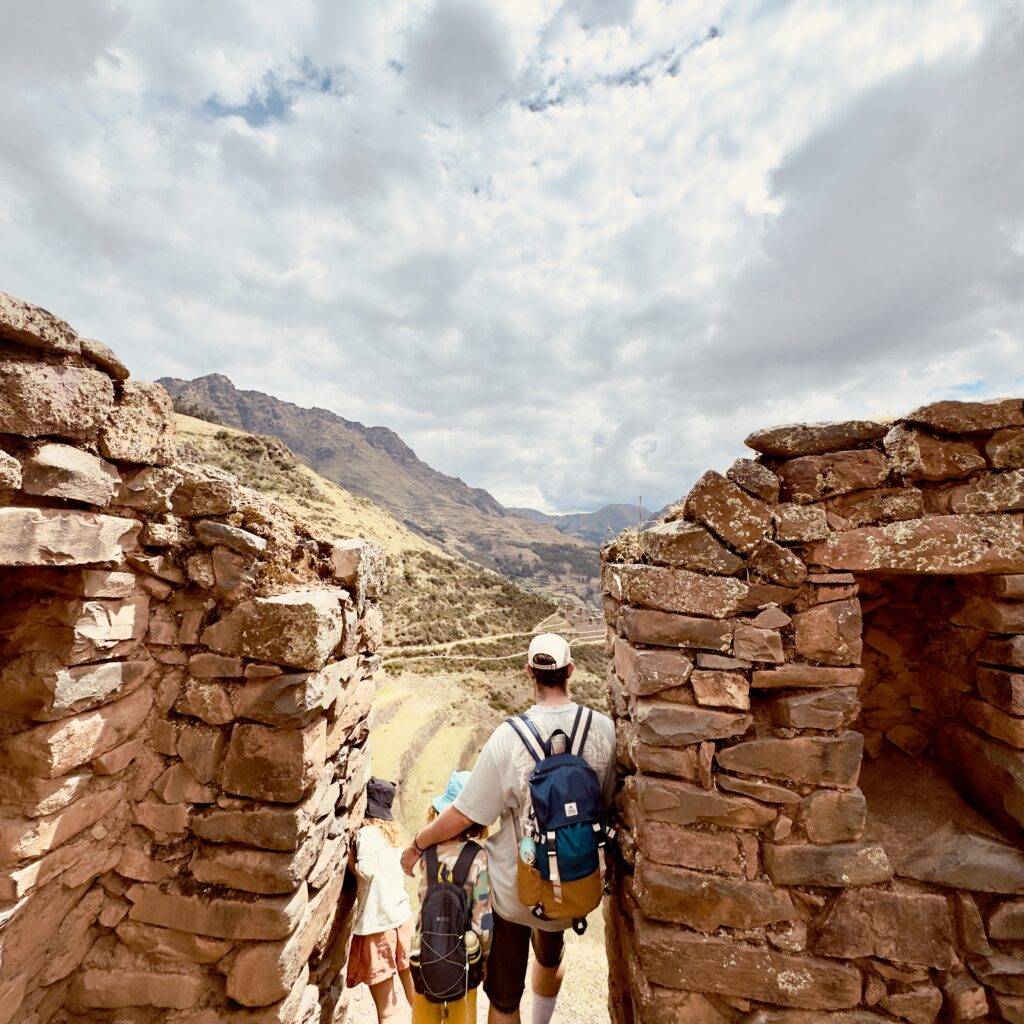
Climbing the Pisac Ruins With Kids
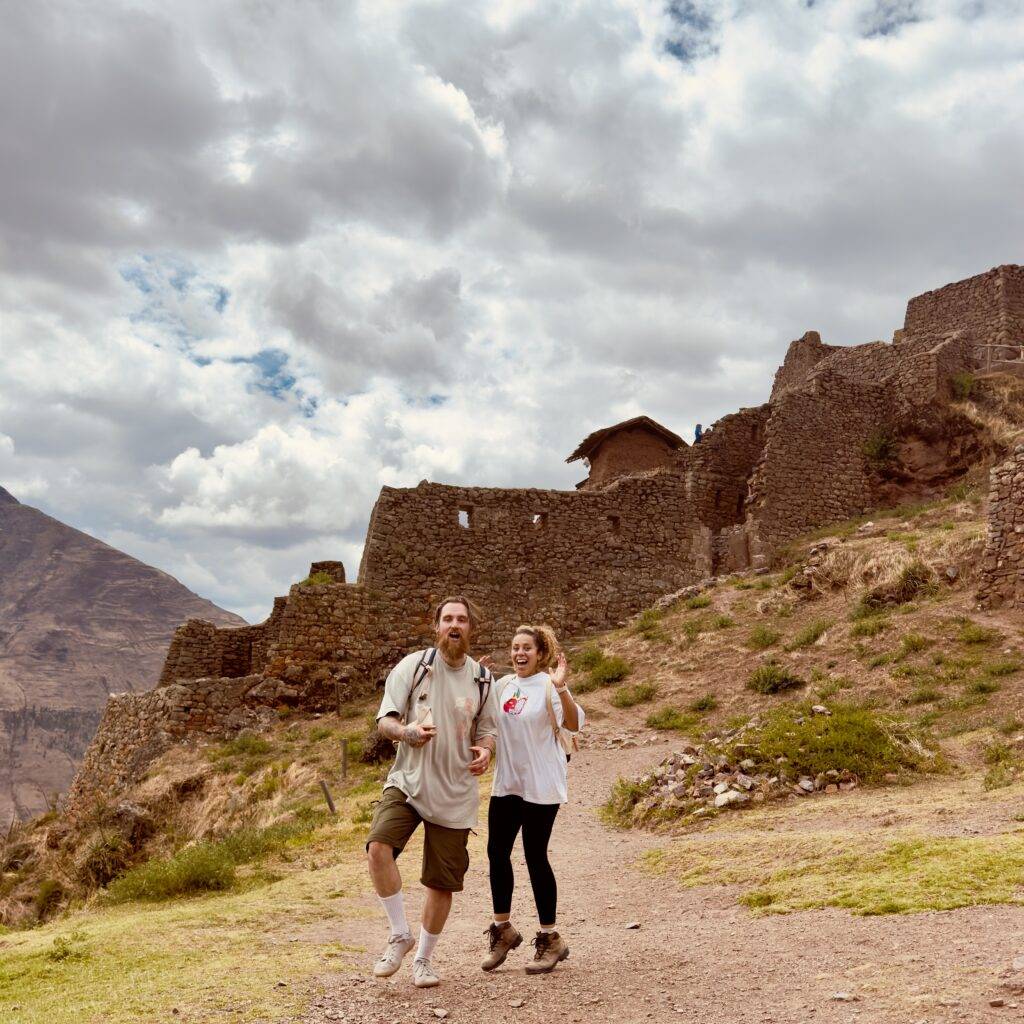
This was one of our favourite experiences in the Sacred Valley.
Using the Boleto Turístico, we climbed up to the Pisac ruins, slowly, with plenty of stops. It’s not an easy climb, but it’s manageable if you take your time. The kids treated it like an adventure rather than a hike, which helped enormously.
What made it work:
Starting early, before heat and crowds
Turning breaks into snack stops
No pressure to “see everything”
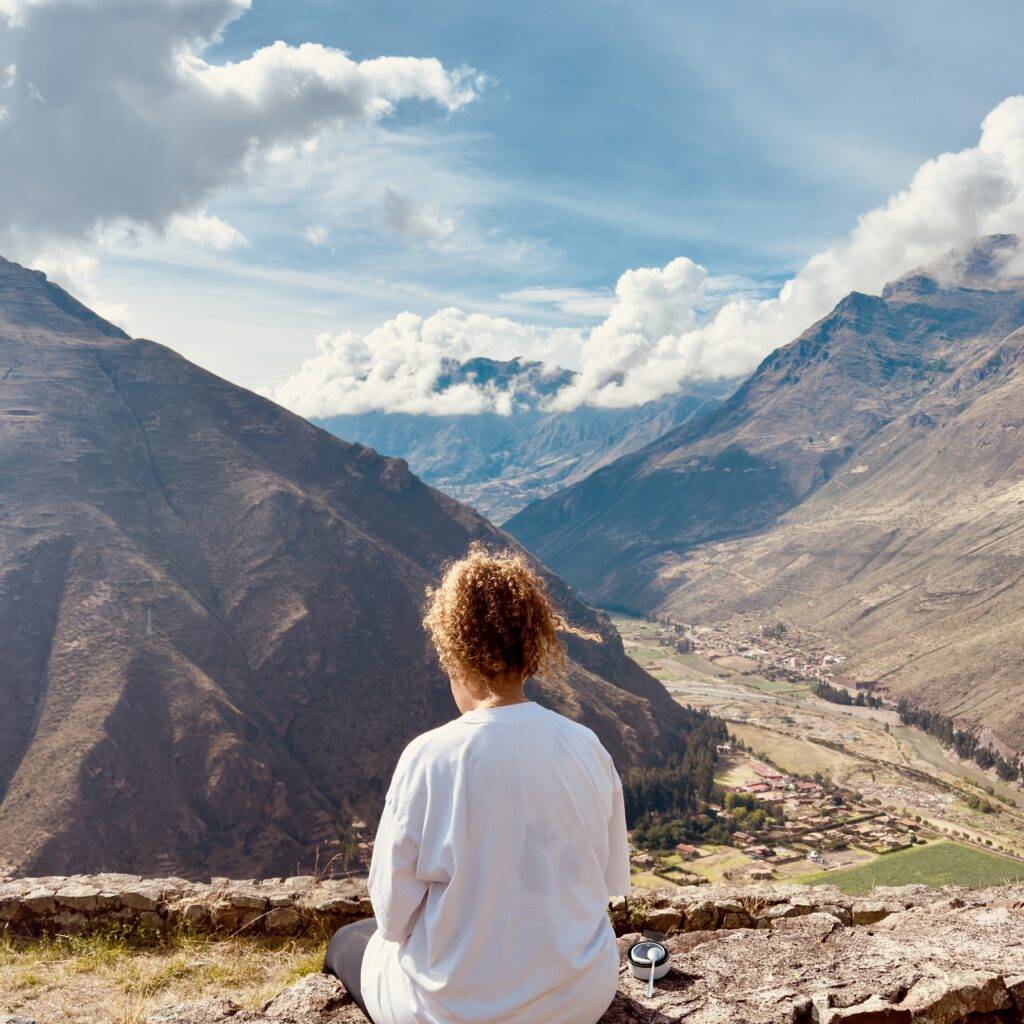
The views alone made the effort worth it, and it felt far less overwhelming than larger sites like Machu Picchu.
Visiting Pisac vs Staying There
Pisac as a day trip:
Market, ruins, lunch, leave
Fine, but you miss what makes it special
Pisac as a base (what we did):
Slower mornings
Repeated walks
Familiar faces
Kids feeling comfortable and relaxed
If you’re already moving quickly through Peru, Pisac can feel skippable. If you’re trying to balance altitude, kids, and sanity, it’s one of the better places to pause.
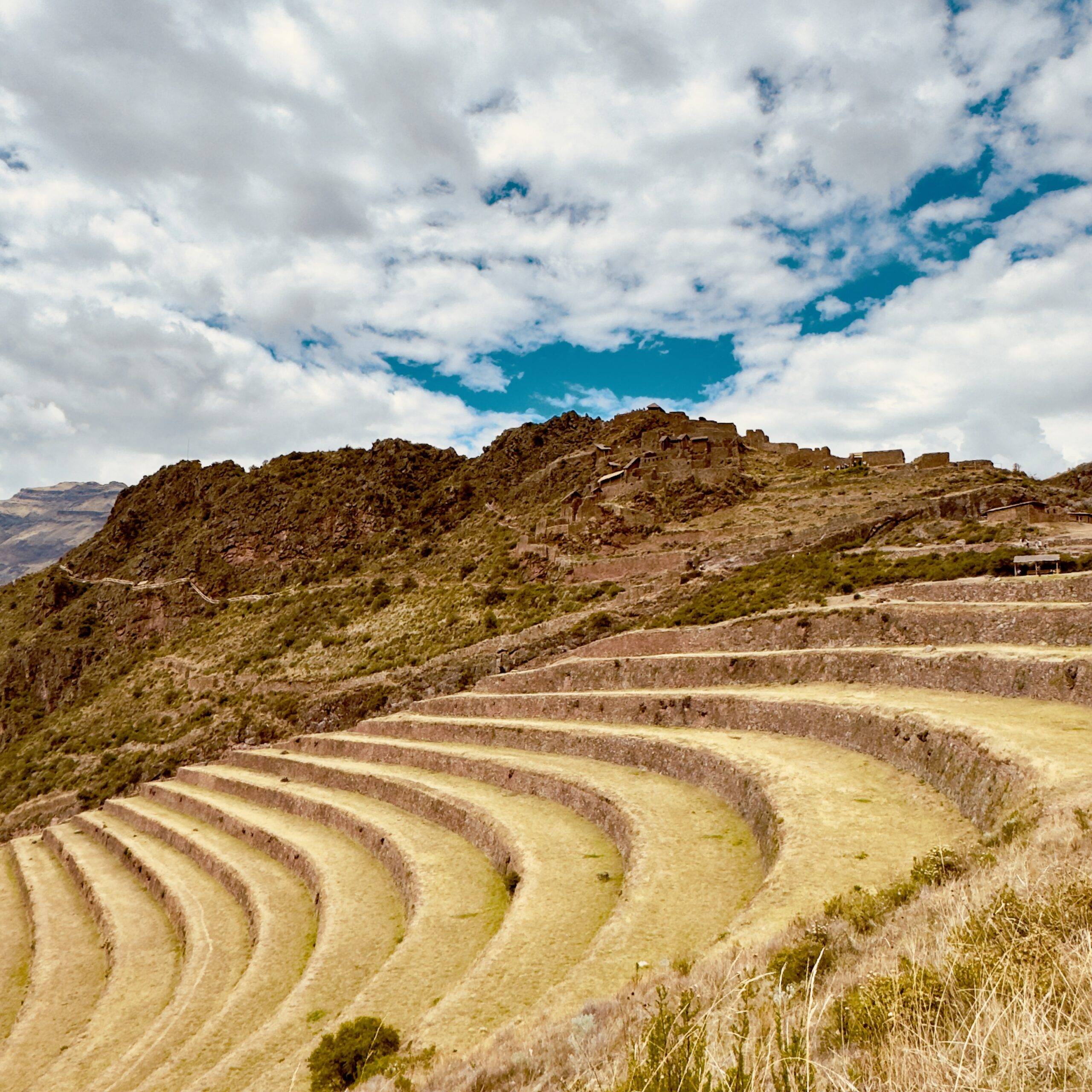
Maras With Kids: Quiet, Space, and a Very Different Pace
Maras was almost the opposite of Pisac, and that’s exactly why it worked for us after Pisac, not instead of it.
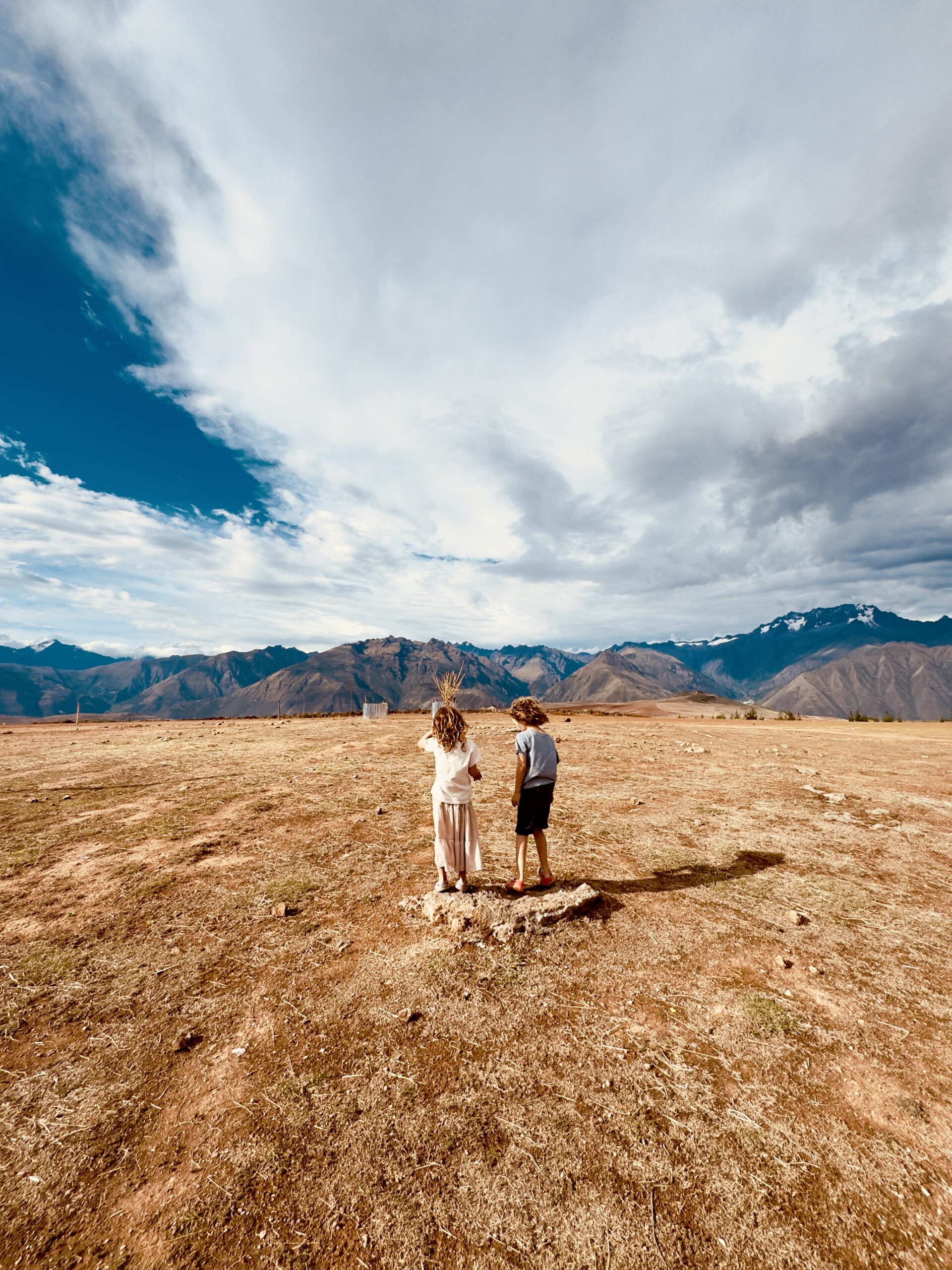
We stayed just outside the town of Maras in an eco “spaceship”-style accommodation, surrounded by open land and mountains. This part of the Sacred Valley wasn’t about doing things. It was about stopping.
Why We Chose Maras?
After cities, ruins, and altitude days, we wanted:
Fewer people
No schedules
Space for the kids to just exist
Maras gave us that, but it’s important to say upfront: this is not a lively base. You choose Maras deliberately, not accidentally.
Daily Life Near Maras (What It’s Actually Like)
Maras town itself is:
Very quiet
Small
Limited for food and cafes
Not somewhere you “fill your days”
Most days for us looked like:
Slow breakfasts with mountain views
Letting the kids roam safely outdoors
Reading, resting, and doing very little
Short outings rather than full days out
This was one of the few places in Peru where we truly felt off the clock.
The Reality of Staying Remote With Kids
There were trade-offs, and they matter if you’re planning with children.
What worked:
Incredible scenery right outside our door
Space for kids to decompress after busy travel
Cooler temperatures and calm evenings
A genuine sense of being away from it all
What didn’t:
You need transport for almost everything
Limited food options unless you cook
No playgrounds, museums, or kid-focused attractions
Very quiet, which some kids (and parents) may find boring
We also saw plenty of wildlife, including black widow spiders, not dangerous if left alone, but something to be aware of if you’re staying rurally with curious kids.

Day Trips From Maras
We didn’t treat Maras as a sightseeing hub, but we did venture out occasionally.
Urubamba became our go-to:
Cafes
Markets
A bit more life
Easier grocery shopping
These short trips were enough to break up the stillness without losing the calm that made Maras worthwhile.
Maras vs Pisac for Families
If you’re choosing between them:
Pisac works better for routine, walking, light activity, and community
Maras works better for rest, nature, and complete decompression
We wouldn’t recommend Maras as your only Sacred Valley base with kids, but as a second stop, it was exactly what we needed. Exploring family activities in Arequipa can offer a delightful mix of cultural experiences and outdoor adventures. From visiting historical sites to engaging in local festivals, there’s always something exciting for everyone. Be sure to check out the stunning landscapes surrounding the city that are perfect for family-friendly hikes.
Who Maras Is (and Isn’t) For
Maras suits families who:
Are happy entertaining themselves
Don’t need daily activities
Value quiet over convenience
Want a reset after altitude-heavy travel
It’s tougher for families who:
Need structure
Rely on restaurants and cafes
Want walkable towns and easy logistics
Maras isn’t about seeing Peru.
It’s about letting Peru slow you down.

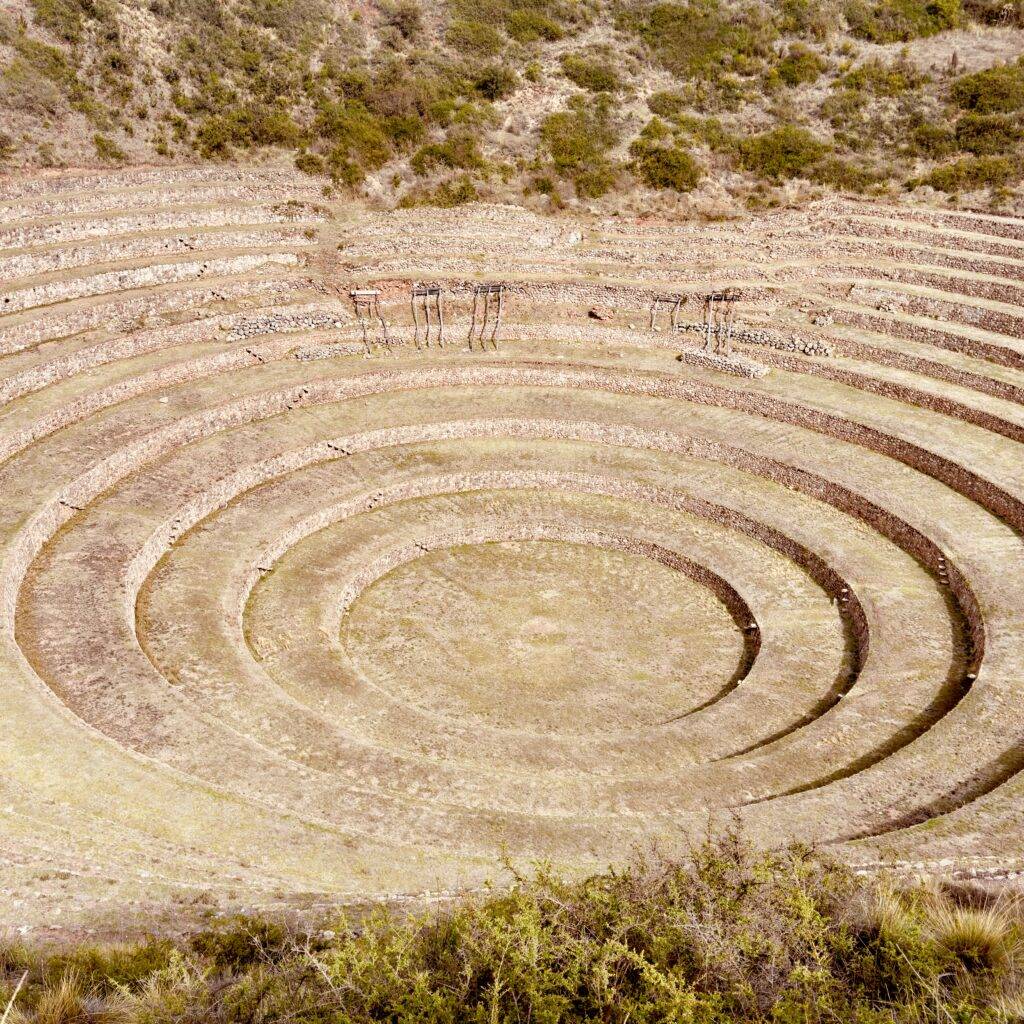
Other Places We Considered (or Passed Through) in the Sacred Valley
One thing that surprised us about the Sacred Valley was how often people talk about it as a single place, when in reality, it’s a string of very different towns and landscapes stitched together by winding roads.
We didn’t try to see everything. Some places we passed through briefly, some we deliberately skipped, and some we just filed away mentally as “maybe next time.” With kids, that restraint mattered.
Ollantaytambo
Ollantaytambo is often treated as the default Sacred Valley base, especially for people heading to Machu Picchu. It’s easy to see why, flat streets, impressive ruins right in town, and good transport connections.
For us, though, it felt a little busy for the kind of stay we wanted at that point in the trip. Not in a bad way, just more movement, more people, more sense of being en route somewhere else. If we’d had less time or were prioritising logistics, it would’ve made sense. For slowing down, Pisac edged it out.
Moray
Moray is one of those places that’s visually striking but fleeting. You arrive, you look, you take it in, and then you’re done.
It’s fascinating, especially once you understand what the terraces were used for, but with kids it’s very much a short stop rather than somewhere you linger. It works best folded into a half-day outing, not as a main event.
Maras Salt Mines
The salt mines are one of the most unusual sights in the Valley, and they’re often paired with Moray. They’re beautiful in a geometric, almost unreal way, but also a place where you’re very aware you’re supervising children closely.
Narrow paths, drop-offs, and little room to wander freely mean it’s impressive rather than relaxing. Worth seeing, but not somewhere kids will want to spend long. The nazca lines family adventure highlights the unique challenges of navigating this ancient landscape. Exciting for adults and older kids, the trip offers plenty of learning opportunities through its rich history. However, younger children may find themselves yearning for more open spaces to explore freely.
Urubamba
Urubamba never seems to get the same attention as other Sacred Valley towns, but for us it quietly became essential.
We didn’t stay there, but we visited regularly, for markets, cafes, supplies, and the simple feeling of a functioning town. When we were based near Maras, Urubamba filled the gaps: groceries, coffee, a bit of life without the intensity of Cusco.
It’s not a place you build an itinerary around, it’s the place that makes everything else work.
Chinchero
Chinchero felt more like a moment than a place to stay. Culturally interesting, cooler and windier than much of the Valley, and usually folded into organised tours.
For families, it makes sense as a brief stop rather than a base. Interesting, but not somewhere we felt drawn to settle.
Why We Didn’t Try to Do It All
It would’ve been easy to cram all of these places into a couple of days, many people do. But with kids, that approach tends to turn the Sacred Valley into a blur of car seats, viewpoints, and ticking clocks.
What worked better for us was choosing where to live, not just where to visit. Pisac gave us rhythm. Maras gave us rest. Everything else became optional, which took the pressure off completely.
The Sacred Valley doesn’t reward rushing. It rewards choosing one or two places well, and letting the rest stay exactly where they are.
Pisac vs Maras With Kids: Which One Is Right for Your Family?
After staying in both, it became clear that Pisac and Maras serve very different purposes, and choosing between them depends far more on how your family travels than what you want to see.
This isn’t about which place is “better.” It’s about fit.
Pisac Works Better If You Want:
A walkable town with daily life happening around you
Easy routines with kids (short walks, cafes, markets)
A sense of community and familiarity after a few days
Light activity mixed with downtime
Pisac felt lived-in. After a few days, the kids recognised streets, shopkeepers, and daily rhythms. That familiarity made everything calmer.
Maras Works Better If You Want:
Silence and space
Nature right outside your door
A break from decisions, transport, and crowds
Time to genuinely rest rather than explore
Maras wasn’t about settling into a town — it was about stepping away from one. It worked best once we’d already filled our cultural cup elsewhere.
If You’re Short on Time
If you only have a few days in the Sacred Valley with kids, Pisac is the better single base. It’s easier, more flexible, and gives you access to both ruins and daily life without constant transport.
Maras shines as a second stop, once kids (and parents) need quiet more than stimulation.
How Long to Spend in the Sacred Valley With Kids
This is where many itineraries fall apart.
The Sacred Valley is often treated as a one-day add-on between Cusco and Machu Picchu. With kids, that approach misses what makes it valuable.
What Worked for Us
A full week didn’t feel long
Staying put reduced altitude fatigue
Kids adjusted faster when days weren’t rushed
A Realistic Family Guideline
2–3 days: You’ll see things, but you won’t settle
4–6 days: Enough time to slow down and adjust
7+ days: The Valley becomes part of daily life
For families, the Sacred Valley isn’t just a stop, it’s a buffer. It softens altitude, travel fatigue, and the intensity of Peru’s bigger cities.
Sacred Valley vs Rainbow Mountain With Kids
This is an easy comparison once you’ve done both.
Rainbow Mountain is about pushing through.
The Sacred Valley is about settling in.
Rainbow Mountain demands altitude tolerance, early starts, and physical effort. The Sacred Valley offers space, flexibility, and room for kids to be kids. For most families, the choice isn’t difficult.
If you’re travelling with children, the Sacred Valley gives you far more in return for far less strain.
Final Thoughts: The Sacred Valley Isn’t One Place
One of the biggest mistakes families make is thinking of the Sacred Valley as a single destination.
Pisac and Maras felt completely different, not just geographically, but emotionally. One gave us rhythm and routine. The other gave us stillness. Both had value, but for different reasons and at different points in the trip.
The Sacred Valley rewards families who:
Choose one place and stay
Accept quieter days
Let go of the pressure to “do it all”
For us, it became one of the most grounding parts of Peru, not because of what we saw, but because of how we lived while we were there. Machu Picchu travel tips for adventurers ensure that you experience the awe of this ancient site while fully embracing the spirit of the Andes. Hiking the Inca Trail offers a chance to connect with the landscape, so prepare for varying altitudes and bring plenty of water. Furthermore, understanding local customs can enhance your journey, making it not just a visit to a landmark, but an immersion into the rich culture of Peru.
If you’re travelling Peru with kids, the Sacred Valley isn’t somewhere to rush through. It’s somewhere to pause, recalibrate, and let the trip catch up with you.
FAQs: Sacred Valley With Kids
Is the Sacred Valley worth visiting with kids?
Yes, and for many families, it’s one of the best parts of Peru.
The Sacred Valley felt more manageable than Cusco: lower altitude, more space, quieter towns, and fewer moments where everything felt like hard work. For kids, that translated into better sleep, calmer days, and less constant stimulation. It’s not about attractions, it’s about pace.
Is it better to stay in Cusco or the Sacred Valley with kids?
For us, the Sacred Valley was the better base.
Cusco has more to do, but it also demands more energy. Steep streets, crowds, noise, and altitude stack up quickly with children. The Sacred Valley felt easier to live in day to day, especially if you’re staying more than a couple of nights.
Cusco worked best as a short stop. The Valley worked best as a place to settle.
Can you do the Sacred Valley in one day with kids?
You can, but it misses the point.
One-day Sacred Valley tours tend to be transport-heavy and rushed, which is exhausting for kids and rarely enjoyable. What made the Valley special for us was staying put, repeating walks, and letting days unfold naturally.
If you only have one day, focus on one place. If you have more time, slow stays are where the Valley really shines.
Should you visit the Sacred Valley before or after Machu Picchu?
Before, especially with kids.
The Sacred Valley sits at a lower altitude than Cusco and works well as a gentle acclimatisation zone. Spending time there first helped everyone adjust, both physically and mentally, before bigger days like Machu Picchu.
It also softened the intensity of Peru early on, which helped the kids settle into travel mode.
Is the Sacred Valley safe for families?
We felt very comfortable in the Sacred Valley with kids.
Towns like Pisac and areas around Maras were calm, locals were friendly, and daily life felt predictable rather than chaotic. As always, basic awareness matters, but nothing about the Valley felt unsafe or stressful with children.
If anything, it felt more relaxed than larger cities.
Which is better for kids: Sacred Valley or Rainbow Mountain?
They’re not really comparable, but for families, the answer is clear.
Rainbow Mountain sits at over 5,000 metres and is physically demanding even for acclimatised adults. The Sacred Valley offers scenery, culture, and space without pushing bodies to extremes.
For most families with kids, the Sacred Valley is the better choice by far.
How long should families spend in the Sacred Valley?
Longer than most itineraries suggest.
As a rough guide:
2–3 days feels rushed
4–6 days allows you to slow down
A week or more lets the Valley become part of daily life
We stayed longer than planned and never felt bored. With kids, that breathing room made all the difference.
Is the Sacred Valley good for younger kids?
Yes, particularly compared to Cusco.
Lower altitude, quieter towns, and fewer crowds made it easier for younger children to cope. That said, it works best if you’re comfortable with simpler days and fewer structured “activities.”
The Valley rewards families who value rhythm over entertainment.