Cannes turns into a global cinema stage each May. In 2026, the 79th Festival de Cannes is scheduled from May 12 to 23, while the main venue, the Palais des Festivals et des Congrès, sits at 1 boulevard de la Croisette. That puts red carpet calls, press days, yacht meetings, dinners, and hotel arrivals inside one tight zone. For VIP guests, the first travel choice can set the mood for the whole stay. A private air transfer helps limit road delays, protect privacy, and keep arrival windows close to the programme. A well-planned helicopter to Cannes trip is less about show and more about timing, calm, and control.
Festival Timing and Arrival Pressure
The festival calendar creates pressure long before a film starts. Guests may land on the same day as a screening, a brand dinner, or a press call. Cars, media teams, hotel staff, and event crews all move through the same coastal streets. Even short road routes can feel longer when arrivals cluster around evening red carpet slots. A private helicopter transfer can reduce the time spent on the road, yet it still needs careful planning. Flight slots, weather checks, luggage limits, passenger names, and ground pick up all matter. The best plan treats the air segment as one part of a full arrival path, not as a single trip in isolation.
Main Arrival Routes to Cannes
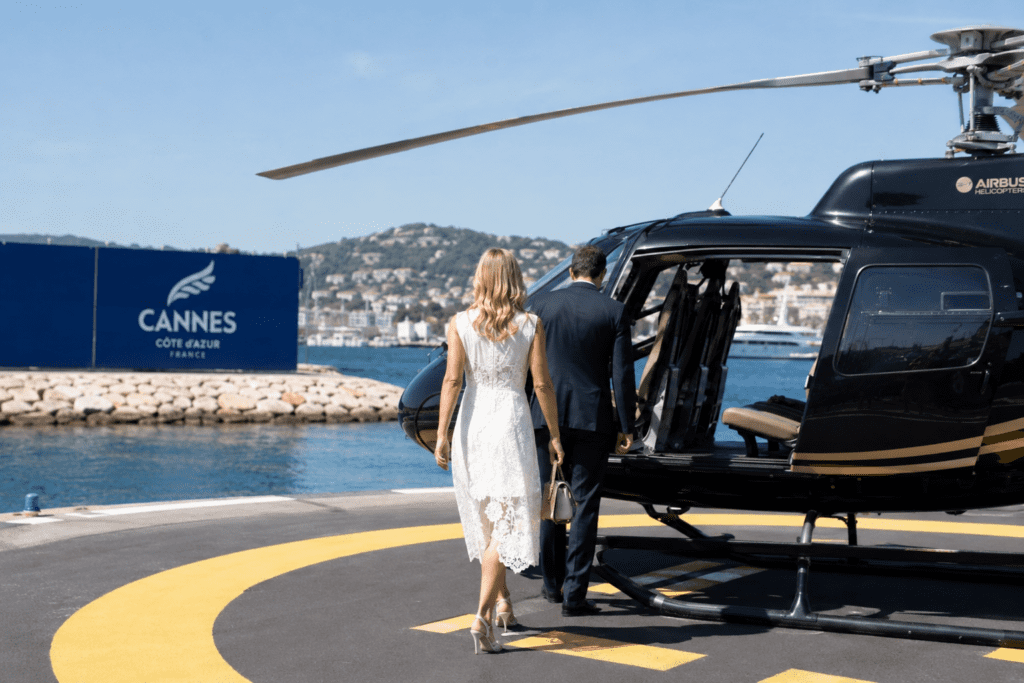
Most long-distance visitors enter the area through Nice Côte d’Azur Airport. Cannes is 27 km from Nice Airport and can be reached in less than 30 minutes in normal road conditions. And it’s a major gateway to Southern Europe. Cannes also has Cannes Mandelieu Airport, which serves general aviation and business travel on the French Riviera. This makes the region well set for private aviation, though each journey still depends on aircraft type, permission, and the guest’s plan.
Nice Airport to Cannes by Air
Nice Airport lists helicopter services from the airport to Cannes and other Riviera points. The flight time is about seven minutes between Nice and Cannes during major events, but the real journey is longer once the airport meeting point, safety briefing, baggage move, and car at arrival are included. VIP guests should judge the trip from the aircraft door to the hotel door. That gives a more honest view of time saved. It also helps assistants plan security, driver contact, and arrival privacy without rushed calls.
What VIP Guests Should Plan Before
Takeoff
A smooth flight starts with clear details. The operator should confirm passenger names as shown on travel papers, preferred departure time, phone numbers for assistants, luggage size, and any special mobility needs. The operator may need weight details and bag counts, since smaller aircraft have strict limits. Guests should also give a realistic landing buffer before press calls or red carpet access. Air travel is fast, but weather, air traffic, security checks, and ground access can still shift timing.
On Arrival Near the Croisette
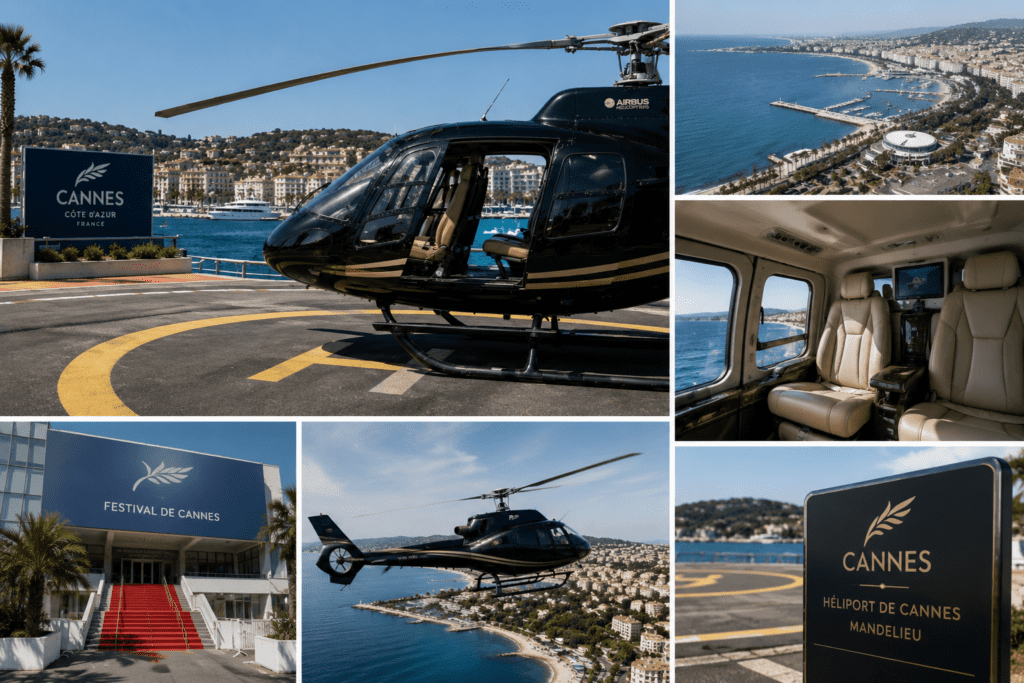
The most useful arrival is the one that joins neatly with the final ground leg. The Croisette, the Palais, the Old Port area, and many major hotels sit close together, yet roads can be dense during festival peaks. A driver should be ready before the helicopter lands. The guest team should know which exit will be used, where luggage will be placed, and whether the passenger goes first to a hotel, yacht, villa, or event entrance. Small choices save time. One clear name board, one main contact number, and one backup contact are enough for most arrivals. Too many callers create noise.
Privacy and Guest Comfort
Private arrivals are often chosen for privacy as much as speed. VIP guests may want fewer public touchpoints after a long flight. A helicopter transfer can help because the route is shorter and more controlled than a public terminal to car transfer. Still, privacy is never automatic. It comes from planning. Guest lists should stay limited. Drivers should avoid naming the passenger on open calls. The booking lead should share only the needed details with each person in the chain. Simple habits protect the guest while keeping the journey friendly and smooth. The aim is calm movement, not attention.
Luggage Timing and Wardrobe Care
Festival luggage is often not simple. Guests may carry formal wear, beauty kits, camera bags, jewellery cases, or press materials. Helicopters do not offer the same luggage space as large cars, so the best plan may split bags between air and road. Essential items should travel with the guest when allowed. Large cases can go by car or van ahead of time. Garment bags should be checked for fold risk, heat, and handling. A hotel contact should know when the wardrobe will arrive. This matters most on screening days, when a late suit, gown, or press outfit can create stress.
When Helicopter Arrivals Make the Most Sense
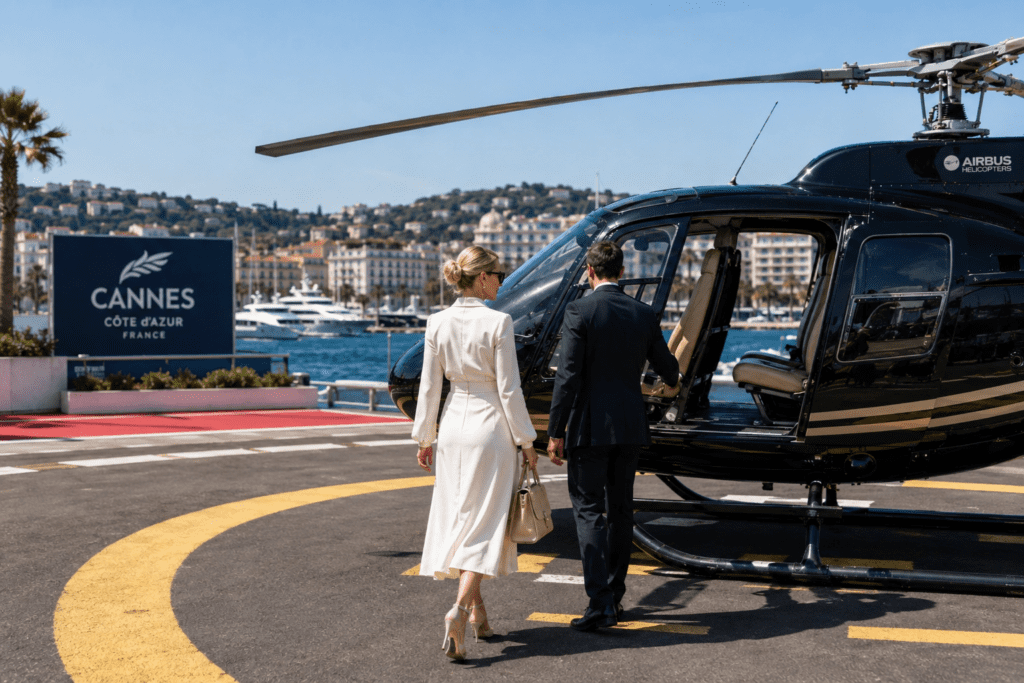
Private helicopter arrivals fit best when time, privacy, or schedule control is the main concern. They suit same-day arrivals, quick links from Nice, meetings across the coast, yacht connections, and tightly packed festival plans. They may be less useful when the guest has large luggage, flexible timing, or a simple leisure stay. The right choice depends on the full route. A seven-minute flight can still need a car before and after. A road transfer may be better late at night, in poor weather, or for guests with many bags. Smart planning compares comfort, timing, privacy, and cost together.
Who Benefits Most From This Arrival Style
This arrival style fits guests whose plans are built around fixed times. A lead actor may need to move from the airport to the fitting room for the photocall. A producer may land after a long flight and go straight to dinner. A buyer may have meetings across Cannes, Antibes, and Monaco. Family members may want a calm route with less public waiting. In each case, the gain comes from fewer moving parts. The guest should not need to study maps, chase drivers, or handle bags at several points. A compact air link, matched with one clean ground plan, can keep the day steady. It can help during peak evening traffic near the main festival zone.
Local Travel Tips for Festival Week
Cannes is walkable near the Palais, but festival week changes normal habits. Guests should keep routes short, leave buffers for security queues, and avoid changing plans too often. Dinner bookings near the Croisette can still require patience because many guests leave screenings at similar times. For early morning meetings, a hotel close to the Palais can save more time than any transfer choice. For evening premieres, a planned car window matters. Guests should also keep the ID, accreditation, phone battery, and event passes ready. The best VIP journey feels simple because each small item has already been checked.
Safety, Weather, and Responsible Planning
A helicopter transfer is an aviation service, so safety comes first. Weather, visibility, aircraft availability, and air traffic can change plans. A serious operator like Hoper does not treat a schedule as more important than safe operation. Guests should have a backup road route ready, with a driver and timing plan already agreed. Cannes also gives attention to environmental steps during the festival, including contributions linked to festivalgoers and local projects. Travel teams can support this by planning efficient routes, avoiding empty vehicle moves when possible, and using only needed transfers. Good planning respects the city as well as the schedule.
Final Thoughts for VIP Guests
A private helicopter arrival can make Cannes feel easier during one of the busiest cultural weeks in Europe. The real value is not only the short flight. It is the way the guest moves from airport to screening, hotel, yacht, or meeting with fewer delays and less public friction. The strongest plan is simple: verify the arrival airport, confirm the flight slot, check luggage rules, set a driver, add a weather backup, and leave time for the final city leg. With that care, VIP guests can arrive ready for the festival schedule, instead of spending their first hour solving travel problems.