If you’re wondering what to pack for Ecuador, the confusing part is this:
You’re not packing for one climate.
You’re packing for:
- cool mountain cities like Quito
- humid coastal areas
- rainy Amazon regions
- unpredictable altitude weather
- and potentially all of them in one trip
That’s what caught us off guard.
One day we needed jumpers and rain jackets.
Two days later we were sweating through t-shirts near the coast wondering why we brought half our bag.
This guide is built around the real question people are actually asking:
“What do I actually need for Ecuador without massively overpacking?”
And honestly? Ecuador might be one of the easiest places in South America to overpack for.
The trick isn’t bringing more.
It’s bringing clothes that survive constant climate changes.
Based on how we travelled Ecuador as a family, this is what actually got used — and what stayed buried in the bag.
Don’t have time to read? Start here:
Ecuador is one of those countries that can make you question your packing list several times in the same day.
Warm mornings, cool evenings, mountain rain, coastal humidity, and everything in between means layers quickly become your best friend.
Lightweight clothing, a packable rain jacket, comfortable walking shoes, and a warm layer for higher altitudes all earned their place in our bags.
So did travel insurance.
Don’t forget the boring stuff.
Most people spend hours comparing backpacks and rain jackets. Far fewer think about what happens if a flight is delayed, a bag goes missing, or someone gets sick while travelling.
Whether you’re exploring Quito, heading into the Amazon, visiting the Galápagos, or travelling between regions, plans can change quickly.
We’ve used SafetyWing throughout our travels because it gives us the flexibility to adapt when things don’t go exactly to plan.
What to Pack for Ecuador (Quick Answer)
If you only remember one thing:
pack layers.
You’ll likely need:
- breathable clothing for the coast and Amazon
- warm layers for Quito and altitude
- lightweight rain protection year-round
- comfortable walking shoes
- quick-dry clothing
- a small daypack
- sun protection (the UV at altitude is stronger than expected)
Ecuador weather changes fast depending on:
- altitude
- region
- time of day
- rainy vs dry season
This is not a “one suitcase, one climate” destination.
Why Packing for Ecuador Is So Confusing
Ecuador looks small on a map.
That’s misleading.
Within a relatively short distance you can move between:
- cold mountain evenings
- humid tropical heat
- rain-heavy jungle weather
- dry sunny beach towns
And the temperature swings can happen fast.
Quito especially tricks people.
You see “Ecuador” and assume tropical weather.
Then you arrive at altitude wearing shorts and immediately start looking for a hoodie.
The coast does the opposite.
You arrive prepared for hiking weather and suddenly everything feels too heavy and uncomfortable.
That’s why packing for Ecuador feels harder than people expect.
You’re rarely packing for:
- one temperature
- one activity
- one climate
You’re packing for transitions.
Ecuador Weather: Dry Season vs Rainy Season
Dry Season in Ecuador
Generally:
- June to September in the Andes
- December to April on parts of the coast
But “dry season” in Ecuador doesn’t mean permanently hot sunshine.
In Quito and the highlands, dry season often means:
- colder mornings
- cooler nights
- stronger sun during the day
- dramatic temperature changes
Layers still matter.
Rainy Season in Ecuador
Usually:
- October to May in the Andes
- Amazon rain possible almost year-round
The biggest surprise for us:
rain often arrived in bursts rather than all-day storms.
We’d get:
- bright sunshine
- heavy rain for 20 minutes
- then clear skies again
That’s why massive bulky waterproof jackets weren’t actually that useful for us.
A lightweight rain layer worked better almost everywhere.
What to Pack for Quito (Altitude + Cold Nights)
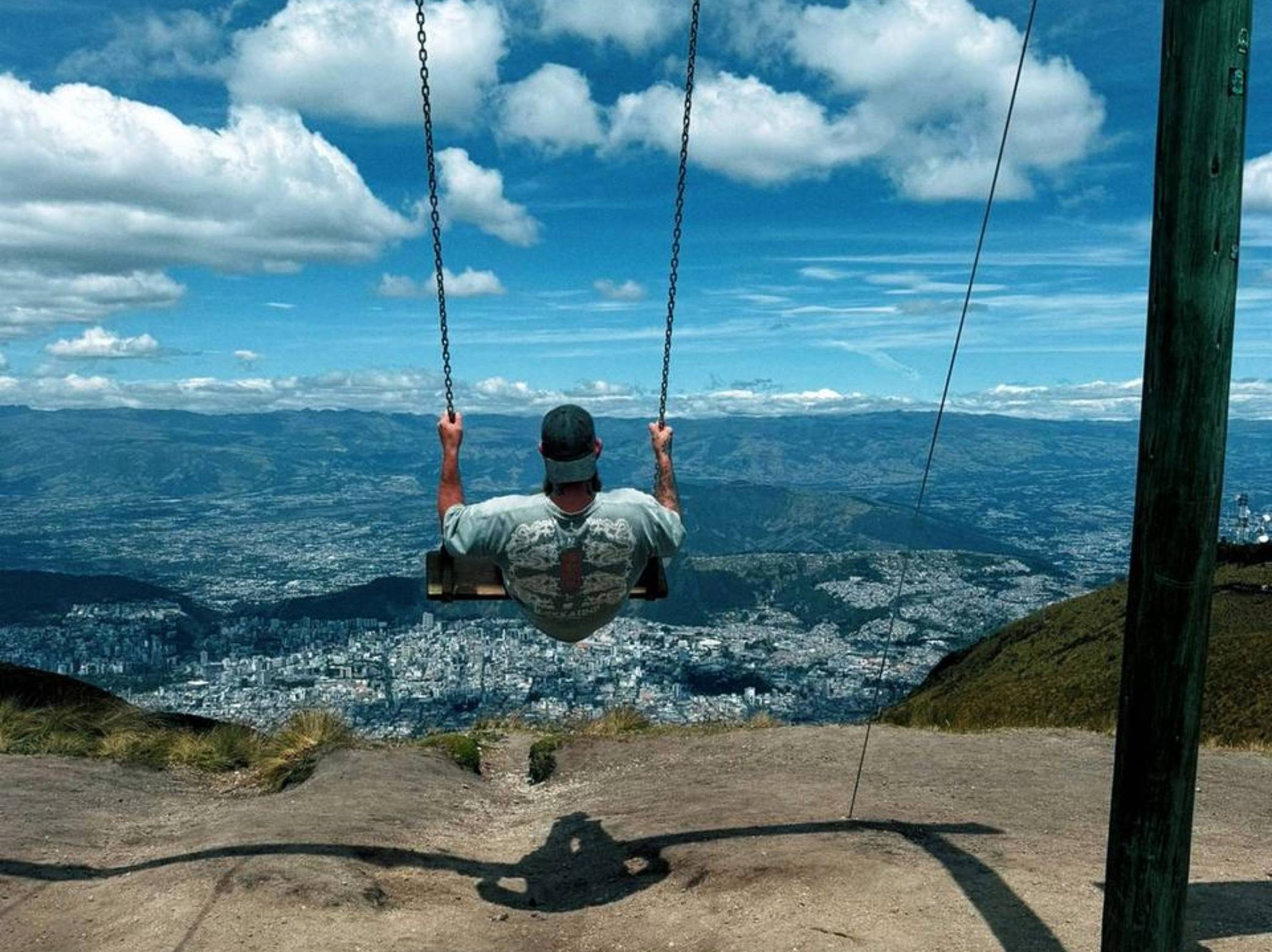
Quito catches people out constantly.
During the day:
- sunshine can feel warm
- UV is intense
- t-shirts are usually fine
Then evening arrives and temperatures drop surprisingly fast.
What We Actually Wore in Quito
- t-shirts during the day
- hoodies or thin fleeces mornings/evenings
- lightweight waterproof jackets
- trainers
- lightweight trousers
The biggest mistake would be packing only for “South America heat.”
Altitude changes everything.
And once the kids got tired, the cold hit even faster.
Quito Packing Tip
Bring clothes you can layer quickly rather than bulky winter clothes.
You probably won’t need:
- heavy coats
- thick jumpers
- massive hiking gear
But you will want flexible layers you can throw on fast.
What to Pack for Ecuador’s Coast
Places like:
- Montañita
- Salinas
- Manta
- Puerto López
feel completely different from Quito.
This is where lightweight clothing suddenly becomes essential.
Coast Packing List
- breathable tops
- shorts
- sandals
- swimwear
- sunglasses
- lightweight cover-ups
- flip flops
Humidity changes everything here.
Clothes that felt comfortable in the mountains suddenly feel unbearable near the coast.
We ended up wearing the same lightweight outfits repeatedly.
Heavy fabrics became annoying very quickly.

What to Pack for the Amazon Rainforest
The Amazon was where practicality mattered most.
This is not where you’ll care about stylish outfits.
The jungle ends that conversation pretty quickly.
What Actually Helped
- long sleeves for mosquitoes
- lightweight long trousers
- quick-dry clothing
- waterproof sandals
- insect repellent
- poncho
- small dry bag
One thing people underestimate:
you still sweat constantly even while trying to stay covered.
Heavy clothes become miserable fast.
Thin, breathable layers worked far better.
And honestly?
At some point you’ll probably get wet anyway.

The One Thing We Underestimated
Honestly, Ecuador was one of the places where we really understood why flexible travel insurance matters.
Not because something dramatic happened —
but because travel here changes quickly.
Altitude affects everyone differently.
Roads get delayed.
Weather shifts fast.
Plans move around constantly.
When you’re travelling with kids, even small disruptions suddenly become expensive or stressful surprisingly quickly.
That flexibility mattered more to us than having the “perfect” suitcase setup.
Shoes: The Thing We Overthought Most
Before Ecuador we massively overcomplicated footwear.
You really do not need loads of shoes.
Our version of the “rule of three” became:
- trainers
- sandals
- something rain-resistant
That covered basically everything.
City walking.
Beaches.
Bus journeys.
Parks.
Unexpected muddy roads.
Bulky extra shoes just became frustrating to carry around.
What We’d Pack Less Of Next Time
Definitely:
- jeans
- “just in case” outfits
- bulky jumpers
- too many toiletries
- extra shoes
Laundry is cheap in many parts of Ecuador.
You do not need two weeks worth of clothes.
Especially if you’re moving around regularly.
Family Packing Lessons We Learned Fast
Travelling Ecuador with kids changed how we packed completely.
The goal stopped being:
“Have loads of options.”
The goal became:
“Can everyone comfortably carry this without losing their minds?”
The things that mattered most:
- comfort
- repeat wear
- quick-dry fabrics
- lightweight bags
- easy layers
Not perfectly curated travel outfits.
A lot of packing advice online still assumes:
- perfect weather
- one destination
- short holidays
Real travel in Ecuador feels messier than that.
And honestly, that’s part of what makes it good.
Final Thoughts: What to Wear in Ecuador
Ecuador taught us that packing for South America isn’t really about bringing more.
It’s about bringing things that work across completely different environments without making your bags unbearable to carry.
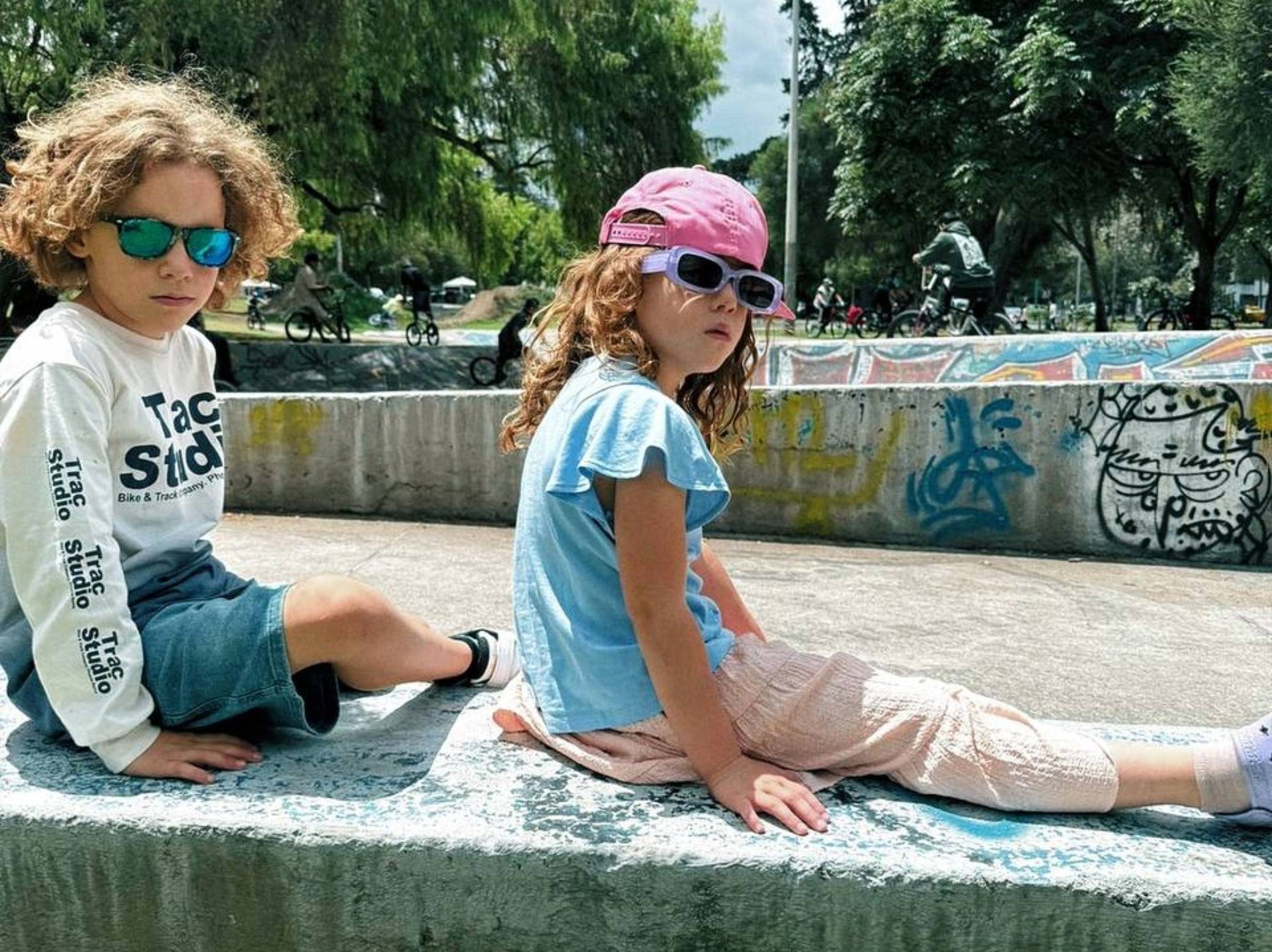
You’ll probably wear:
- the same few outfits repeatedly
- more layers than expected
- fewer “nice” clothes than you imagined
And honestly?
That’s usually when travel starts feeling easier.
If you’re planning a longer South America trip, especially with kids, focus less on building the perfect packing list and more on building a flexible system you can adapt as you move.
Because Ecuador changes constantly.
And your packing setup needs to handle that too.